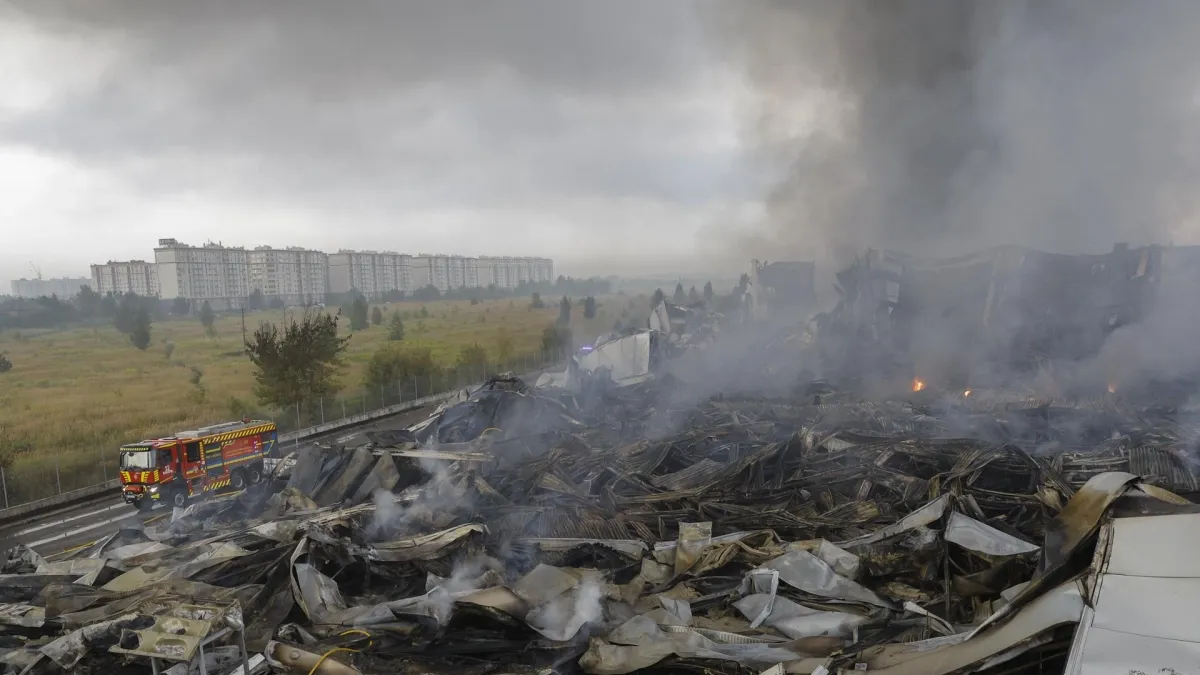
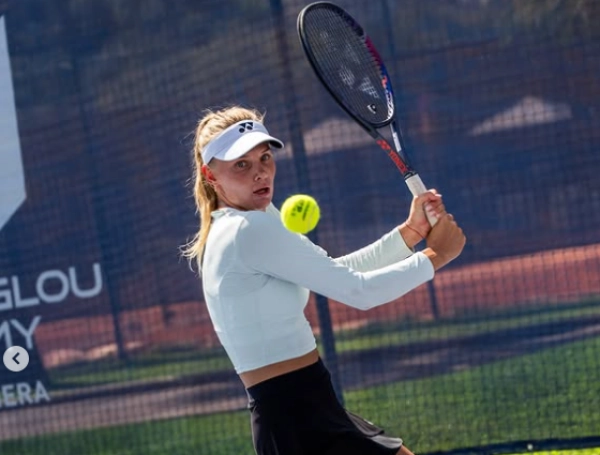
ODESA, UKRAINE — The intersection of professional sports and the harsh realities of geopolitical conflict has once again collided in the most devastating manner. Dayana Yastremska, a prominent figure in Ukrainian tennis and a familiar face on the WTA Tour, returned home to Odesa this week to find that her private sanctuary had been reduced to rubble. A direct hit from a Russian Kalibr cruise missile—a weapon designed for precision but often utilized in the bombardment of civilian infrastructure—has destroyed the apartment where the 26-year-old athlete resided with her family.
The incident, which occurred immediately following Yastremska’s return from the 2026 US Open in New York, serves as a stark, visceral reminder that for many Ukrainian athletes, the "field of play" is not merely the manicured grass of Wimbledon or the hard courts of Flushing Meadows, but the literal front lines of a nation under siege.
The Reality of the "Russian World"
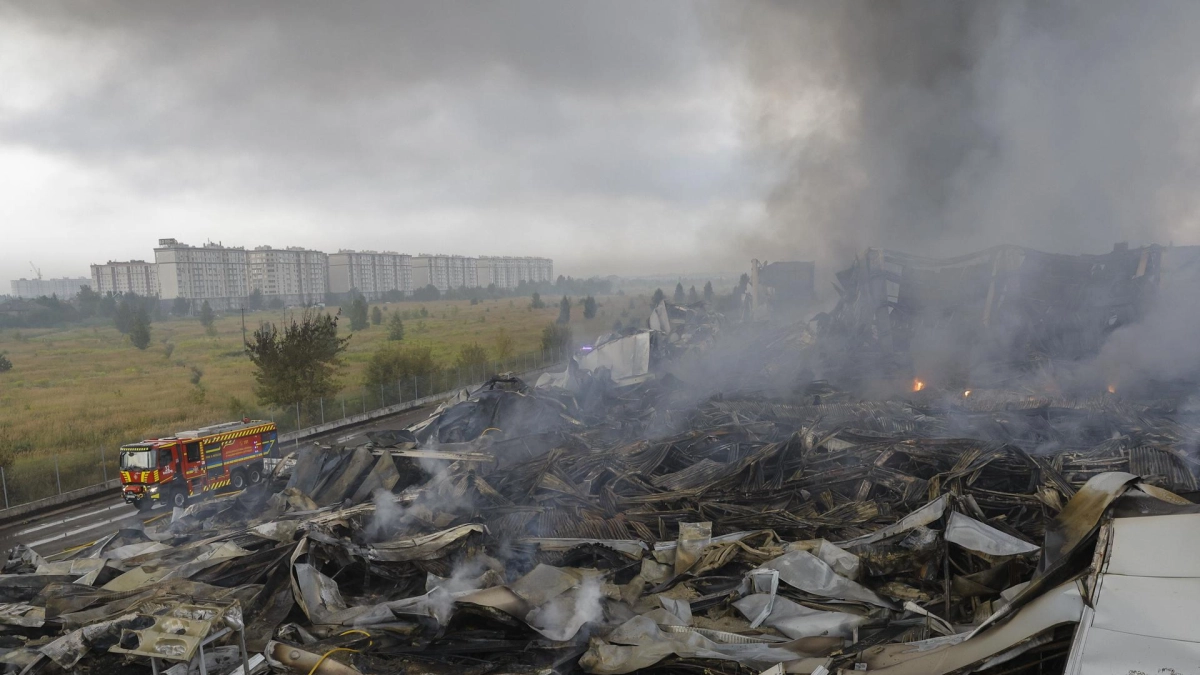
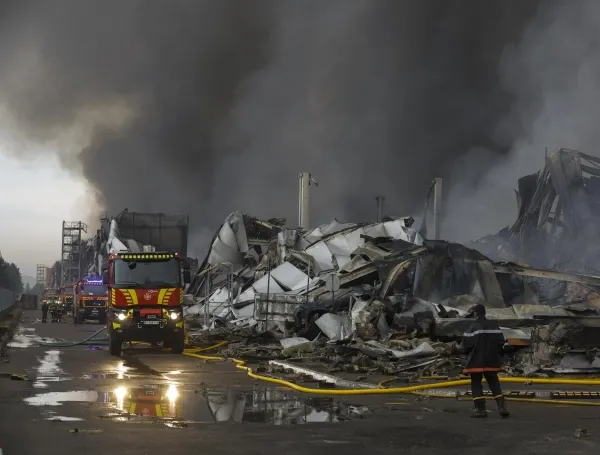
For Yastremska, currently ranked 113th in the world, the destruction was not just a loss of property; it was a profound psychological blow. Upon witnessing the aftermath of the strike in her hometown, the tennis player took to social media to document the carnage. The images shared by Yastremska were harrowing: shattered concrete, twisted metal, and the charred remnants of a life that had been painstakingly built, now obliterated by a singular, violent act of war.
"This is the ‘Russian world,’" Yastremska wrote in a poignant caption, her words dripping with the exhaustion of a citizen living in a war-torn country. "A direct hit from a Kalibr cruise missile. Our home, destroyed."

Perhaps the most haunting aspect of the tragedy was the small, symbolic irony amidst the destruction. Yastremska noted that among the debris and the obliterated memories of her home, the only item that survived the blast was a solitary towel from Roland Garros. "A piece of the tennis world survived; our home, did not," she lamented.
A Chronology of Conflict and Competition
To understand the weight of this event, one must look at the timeline of Yastremska’s recent weeks. The tennis season is a grueling, global affair that requires immense focus, travel, and emotional stability.

- Late August 2026: Yastremska arrives in the United States to compete in the final Grand Slam of the year, the US Open.
- Early September 2026: Yastremska faces Italian contender Lucrezia Stefanini in the opening round. Despite her professional efforts, Yastremska is eliminated in the debut match.
- September 12, 2026: Following her swift exit from the tournament, Yastremska makes the long journey back to Ukraine, opting to return to her roots in Odesa despite the ongoing danger.
- September 12, 2026 (Afternoon): Upon arrival, she is confronted with the news and the physical reality that her residence has been struck by a Russian missile.
This chronology highlights the "dual life" led by many Ukrainian professionals. While the world watches them compete for trophies, their hearts and minds remain anchored to the safety of their families back home. Unlike many of her peers—such as Elina Svitolina or Marta Kostyuk, who have relocated to Monte Carlo to escape the volatility of the conflict—Yastremska has made the conscious, and often criticized, decision to maintain her primary residence in Ukraine.
The Choice of Home: A Cultural and Personal Stance
The decision by Yastremska to remain in Ukraine, even as the conflict drags into its third year, is one that separates her from a significant portion of the Ukrainian tennis diaspora. While the decision to relocate to safer European hubs is a standard practice for elite athletes requiring consistency in training and peace of mind, Yastremska’s choice reflects a deeper, perhaps visceral, attachment to her homeland.
In the sports world, athletes are often expected to be "global citizens," transcending borders. However, for those hailing from active war zones, the pressure to remain visible and present in their home country acts as a powerful motivator. By staying, Yastremska has become a symbol for many of the "unyielding spirit" of the Ukrainian people. However, as this latest attack demonstrates, that commitment comes with a terrifyingly high cost.
The Geopolitical Context: Why Odesa?
Odesa, a historic port city on the Black Sea, has been a frequent target of Russian military operations throughout the conflict. The city’s strategic importance, combined with its role as a cultural and economic hub, has made it a focal point for Russian cruise missile strikes.
Military analysts suggest that the use of Kalibr missiles—advanced, long-range cruise missiles—against residential areas is a calculated tactic designed to demoralize the civilian population. By targeting the homes of public figures, the military campaign aims to demonstrate that no one is safe, regardless of their status or visibility.
For the international community, the destruction of Yastremska’s home is not just a sports story; it is a human rights concern. It raises questions about the targeting of non-military zones and the psychological warfare being waged on the Ukrainian public.
Official Responses and Public Outcry
The reaction from the tennis community and global observers has been swift. Fellow players, who often maintain camaraderie despite intense on-court rivalries, have expressed their support. The incident has reignited debates within the ATP and WTA governing bodies regarding the presence of athletes from nations involved in the conflict and the ongoing moral responsibility of the sport to support those whose lives have been upended.
While the WTA has previously issued statements condemning the war, the personal nature of Yastremska’s loss has brought the issue back to the forefront. "We stand with Dayana," read a brief statement from several fellow Ukrainian competitors. However, for Yastremska, the support of her peers, while appreciated, cannot replace the physical security of a home or the sense of normalcy that was stolen in an instant.

Implications for the Future of Ukrainian Athletics
The implications of this attack extend far beyond the career of one tennis player. The incident raises a critical question for the future of Ukrainian sports: Can these athletes continue to compete at the highest level while their domestic lives are in a constant state of collapse?
- Mental Health: The psychological toll of competing in high-pressure tournaments while knowing your family home is a target is immense. We may see a decline in the performance of Ukrainian athletes, or conversely, a surge of "defiance-driven" success.
- Training Facilities: As residential areas and infrastructure are destroyed, the ability for young, emerging athletes in Ukraine to train becomes increasingly difficult. The sport faces a "lost generation" if local infrastructure continues to be targeted.
- Migration Trends: It is likely that this event will force more Ukrainian athletes to permanently relocate abroad, potentially stripping the country of its domestic talent pool and further isolating those who choose to stay.
Conclusion: A Resilience Tested
Dayana Yastremska’s story is a microcosm of the Ukrainian experience: a sudden, violent interruption of a professional career by the cold machinery of war. While she searches for a new place to call home and continues to navigate the complexities of a life in transition, her story reminds us that sport is never truly separate from the world around it.

As she moves forward, looking to regain her footing in the WTA rankings and find stability, Yastremska remains a testament to the resilience of her people. The Roland Garros towel she salvaged from the ruins is more than a souvenir; it is a flag of defiance—a signal that while the walls may fall, the spirit of the individual remains, waiting to compete again, even when the world they knew has changed forever.
The international community must continue to watch, not just for the scorelines, but for the human stories that underpin the professional façade. For Yastremska, the match is no longer just about the next serve or the next backhand—it is about the enduring struggle to maintain a life, a career, and a sense of home in a time of unprecedented instability.