By: Environmental and Health Desk
September 29, 2026
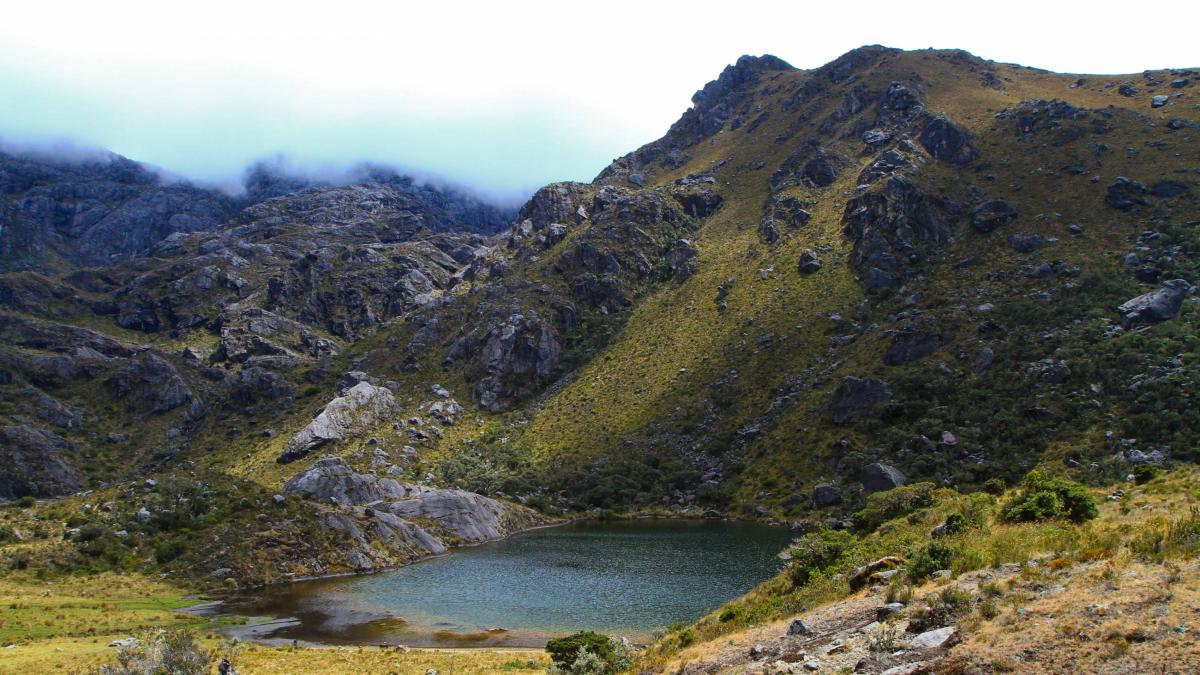
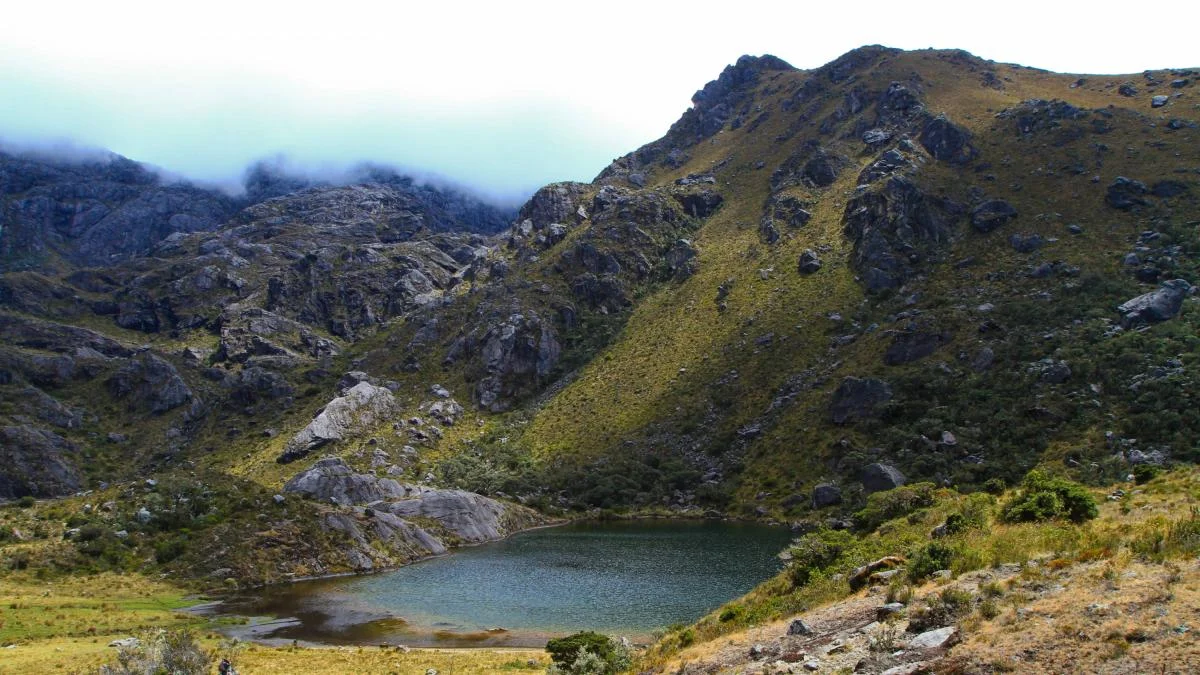
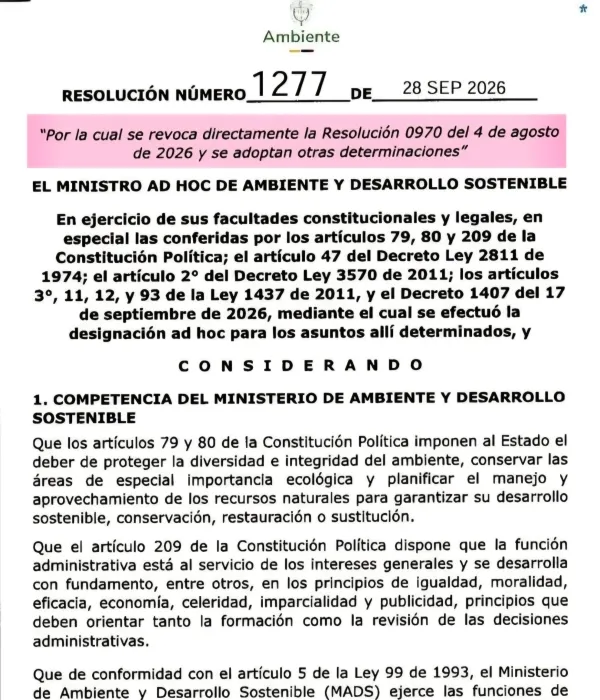
The future of the Santurbán Páramo—a high-altitude ecosystem vital for the water supply of millions of Colombians—has once again descended into legal and social uncertainty. In a move that has sent shockwaves through the region of Santander, the Ministry of Environment and Sustainable Development has officially revoked Resolution 0970 of 2026, a policy that had sought to extend the "Temporary Reserve of Renewable Natural Resources" in the Soto Norte region until March 2029.

This decision, formalized under Resolution 1277 on September 28, 2026, represents a significant pivot in the current administration’s environmental strategy. It marks a return to the regulatory framework that existed prior to the extension, effectively re-opening a wound that many local stakeholders hoped was on the path to healing through dialogue and stable land-use planning.
Main Facts: The Scope of the Revocation
The core of the issue lies in the reversal of the temporal buffer zone. The now-defunct Resolution 0970 had been designed to update the geographical area and cartography of the protected zone, while simultaneously providing a timeline for further technical studies. By repealing it in its entirety, the Ministry—led by ad hoc Minister Indalecio Dangond—has dismantled a policy established during the administration of former President Gustavo Petro.
The implications of this are immediate. The Ministry has ordered the notification of key environmental and regulatory bodies, including the Regional Autonomous Corporation for the Defense of the Bucaramanga Plateau (CDMB), the National Environmental Licensing Authority (ANLA), and the National Mining Agency (ANM). The latter has been instructed to update the Integrated Mining Management System (SIGM) to reflect the new legal reality of the land, signaling a shift in the status of mining concessions in the area.
Chronology of a Disputed Territory
To understand the weight of this decision, one must look at the timeline of the Santurbán conflict, a saga that has stretched for nearly a decade:
- 2014: The Ministry issued Resolution 2090, which formally established the lower limit of the Santurbán Páramo at 3,100 meters above sea level, setting the stage for future land-use conflicts.
- 2017: The Constitutional Court, through Sentence T-361, mandated that the process of delimiting the páramo must be characterized by broad and concertated participation of local communities.
- March 2025: The government under President Petro implemented the "Temporary Reserve of Renewable Natural Resources," covering approximately 75,000 hectares across seven municipalities in Santander, including Vetas, California, and Suratá.
- August 2026: The Ministry of Environment issued Resolution 0970, extending the temporary protection until 2029, a move praised by conservationists but fiercely contested by local mining associations.
- September 28, 2026: Under the new administration of President De La Espriella, Minister Indalecio Dangond signed Resolution 1277, revoking the 2029 extension and reverting to the 2025 framework.
Supporting Data: An Ecosystem in Flux
The Santurbán Páramo is not merely a piece of land; it is a critical water tower. The region provides water to the Bucaramanga metropolitan area and sustains a unique biodiversity, including iconic species like the frailejón. However, the socio-economic reality of the Soto Norte province is inextricably linked to mining.
The 75,000 hectares initially covered by the temporary reserve were intended to serve as a cooling-off period, allowing for a technical, rather than political, assessment of where mining could safely coexist with water protection. The current revocation complicates this. Critics argue that the temporary nature of these reserves—which have also been applied to other areas like the Almorzadero Páramo (151,000 hectares)—has led to "regulatory exhaustion."

Data from regional environmental authorities suggest that the uncertainty surrounding the boundary lines has stifled both sustainable development projects and formal mining operations, leaving small-scale miners in a state of professional limbo.
Official Responses and Stakeholder Positions
The announcement has triggered a polarized reaction, highlighting the deep divide between environmental activists and local economic stakeholders.

The Perspective of Asomineros Vetas
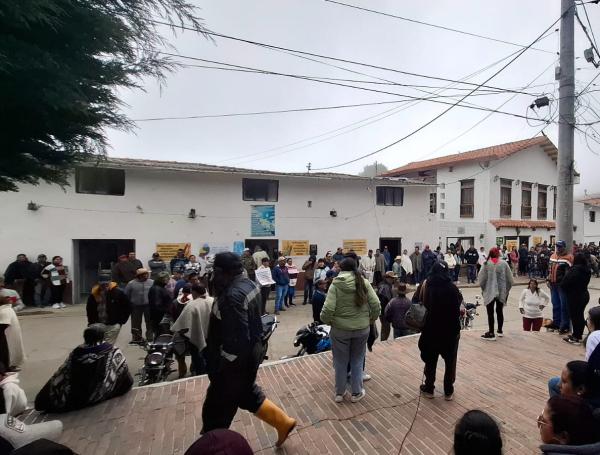
For the local mining community, the revocation is a victory of legality over what they term "arbitrary decision-making." Ivonne González, president of Asomineros Vetas, stated that the organization had long warned that the extension was pushed through without proper community consultation.

"As we warned when over 2,500 of us held a sit-in in Bogotá, policies made at the last minute and under a shadow of conflict of interest were destined to collapse," González remarked. She emphasized that the organization does not seek the destruction of the páramo, but rather the conclusion of a nine-year-long, unfinished delimitation process. "We are asking for the law to be fulfilled, for the uncertainty to end, and for a definitive, negotiated decision," she added.
The Perspective of the Comitè Santurbán
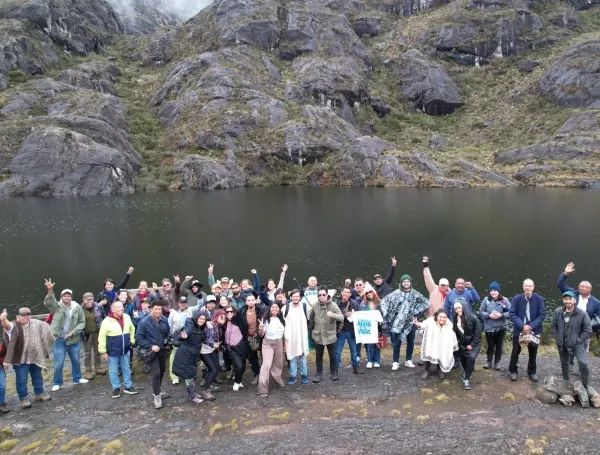
Conversely, the Comité Santurbán views the move as an act of environmental regression. In a blistering statement, the committee declared that the De La Espriella administration had "torn down" another layer of protection for the region.

The Committee’s primary concern is the looming threat of industrial-scale mining. They have pointedly noted that Aris Mining is expected to present its environmental license application next year. The committee has set a deadline of November 13 for the government to place a new, robust protective reserve for public consultation, threatening further mass mobilization if their demands are not met.

Implications: What Lies Ahead?
The legal status of the Santurbán Páramo is now effectively "frozen" in a pre-2026 state, which leaves significant room for interpretation.

- Regulatory Uncertainty: By returning to the 2025 resolution, the government has essentially hit the "reset" button on the planning process. While this may appease those who felt excluded from the 2026 extension, it raises questions about how the government intends to manage the territory in the long term without clear, updated boundaries.
- The Licensing Hurdle: The ANLA will now face immense pressure regarding the upcoming mining license applications. With the temporary reserve extension removed, the legal arguments against such licenses have become more complex to construct, potentially leading to a wave of judicial challenges.
- Social Stability: The tension in the towns of Soto Norte remains high. The threat of protests from the Comité Santurbán suggests that the issue will move from the halls of the Ministry of Environment to the streets of Bogotá and the rural pathways of Santander.
- Institutional Credibility: The government must now balance its stated commitment to sustainable development with the urgent need for economic growth. The appointment of an ad hoc minister for this specific case reflects the sensitivity of the issue, but it also underscores the difficulty of finding a middle ground that satisfies both the protection of the water supply and the livelihoods of the mining communities.
As the nation looks toward the November deadline set by environmental groups, the Santurbán region remains a litmus test for the current government’s environmental policy. Whether this revocation leads to a genuine, final delimitation or simply kicks the proverbial can down the road, one thing is certain: the waters of Santurbán will continue to be a source of intense national debate.

For more information on environmental policy in Colombia, subscribe to our weekly newsletter or follow our live updates on the El Tiempo app.