By: Editorial Investigative Unit
Date: September 26, 2026
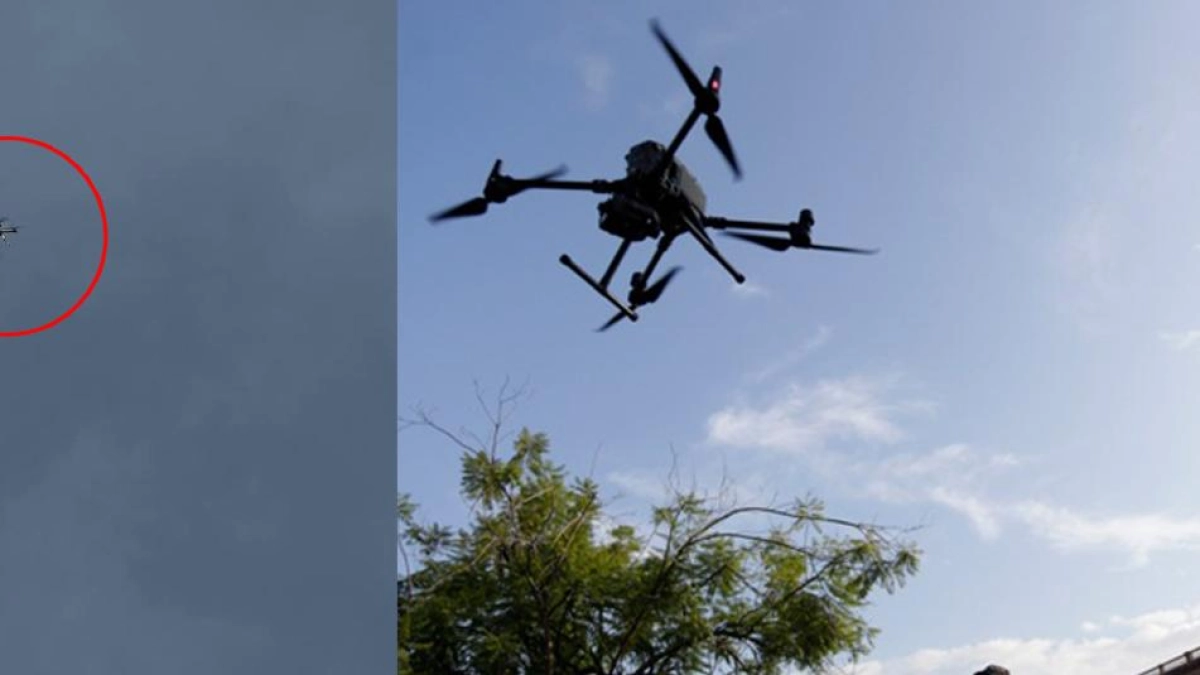
In less than three years, the landscape of the Colombian internal conflict has undergone a chilling transformation. Unmanned Aerial Vehicles (UAVs)—commonly known as drones—have evolved from rare, isolated anomalies in military intelligence reports to a core tactical component of the armed groups operating across the country. What began as a primitive experiment with two documented cases in 2023 has mutated into a pervasive threat, responsible for hundreds of attacks, dozens of casualties, and a complex clandestine supply chain that challenges the state’s security architecture.
The New Frontier of Asymmetric Warfare
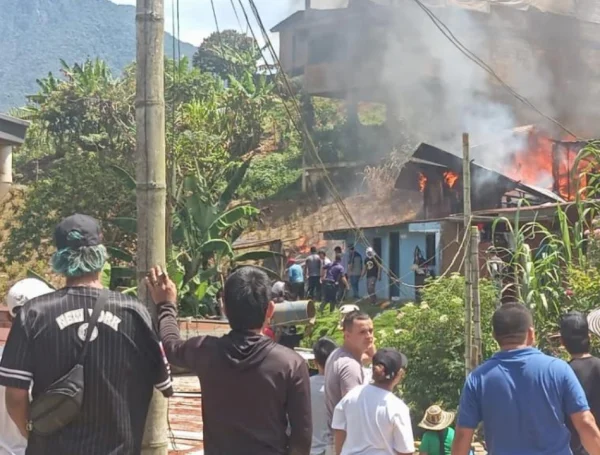
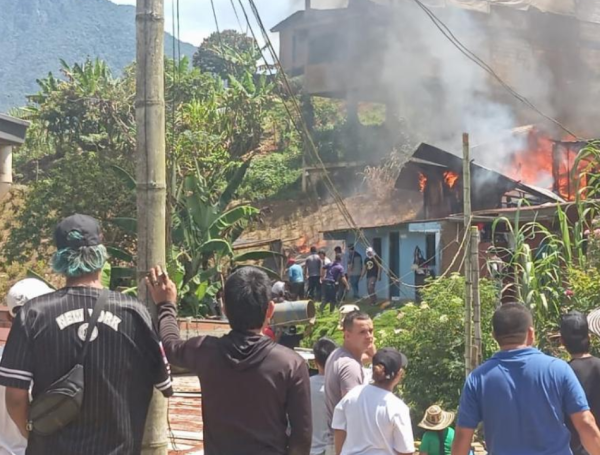
The most recent testament to this evolution occurred on the night of September 24, 2026, when members of the National Liberation Army (ELN) launched a drone-based strike against the Police station in Aguachica, Cesar. While the local governor confirmed that the assault resulted in significant material damage rather than loss of life, it underscored a grim reality: no fixed installation is immune.
Data obtained by this publication from the Public Force reveals that, as of September 15, 2026, authorities had registered 292 drone-related incidents this year alone. This figure is particularly alarming when compared to the 277 attacks recorded throughout the entirety of 2025. The mathematical trend is clear: Colombia is now facing an average of one drone attack every single day.

A Chronology of Escalation
The trajectory of this phenomenon is a study in rapid technological adaptation. The first recorded instance in the country occurred on July 21, 2023, in Puerto Guzmán, Putumayo, attributed to the "Comandos de Frontera." At the time, it was viewed as a localized incident. By 2024, the count surged to 119, and by 2025, it had more than doubled to 277.
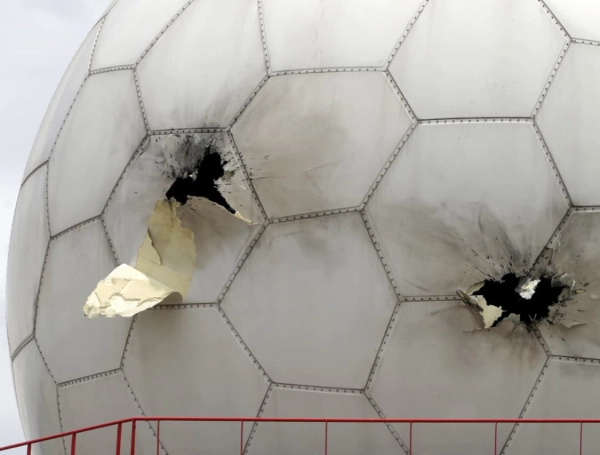
The year 2026 has witnessed a transition toward more sophisticated "kamikaze" tactics. On January 24, a strike in Patía, Cauca, involving a modified drone, was attributed to the "Carlos Patiño" structure—a dissident faction loyal to the alias "Iván Mordisco." The evolution of targets is equally concerning; on September 16, a device was directed against an Aerocivil radar in Candelaria, Valle del Cauca, signaling a shift toward targeting critical national infrastructure.

The Architects of the Aerial Threat
An analysis of the 292 incidents documented in 2026 reveals which organizations are spearheading this technological shift. The dissident structures of "Iván Mordisco" lead the list with 145 confirmed cases. The ELN follows with 119 incidents, while the faction known as "Calarca" and the "Comandos de Frontera" account for the remainder.
The growth of the "Iván Mordisco" faction’s drone capability is staggering. In 2025, they were linked to 237 events, compared to just 36 for the ELN. The data suggests that these groups are not only competing for territorial control but also for dominance in the "aerial" theater of war, investing heavily in the acquisition and modification of these systems.
The Human Cost of the Drone War
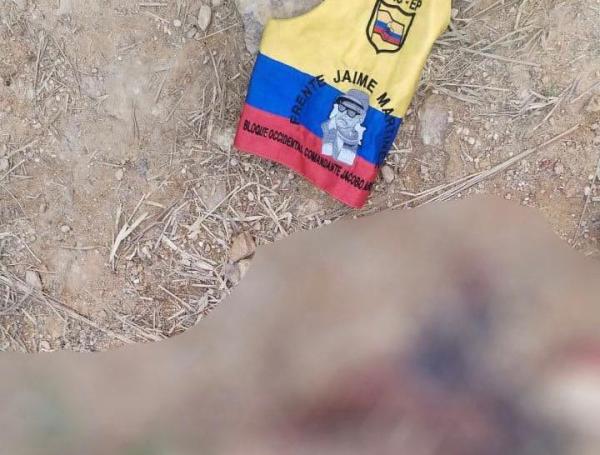
Behind the cold statistics of 292 attacks lie the lives of those affected by this lethal innovation. Between 2024 and 2026, the cumulative toll for the Public Force and the civilian population has been devastating:
- Military Personnel: 342 injured and 22 killed.
- Police Officers: 59 injured and 3 killed.
- Civilians: 55 injured and 6 killed (though independent NGOs estimate the civilian death toll could be as high as 12).
In total, 456 people have been wounded and 31 have perished as a direct result of drone-carried explosives. The geography of these attacks is heavily concentrated. The Armed Forces report that out of 688 total incidents involving their ranks, 243 occurred in the department of Cauca. Other hotbeds include Norte de Santander (45), Valle del Cauca (33), and Chocó (31).

Technological Sophistication: From 3D Printing to "Kamikaze" Kits
The transformation of these devices is no longer limited to strapping a grenade to a consumer-grade quadcopter. Expert analysts, including Milton Salazar, a professor of remotely piloted aircraft systems at the University of the Andes, point to the integration of 3D printing technology as the next phase of the threat.
"On platforms like YouTube, you can find step-by-step instructions on how to manufacture an entire airframe using a 3D printer," Salazar explains. "The armed groups are now printing the structural components and merely sourcing the motors, electronic speed controllers, and flight controllers from the commercial market."
This modular approach makes the weapons difficult to track. While the market-leading DJI drones remain popular due to their stability and ease of operation, the move toward "homemade" or hybrid drones allows insurgents to bypass the limitations of commercial hardware. These improvised systems are being engineered specifically for one-way, high-impact missions—the true definition of a kamikaze drone.
The Illicit Supply Chain: A Borderland Challenge
How are these sophisticated components entering a country under strict military control? Sources within the Public Force acknowledge that while customs authorities have become better at identifying dual-use technology, the smuggling routes are deeply entrenched.
"The same corridors used to traffic cocaine and illegal gold are now being utilized to move drone components," a security source revealed. The Catatumbo region, the department of Cauca, and the porous borders of Nariño and Putumayo are identified as the primary entry points for these electronics.
The logistical challenge is that these components—small motors, specialized batteries, and communication modules—are relatively innocuous items compared to high-caliber weaponry. They are often smuggled in small batches that easily blend into the vast flow of contraband crossing the borders daily. Once they arrive in the jungle or the mountains, the assembly process is carried out in decentralized, clandestine workshops.

The Human Capital: Training the Operators
One of the most concerning aspects of this evolution is the human factor. Modern drone operation does not require a traditional pilot’s license, nor does it require years of formal aviation training. Basic proficiency can be achieved through flight simulators and online tutorials, which are widely available.
Analysts warn of a dangerous trend: members of armed groups or hired facilitators are enrolling in legitimate drone piloting courses in major cities. They obtain certification and flight hours under the guise of hobbyists or agricultural operators, only to take that knowledge back to the front lines. This "knowledge transfer" allows groups to produce a steady stream of operators capable of navigating complex terrain to deliver payloads with surgical precision.

Implications and the Path Forward
The rise of the "drone-as-a-weapon" in Colombia forces a radical rethink of national security. Traditional defensive measures—such as hardened perimeters, watchtowers, and ground-based patrols—are insufficient against an enemy that strikes from the air with minimal warning.
The government is now under pressure to implement specialized electronic warfare capabilities, such as drone jammers and radar systems capable of detecting low-altitude, small-signature objects. However, these solutions are expensive and technically complex to deploy across a country with such diverse and challenging geography.

Furthermore, the diplomatic challenge of regulating the sale of components is monumental. As long as the global market provides easy access to the "building blocks" of these weapons, and as long as illicit corridors remain open, the skies over Colombia will remain a contested space.
The shift is not merely tactical; it is strategic. By incorporating drones, these armed groups have successfully leveled the playing field, creating a low-cost, high-impact deterrent that forces the state to expend significant resources on defense. As the conflict enters this new phase, the question is no longer whether these groups have the technology, but how the state will adapt to a war that is increasingly fought from above.