By Edwin Caicedo, Environmental and Health Correspondent
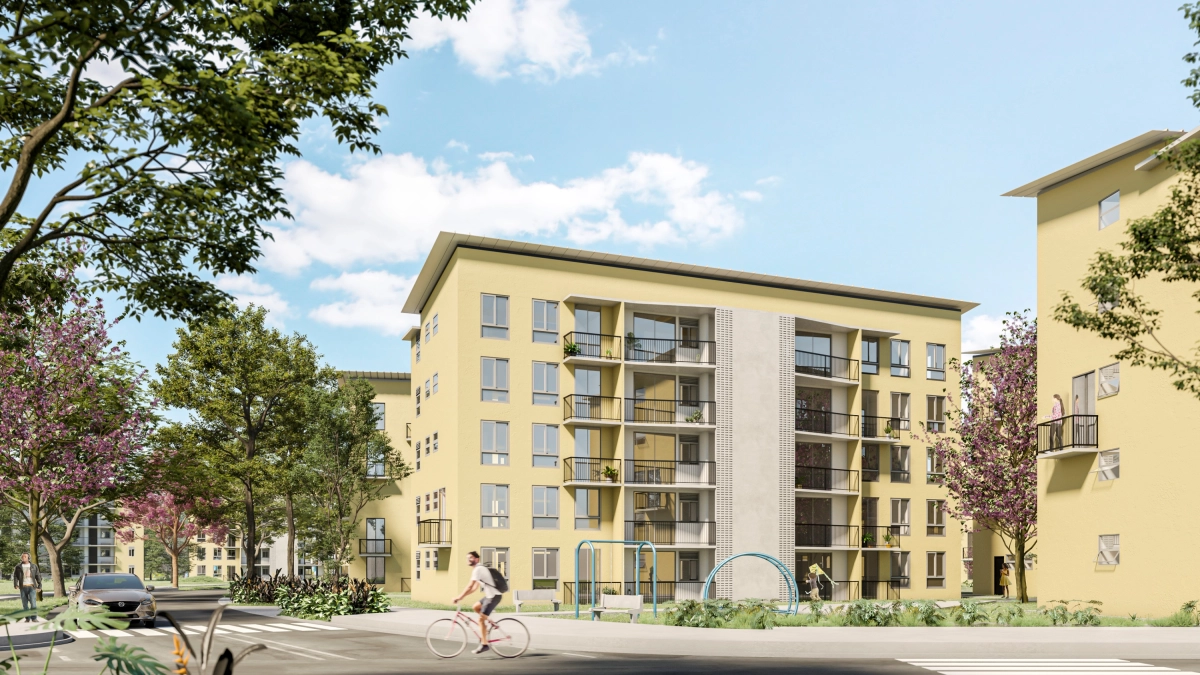
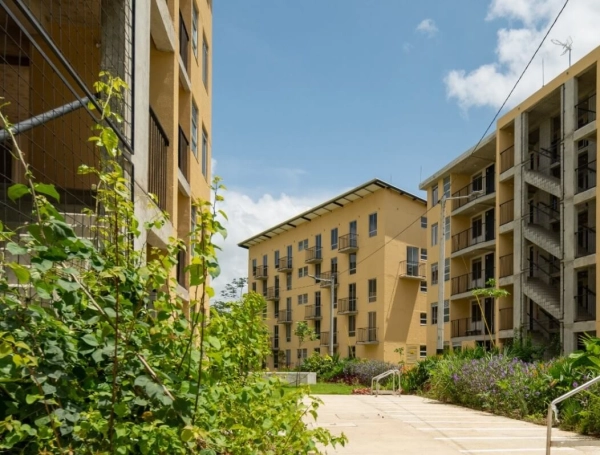
In the sweltering heat of Colombia’s Urabá region, a quiet revolution in architecture is taking place. In the municipality of Apartadó, a project known as "Jazmines 2" is challenging the traditional paradigm of housing development. Rather than prioritizing square footage or aesthetic minimalism, the project is testing a radical, nature-integrated model designed to combat the rising temperatures brought on by an increasingly volatile climate.
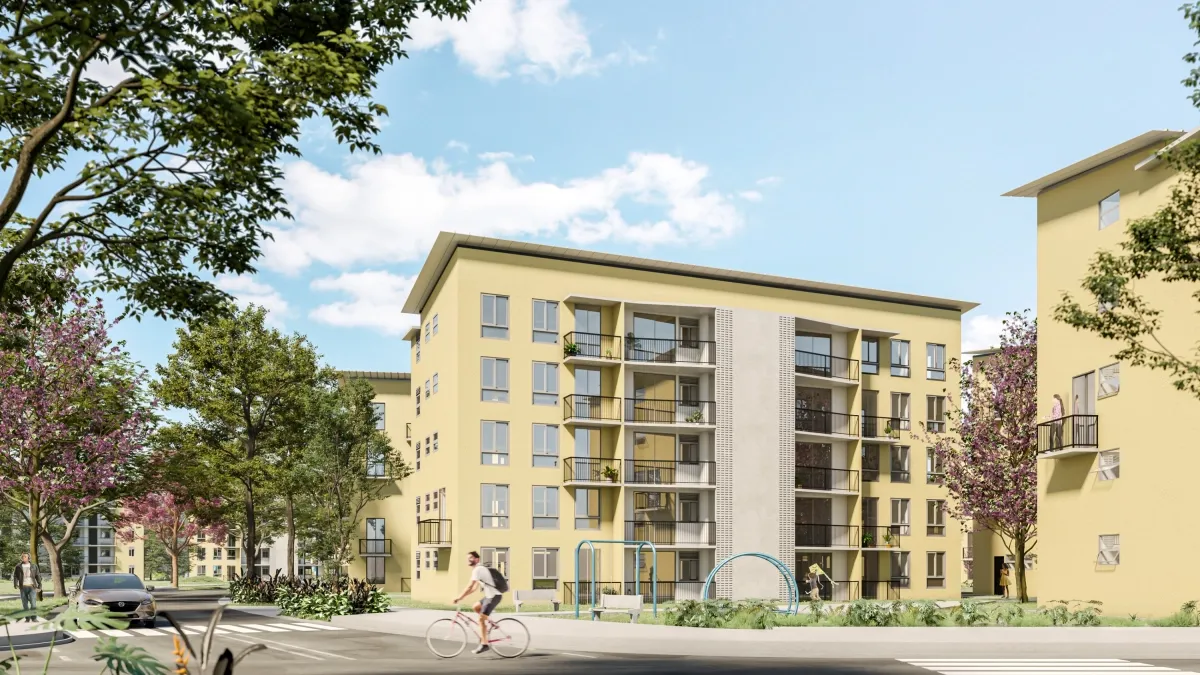
"The project is a garden with housing, not housing with a garden," says Ana Veliz, lead architect at Comfama. This statement captures the essence of a shift that is currently being tested across Latin America—a movement toward bioclimatic design that seeks to harmonize human habitation with the natural environment.
The Genesis of the Ceela Initiative
The project in Apartadó is not an isolated experiment. It is a flagship implementation of the Ceela Project (Strengthening Capacities for Energy Efficiency in Buildings in Latin America), an international initiative backed by the Swiss Agency for Development and Cooperation (Cosude).

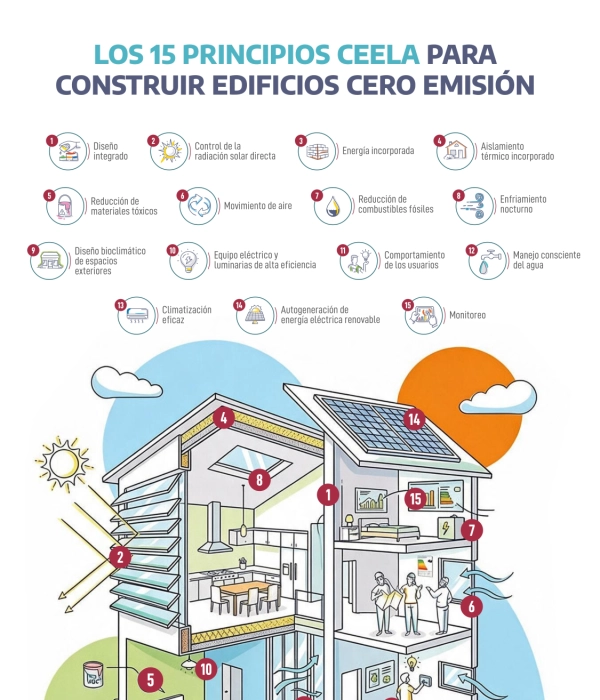
Operating in Colombia, Ecuador, Peru, and Mexico, Ceela aims to fundamentally redesign how we build for the future. As the climate crisis accelerates, the construction sector faces an existential challenge: how to build cities that are both resilient to extreme heat and carbon-neutral. Ceela approaches this by focusing on 15 core principles of energy efficiency and adaptive comfort, specifically tailored for warm, tropical climates.
The program prioritizes passive design over mechanical solutions. Instead of relying on energy-intensive air conditioning to combat high temperatures, Ceela-backed projects leverage orientation, natural ventilation, thermal insulation, and strategic shading to create comfortable living spaces.

Chronology of a Sustainable Transformation
The journey to the Jazmines 2 project began long before the first stone was laid.
- 2013: Comfama acquires the land in Apartadó, initiating a long-term urban development strategy aimed at providing high-quality social housing for the region.
- 2023: The master plan for the site, which encompasses a total of 1,300 units, reaches its third phase. The organization begins seeking innovative ways to improve thermal comfort for future residents in the notoriously hot Urabá climate.
- 2024: Through its partnership with the Ceela project, Comfama adopts the "Minergie Barrio" standard—a Swiss-developed methodology adapted for the Latin American context—to guide the development of 200 units within the Jazmines 2 complex.
- September 2026: As climate alerts regarding the "El Niño" phenomenon reach record highs, the progress of the Jazmines 2 project becomes a critical case study for regional urban planning.
- Early 2027: Anticipated delivery of the first apartments, marking a milestone for sustainable social housing in Colombia.
The Minergie Barrio Standard: Scaling Up from Building to Neighborhood
While many sustainability certifications focus solely on the energy efficiency of individual buildings, the Minergie Barrio standard takes a holistic approach. It treats the neighborhood as a single, living ecosystem.
"What is important and novel is that it looks at the neighborhood, not just the building," explains Veliz. This distinction is vital because a building’s impact on its environment—and the environment’s impact on the building—is dictated by its relationship to the surrounding public space, mobility corridors, and water management systems.
The standard evaluates projects across 19 requirements organized into five categories: greenhouse gas management, climate change adaptation, mobility, comfort, and neighborhood management. By integrating these elements, architects can create "micro-climates" within urban environments. For instance, by designing a street that encourages walking and cycling rather than vehicle traffic, the heat island effect is reduced. By using native vegetation instead of concrete-heavy landscaping, the soil’s ability to absorb water is improved, mitigating flood risks during heavy rains.
Supporting Data: Efficiency in a Warming World
The urgency of this initiative is underscored by recent data from the Institute of Hydrology, Meteorology and Environmental Studies (IDEAM). As of September 2026, there is a greater than 90 percent probability that the El Niño phenomenon will reach "very strong" intensity in the final quarter of 2026 and the first quarter of 2027. This cycle is projected to be one of the most intense in the last 76 years.
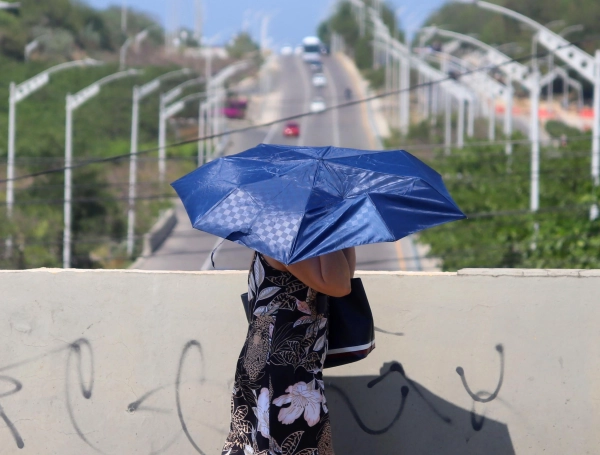
The implications for housing are clear. In a warming world, the standard "box-style" apartment, often characterized by poor cross-ventilation and heat-absorbing materials, is becoming increasingly unlivable without high energy consumption.

Ceela’s data suggests that simple, low-tech interventions can yield significant results:
- Reflective Materials: The use of high-albedo paint on roofs and terraces can reduce indoor temperatures by several degrees.
- Cross-Ventilation: By avoiding internal, closed-off corridors and designing "aerial streets" that allow air to flow through both sides of a dwelling, indoor temperatures remain naturally regulated.
- Thermal Mass and Insulation: Proper insulation prevents heat soak, ensuring that the thermal gain from the day does not linger into the night.
Official Perspectives: Shifting the Regulatory Framework
Antonio Espinoza, leader of model buildings for the Ceela project, emphasizes that the most significant innovations are not necessarily "high-tech" gadgets, but rather intelligent design decisions made at the start of the project.
"Architects, budget managers, and stakeholders analyze the site conditions together to determine which passive strategies can be incorporated," says Espinoza. This collaborative design process is the key to proving that sustainable, climate-adapted housing does not have to be more expensive than traditional construction.
The goal for the Ceela project is to use these pilots to influence public policy. In Colombia, the success of these models is already sparking interest in municipal regulations. For example, the city of Cali has already implemented the "Cali Sustainable Seal," which recognizes projects that adhere to strict efficiency and biodiversity criteria. To date, 12 projects have achieved this certification, signaling a growing appetite among developers for green, resilient housing.

Implications for the Future of Urban Living
The true test of the Jazmines 2 project lies in its replicability. If 200 social housing units in Apartadó can prove that comfort and climate resilience are not luxuries for the wealthy, but necessities for all, the impact will be profound.
The design of Jazmines 2 removes the traditional "closed-off" unit architecture. Instead, it creates an open, porous structure where nature is not just a decorative element, but a functional component of the building’s infrastructure. By incorporating trees for shade and gardens for water absorption, the neighborhood creates a buffer against the harsh climate of the Urabá region.

However, the challenge remains: can this model be scaled to meet the massive housing deficit in Latin America?
"The community, the neighborhood, is what takes care of the area," says Veliz. Her philosophy suggests that sustainable housing is about more than just physics and building materials; it is about fostering a sense of shared responsibility for the environment.

As Colombia prepares for a period of extreme climatic volatility, the questions raised by the Jazmines 2 project are becoming increasingly relevant. If the climate for which our cities were built no longer exists, we must fundamentally alter how we conceive of our homes.
The project in Apartadó serves as a beacon, reminding developers, urban planners, and governments that the path forward involves less concrete, more nature, and a return to the basic principles of design that work with, rather than against, the natural world. Whether this model becomes the standard or remains a singular experiment will depend on the willingness of the sector to embrace a paradigm shift where the house is no longer an object, but a participant in the local ecosystem.