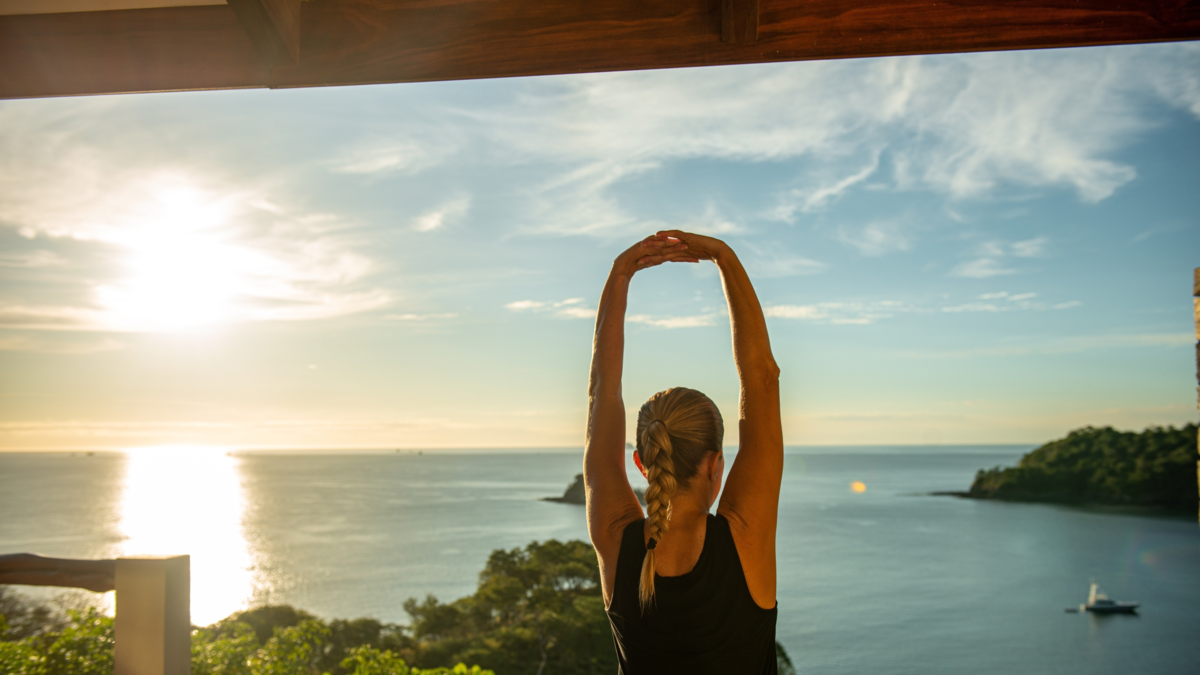
The global hospitality sector is undergoing a profound structural evolution, driven by a paradigm shift in how consumers perceive health, aging, and travel. Longevity is no longer defined merely as extending human lifespan, but rather as optimizing healthspan—the capacity to live longer, healthier, and more fulfilling lives. Consequently, contemporary travelers are increasingly unwilling to abandon their health routines while away from home.
Instead of treating vacations or business trips as a pause on wellness, guests now expect hotels to actively facilitate healthy habits. This consumer-driven transformation is moving the hospitality industry away from exclusive, high-cost luxury wellness retreats toward accessible, everyday health practices.
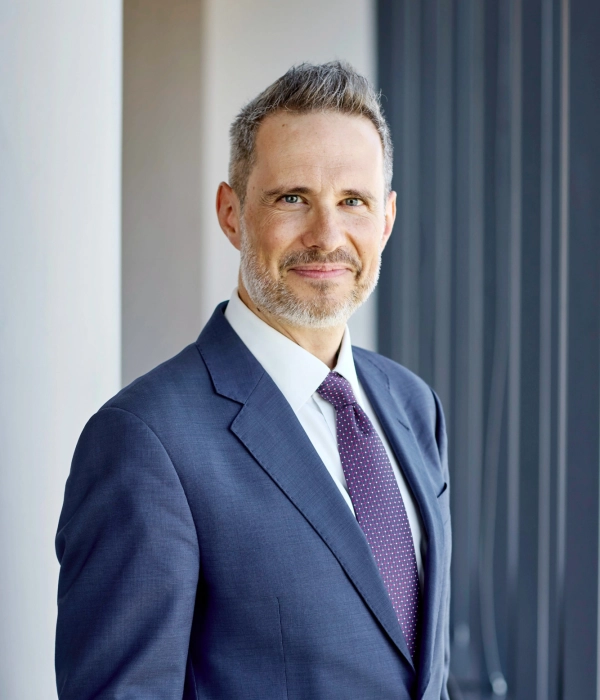
At the center of this movement is Accor’s midscale and economy brand, Novotel, which has rolled out a global initiative dubbed "Longevity Everyday." To understand the mechanics of this shift, EL TIEMPO spoke exclusively with Jean-Yves Minet, Global President of Accor’s Midscale & Economy Brands. According to Minet, the future of hospitality does not lie in piling on complex, luxury medical-spa interventions, but in perfecting the essentials: restorative sleep, nutritious food, physical movement, and genuine human connection.
Chronology of a Wellness Evolution
To grasp how hotels became ground zero for the longevity movement, it is necessary to trace the timeline of consumer wellness trends over the past decade:
The Era of Extreme Luxury (Pre-2020): Historically, wellness in the hospitality space was siloed. Hotels relegated health to high-end spas, heavily equipped fitness centers, and specialized wellness resorts. These services were typically expensive, isolated from the core guest experience, and treated as an occasional indulgence rather than a daily necessity.
The Pandemic Awakening (2020–2022): Global health disruptions catalyzed a macro-shift in consumer behavior. Lockdowns and heightened health awareness forced individuals to re-evaluate their daily habits. Preventative health, mental well-being, and personal resilience transitioned from niche lifestyle choices to mainstream priorities.
The Post-Pandemic Travel Surge (2023–2024): As global tourism rebounded, travelers began expressing dissatisfaction with the disruptive nature of travel. Jet lag, poor dietary options on the road, interrupted sleep schedules, and isolation made traveling feel detrimental to personal wellness rather than restorative.
Mainstreaming Longevity (2025–2026): Longevity broke free from gerontology and biohacking circles to become a cultural philosophy. Consumers shifted their focus from superficial fitness metrics to long-term vitality.
The Institutional Pivot (September 2026): Recognizing this behavioral pivot, major hospitality players began codifying longevity into their global operational frameworks. A prime example is Novotel’s launch of the inaugural Novotel Longevity Week (held from September 7 to 13, 2026), marking a systemic effort to embed daily longevity pillars across more than 630 properties in 70 countries.
Supporting Data: What the Numbers Reveal
Recent global market research underscores just how deeply ingrained this desire for wellness has become among modern travelers. Proprietary data shared by Novotel from consumer studies conducted in late 2026 reveals striking statistical insights:
71% of global consumers report being significantly more interested in their future wellbeing and healthspan today than they were five years ago.
76% of respondents explicitly state a desire to adopt and maintain a healthier lifestyle.
The Restorative Window: Over half of surveyed travelers noted that while vacations temporarily induce relaxation, the positive biological and psychological buffer of a trip lasts, on average, for nearly six days after returning home. This finding presents a golden opportunity for hotels: properties that actively nurture guest wellness can extend this positive physiological "afterglow."
Cross-Cultural Disparities in Wellness Intentions:
Brazil: 90% express a desire for a healthier lifestyle.
China: 87% express the same desire, with 84% reporting that they regularly achieve at least seven hours of sleep.
France: 64% desire a healthier lifestyle, while 44% report feeling relaxed while traveling.
United States: 63% express a desire for lifestyle improvements, but only 49% consistently achieve seven hours of sleep, and just 31% report feeling genuinely relaxed while traveling.
United Kingdom & Thailand: 56% (UK) and 58% (Thailand) report feeling relaxed while traveling.
These discrepancies demonstrate that a monolithic, one-size-fits-all approach to hotel wellness is obsolete. Global hospitality brands must tailor their wellness frameworks to address regional sleep deficits, stress levels, and cultural attitudes toward health.
Official Responses: Insights from Jean-Yves Minet
In his interview with EL TIEMPO, Jean-Yves Minet articulated the strategic philosophy guiding Accor’s midscale and economy brands through this transition.
When asked about how changing consumer definitions of health are impacting hotel expectations, Minet emphasized that the goal is no longer mere survival or basic relaxation, but active vitality.
"We are seeing a fundamental shift in the way people understand wellbeing," Minet stated. "The aspiration is no longer simply to add more years to life, but to make those years healthier, fuller, and happier. Our research shows that 71 percent of people are more interested in their future wellbeing than five years ago, and 76 percent want to lead a healthier lifestyle."
Addressing the shift away from elite, expensive wellness trends, Minet argued that true longevity is rooted in simplicity rather than medical extremes:
"Wellbeing shouldn’t be something reserved for a luxury spa or an occasional retreat. The habits that have the most impact are usually the simplest: sleeping well, eating better, staying active, and sharing quality time with others. Longevity Everyday is not about extreme wellness, costly interventions, or drastic lifestyle overhauls. It’s about small, positive habits that can be realistically incorporated into daily life and sustained over time."
Minet also detailed the logistical hurdles hotels face. Travel inherently disrupts human biology—distorting circadian rhythms, shifting dietary habits, breaking exercise consistency, and separating individuals from their community networks.
"This makes the environment we create as a hotel incredibly important," Minet explained. "If we understand that these everyday habits matter, we can make it easier for guests to maintain them while traveling, rather than asking them to put their wellbeing on pause until they return home. That is both a responsibility and a massive opportunity."
To operationalize this philosophy, Minet pointed to the launch of Novotel Longevity Week, which focused on four foundational pillars: nutrition, sleep, movement, and human connection. Rather than dictating how guests should live, the initiative aims to make healthy choices intuitive and frictionless.
Implications for the Future of Hospitality
The integration of longevity into everyday travel infrastructure carries profound implications for hotel developers, architects, and operators worldwide.
1. The Redefinition of Hotel Amenities
The traditional hotel gym—often a windowless basement room with a treadmill and a set of dumbbells—is no longer sufficient. Future hotel design will likely prioritize natural light, air-purification systems, circadian lighting design in guest rooms to optimize sleep hygiene, and active architectural spaces that encourage natural movement (such as dynamic stairwells and walking paths).
2. Culinary Evolution
Room service menus and hotel restaurants are shifting away from heavy, processed, calorie-dense foods toward functional nutrition. Sourcing local, sustainable, and gut-healthy ingredients will become a baseline expectation rather than a premium selling point.
3. Fostering Genuine Human Connection
As digital isolation and burnout rise, hotels are uniquely positioned to serve as community hubs. For business travelers, this means redesigning meetings to incorporate physical movement, collaborative pauses, and networking opportunities that go beyond forced corporate socializing. For families, it means curating spaces that foster shared learning and play.
4. Scalability Over Exclusivity
Perhaps the most critical implication is democratization. By embedding longevity into midscale and economy brands—as Accor is doing across its global network of over 630 properties—wellness ceases to be an exclusive luxury for the ultra-wealthy. It becomes a universal standard accessible to the everyday traveler.
As Jean-Yves Minet concluded:
"The future of hospitality does not consist in asking guests to do more, but in making it easier for them to take care of themselves and feel good, wherever they happen to be."
Stay informed on all lifestyle and wellness trends by subscribing to EL TIEMPO’s weekly newsletter or following our updates across digital and social platforms.
TOCANCIPÁ, COLOMBIA — In a vibrant display of cultural heritage, artistic mastery, and community resilience, the municipality of Tocancipá has officially opened its doors to the XXVI Festival de la Colombianidad. This year’s edition carries…
By Igor Galo Vienna, Austria — Long before it became a modern capital grappling with contemporary tourism management, Vienna was the heartbeat of the vast Austro-Hungarian Empire. This legacy has endowed the city with a…
BOGOTÁ, COLOMBIA — The bicycle has long evolved beyond its rudimentary definition as a simple mode of transport. Today, it serves as a lifestyle, an ecological statement, and an immersive lens through which urban explorers…