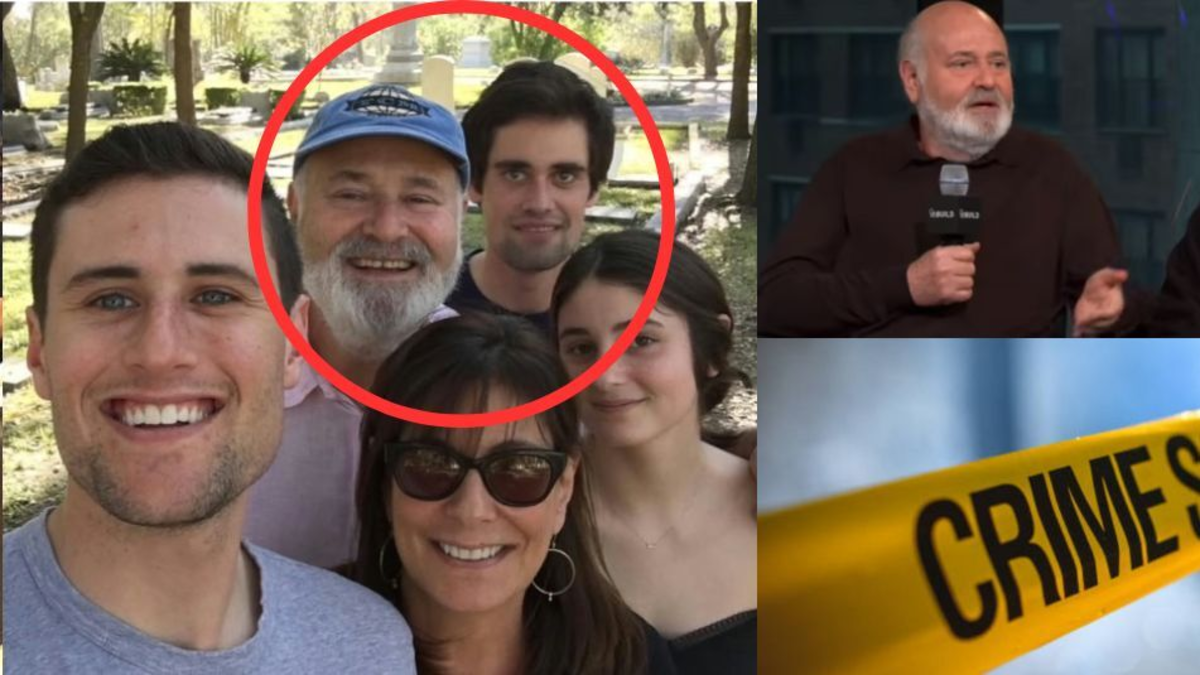
LOS ANGELES — In a high-profile legal case that has deeply shaken Hollywood and communities across the United States, the District Attorney of Los Angeles County, Nathan Hochman, has officially announced that his office will not pursue the death penalty against Nick Reiner. The 33-year-old stands accused of the brutal, premeditated murders of his parents, the acclaimed entertainment industry veteran and director Rob Reiner and his wife, Michele Reiner.
The decision, delivered following an exhaustive review of both aggravating and mitigating factors, spares the younger Reiner from capital punishment. Should he be convicted of the charges he faces, the maximum sentence he will receive is life imprisonment without the possibility of parole.
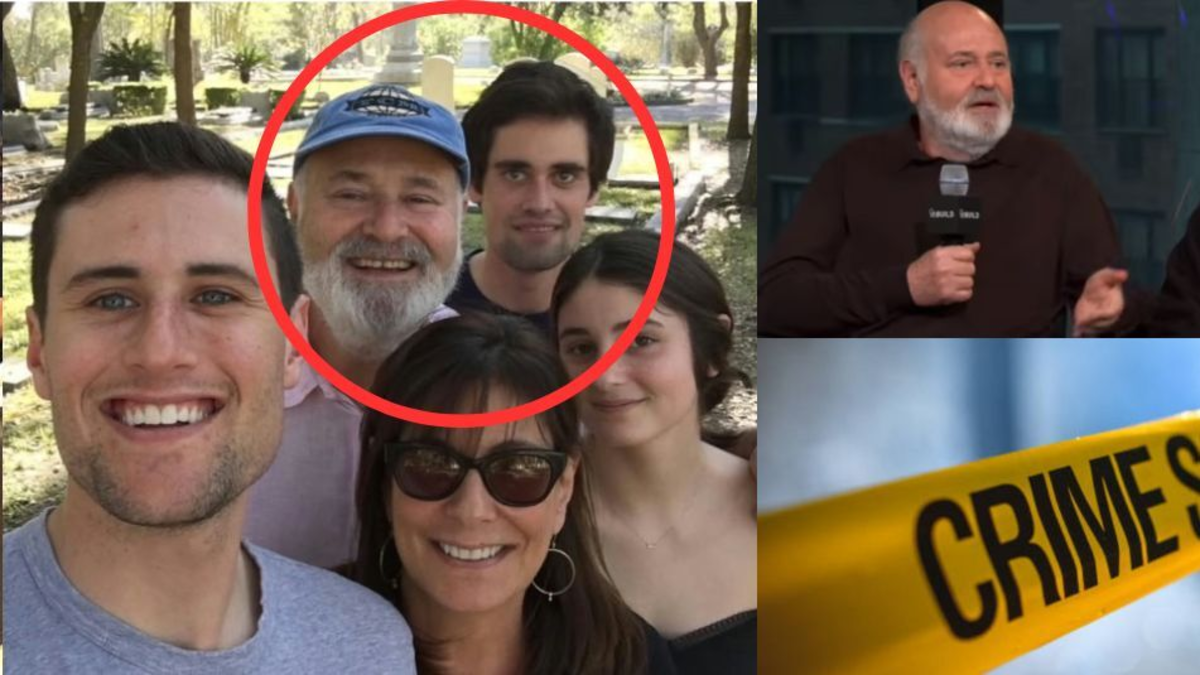
The announcement brings a slight sense of legal clarity to a deeply complex family tragedy marked by severe mental illness, public struggles with addiction, and the profound grief of surviving family members who have had to mourn in the relentless glare of the international spotlight.
Main Facts of the Case
The foundational details of the tragedy trace back to a quiet residential street in Brentwood, one of Los Angeles’s most affluent neighborhoods. On December 14, 2025, police and emergency services responded to a distress call at the Reiner family residence, where they discovered the lifeless bodies of Rob and Michele Reiner. Both victims had suffered multiple stab wounds in what investigators later characterized as a targeted and violent attack.

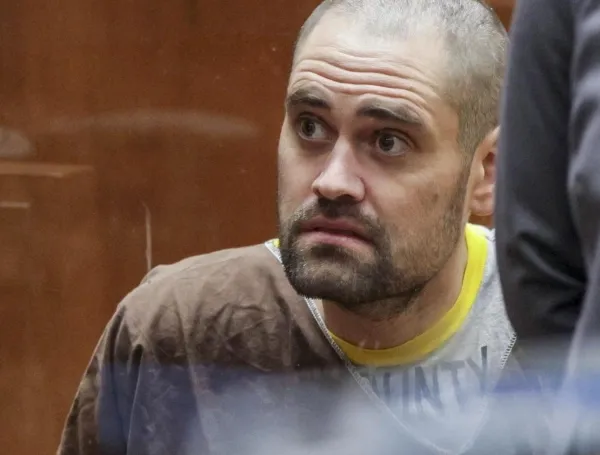
Nick Reiner, the 33-year-old son of the couple, was swiftly identified as the prime suspect. He was taken into custody shortly after the incident and has since been held without the option of bail.
During subsequent court appearances, Reiner formally pleaded not guilty to two counts of first-degree murder with special circumstances. The charges brought forward by the prosecution include allegations of lying in wait—commonly referred to as stalking—and the personal use of a deadly weapon during the commission of the crime.

Despite the overwhelming nature of the evidence and the high-profile status of the victims, the legal proceedings have rapidly pivoted from a question of guilt to a complex examination of mental health, family dynamics, and institutional accountability within the American justice system.
Chronology of Events and Legal Proceedings
Understanding the full scope of the Reiner case requires tracing a timeline that moves from private family struggles to a public legal battle unfolding inside Los Angeles courtrooms.
- Years Prior to 2025: Nick Reiner battles severe substance addiction, a struggle he has previously discussed in public forums. Concurrently, he exhibits signs of psychological distress, eventually leading to a formal medical diagnosis of schizophrenia and specialized psychiatric treatment.
- December 14, 2025: Rob and Michele Reiner are found murdered inside their Brentwood home, having sustained fatal stab wounds. Nick Reiner is arrested as the sole suspect.
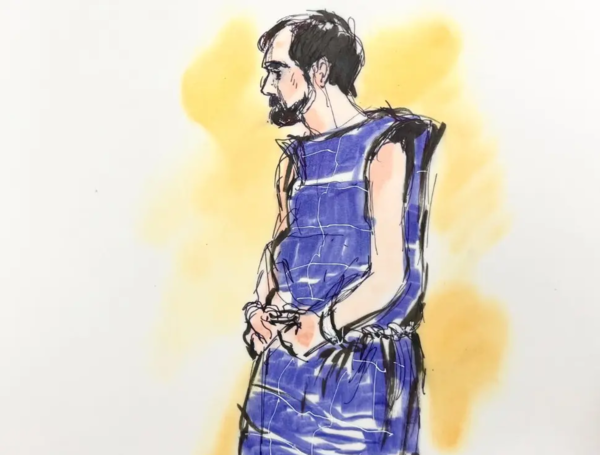
- December 2025 – April 2026: Legal maneuvers begin. Nick Reiner appears in court wearing a designated anti-suicide garment, highlighting his precarious mental health state. Meanwhile, media outlets begin piecing together his movements prior to the arrest, including footage showing him purchasing a beverage with an apparent lack of affect shortly after the time of the alleged crimes.
- August 2026: A Los Angeles grand jury officially hands down an indictment against Nick Reiner on two counts of first-degree murder.
- April 2026: Jake Reiner, the oldest brother of the accused, breaks his silence by publishing an emotional personal essay. In the text, he details the agonizing reality of losing his parents, celebrates their lives and legacy, and pointedly omits any mention of his brother.
- September 15, 2026: District Attorney Nathan Hochman holds a press briefing ahead of a scheduled court hearing, announcing that the state will officially drop the death penalty from consideration, limiting the maximum penalty to life without parole.
Official Responses and Judicial Decisions
The decision by District Attorney Nathan Hochman to forgo the death penalty was not made in a vacuum. According to statements reported by Los Angeles Times and CNN en Español, Hochman emphasized that the choice was the result of a deliberate, multi-layered evaluative process.
"We have carried out a comprehensive review in which we analyzed both the aggravating and the mitigating factors," Hochman stated prior to the September court appearance. "We have spoken with the families of the victims, with prosecutors and law enforcement forces, and we have worked with the senior members of the district attorney’s office."

Hochman noted that after weighing every variable—including the defendant’s documented history of severe mental illness—the office concluded that pursuing capital punishment was neither appropriate nor necessary to achieve justice. Instead, locking the defendant away for the remainder of his natural life without parole adequately addresses public safety concerns.
Concurrently, the legal system has faced battles regarding transparency versus the privacy of the surviving family. During subsequent hearings, defense attorneys petitioned to keep grand jury transcripts and related investigative documents sealed from public view. This request found unexpected and powerful support from the victims’ other children, Jake and Romy Reiner.

Representing the siblings’ perspective, prosecutors noted that Jake and Romy expressed a "strong desire" for the documents to remain sealed, citing the profound "trauma and additional damage" that public dissemination would inevitably inflict upon them as they continue to grieve.
Supporting Data and Background: A Hollywood Legacy and Personal Demons
To fully grasp the magnitude of the case, observers must look at the immense cultural footprint left by Rob Reiner and the devastating contrast of his private family life.
Rob Reiner was a towering figure in American cinema and television. Rising to early fame as an actor playing Michael "Meathead" Stivic on the landmark 1970s sitcom All in the Family, he transitioned behind the camera to direct some of the most enduring and beloved cinematic classics of the late 20th century. His directorial filmography reads as a masterclass in versatility and cultural impact:
- This Is Spinal Tap (1984), a pioneering mockumentary that redefined comedy.
- Stand by Me (1986), a poignant coming-of-age drama based on a Stephen King novella.
- The Princess Bride (1987), an enduring fantasy-adventure classic beloved by generations.
- When Harry Met Sally… (1989), one of the defining romantic comedies in cinematic history.
- A Few Good Men (1992), a gripping courtroom drama that earned multiple Academy Award nominations.
Michele Singer Reiner, his wife, was a talented photographer and activist who shared a deeply collaborative and public-facing life with her husband. Together, they cultivated a world of artistic creation, philanthropy, and industry respect.

In contrast, their son Nick’s life was shadowed by internal struggles. Public records and prior statements indicate that Nick spent years battling severe drug addiction. More critically, he was diagnosed with schizophrenia, a debilitating psychiatric disorder characterized by distortions in reality, hallucinations, and cognitive disruption. Reports from medical professionals and close sources indicate that at the time of the December 2025 murders, Nick was actively navigating a severe psychiatric crisis, a factor that defense teams are certain to center in upcoming trial arguments regarding his mental state and culpability.
Societal and Legal Implications
The decision in the State of California versus Nick Reiner touches on several broader legal, ethical, and cultural debates that extend far beyond the borders of Los Angeles County.

1. The Intersection of Mental Illness and Capital Punishment
The choice by DA Nathan Hochman highlights an ongoing evolution in how prosecutors evaluate capital cases involving defendants with severe, documented mental illnesses. While a diagnosis of schizophrenia does not automatically preclude a conviction or mean a defendant is legally insane under strict criminal definitions, it often functions as a powerful mitigating factor. Prosecutors increasingly recognize that public consensus, jury willingness, and constitutional standards around cruel and unusual punishment shift when dealing with individuals whose cognitive processing was severely impaired by organic brain disease.
2. The Burden on Surviving Family Members
High-profile criminal cases frequently turn into media spectacles, turning private grief into public consumption. The plea from Jake and Romy Reiner to keep grand jury documents sealed brings to light the ethical responsibilities of the judicial system toward secondary victims—the siblings who lost both parents to violence and are now forced to watch their brother stand trial for the act. Their struggle underscores the delicate balance between the public’s right to know and the psychological protection of trauma survivors.

3. The Stigma of Addiction and Mental Health Disorders
For years, Nick Reiner’s life played out against the backdrop of well-known struggles with substance abuse. The tragic culmination of these issues forces a sobering societal conversation about the gaps in the mental health and addiction treatment infrastructures in the United States. While substance abuse and schizophrenia are distinct conditions, they frequently co-occur, creating complex dual-diagnosis scenarios that families, medical professionals, and legal systems are often ill-equipped to manage until catastrophe strikes.
As the legal proceedings continue, the focus will inevitably shift toward pre-trial motions, the handling of sensitive evidentiary documents, and the eventual presentation of psychological evaluations in court. For the entertainment community and the public at large, the memory of Rob and Michele Reiner remains tied to their creative legacy, even as the judicial system works to bring finality to a deeply painful chapter.