Introduction: A Polarizing Figure Faces a Security Shift
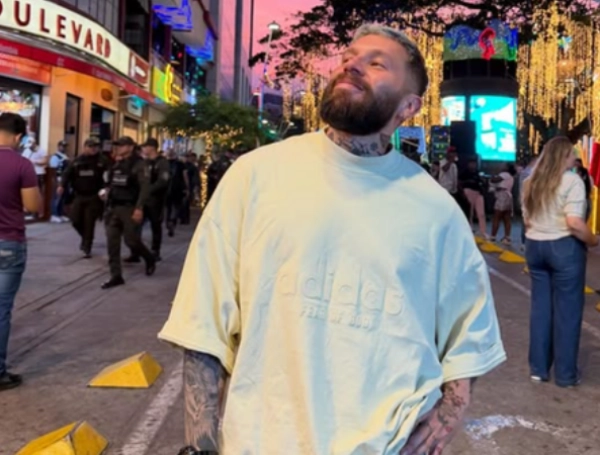
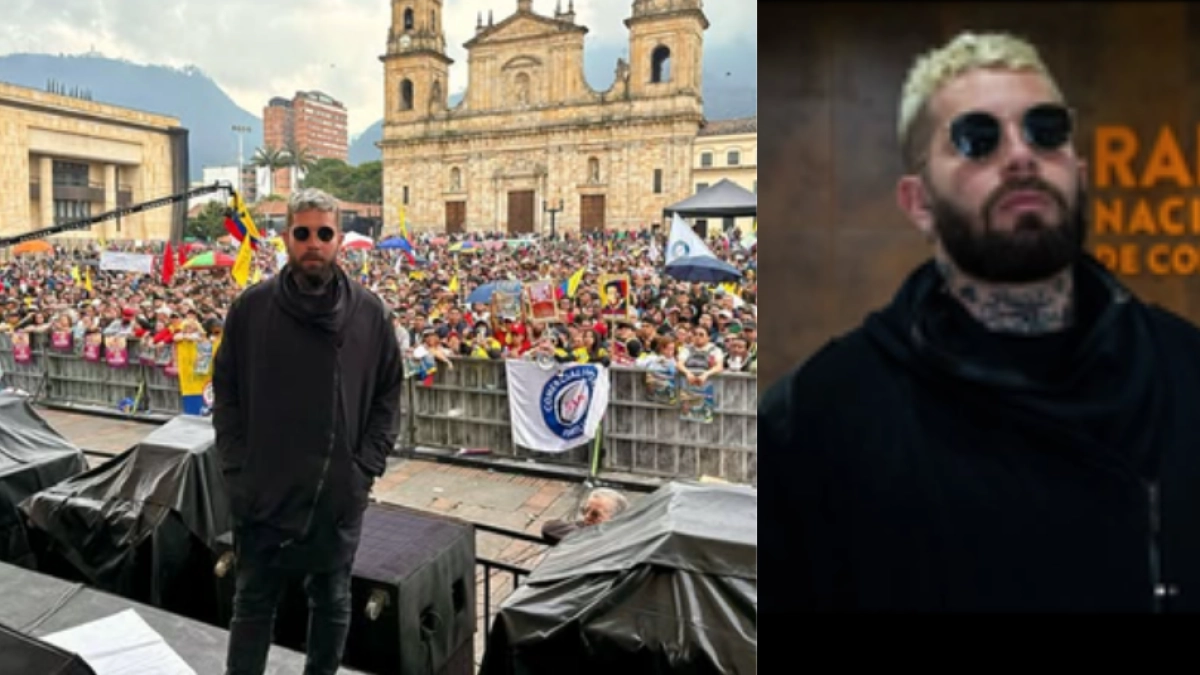
In the volatile landscape of Colombian digital activism, few voices resonate as loudly—or as divisively—as that of Levy Rincón. Known for his acerbic wit, unapologetic support for the current government, and a confrontational style that blends political commentary with satire, Rincón has become a fixture in the country’s online political discourse. However, on September 13, 2026, the narrative surrounding the influencer shifted from his provocative content to his personal safety.
The National Protection Unit (UNP), the state agency tasked with safeguarding individuals at risk due to their public activities, announced the suspension of the security detail assigned to Rincón. This decision, which effectively leaves the creator without his two government-assigned bodyguards and specialized vehicle, has sparked a firestorm of debate regarding the criteria for state protection, the politicization of risk assessments, and the vulnerability of digital journalists in an increasingly polarized nation.
The Facts: What We Know About the Suspension
According to information disseminated by Rincón himself via his social media channels, the UNP officially notified him of the withdrawal of his security measures. Until the implementation of this directive, Rincón had been protected by a detail comprising two armed escorts and a conventional vehicle—a standard level of protection for individuals deemed to be at "extraordinary risk."
Rincón did not remain silent. Within hours of the notification, he took to his X (formerly Twitter) account to denounce the decision. He explicitly categorized the agency’s new risk evaluation as an "express" process—implying that the assessment was rushed, potentially biased, or lacking the depth required to account for the specific threats he claims to face.

"They have stripped me of my security after years of documented threats," Rincón stated, pointing to a history of intimidation, attempted attacks, and alleged plots against his life in major urban centers such as Bogotá and Cali. For his followers, the move is seen as an act of political retaliation; for his detractors, it is viewed as a long-overdue optimization of state resources.
Chronology of a Digital Rise and Security Struggle
To understand the gravity of this development, one must look at the trajectory of Levy Rincón as a public figure.
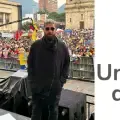
The Origins (2019–2020)
Born on January 7, 1988, Rincón emerged from the anonymity of the average citizen to become a household name in the digital sphere. He launched his YouTube channel in December 2019, but it was in March 2020—at the onset of the global pandemic—that he published his first video content. This timing was pivotal; as the country went into lockdown, the reliance on digital information skyrocketed, and Rincón’s brand of aggressive, opinion-heavy political critique found a captive audience.
The Escalation of Influence
Between 2020 and 2024, Rincón transitioned from a novice creator to a dominant voice. His content style is characterized by:
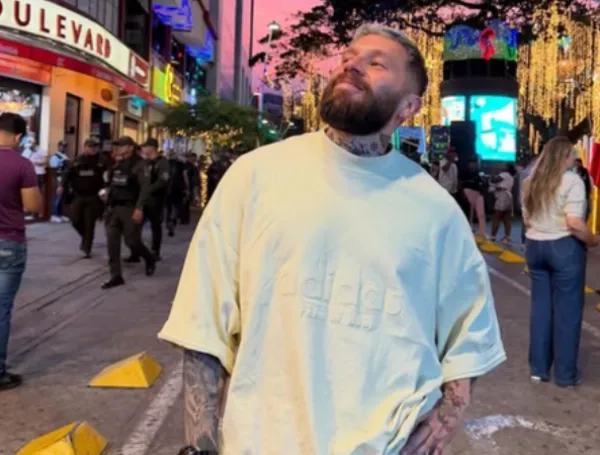
- Satire and Humor: Using irony to dismantle political opponents.
- Colloquial Language: Bridging the gap between elite political jargon and the vernacular of the average Colombian.
- Direct Confrontation: Avoiding neutral ground and explicitly picking sides, which helped him build a fiercely loyal community but also earned him powerful enemies.
The Security Dilemma
As his influence grew, so did the threats. Over the last four years, Rincón’s security profile was reviewed annually. Historically, these evaluations consistently determined that he remained in a state of "extraordinary risk." This classification was based on concrete intelligence regarding threats to his physical integrity, linked to his high-profile interviews and investigations into corruption and political mismanagement. The sudden reversal of this status by the UNP in late 2026 marks a significant break from previous administrative findings.
Analyzing the "Express" Risk Assessment
The term "express study" used by Rincón to describe the UNP’s decision is at the heart of the current controversy. In the context of Colombian bureaucracy, an "express" assessment implies a departure from the rigorous, multi-factor analysis usually employed by the Committee for Risk Assessment and Recommendation of Measures (CERREM).
Typically, a risk assessment includes:
- Direct Threat Verification: Analyzing intercepted communications or physical evidence of stalking.
- Environmental Context: Assessing the political climate of the regions the subject frequents.
- Vulnerability Factors: Analyzing the subject’s public profile and the nature of their work.
By claiming the process was expedited, Rincón is effectively challenging the technical transparency of the UNP. This raises a broader question: Is the state agency becoming a tool for political pressure, or is it simply attempting to audit a security system that has become bloated and inefficient?
Implications: The Safety of Digital Journalists
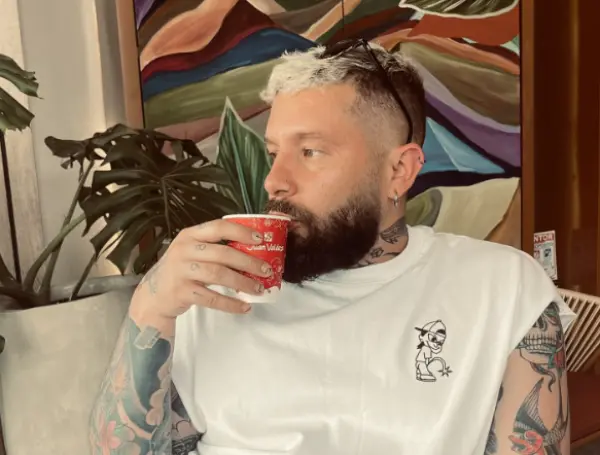
The case of Levy Rincón brings the issue of "digital protection" to the forefront. Unlike traditional journalists who work for established media houses, digital creators often operate in a legal gray area regarding state protection.
The Vulnerability of Online Voices
Digital activists are frequently subjected to doxing, death threats, and online harassment that often escalates into physical danger. Because they lack the corporate infrastructure of a newspaper or TV station, they often rely entirely on state protection (the UNP) to survive. If that protection is withdrawn based on subjective political evaluations rather than objective security metrics, the "chilling effect" on free speech could be profound.

The Accusations Against Public Figures
In his public outcry, Rincón did not mince words. He publicly accused several figures, including Didier Blanco, Jesús Alejandro Barrera, and prominent lawyer/politician Abelardo De La Espriella, of being involved in the climate of hostility surrounding his work. These accusations have escalated the conflict, turning a purely administrative decision by the UNP into a public feud that involves high-profile litigation and social media warfare.
Official Responses and Bureaucratic Stagnation
As of the current date, the UNP has maintained a relatively low profile regarding the specific details of Rincón’s case, citing data protection and national security protocols. However, the agency is under immense pressure to justify its decision.

The UNP has been embroiled in several scandals over the past year—ranging from corruption allegations within the agency to the misuse of vehicles by protected individuals. The decision to cut Rincón’s security may be part of a larger mandate to "clean up" the roster of beneficiaries. However, critics argue that the agency should not be using the "optimization" of resources as a pretext to silence or endanger critics of the establishment.
The Political Landscape: A Nation Divided
The controversy surrounding Rincón is a microcosm of Colombia’s polarized political environment. The "Petrista" movement (followers of the current administration), of which Rincón is a vocal supporter, views this move as a direct attack on the freedom of the press and an attempt to intimidate those who hold power to account.
Conversely, those on the opposing side of the political spectrum argue that influencers should not receive state-funded security simply for being loud, and that the UNP’s resources are being squandered on individuals who invite controversy by design. This dichotomy ensures that the Rincón case will not be settled in a courtroom alone; it will be fought in the court of public opinion.
Conclusion: What Happens Next?
The withdrawal of Levy Rincón’s security detail is a test case for the UNP and the current administration. If Rincón is harmed, the state will be held directly accountable for ignoring his documented history of threats. If, however, the assessment proves to be accurate, it will serve as a precedent for the state to prune its security list and reduce the burden on public finances.

For now, the influencer remains at the center of the storm. His case highlights the fragile reality of digital discourse in Colombia, where the line between a "political opinion" and a "security threat" is increasingly blurred. As the nation watches, the debate over who deserves protection in a democratic society continues to evolve, proving once again that in the age of social media, the most powerful weapon is not a gun, but a keyboard—and the safety of those who use it remains one of the most contentious issues of our time.
Disclaimer: This article is based on reported events and the public statements provided by the subject. The investigation into the security protocols of the UNP remains ongoing.