By Edwin Caicedo Environment and Health Journalist September 10, 2026
Main Facts: A City Trapped in Limbo
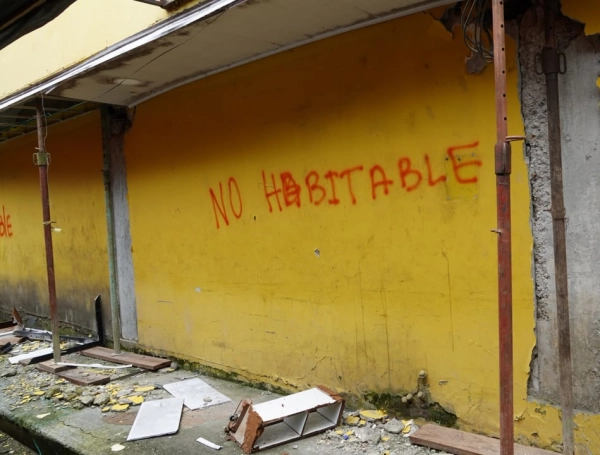
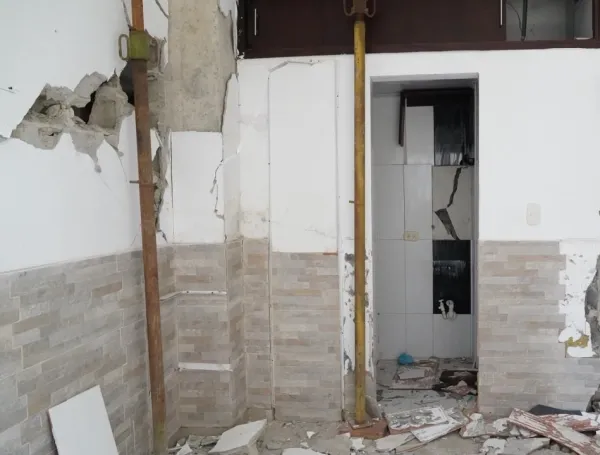
One month after a powerful earthquake struck the department of Chocó on August 10, severely impacting more than 14,000 families in its capital, Quibdó, the city remains paralyzed in the preliminary phase of disaster management: stabilization. While the initial tremors have long ceased, their devastating legacy endures in the form of cracked infrastructure, towering residential and commercial structures threatening to collapse, and thousands of displaced or anxious residents unable to return safely to their homes.
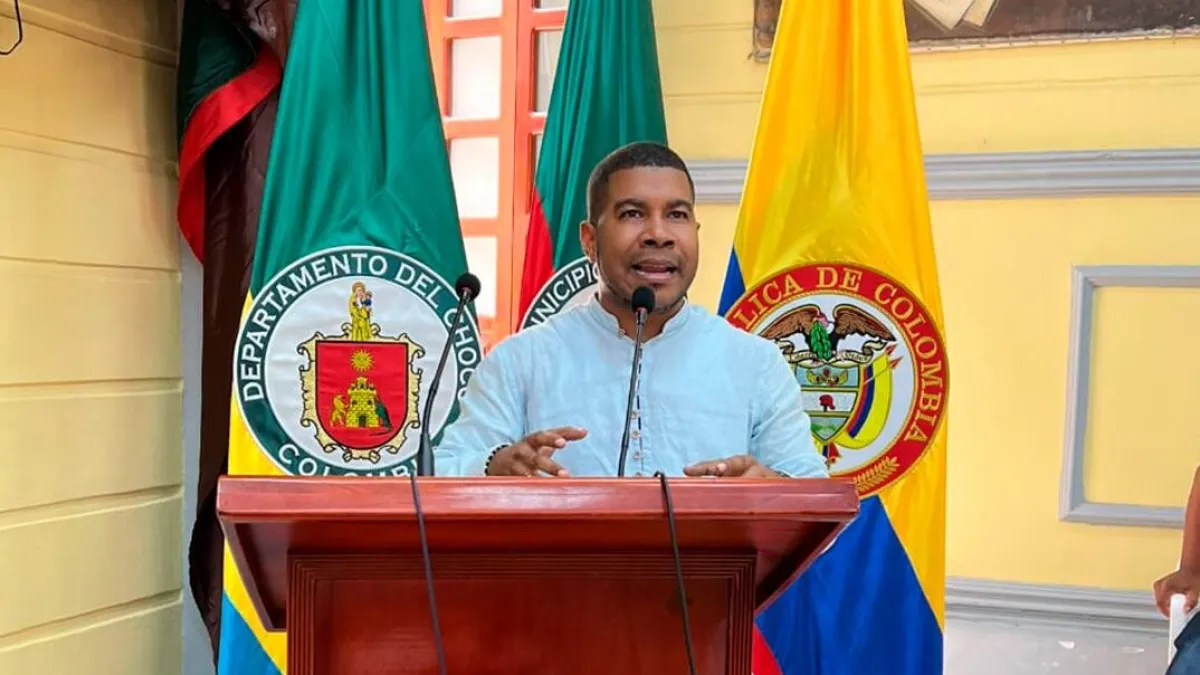
According to Quibdó Mayor Rafael Bolaños, the city is far from entering the promised phase of active rebuilding. The primary obstacle preventing progress is not a lack of political will, but a critical, crippling deficit of heavy machinery, specialized construction equipment, building materials, and essential medical and logistical supplies.
"Before we can even think about passing in firm to the reconstruction process, we must urgently stabilize the city," Mayor Bolaños stated during a comprehensive one-month emergency status update. The mayor emphasized that until dangerous structural elements are neutralized, any talk of architectural recovery is premature and dangerous.
The crisis is compounded by geography and climate. Quibdó, one of the rainiest regions in the world, is currently enduring heavy seasonal downpours. The earthquake triggered massive landslides, fracturing hillsides and sending tons of sediment and debris rushing into local rivers and streams. This blockage has dramatically intensified urban flooding, putting already vulnerable neighborhoods at a heightened, compounding risk.
Furthermore, the region’s healthcare and educational networks remain severely compromised. Hospitals, clinics, and schools that survived the initial shockwave are operating under immense duress, functioning without adequate medical supplies, pharmaceutical inputs, or structural clearances.
Without an immediate, large-scale injection of heavy-duty machinery for controlled demolitions, debris clearance, and slope stabilization, local authorities warn that Quibdó will remain indefinitely trapped in this dangerous preparatory limbo.
Chronology: A Month of Crisis, Fear, and Slow Response
To understand Quibdó’s current predicament, it is essential to trace the timeline of events from the moment the earth shook on August 10, 2026, to the present day:
August 10, 2026 – The Impact: A high-magnitude earthquake strikes the department of Chocó, with its epicenter near Quibdó. The violent shaking lasts for harrowing seconds, causing widespread panic, severing communications, fracturing major roadways, and inflicting structural damage on thousands of homes, public facilities, and commercial buildings. Over 14,000 families find themselves immediately affected.
August 11–20, 2026 – The Emergency Search and Rescue Phase: Local emergency services, civil defense, and community volunteers mobilize to rescue trapped citizens, assess structural integrity, and set up temporary shelters. Basic services—such as clean water, electricity, and telecommunications—are severely disrupted across multiple neighborhoods.
August 21–31, 2026 – The Realization of Structural Vulnerability: As aftershocks subside, engineers and municipal inspectors survey the extent of the damage. They discover that dozens of multi-story buildings, including prominent residential blocks, have suffered critical structural fatigue. Residents in neighborhoods like Jardín are forced to evacuate, sleeping away from their homes out of terror that unstable buildings will collapse on top of them.
September 1–9, 2026 – Mobilization of Civil Society and Aid: Recognizing the slow flow of heavy institutional machinery, private foundations and independent organizations step in. Figures like Dr. Camilo Prieto, leading the Colombian Environmental Movement Foundation (Fundación Movimiento Ambientalista Colombiano) alongside Volador Colombia, coordinate emergency airlifts and ground convoys to bring medical supplies and humanitarian relief to Chocó.
September 10, 2026 – The One-Month Balance: Mayor Rafael Bolaños holds a formal press conference to provide a one-month status report. He highlights the severe bottlenecks stalling the transition from stabilization to reconstruction—chiefly the lack of heavy equipment, construction materials, and economic stimulus packages—while issuing a nationwide call for continued solidarity.
Supporting Data and Scale of the Disaster
The dimensions of the Chocó earthquake crisis are massive, reflecting both the immediate shock of the natural disaster and the deep, historical socio-economic vulnerabilities of the region.
14,000+ Families Affected: The total population bearing the direct brunt of the disaster spans urban and peri-urban zones in Quibdó, with thousands requiring humanitarian aid, temporary housing, and psychological support.
60+ Tons of Aid Delivered: Thanks to the relentless efforts of civil society organizations, medical volunteers, and independent foundations—most notably spearheaded by Dr. Camilo Prieto—humanitarian efforts have managed to deliver over 60 tons of emergency supplies. This logistical feat required orchestrating seven fixed-wing flights, nine specialized helicopter missions, and two heavy-duty tractomulas navigating difficult terrain.
Multi-Story Hazards: Among the most pressing symbols of the crisis are multi-story buildings—such as a notorious six-story structure in the Jardín neighborhood—that remain precariously standing one month later. These buildings represent an immediate mortal threat to neighboring families, who live in constant terror of sudden collapse.
Three Critical Stabilization Fronts: Municipal engineers have categorized the primary operational needs into three non-negotiable vectors:
Controlled Demolitions: Safely bringing down heavily compromised structures that threaten public safety.
Slope Stabilization: Reinforcing fractured hillsides and earthworks to prevent catastrophic mudslides during ongoing heavy rains.
Hydrological Dredging: Clearing out sediment, rubble, and earth from local rivers and creeks (quebradas) to mitigate urban flooding.
Official Responses and Institutional Coordination
The response to the Quibdó earthquake has exposed the glaring gap between local administrative needs and national logistical support. Mayor Rafael Bolaños has been unsparingly candid about the challenges his administration faces, balancing deep gratitude for private solidarity with urgent appeals for greater state intervention.
"Our primary and most desperate need is for heavy machinery, construction materials, and, of course, assistance in the entire economic reactivation process," Mayor Bolaños declared. Without excavators, bulldozers, and demolition gear, municipal crews are fighting a monumental crisis with makeshift tools.
Despite bureaucratic delays from the central government, the local administration has found vital lifelines in the non-profit and private sectors. Bolaños specifically praised the Colombian Environmental Movement Foundation and its director, Camilo Prieto, as well as Volador Colombia. Continuous high-level meetings between the mayor’s office and these entities have successfully channeled emergency food, medical supplies, and sanitation gear into the disaster zones.
Furthermore, Bolaños reframes the tragedy not merely as a temporary setback, but as a historic spotlight on Quibdó’s structural marginalization:
"Much of the historical situation in which Quibdó has always lived has been brought to light by this tragedy. This is a crucial moment for Quibdó to continue receiving the solidarity of the Colombian people."
Implications: Building Back Better—Or Building for the First Time?
As Quibdó looks past the immediate stabilization phase, city leaders and urban planners are grappling with a profound philosophical and practical question: What should the future of the city look like?
For decades, Quibdó has suffered from severe infrastructural deficits, lagging far behind Colombia’s major metropolitan centers in terms of structural engineering standards, public health infrastructure, educational facilities, and economic opportunities. The earthquake exposed the brittle nature of local housing developments, many of which were built informally or without adequate seismic resilience due to systemic poverty and institutional neglect.
Mayor Bolaños captured the sentiment of a resilient community when he outlined the ultimate vision for the city’s recovery:
"We must not only think about rebuilding what fell down, but also lifting up what we have never had in the city. Generating development in our city is the commitment that all of us must embrace today."
Socio-Economic and Environmental Repercussions
Economic Stagnation: With local commerce disrupted, small businesses destroyed, and family savings diverted toward emergency repairs, Quibdó’s local economy is gasping for air. Without targeted economic stimulus and employment programs tied to the reconstruction effort, poverty rates threaten to skyrocket.
Public Health Vulnerabilities: The compounding effects of damaged hospitals, disrupted sanitation systems, and stagnant floodwaters mixed with earthquake debris create a fertile breeding ground for vector-borne diseases and waterborne illnesses. Maintaining a steady flow of medical inputs is a matter of life and death.
Psychological Toll: Months of living in fear—exemplified by residents in neighborhoods like Jardín who refuse to sleep in their own beds because a cracked skyscraper looms over their roofs—have left deep psychological scars. Long-term mental health support will be a prerequisite for community recovery.
Ultimately, the earthquake of August 10, 2026, has forced Colombia to look toward Chocó not with pity, but with a profound obligation of justice. The path forward demands more than patches of cement and temporary shelters; it requires a generational commitment to transform Quibdó into a modern, safe, and fully developed capital city.
Main Facts: The Reality of Colombia’s Educational Performance The recent release of the Programme for International Student Assessment (PISA) 2025 results has sent a wave of profound concern through Colombia’s educational sector and public sphere.…
By Nicolás Bustamante Hernández Science Journalist Main Facts: A Nation Left Blind in the Wake of Disaster When a devastating 7.4-magnitude earthquake struck Colombia on August 10, 2026, with its epicenter in San José del…
By Angie Rodríguez Travel and Trends Journalist Reaching new consumers, gaining vital market visibility, and transforming a high-traffic commercial trial into a long-term growth opportunity is the ultimate ambition for any emerging enterprise. For Colombian…