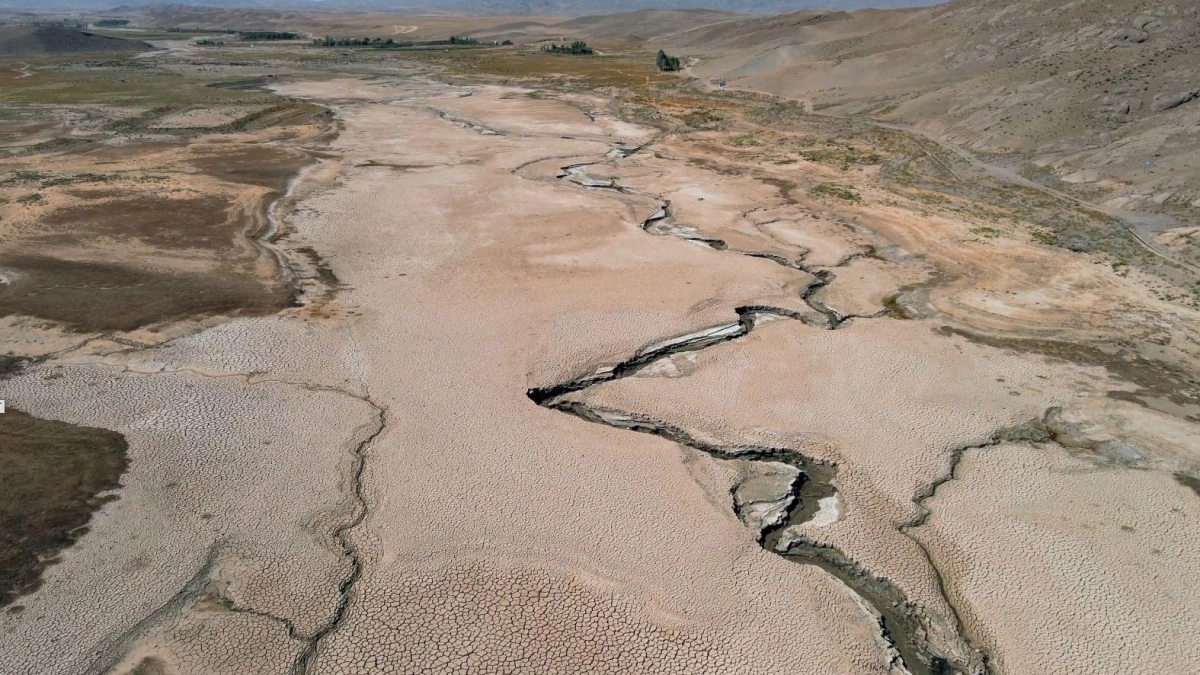
Global meteorological agencies, including the World Meteorological Organization and the Ideam, warn that the upcoming El Niño cycle could become the most severe event recorded since 1950, bringing profound multi-sectoral impacts on water security, public health, and agriculture.
1. Main Facts
The global climate system is on the precipice of an extraordinary climatic event. According to recent diagnostic assessments released by the World Meteorological Organization (WMO) and national meteorological authorities, the El Niño phenomenon is poised to enter its most intense phase in more than seven decades.
In Colombia, the Institute of Hydrology, Meteorology and Environmental Studies (Ideam) has escalated its warnings, calculating a 75 percent probability that the current cycle will evolve into one of the most powerful El Niño events recorded since historical data compilation began in 1950. Furthermore, predictive models indicate that the likelihood of the phenomenon reaching a "very high" intensity tier during the final trimester of 2026 and extending into the opening months of 2027 comfortably exceeds 90 percent.
This diagnostic consensus is not isolated. It represents the synthesized findings of continuous monitoring conducted by Ideam in tandem with the world’s leading climate forecasting bodies, most notably the National Oceanic and Atmospheric Administration (NOAA) of the United States. Data from the tropical Pacific Ocean confirms that the coupled ocean-atmosphere system has now completed four consecutive moving trimesters characterized by robust El Niño conditions—signaling a mature, deeply entrenched climatic anomaly with significant sub-surface oceanic heat content.
The repercussions of an event of this magnitude extend far beyond transient weather shifts. Governments, environmental planners, and public health organizations are staring down a multi-pronged crisis that threatens water availability, agricultural productivity, ecosystem stability, and human well-being across entire regions, particularly within tropical and South American territories.
2. Chronology of a Developing Crisis
Understanding the trajectory of the 2026–2027 El Niño requires looking back at the gradual accumulation of thermal anomalies across the Pacific basin and the swift progression of institutional warnings:

- Early 2026: Global climate models begin registering anomalous warming in the central and eastern tropical Pacific. Ocean temperatures steadily rise above historical baselines, prompting early precautionary advisories from meteorological centers.
- Mid-2026 (June–August): The ocean-atmosphere coupling solidifies. NOAA’s Climate Prediction Center notes that Southern Oscillation indices—both traditional and equatorial variations—surged to approximately two standard deviations below normal during August. This statistical milestone confirms a rapidly developing system backed by substantial sub-surface heat reserves.
- September 3, 2026: In a historic move, the World Meteorological Organization (WMO) issues a categorical bulletin regarding the El Niño/La Niña cycle. For the first time in the history of these periodic briefings, the WMO assigns an "exceptionally high, nearly 100 percent" probability that the phenomenon will persist uninterrupted through February 2027.
- September 10, 2026: Ideam formalizes its updated national outlook. During a press briefing, the subdirector of meteorology confirms the fourth consecutive moving trimester of El Niño conditions, cementing the 75 percent probability rating for a historically severe event and triggering nationwide calls for preparedness.
3. Supporting Data and Scientific Metrics
The gravity of the current El Niño forecast is anchored in rigorous quantitative data collected by global scientific infrastructure. Climate scientists do not rely on generalized trends; rather, they track specific physical indicators that measure the exchange of energy between the ocean and the atmosphere.
During August, the Southern Oscillation Index (SOI) and equatorial atmospheric indicators reached a threshold of two standard deviations. In meteorological terms, this value demonstrates an advanced state of coupling where the atmosphere is no longer reacting passively to ocean temperatures, but actively reinforcing the warming cycle through altered wind patterns, reduced cloud cover, and heightened solar radiation absorption.
Additionally, subsurface temperature profiles analyzed by NOAA reveal massive pools of warm water stored beneath the surface of the eastern and central Pacific. As these thermal masses migrate or well up toward the surface, they sustain the surface warming anomalies necessary to fuel a long-duration event.

The WMO’s baseline assessment highlights the unprecedented certainty of its models. While past bulletins typically allowed for margins of variability, the convergence of multi-model ensembles—including inputs from major European, North American, and Asian meteorological centers—revealed an absolute consensus: the system lacks the cooling drivers necessary to disrupt the cycle before early 2027. Consequently, statistical models project continuous anomaly maintenance through the northern hemisphere winter and well into the first quarter of next year.
4. Official Responses and Institutional Preparedness
As the scientific community aligns on the severity of the threat, institutional actors are moving from passive observation to active mobilization.
At the national level in Colombia, Ideam has positioned itself at the forefront of early warning dissemination. Lieutenant Colonel Carolina Rueda, Ideam’s Subdirector of Meteorology, emphasized the urgency of the moment during the agency’s latest update:

"With the most recent update, we ratify the fourth moving trimester of El Niño conditions, with a 75 percent probability that it will become one of the most intense phenomena recorded. Colombia is advancing toward its consolidation, and from Ideam, we maintain permanent monitoring to provide timely information that allows territories to prepare for potential impacts."
Rueda and other regional leaders have issued direct mandates to national, departmental, and municipal authorities. Key institutional directives include:
- Hydrometeorological Tracking: Intensifying real-time observation of river basins, groundwater tables, and reservoir capacities to detect early signs of severe depletion.
- Contingency Planning: Updating regional and municipal disaster management frameworks to address water rationing, agricultural losses, and public health emergencies.
- Resource Conservation: Launching public awareness campaigns aimed at optimizing water consumption across residential, industrial, and agricultural sectors.
- Fire Prevention: Activating specialized regional task forces to combat high-risk wildfire zones, particularly in dry Andean and Caribbean brushlands.
- Technological Access: Promoting operational tools such as Ideam’s mobile application, "Ideam en tu Mano" (Ideam in Your Hand), which grants citizens and local planners instant access to hydrological data, climate forecasts, and active environmental alerts.
5. Multi-Sectoral Implications: Water, Health, and Agriculture
The convergence of record-breaking heat and suppressed rainfall heralds severe consequences across three foundational pillars of society: environmental resource management, human health, and food security.

Water Security and Infrastructure
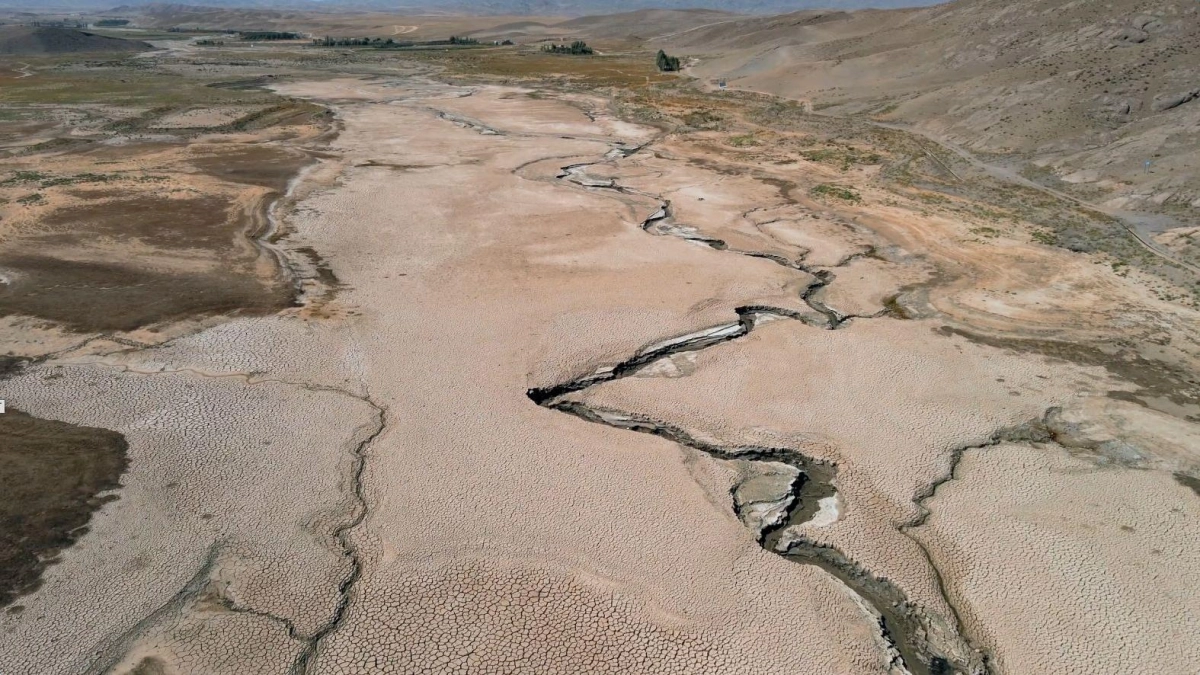
The primary and most immediate casualty of an intense El Niño is the hydrological balance. Projections indicate a significant reduction in precipitation across the Pacific, Andean, and Caribbean regions. This rainfall deficit, coupled with ambient temperatures sitting well above historical averages, accelerates evapotranspiration rates—rapidly draining soil moisture and increasing water stress in ecosystems already vulnerable from prior dry spells.
For human settlements and industrial centers, this translates directly to diminished river flows and declining water levels in artificial reservoirs and natural lakes. The pressure on potable water supplies threatens municipal rationing programs, while the energy sector faces acute vulnerability due to reduced hydraulic heads powering hydroelectric generation plants, raising concerns over potential energy grid strains.
Agriculture and Food Security
The agricultural sector stands on the frontline of the impending climate shock. Prolonged dry spells and high temperatures disrupt traditional planting and harvesting calendars, damage crops, and diminish pasture quality for livestock. Small-scale farmers, who often lack sophisticated irrigation infrastructure, face devastating harvest losses. These pressures ripple outward into regional supply chains, increasing the risk of food price inflation and threatening rural livelihoods. Furthermore, dried-out vegetation turns landscapes into tinderboxes, exponentially increasing the frequency and intensity of forest and agricultural fires that destroy biodiversity and carbon sinks.

Public Health Impacts
Beyond environmental and economic tolls, extreme climate anomalies exert a heavy tax on human health. Prolonged heatwaves elevate the risk of severe dehydration and heatstroke, with vulnerable populations—specifically young children and the elderly—bearing the brunt of the danger.
Secondary health crises often follow environmental degradation:
- Vector-Borne Diseases: Stagnant water pockets and rising temperatures create ideal breeding grounds for mosquitoes, accelerating transmission rates for dengue, Zika, and chikungunya.
- Respiratory Illnesses: The proliferation of particulate matter from forest fires and generalized air stagnation significantly degrades air quality, triggering spikes in asthma, chronic bronchitis, and other respiratory ailments.
- Waterborne Infections: As water sources dwindle and concentrate pollutants, the risk of gastrointestinal outbreaks and waterborne diseases rises sharply, placing additional strain on regional healthcare facilities.
Conclusion
The consensus among global meteorological authorities is clear: the 2026–2027 El Niño will test the resilience of nations unaccustomed to extremes of this magnitude. Mitigating the worst outcomes will require rigorous adherence to scientific early warnings, cross-sectoral resource planning, and proactive community engagement before the phenomenon peaks in the months ahead.