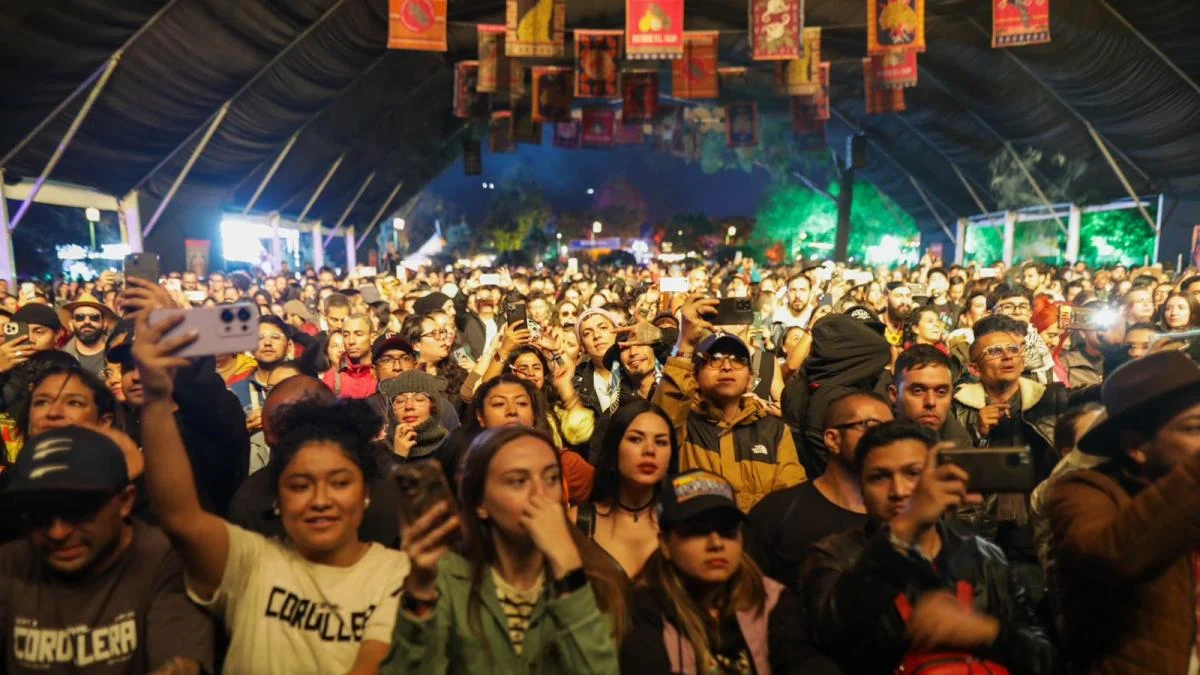
BOGOTÁ — As the Colombian capital gears up for one of the most anticipated musical gatherings in Latin America, official economic projections reveal that the upcoming Festival Cordillera 2026 will serve as a massive financial catalyst for the city. Scheduled for September 12 and 13 at the iconic Simón Bolívar Park, the two-day festival is projected to generate an estimated economic impact of $81,601 million COP, reinforcing the strategic importance of large-scale cultural events as engines for urban tourism and job creation.
The figures, released ahead of the festival, underscore a growing trend in Latin America where live music and multi-genre festivals are no longer viewed merely as entertainment spectacles, but as critical economic drivers that stimulate hospitality, gastronomy, local commerce, and transportation networks.
Main Facts
The 2026 edition of the Festival Cordillera is engineered to surpass previous benchmarks in both attendance and economic yield.
- Event Dates: September 12 and 13, 2026.
- Venue: Simón Bolívar Park, Bogotá, Colombia.
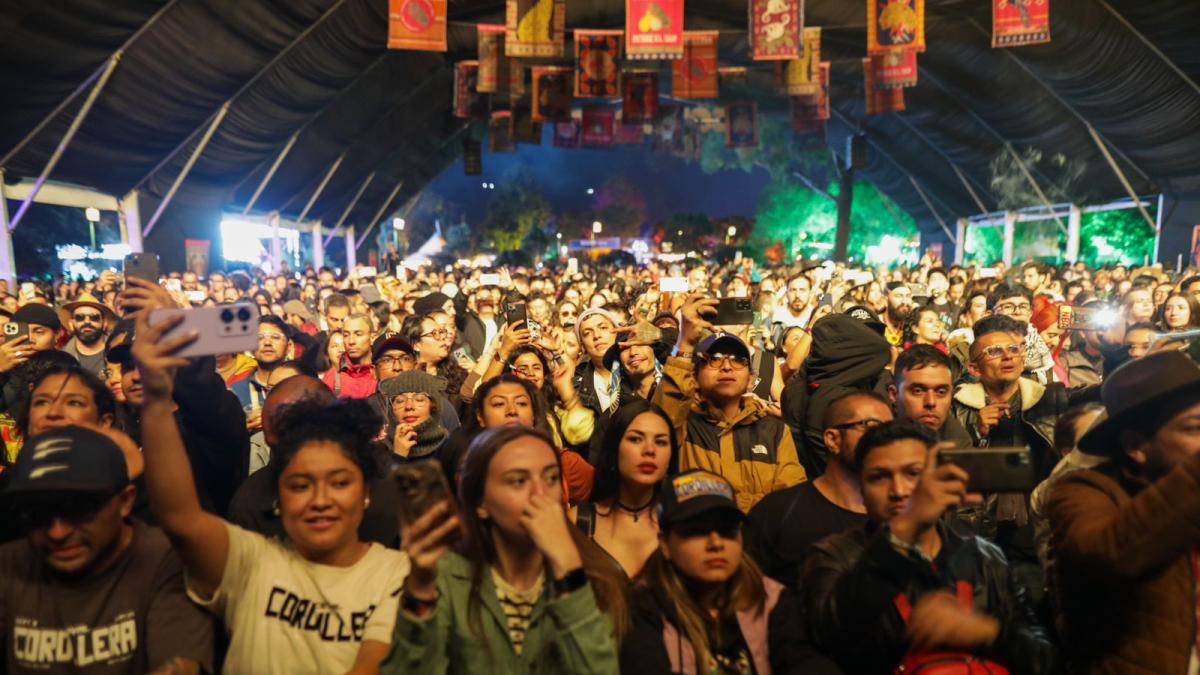
- Projected Attendance: 90,000 total attendees across both days.
- Total Economic Impact: $81,601 million COP.
- Visitor Breakdown: Approximately 36,000 national and international tourists (40% of the audience) alongside 54,000 local Bogotá residents (60%).
- Job Creation: 3,117 total jobs generated, comprising 2,619 direct positions and 498 indirect opportunities.
- Headlining Lineup: The stellar musical roster features legendary and contemporary acts, including Ricky Martin, Andrés Calamaro, Cultura Profética, Caifanes, and Andrés Cepeda, among others.
Despite locals making up the numerical majority of the crowd, the financial footprint of out-of-town visitors is staggering. Tourists traveling from outside Bogotá will account for 58 percent of the total economic impact, funneling approximately $47,500 million COP into the local economy. In contrast, the 54,000 local attendees are projected to generate around $34,137 million COP, representing 42 percent of the overall financial output.
Chronology: From Concept to Cultural Phenomenon
To understand the massive scale of Festival Cordillera 2026, it is essential to trace how major cultural events have transformed Bogotá’s tourism landscape over recent years.
- Pre-2022 (The Foundation): Bogotá established itself as a secondary stop for international tours, but lacked a dedicated flagship festival celebrating the collective identity, rock, and alternative sounds of Ibero-America.
- September 2022–2024 (Establishment & Growth): Earlier iterations of the Festival Cordillera successfully captured the regional market, proving that multi-day, eco-conscious Latin American festivals could draw tens of thousands of fans and rival traditional European and North American events in organization and attendance.
- Early 2026 (Data Collection & Projections): The Secretariat of Economic Development, in coordination with the Tourism Observatory of the District Tourism Institute (IDT) and the Secretariat of Culture, Recreation, and Sport, deployed the Characterization Survey of Attendees at Festivals and Public Events 2026 (FEP 2026). This empirical study formed the foundation for the current economic forecasts.
- September 9, 2026 (Official Projections Published): City officials and tourism authorities released the comprehensive economic impact data, highlighting the festival’s role in boosting September tourism metrics.
- September 12–13, 2026 (The Event): Simón Bolívar Park opens its gates to 90,000 music enthusiasts for two days of immersive Ibero-American culture, executing the logistical operations that will convert projected figures into real-world revenue.
Supporting Data and Financial Breakdown
A granular look at the data provided by the District Secretariat of Economic Development reveals stark contrasts in spending habits between local residents and incoming tourists, highlighting why destination tourism remains a top priority for city administrators.

1. Spending Disparities: Tourists vs. Locals
- Out-of-Town Visitors (National and International):
- Estimated Headcount: 36,000 people (40% of total attendees).
- Average Spend per Person: $998,000 COP throughout their stay in Bogotá.
- Total Economic Contribution: $47,500 million COP (58% of total impact).
- Local Residents (Bogotá Inhabitants):
- Estimated Headcount: 54,000 people (60% of total attendees).
- Average Spend per Person: $478,000 COP per attendee.
- Total Economic Contribution: $34,137 million COP (42% of total impact).
The data clearly illustrates that a tourist staying in Bogotá for the festival spends virtually double what a local resident spends. These funds are primarily distributed across four key sectors: formal and informal accommodation, inter-city and local transportation, food and beverage services (restaurants, bars, and food trucks at and around the venue), and retail shopping.
2. Employment Metrics
Mega-events require immense logistical orchestration, translating directly into temporary and semi-permanent employment. Festival Cordillera 2026 is expected to create 3,117 jobs:
- Direct Employment (2,619 positions): Stage production, security, artist management, ticketing, venue maintenance, hospitality, and event coordination.
- Indirect Employment (498 positions): Supply chain logistics, increased taxi and rideshare services, local food suppliers, cleaning services, and peripheral marketing.
Official Responses and Perspectives
City authorities have been vocal about the strategic value of anchoring major cultural festivals in the local calendar. The alignment between cultural promotion and economic development policy has yielded measurable results.

Ángela Garzón, Director of the District Tourism Institute (IDT), emphasized the transformative power of events as travel catalysts:
"Large events are becoming a concrete reason to travel to Bogotá. The Festival Cordillera shows this very clearly: four out of every ten attendees will be national and international visitors, and their estimated average spend will be practically double that of a local attendee."
Garzón further explained that this dynamic extends well beyond the concert grounds. When travelers arrive for a two-day music festival, they frequently extend their stays to explore the city’s broader offerings—ranging from gastronomic tours in Usaquén and Chapinero to historical excursions in La Candelaria and visits to nearby natural reserves like Monserrate or Chingaza.

Furthermore, the methodology behind these insights was anchored by cross-institutional collaboration. The Secretariat of Economic Development, the District Tourism Institute’s Tourism Observatory, and the Secretariat of Culture, Recreation, and Sport pooled resources to utilize the FEP 2026 survey, ensuring that public policy and private sector coordination are backed by rigorous data analytics rather than mere speculation.
Implications for Bogotá’s Future as a Cultural Hub
The success and projected economic yield of Festival Cordillera 2026 carry profound implications for the capital’s urban planning, economic diversification, and international branding.
1. Urban Tourism Diversification
For decades, tourism in Colombia has often been associated with coastal heritage (Cartagena, Santa Marta) or coffee-growing regions. Bogotá, while an administrative and business hub, has historically fought to position itself as a leisure destination. Mega-festivals like Cordillera shift this narrative, transforming the city into a vibrant cultural capital where art, counterculture, and heritage converge.

2. Strengthening the Creative Economy (Orange Economy)
By bringing together legendary acts like Ricky Martin, Andrés Calamaro, Caifanes, and Andrés Cepeda alongside contemporary independent artists, the festival validates the rich tapestry of Ibero-American music. The financial injection of over $81,000 million COP directly supports the broader creative ecosystem—ensuring that audio engineers, lighting technicians, local stage crews, and independent vendors benefit from a thriving marketplace.
3. Logistical and Infrastructure Readiness
Hosting 90,000 people over a single weekend tests the infrastructural capacity of Simón Bolívar Park and the surrounding transport grid. The high volume of incoming tourists necessitates seamless coordination between the District Mobility Secretariat, private transit providers, and hotel syndicates. If executed smoothly, the 2026 edition will cement Bogotá’s reputation as a reliable, world-class host for massive international gatherings, paving the way for even larger tourism revenues in the years to come.