By Nathalia Díaz Guzmán International News Desk Updated: November 5, 2026
Main Facts
Authorities in South Florida have officially concluded the identification process for the three occupants involved in a catastrophic aviation accident that shook the local community earlier this week. On the morning of November 4, 2026, a helicopter crashed into the shallow, open waters of Biscayne Bay, in close proximity to Key Biscayne, Florida. The tragic incident resulted in the death of the pilot, while miraculously sparing the lives of the two passengers on board, who sustained only minor injuries.
According to an official statement released by the Miami-Dade Sheriff’s Office (MDSO), the pilot who lost his life in the crash has been identified as 63-year-old Tomas Pendas. The devastating sequence of events unfolded around 11:30 a.m. near Nixon Beach, catching beachgoers and maritime patrols off guard.
The two surviving passengers were identified as Ryan McCoy, 52, and Ryan Ferraro, 27. Following the immediate deployment of emergency response units, both men were pulled alive from the wreckage, administered first-aid, and subsequently transported to a regional trauma center for evaluation. Medical professionals confirmed that their injuries were non-life-threatening, and both individuals have since been discharged from the medical facility to recover at home.
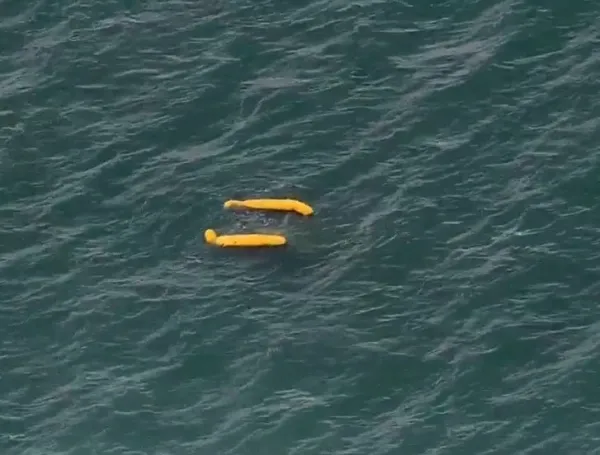
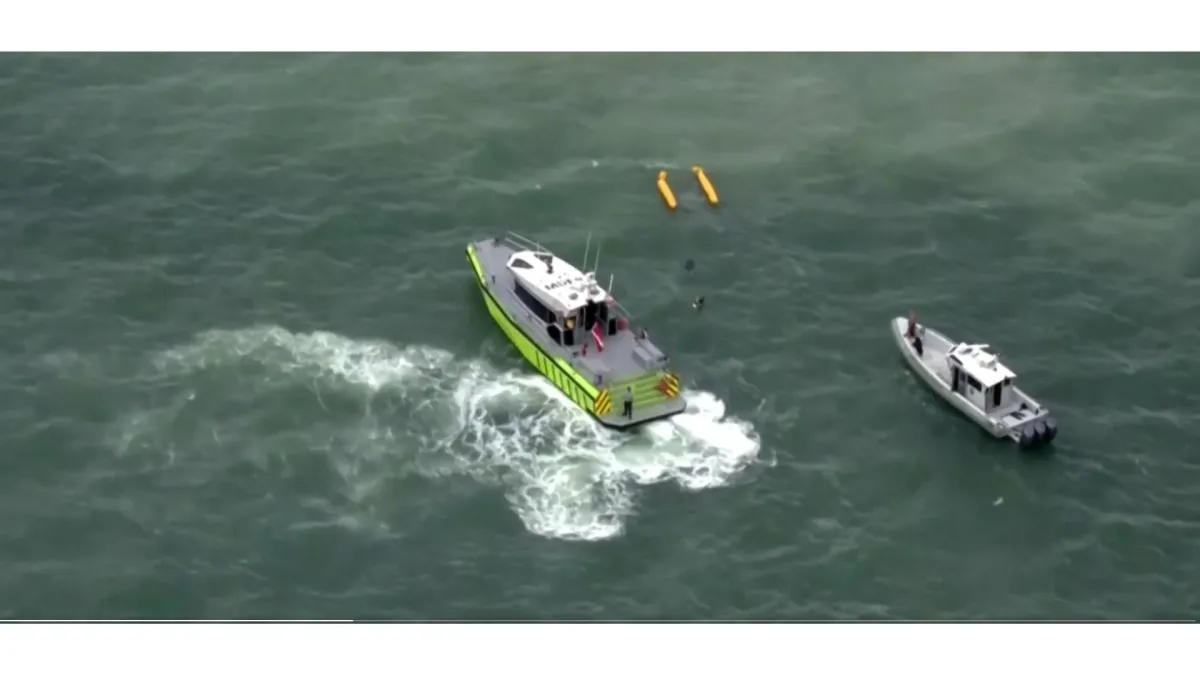
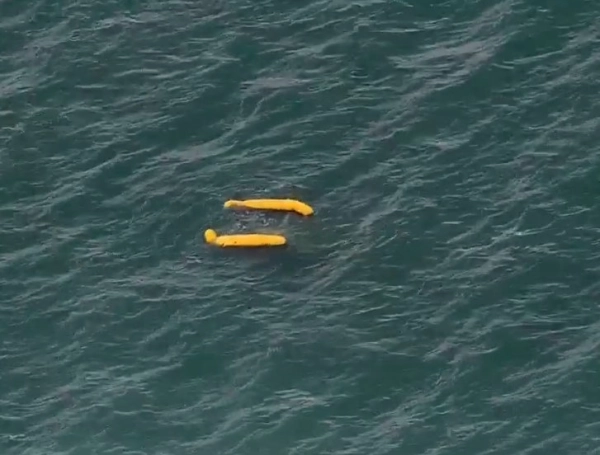
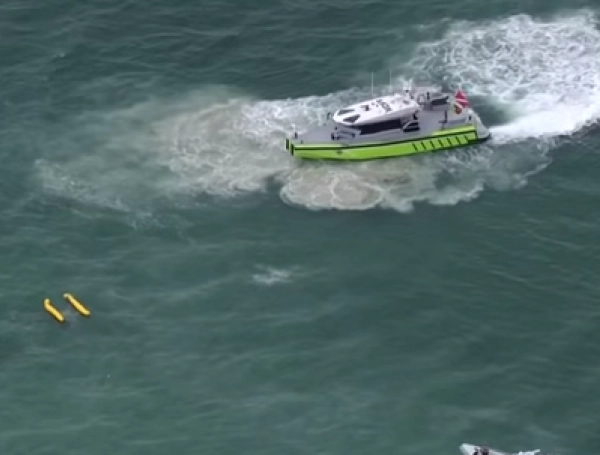
Aerial and maritime footage captured at the scene depicted the grim reality of the disaster: the aircraft came to rest completely inverted, partially submerged beneath the turquoise waters of the bay. Only the helicopter’s landing skids and two distinct yellow emergency flotation devices remained visible on the surface, serving as eerie markers of the sudden calamity that transformed a routine flight into a fatal emergency.
Presently, investigators from multiple local and federal jurisdictions have launched comprehensive inquiries into the accident. While the identities of the victims and the immediate physical consequences of the crash have been thoroughly documented and verified by law enforcement, the exact mechanical or environmental catalysts that forced the aircraft down remain undetermined.
Chronology of the Disaster
To fully understand the swift progression from a standard morning flight to a life-or-death rescue operation, emergency response logs have provided a detailed timeline of the events on November 4, 2026.
11:20 a.m. – The Initial Mayday and First Response
The emergency sequence began roughly ten minutes before the final descent when the U.S. Customs and Border Protection (CBP) agency received a frantic distress call reporting an aviation emergency over the waters near Key Biscayne. Responding with remarkable swiftness, CBP maritime units altered their patrols and raced toward the coordinates provided by dispatchers. They arrived at the scene as the primary responders, immediately noting the inverted airframe drifting in the bay.
11:30 a.m. – The Crash Near Nixon Beach
Simultaneously, witnesses near Nixon Beach reported hearing sputtering engine noises or an abrupt shift in rotor pitch before the helicopter plummeted toward the water’s surface. The aircraft struck the bay with significant force, instantly flipping upside down upon impact and trapping the occupants inside the cabin as water rushed in.
The Civilian Intervention
Before formal medical personnel could reach the submerged cockpit, a civilian aboard a nearby private boat noticed the catastrophe unfolding. Exhibiting immense bravery, this unidentified Good Samaritan maneuvered their vessel directly to the sinking wreckage. The citizen managed to pull victims from the danger zone and immediately commenced life-saving measures, focusing heavily on the unresponsive pilot while waiting for law enforcement backup.
Arrival of the Miami-Dade Sheriff’s Maritime Patrol
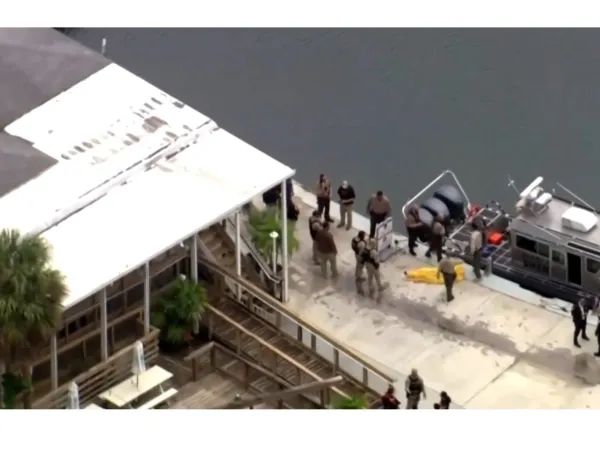
Moments after the civilian intervention, the Miami-Dade Sheriff’s Office Maritime Patrol units arrived on the scene. Recognizing the critical state of the pilot, law enforcement officers boarded the civilian vessel to take over chest compressions and artificial respiration. The officers coordinated a rapid transport of the pilot to the nearby No Name Harbor dock, where advanced life support teams were staging.
Final Medical Efforts and Pronouncement
Upon reaching No Name Harbor, paramedics from Miami-Dade Fire Rescue took over the resuscitation efforts, employing advanced cardiac life support protocols. Despite exhaustive attempts to restore a pulse, the pilot, Tomas Pendas, succumbed to his injuries and was officially pronounced dead at the scene. Meanwhile, the two surviving passengers—Ryan McCoy and Ryan Ferraro—were transferred via emergency transport to the Ryder Trauma Center at Jackson Memorial Hospital, where they received immediate trauma care for their minor injuries.
Supporting Data and Personnel Involved
The multi-agency response to the Biscayne Bay helicopter crash highlighted the complex infrastructure required to handle coastal and aviation emergencies in South Florida. The following breakdown outlines the personnel, entities, and medical infrastructure mobilized during the crisis:
The Pilot: Tomas Pendas, 63 years old. Deceased at the scene despite extensive reanimation efforts by civilians, sheriff’s deputies, and city firefighters.
Passenger One: Ryan McCoy, 52 years old. Sustained minor injuries; treated and subsequently discharged from the hospital.
Passenger Two: Ryan Ferraro, 27 years old. Sustained minor injuries; treated and subsequently discharged from the hospital.
Primary Responding Agencies:
U.S. Customs and Border Protection (CBP) Maritime Division
Medical Receiving Facility: Ryder Trauma Center at Jackson Memorial Hospital, renowned for its specialized emergency and trauma medical care in the region.
Geographic Coordinates of Incident: Open waters of Biscayne Bay, specifically in the vicinity of Nixon Beach and No Name Harbor near Key Biscayne, Florida.
The concentration of these resources allowed for the rapid extraction of the two surviving men, preventing what could have easily escalated into a triple-fatality disaster. However, the hostile nature of a submerged, inverted aircraft cockpit presented severe challenges for reviving an individual who had suffered prolonged oxygen deprivation underwater.
Official Responses and the Search for a Good Samaritan
As the shockwaves of the accident reverberated through the South Florida aviation and local communities, law enforcement agencies issued statements regarding both the tragedy and the ongoing investigation.
The Miami-Dade Sheriff’s Office formally released the names of the victims late in the week, following the notification of next of kin. In their official communications, department leaders extended their deepest condolences to the family and loved ones of Tomas Pendas, remembering him as a veteran aviator whose sudden loss has left a profound void.
At the same time, the Homicide Division of the Miami-Dade Sheriff’s Office issued a public appeal with a unique focus: authorities are actively searching for the civilian who stepped in to help before emergency services arrived. According to investigators, the unidentified citizen’s quick thinking and immediate physical intervention were vital in keeping the surviving passengers safe and assisting the pilot during the critical first moments after the crash.
"The Division of Homicides of the Miami-Dade Sheriff’s Office wishes to directly connect with the individual who demonstrated extraordinary civic duty by intervening immediately after the aircraft hit the water," an agency spokesperson stated. "We want to formally express our profound gratitude for their selfless actions, bravery, and unwavering efforts to save lives during a chaotic and dangerous moment."
While local law enforcement handles the initial identification and the search for the heroic bystander, the broader investigation into why the aircraft went down has shifted toward federal aviation authorities. Inspectors from the National Transportation Safety Board (NTSB) and the Federal Aviation Administration (FAA) are expected to spearhead the technical examination of the wreckage. Divers will likely work to salvage the remains of the helicopter from the murky depths of Biscayne Bay to conduct metallurgical and mechanical tests on the rotor assembly, engine blocks, and flight controls.
Implications and Broader Context
Helicopter accidents over coastal waters carry unique complexities that often complicate both rescue operations and subsequent safety investigations. Biscayne Bay, while picturesque and heavily trafficked by recreational boaters, commercial vessels, and air tours, can present sudden environmental hazards, including blinding glare off the water, unpredictable wind shears, and rapid tidal currents.
This incident has once again turned a critical spotlight on aviation safety protocols within the densely populated airspace of Miami-Dade County. With a high volume of helicopter traffic dedicated to tourism, private transit, news reporting, and law enforcement, local officials and residents frequently grapple with the noise and perceived risks associated with low-altitude rotorcraft flights.
Furthermore, the involvement of federal agencies alongside local sheriff departments underscores the intricate jurisdiction governing coastal aviation accidents in the United States. While the immediate aftermath commanded local emergency medical services, the long-term implications will hinge upon federal safety determinations. If the NTSB discovers mechanical failure, maintenance oversights, or environmental factors that contributed to the crash, it could trigger safety directives or airworthiness alerts for similar helicopter models operating in coastal regions across the country.
For the families of Tomas Pendas, Ryan McCoy, and Ryan Ferraro, the coming weeks will be defined by recovery, grief, and a search for answers. As investigators piece together the final flight path of the aircraft—from its takeoff to its silent, inverted resting place in the bay—the aviation community pauses to mourn a fallen pilot and honor the civilian heroes who ran toward danger when every second counted.
Overview: A Significant Seismic Event in the Caribbean Sea On Saturday, July 18, 2026, a seismic event with a magnitude of 5.3 rattled the waters of the Caribbean Sea, specifically off the coast of the…
INTERNATIONAL DESK October 24, 2026 Main Facts The occupied West Bank has plunged into a severe crisis following a deadly assault that left two Israeli soldiers dead. In response, the Israel Defense Forces (IDF) launched…
WASHINGTON — In a dramatic escalation of tensions between the executive branch and the American press corps, United States President Donald Trump announced on Friday that his administration is revoking the press credentials of several…