By: Environmental & Pet Wellness Desk
Published: October 26, 2026
Main Facts
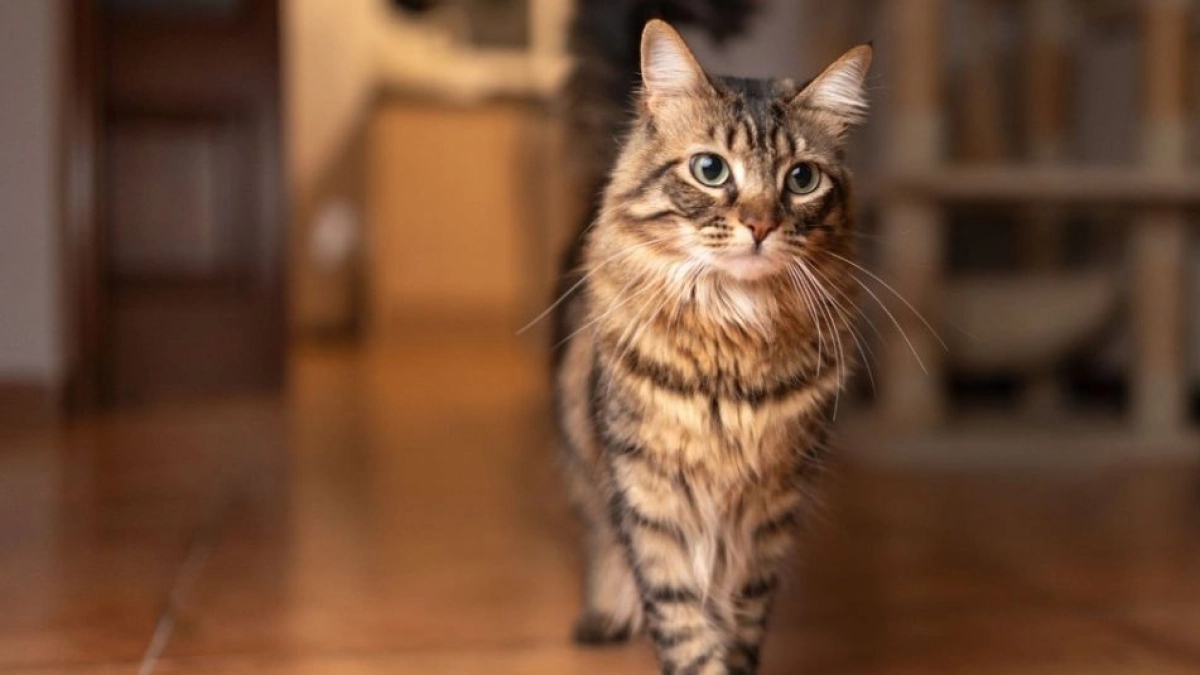
The domestic cat (Felis catus) is renowned for its grace, agility, and independence, but beneath its sleek exterior lies a sensory apparatus of extraordinary complexity. Chief among these is the feline sense of smell, which operates on a scale vastly superior to that of humans. According to veterinary behaviorists and animal welfare experts, a cat’s olfactory system is up to fourteen times more powerful than ours. Boasting more than 200 million specialized olfactory receptors—alongside the auxiliary vomeronasal organ (commonly known as the Jacobson’s organ)—felines process their environment primarily through scents.
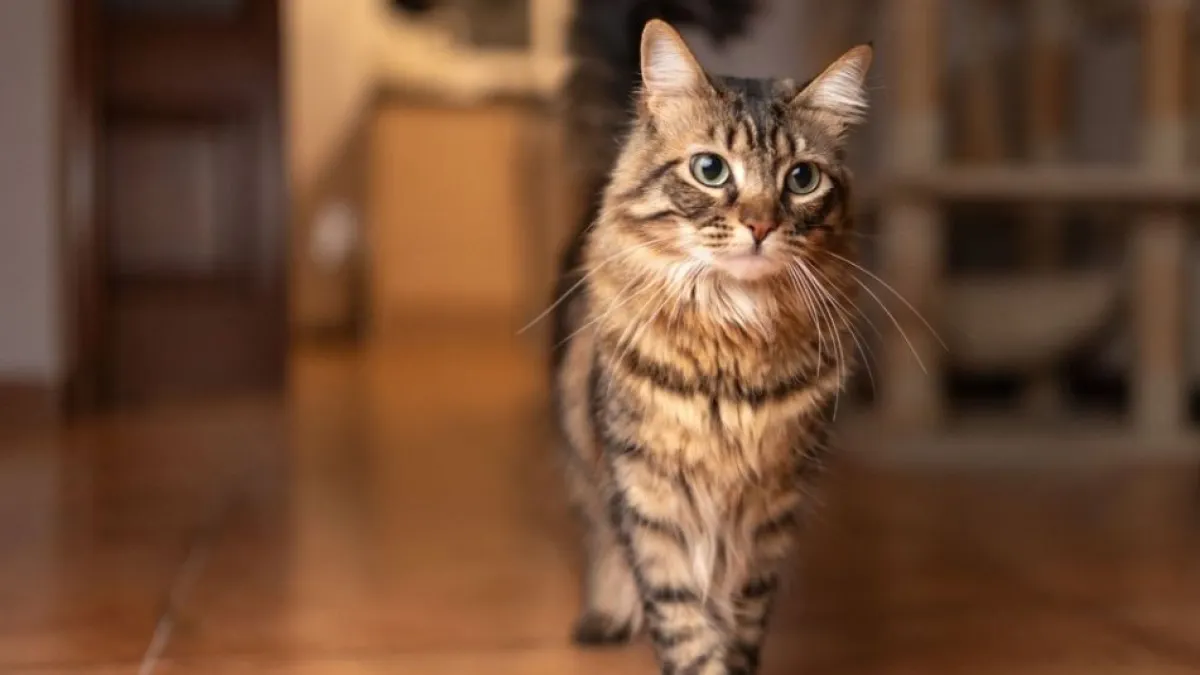
However, this evolutionary superpower comes with a significant downside in modern domestic life. While humans often curate their living spaces using robust cleaning agents, essential oils, and aromatic fruits to create a sense of freshness and cleanliness, these same products can act as sensory assaults on a cat.
Experts from veterinary networks such as Evidensia and pet nutrition authorities like Nature’s Variety have highlighted that common household items—most notably citrus fruits (lemons, oranges, grapefruits, and limes), white and apple cider vinegar, and chemical-heavy surface cleaners—can cause profound aversion, physiological distress, and behavioral alterations in cats. Compounds such as limonene and linalool, naturally found in citrus peels and frequently synthesized for artificial fragrances, are acutely irritating to feline respiratory tracts. When continuously exposed to these penetrative odors, cats experience more than mere annoyance; their long-term psychological and physical well-being can be severely compromised.

Chronology
Understanding how modern households became hazardous sensory landscapes for domestic cats requires looking at the historical trajectory of pet care, domestic chemistry, and urban animal husbandry.
- Pre-2000s (The Era of Traditional Maintenance): For decades, household cleaning relied heavily on basic soaps, hot water, and simple abrasives like baking soda. While chemical cleaners existed, the concentration of synthetic aromatic compounds and volatile organic compounds (VOCs) was considerably lower, minimizing unintentional harm to companion animals.
- The 2010s (The Rise of Aromatherapy and "Clinical Clean"): As urban living expanded and pet ownership surged, the commercial market witnessed an explosion of home-fragrance products, plug-in air fresheners, essential oil diffusers, and multi-surface disinfectants boasting long-lasting synthetic scents. Concurrently, natural cleaning trends popularized the heavy use of undiluted vinegar and citrus extracts as eco-friendly alternatives.
- Early 2020s (Emergence of Behavioral Diagnostics): Veterinary clinics began reporting an uptick in feline behavioral problems—such as inappropriate elimination, sudden aggression, and over-grooming—that lacked clear medical roots. Researchers slowly began connecting the dots between chronic indoor environmental stressors and open-plan homes saturated with heavy cleaning chemicals.
- Present Day (The Comprehensive Wellness Shift): Contemporary veterinary science now explicitly recognizes olfactory overload as a primary catalyst for feline stress. Modern guidelines from behavioral specialists emphasize "olfactory-safe" home design, shifting public awareness toward how cleaning routines and scent choices directly impact cat health.
Supporting Data
The biological and behavioral impacts of household aromas on cats are backed by extensive veterinary data and physiological measurements:
- Olfactory Superiority: Humans possess roughly 5 million olfactory receptors, whereas domestic cats possess between 200 million and 300 million, making their sense of smell up to 14 times more acute.
- The Jacobson’s Organ Factor: Cats utilize both their nasal passages and the vomeronasal organ located in the roof of their mouth to analyze pheromones and airborne chemical signatures. Strong chemical fragrances overload this dual-processing system, leading to sensory disorientation.
- Toxicity Thresholds: Essential oils—frequently used in diffusers and natural cleaners—contain concentrated plant phenols and terpenes. Because a cat’s liver lacks the specific enzyme (glucuronyl transferase) required to efficiently metabolize and eliminate these compounds, even low-level exposure or grooming residue can lead to systemic toxicity.
- Behavioral Fallout Studies: Data compiled by pet welfare specialists indicate that over 60% of cats subjected to persistent, disliked aromas (such as citrus or heavy ammonia-based cleaners near their litter boxes) will eventually develop litter box avoidance behaviors, opting instead to eliminate on soft surfaces like carpets and beds.
Official Responses and Expert Insights
Veterinary professionals and animal behaviorists have stepped up efforts to educate pet owners about the hidden dangers of domestic cleaning products and aromatic agents.
Dr. Emiliano Linardi, a renowned expert in feline behavior, has repeatedly emphasized the importance of respecting a cat’s sensory boundaries. According to Dr. Linardi, "The domestic cat’s world is fundamentally built upon scent maps. When humans introduce harsh, invasive chemical barriers—like strong citrus cleaners or overpowering room sprays—into a cat’s territory, we are essentially rewriting their map with invisible electric fences. It causes profound anxiety because they no longer feel secure in their own space."
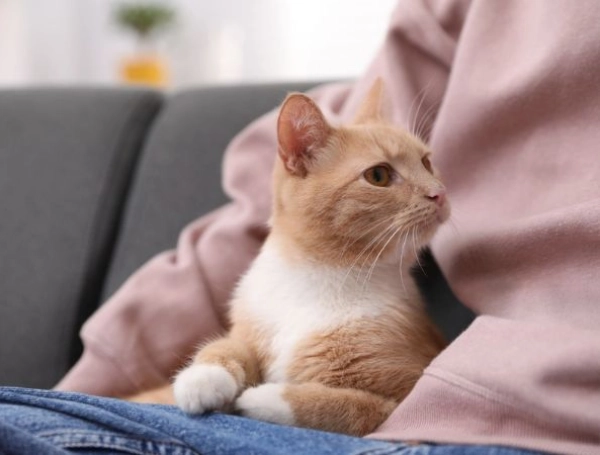
Meanwhile, clinical guidance published by veterinary hospital groups underscores the physiological risks. Specialists from Evidensia note: "The mucous membranes in a cat’s nose and respiratory tract are hyper-sensitive. Citrus compounds like limonene do not just smell ‘strong’ to them; they act as immediate irritants that can provoke sneezing fits, watery eyes, and acute inflammation of the upper respiratory system. If a cat is forced to live in a room cleaned daily with these products, chronic low-grade stress is almost guaranteed."
Adding to this, animal nutrition and welfare researchers from Nature’s Variety point out the downstream effects on physical health: "Chronic environmental stress is a silent killer in felines. It suppresses the immune system, triggers flare-ups of feline herpesvirus, and frequently results in idiopathic cystitis. The products we use to sanitize our homes can ironically make our pets physically ill if we do not factor in their unique sensory biology."
Implications
The realization that common household goods can actively harm or distress our feline companions carries profound implications for pet owners, interior designers, and the cleaning product manufacturing industry.
1. Shifts in Household Cleaning Protocols
Pet owners must rethink how they sanitize their homes. Traditional bleach, ammonia-based formulas, vinegar solutions, and citrus-scented degreasers should be used with extreme caution or replaced entirely with pet-safe, enzyme-based, and unscented cleaning products. Furthermore, surfaces cleaned with safe disinfectants must be thoroughly rinsed and dried before a cat is allowed access to them, preventing accidental ingestion through grooming.
2. The Danger of Essential Oils and Air Fresheners
The growing popularity of essential oil diffusers (such as tea tree, eucalyptus, citrus, lavender, and peppermint oils) poses a severe, under-recognized danger. Inhaling these micro-droplets or absorbing them via fur during self-grooming can lead to acute poisoning, neurological symptoms, and liver failure. Homeowners must either eliminate these diffusers or restrict them to cat-free zones with robust ventilation.
3. Redefining "Cleanliness" for Feline Spaces
For decades, human standards of cleanliness have prioritized strong olfactory indicators—the sharp tang of bleach, the artificial zing of lemon, or the heavy scent of floral fabric softeners. In a home shared with a cat, true cleanliness must be redefined as neutrality. A healthy home for a feline is one where the air is clean, free of volatile chemical loads, and rich in familiar, comforting pheromones rather than masked by chemical masking agents.

4. Behavioral Rehabilitation
For cats already exhibiting stress-related behaviors—such as scratching furniture, over-grooming, or eliminating outside the litter box—identifying and removing offensive environmental odors is often the first and most critical step toward rehabilitation. Replacing harsh cleaning agents with enzymatic, neutral cleaners can instantly lower baseline anxiety, allowing the animal to reclaim its sense of security and well-being.