By: Economic Desk
Date: November 23, 2026
The long-awaited transformation of the Canal del Dique, a critical water artery for the Colombian Caribbean, has finally moved past its administrative deadlock. The National Infrastructure Agency (ANI) and the Ecosistemas del Dique concession have officially signed a contractual modification—an otrosí—that clears the path for the immediate commencement of construction works. This milestone ends a period of uncertainty and paralysis that had stifled the project for over two years, representing a significant shift in the region’s approach to climate adaptation and infrastructure resilience.
A New Chapter for Regional Infrastructure
The signing ceremony, led by the president of the ANI, Ricardo Ayerbe, marks the formal end of the bureaucratic gridlock that had effectively frozen one of the most ambitious engineering projects in the country’s recent history. For the residents of the departments of Atlántico, Bolívar, and Sucre, this is not merely a contract signature; it is the reactivation of a project designed to protect hundreds of thousands of lives and restore the ecological balance of an area that has historically suffered from human-induced degradation.
"The ANLA (National Authority for Environmental Licenses) revoked the previous exigencies that had triggered the delays and repetitive processes for the ‘Restoration of Degraded Ecosystems of the Canal del Dique’ project," stated Ricardo Ayerbe. "At the ANI, we fulfilled our mandate: we reached a consensus on the new guidelines with the concessionaire and solidified them into an otrosí, allowing us to proceed with the works intended to optimize the system’s performance and, crucially, mitigate the risk of catastrophic flooding."

The Scope of the Megaproject
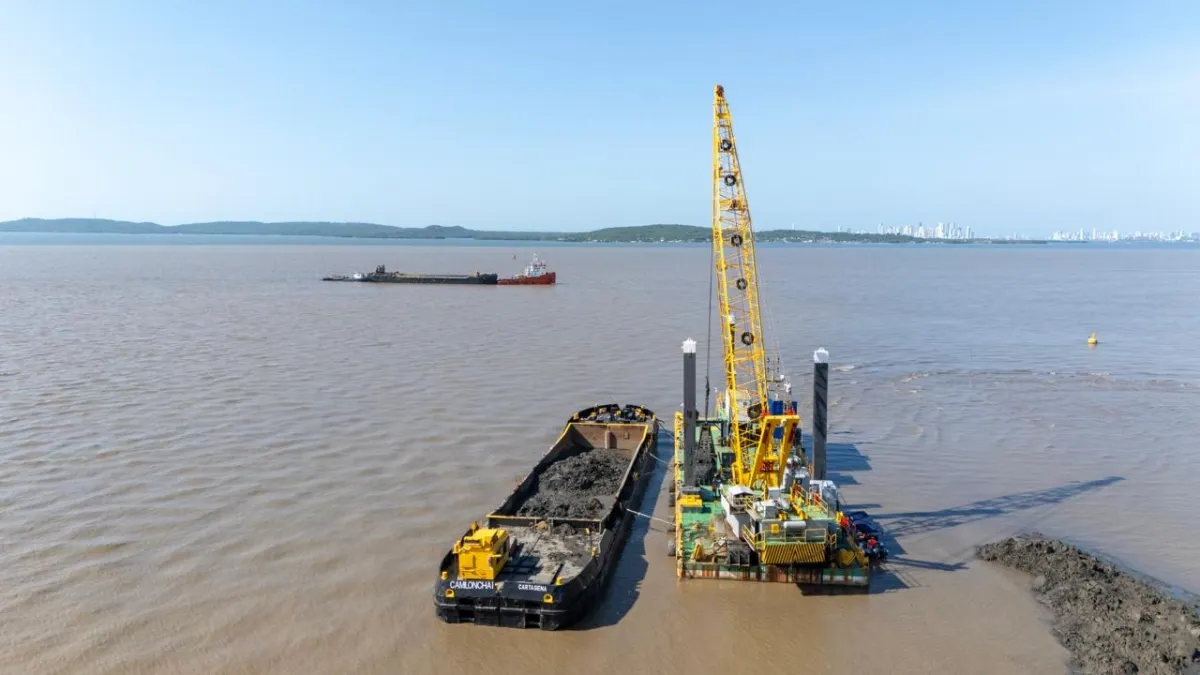
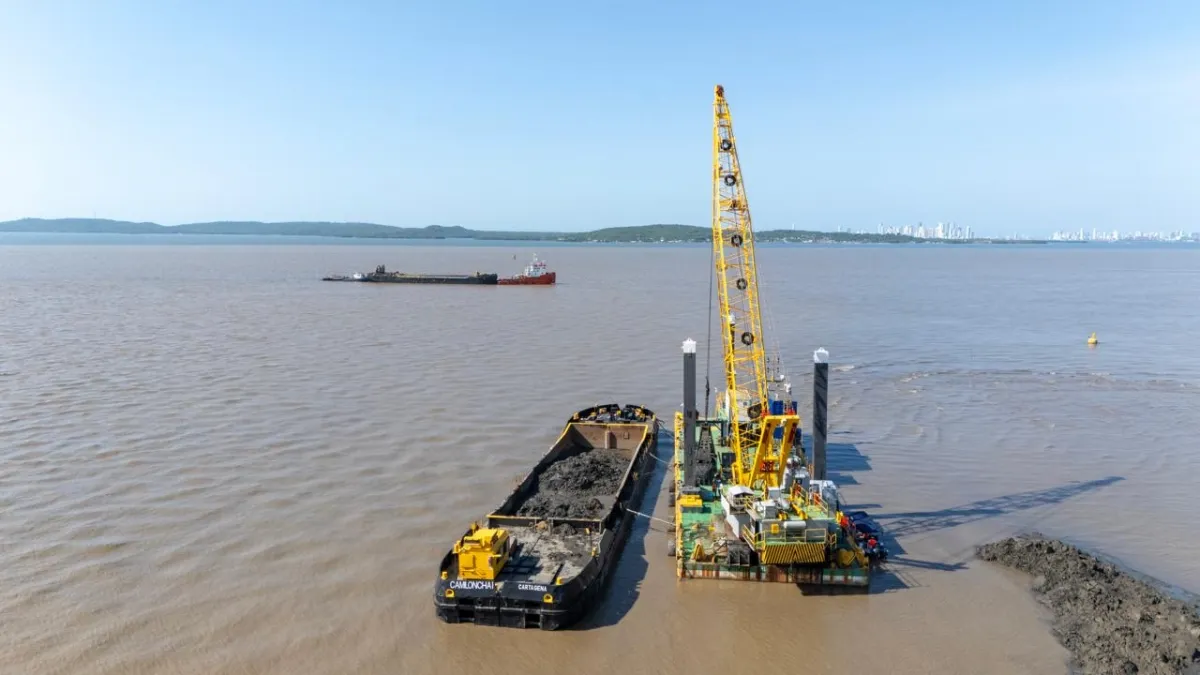
The restoration project is a massive undertaking that spans 115 kilometers of the hydric system, stretching from the municipality of Calamar in Bolívar to the Bay of Cartagena. The technical complexity of the project is reflected in its division into 14 functional units, each designed to address specific environmental and hydraulic challenges.
The primary objective is to manage the flow of water and sediment, which has been the root cause of the system’s instability. By controlling the ingress of sediment from the Magdalena River into the Canal del Dique, the project aims to stabilize the ecosystem, prevent the silting of the Bay of Cartagena, and manage the risk of overflowing that has haunted the surrounding communities for decades.

Historical Context: The Tragedy of 2010
To understand the urgency of these works, one must look back at the devastating events of November 30, 2010. On that day, the structural failure of the canal caused a massive rupture that unleashed a catastrophic flood across the southern part of the Atlántico department.
The tragedy left an indelible mark on the national consciousness. Approximately 180,000 people were displaced or severely affected, losing their homes, livelihoods, and access to essential services. The environmental and agricultural toll was equally staggering: 1.5 million hectares of land were inundated, and the loss of livestock—reaching 30,380 animals—devastated the regional economy. This event served as a wake-up call, proving that the Canal del Dique was a "ticking time bomb" that required a comprehensive, long-term engineering solution.

Chronology of the Stalled Process
The journey to the current reactivation has been fraught with political and administrative obstacles. The project, which was once hailed as a beacon of sustainable infrastructure, hit a major roadblock during the administration of President Gustavo Petro.
The Administrative Paralysis (2024–2026)
The primary point of contention was the validity of the Hidrosedimentological Plan, the technical heart of the project. The National Authority for Environmental Licenses (ANLA) under the previous administration determined that the scale of the proposed interventions was so vast that it required a entirely new environmental license. This decision necessitated a comprehensive Environmental Impact Assessment (EIA) from scratch, a process that would have taken years to complete, effectively halting any physical work on the ground.
The Turnaround (2026)
The landscape shifted significantly on August 10, 2026, under the government of President Abelardo de la Espriella. In a move that signaled a change in the executive’s approach to environmental and infrastructure policy, the ANLA revoked three key resolutions from 2024. By eliminating the requirement for a new, redundant license and restoring the legal validity of the original Hidrosedimentological Plan, the government effectively removed the legal "handcuffs" that had kept the concessionaire from breaking ground.
Official Responses and Strategic Implications
The decision to move forward has been met with relief by local stakeholders, environmentalists, and investors. The project is not only an flood-control mechanism but also a cornerstone of the regional economic strategy.
The Government’s Stance
President Ricardo Ayerbe emphasized that the project’s reactivation is a testament to the administration’s commitment to "getting things done" while balancing environmental responsibility. By aligning the project with the existing, validated scientific studies, the government avoids the "reprocessing" trap that often delays public works in Colombia.
Economic Impact
The Canal del Dique is a critical corridor for cargo transport. Ensuring its navigability and stability is vital for the competitiveness of the port of Cartagena and the inland trade along the Magdalena River. Furthermore, the mitigation of flood risks creates a more stable environment for local agriculture and industrial investment. Economists estimate that the long-term cost of inaction—measured in potential emergency responses and lost economic output—far outweighs the current investment in the restoration.

Future Outlook: Challenges and Expectations
While the signing of the otrosí is a victory, the challenges of execution remain. The project must now transition from the planning and administrative phases to active construction.
- Environmental Monitoring: The restoration of the ecosystem is a delicate process. The concessionaire must ensure that the works comply with the strict environmental standards set forth in the restored Hidrosedimentological Plan to avoid future legal or social conflict.
- Community Engagement: Throughout the construction phase, maintaining a transparent and proactive dialogue with the communities in Bolivar, Atlántico, and Sucre will be essential to ensure social support for the project.
- Logistics and Engineering: The 115-kilometer stretch presents diverse geological and hydraulic conditions. The engineering team will need to coordinate closely to ensure that the 14 functional units are integrated seamlessly.
Conclusion: A Precedent for Resilience
The resolution of the Canal del Dique impasse serves as a powerful case study in the importance of regulatory clarity and the dangers of administrative inertia. For two years, the fear of environmental non-compliance, while valid, was used to create a bureaucratic loop that prevented the very project intended to save the region from environmental disaster.

By restoring the scientific legitimacy of the existing plans, the current administration has set a precedent for how to handle large-scale, complex infrastructure projects in sensitive ecological zones. The success of this restoration will not only secure the lives of the inhabitants of the Caribbean region but will also stand as a benchmark for future climate adaptation projects in Colombia.
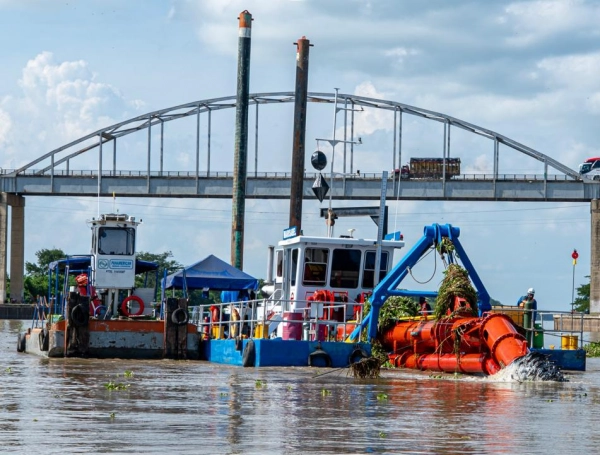
As the heavy machinery begins to move along the banks of the canal, the focus now shifts to the timeline. The nation will be watching closely as the project finally unfolds, hoping that this time, the promise of a safer, more resilient Caribbean becomes a reality. The ghosts of the 2010 floods serve as a constant reminder that for the people of the Dique, time is a luxury they do not have. With this agreement, that time has finally been reclaimed.