By Angie Rodríguez
Lifestyle and Trends Journalist
The fashion industry has always thrived on cycles of remembrance, but few eras have experienced a revival quite as potent and culturally pervasive as the turn of the millennium. The Y2K aesthetic—once defined by MTV music videos, pop icons in low-rise denim, digital optimism, and early-internet futuristic visions—has officially firmly re-anchored itself in contemporary wardrobes.
Far from being a fleeting flash in the pan, the return of Y2K fashion is a mature, cross-generational phenomenon. It blends the fond recollections of those who lived through the era with a fresh, exploratory curiosity from younger generations who view the turn of the century through a romanticized, vintage lens.
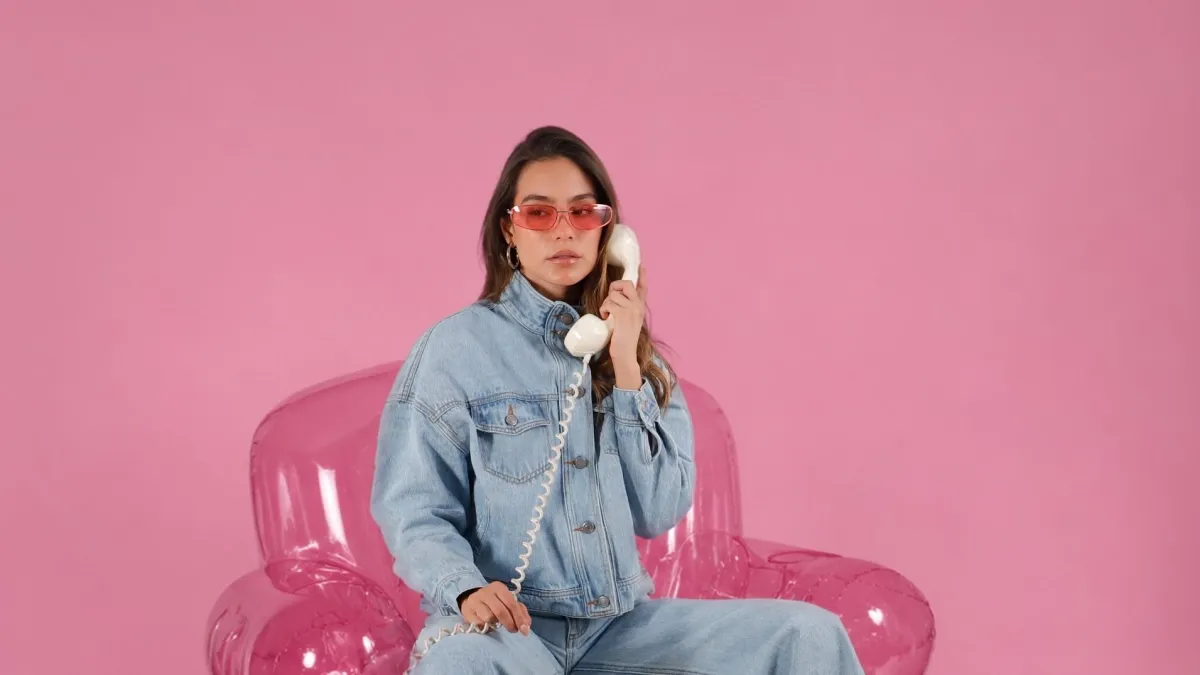
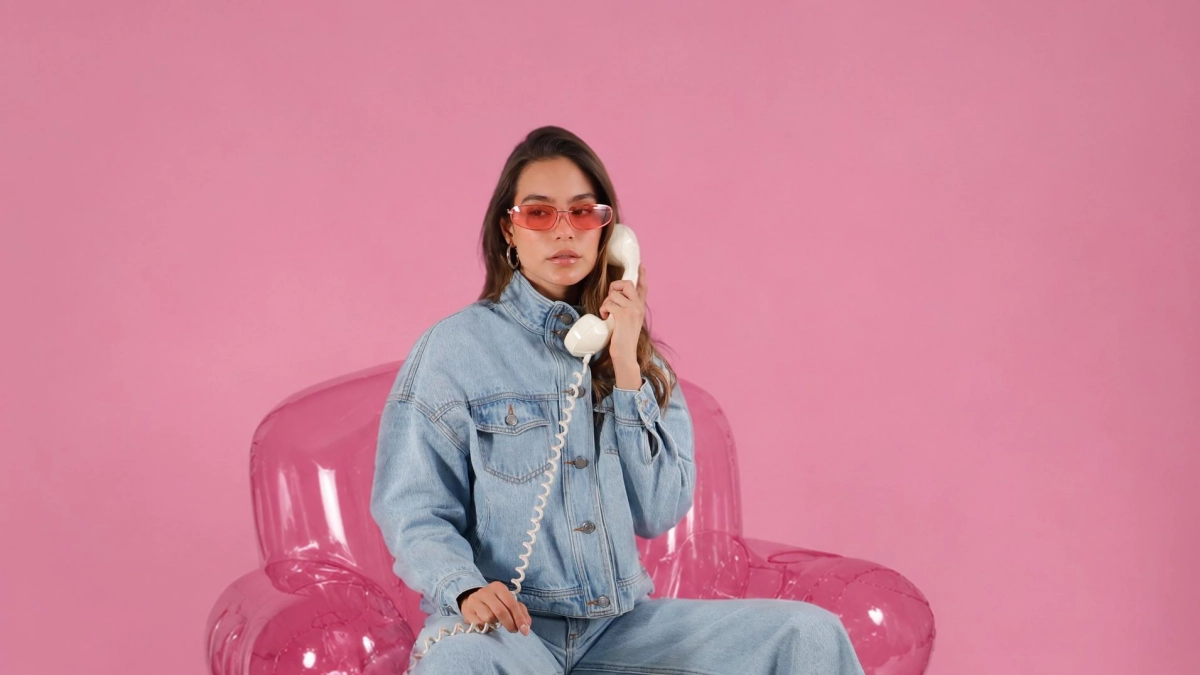
Capitalizing on this widespread cultural appetite, modern collaborations are emerging to bridge the gap between retro style and present-day consumer habits. A prime example is the recent partnership between Colombian fashion brand Flashy and credit fintech Sumas, which launched ‘Flashy x Sumas: Volviendo al pasado’ (Going Back to the Past)—a 14-piece capsule collection designed to bring millennium-era attitude into the modern retail landscape.
Main Facts: The Revival of Millennium Style
The current fashion cycle has breathed new life into the most iconic and divisive sartorial choices of the early 2000s. Wardrobe staples that once dominated school hallways, red carpets, and pop culture magazines are back on the racks, though with subtle structural updates tailored to modern tastes.
Among the standout pieces making a massive comeback are:

- Cargo Pants and Baggy Jeans: Embracing relaxed, oversized silhouettes that prioritize casual comfort over rigid tailoring.
- Baby Tees: Form-fitting, cropped cotton t-shirts often emblazoned with ironic logos, playful graphics, or rhinestones.
- Transparency and Lace: Layered mesh tops, sheer fabrics, and delicate lace details that lean into a playful, daring femininity.
- Corset Tops and Minifaldas: Structured bodices paired with ultra-short skirts, capturing the unapologetically bold spirit of the decade.
- Sporty Polos and Animal Print: Bold patterns and athletic-inspired knitwear that add visual texture and raw energy to everyday outfits.
According to industry analysts, these garments have been carefully redesigned. While they retain the youthful, edgy character of their predecessors, alterations in fabric composition, waist heights, and overall fit make them wearable and flattering for today’s consumers rather than mere costume pieces.
Chronology: From the Turn of the Century to the Modern Revival
To understand how cargo pants and baby tees reclaimed the spotlight, it is essential to trace the trajectory of this aesthetic from its cultural inception to its modern renaissance:
- 1999–2004 (The Original Era): Driven by rapid technological growth, the dawn of the new millennium sparked a wave of futuristic optimism in pop culture. Artists like Britney Spears, Destiny’s Child, Christina Aguilera, and *NSYNC defined a distinct visual language characterized by metallic fabrics, tinted sunglasses, exposed thongs, chunky highlights, and ultra-low-rise denim.
- 2010s (The Minimalist Interlude): As a direct reaction to the excess of the 2000s, fashion swung heavily toward minimalist aesthetics, clean lines, monochromatic palettes, and normcore. For a time, early-2000s fashion was widely labeled as a "sartorial dark age."
- Late 2010s to 2020 (The Digital Resurgence): Gen Z, discovering archives of late-90s and early-2000s pop culture via TikTok, Instagram, and Pinterest, began treating the era as a goldmine of vintage cool. Thrift stores saw surges in demand for vintage brand pieces, sparking the initial spark of the modern Y2K wave.
- 2023–Present (Mainstream Commercial Integration): Designers and high-street retailers move past niche thrift curation into full-scale production. Collaborations like ‘Flashy x Sumas: Volviendo al pasado’ mark the transition of Y2K from an underground internet subculture into a structured, highly commercial retail trend backed by modern financial tools.
Supporting Data: The Economics of Style and Credit
The intersection of fashion and modern fintech reveals fascinating insights into how contemporary consumers—particularly women—finance their wardrobe updates. Far from paying exclusively with cash or traditional credit cards, shoppers are increasingly leveraging flexible credit solutions to stay on trend.

Carmen Elisa Gómez, CEO of Sumas, highlights a shifting paradigm in consumer behavior regarding apparel purchases:
"Each time, more people buy their clothes on credit because it allows them to premier new outfits, pay in easy installments, and stay on trend without financial strain."
Key data points driving this market segment include:

- Female Demographic Dominance: Women represent more than 60 percent of Sumas’s client base in the fashion segment. Gómez notes that female consumers frequently shop not only for themselves but also act as purchasing managers for their entire households.
- The Holiday Season Surge: For digital lenders and fashion retailers alike, November and December form the financial backbone of the year, accounting for approximately 30 percent of annual billing.
- Macroeconomic Footprint: With consumer demand holding steady, Sumas is on track to hit an impressive 1.2 trillion pesos in billings for the year, supported by an active user base of around one million clients.
This data demonstrates that the desire to look stylish and participate in cultural micro-trends is not hindered by economic constraints; rather, it is actively facilitated by accessible, digital-first credit alternatives.
Official Responses and Strategic Vision
The partnership between Flashy and Sumas was born out of a strategic need to offer something distinct in a crowded, fast-paced retail market. As consumer attention spans shorten and trend cycles accelerate, brands must deliver emotional resonance alongside physical products.
Carmen Elisa Gómez explained that the collaboration was specifically designed to provide an alternative purchasing journey while cutting through the noise of competing market trends. By merging nostalgic aesthetics with modern financial flexibility, the companies aim to capture a dual-market advantage.

For Flashy, tapping into the Y2K movement allows the brand to connect deeply with younger demographics who treat clothing as a form of identity exploration. For Sumas, the collaboration serves as a practical demonstration of how credit solutions can empower personal expression.
"We wanted to present a proposition that feels fresh yet deeply familiar," Gómez noted during the collection’s rollout. "It’s about honoring a decade of unapologetic fun while giving our clients the tools to wear it comfortably on their own terms."
Implications: A Bridge Between Generations
The Y2K revival is much more than a nostalgic exercise in reliving youth or capitalizing on retro branding—it represents a fascinating psychological and cultural bridge between generations.

1. Generational Dialogue
For Millennials who lived through the original millennium shift, wearing these updated pieces serves as a playful nod to their formative years. It is a chance to reclaim elements of their youth with the maturity, financial independence, and fashion wisdom they possess today. Conversely, for Generation Z, wearing low-rise waists and baby tees is an act of historical discovery. They are unearthing an era they were too young to experience firsthand, recontextualizing it through modern lenses of body positivity, sustainability (via vintage exploration), and digital self-expression.
2. The Evolution of Consumer Credit in Retail
The success of collections backed by fintech platforms like Sumas highlights a broader shift in retail economics. Fashion is no longer viewed strictly as an immediate cash purchase commodity. Instead, accessible credit models are transforming how consumers curate their seasonal wardrobes, allowing them to participate in fast-moving micro-trends without compromising their monthly financial stability.
3. Sustainability Through Modern Interpretation
While fast fashion has historically driven trend revivals, contemporary iterations of Y2K fashion—especially when coupled with mindful credit use and capsule collections—encourage more intentional curation. By limiting capsule releases to targeted references (such as the 14-piece Flashy x Sumas line), brands can satisfy consumer cravings for novelty while curbing mass overproduction.

As the retail landscape continues to evolve through the end of the year and beyond, the marriage of millennial nostalgia, Gen Z curiosity, and flexible financial technology proves that the past will always find a lucrative, stylish way back into the future.