By Edwin Caicedo Environment and Health Journalist
When it comes to culinary arts, the secret to a world-class dish often lies in its foundation. For centuries, home cooks and professional chefs alike have grappled with a persistent gastronomic puzzle: why do some fish broths turn out rich, aromatic, and deeply satisfying, while others taste watery, bitter, or overwhelmingly fishy?
According to culinary experts and nutritionists, the magic of an exceptional seafood stock extends far beyond simply tossing leftover fish parts into boiling water. The choice of specific ingredients, their precise preparation, and the nuanced management of the cooking process are the true determinants of a superior culinary preparation.
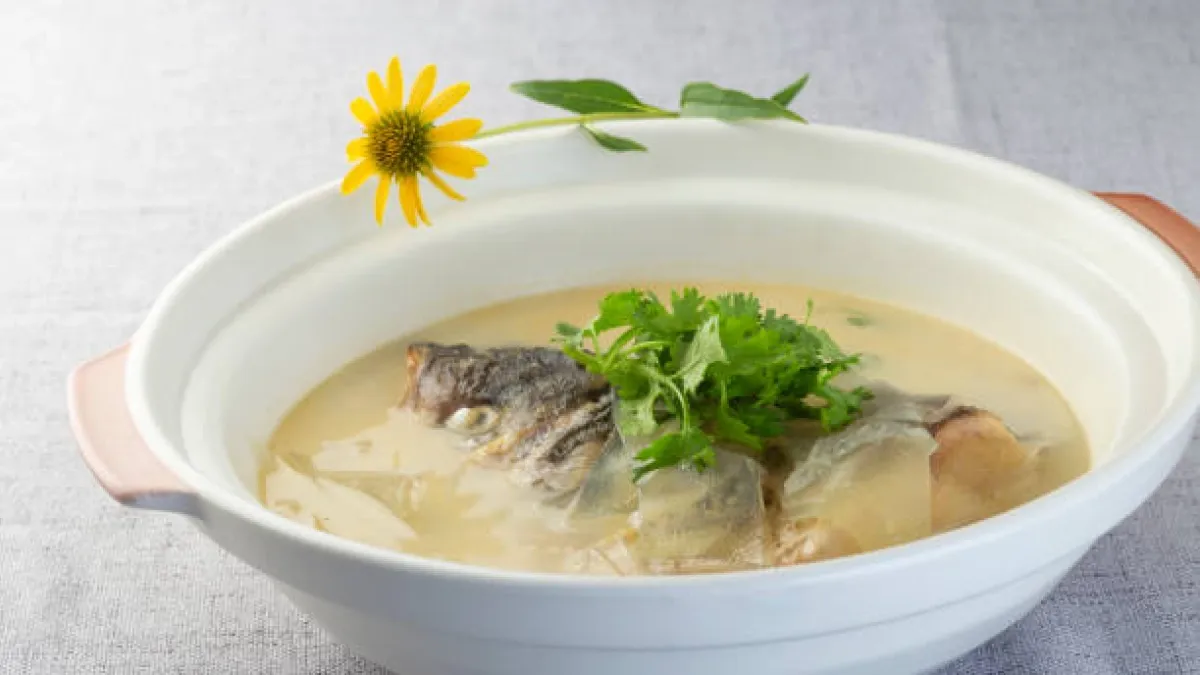
In a recent detailed advisory, renowned nutritionist Blanca García shared her foolproof, straightforward recipe for a master white fish broth. By deliberately combining nutrient-dense fish heads and bones with carefully selected aromatics—specifically onion, leek, and garlic—García provides a masterclass in how to elevate a humble kitchen byproduct into a rich, flavorful, and versatile liquid gold that can serve as the cornerstone for countless recipes, from paellas and risottos to standalone seafood soups.
Main Facts: Anatomy of an Exceptional Fish Broth
At its core, a magnificent fish broth requires a delicate balance of science, chemistry, and culinary technique. García’s blueprint relies on a precise formula designed to maximize flavor extraction while eliminating undesirable elements that can ruin the final product.
The primary building blocks of García’s recipe include:
The Fish Base: Exactly one kilogram of fresh white fish bones, frames, and heads. Recommended species include clean-tasting white fish such as hake (merluza), monkfish (rape), turbot (rodaballo), pollack/gurnard (gallo), or sea bass (lubina).
The Aromatics: One medium-sized onion, one leek (utilizing strictly the tender white portion), and two to three cloves of garlic (added optionally for a subtle, aromatic backbone).
The Liquid Medium: Approximately one and a half liters of cold water, which acts as the thermal catalyst for drawing out soluble proteins and flavors gently.
The Seasoning: Fine sea salt, deliberately reserved for the very end of the cooking process to prevent premature concentration and over-salting.
Unlike hearty meat broths that require hours of simmering, a fish stock operates on a much tighter schedule. Because fish bones and connective tissues are delicate, overcooking can quickly degrade the liquid, turning a clean, fragrant broth into a murky, pungent, and texturally unpleasant mixture. García’s guidelines emphasize precision, cleanliness, and timing to ensure an optimal gastronomic result.
Chronology: Step-by-Step Culinary Methodology
Achieving perfection in the kitchen requires a methodical approach. Below is the chronological breakdown of Blanca García’s expert methodology for crafting the ultimate white fish broth, designed to guide home cooks through each critical phase of the process.
Phase 1: Meticulous Preparation and Cleansing (Minutes 0–10)
The foundation of a pristine broth begins long before the ingredients touch the heat. García stresses that the first step must be the thorough inspection and washing of the fish heads and bones.
The Purge: Run the fish parts under cold, running water to remove any lingering traces of blood, clots, or impurities.
Gills Removal: Crucially, the gills must be entirely excised and discarded. The gills trap blood and debris, and if left intact, they will impart a harsh, bitter flavor to the broth that cannot be reversed later.
Species Selection Check: Ensure that only white fish remains are used. García explicitly warns against utilizing bones from oily fish (such as mackerel, sardines, or tuna), as their high fat content and robust, oily profiles will overwhelm the delicate nature of the stock. Furthermore, all viscera must be strictly avoided to prevent unwanted bitterness.
Phase 2: Assembly and Thermal Initiation (Minutes 10–15)
Once the biological components are pristine, the assembly phase begins.
The Pot Setup: Place the cleaned white fish heads and bones into a spacious stockpot.
The Aromatics: Add the peeled onion (left whole or quartered for easy removal), the thoroughly washed white section of the leek, and the optional garlic cloves directly into the pot with the fish.
The Cold Water Shock: Pour approximately one and a half liters of cold water over the contents. Starting with cold water is a fundamental rule of stock-making; it allows the temperature to rise gradually, enabling the proteins within the bones and connective tissues to dissolve slowly into the liquid, maximizing body and flavor extraction.
Phase 3: The Simmer and Clarification Process (Minutes 15–55)
With the pot on the burner, the chemical transformation commences under the careful supervision of the cook.
Bringing to a Boil: Place the pot over high heat and bring the liquid to an initial rolling boil.
Skimming Impurities: As the temperature rises, a grey or brownish foam—composed of coagulated proteins and impurities—will naturally float to the surface. García advises using a slotted spoon (espumadera) to meticulously skim away this scum. Removing these surface impurities is vital for achieving a clear, visually appealing, and cleanly flavored broth.
Reducing the Heat: Once the boil is reached and skimmed, immediately reduce the heat to a medium-low intensity. The liquid should maintain a gentle, rolling simmer rather than a violent boil.
The Lid Position: Leave the pot partially covered. A completely sealed lid can cause the broth to boil too vigorously, while leaving it entirely open may result in excessive evaporation.
Gentle Agitation: Every 10 to 15 minutes, gently stir the contents with a wooden spoon. This periodic movement helps release the aromatic oils from the onions, leeks, and garlic, and aids in drawing flavor from the bones without physically breaking or shattering them, which could release tiny bone fragments into the liquid.
Phase 4: Finalization and Resting (Minutes 55–70)
Timing the Cook: Allow the stock to simmer gently for a total duration of 30 to 40 minutes from the time the heat was reduced. Prolonged simmering of white fish bones beyond this window yields diminishing returns and can introduce a chalky texture.
The Late Salting Technique: Just before turning off the heat, incorporate the sea salt. García highlights this detail as crucial: adding salt at the beginning of the cooking process leads to water evaporation and an unpredictable, overly concentrated sodium level. Salting at the very end guarantees a balanced profile.
The Resting Period: Once removed from the heat source, do not strain or serve immediately. Allow the broth to rest undisturbed for 10 to 15 minutes. This resting phase allows the complex flavors to settle and harmonize, while allowing any remaining microscopic sediment to sink to the bottom of the vessel.
Strain and Store: Carefully pass the liquid through a fine-mesh sieve or a cheesecloth-lined colander. The resulting golden, aromatic broth is now ready for immediate use in your favorite recipes, or it can be cooled, refrigerated for up to 48 hours, or frozen for future culinary endeavors.
Supporting Data: The Nutritional and Gastronomic Value of Fish Broths
While flavor is often the primary motivator in the kitchen, broths made from fish heads and bones offer a surprising array of nutritional benefits that elevate them from mere flavor enhancers to true wellness boosters.
Collagen and Gelatin: Fish bones, skin, and particularly heads are rich in marine collagen. When simmered, this collagen breaks down into gelatin, which not only provides a pleasing, velvety mouthfeel to the broth but also supports joint health, skin elasticity, and gut lining integrity.
Mineral Bioavailability: The slow extraction process in water helps leach essential minerals—such as calcium, phosphorus, magnesium, and potassium—directly from the bones into an easily digestible, bioavailable liquid form.
Lean Protein and Amino Acids: White fish stocks are naturally low in calories and fat while providing a rich profile of amino acids like glycine and proline, which play critical roles in metabolic regulation and anti-inflammatory pathways in the human body.
Low Sodium Control: By preparing homemade stock rather than relying on commercial bouillon cubes or pre-made carton broths, home cooks maintain absolute control over their sodium intake, avoiding the heavy preservatives, artificial flavor enhancers, and excess sodium commonly found in processed alternatives.
Official Responses and Expert Insights
The growing emphasis on utilizing overlooked parts of fish—such as heads, bones, and skins—aligns with a broader global movement toward sustainable gastronomy and nose-to-tail (or fin-to-tail) cooking. Nutritionists, environmental scientists, and culinary professionals alike have championed these traditional techniques as practical solutions to modern ecological and dietary challenges.
In her nutritional advisories, Blanca García emphasizes that modern kitchens often discard the most nutrient-dense components of seafood out of a misplaced sense of squeamishness or lack of culinary knowledge.
"When we throw away the head and bones of a quality white fish, we are discarding a literal treasure trove of flavor and nutrition," notes García. "With just a bit of technique, a few basic vegetables like leek and onion, and proper attention to temperature and timing, anyone can transform what was once considered waste into the shining star of their kitchen."
Environmental advocates point out that maximizing the utilization of seafood purchases significantly reduces household food waste. Given the global pressures on marine ecosystems and commercial fisheries, adopting practices that extract maximum value from every harvested fish is an essential step toward a more sustainable relationship with our oceans.
Implications: Elevating Home Cooking and Promoting Sustainability
The implications of adopting expert-backed techniques for making white fish stock extend far beyond the immediate boundaries of the home kitchen. They touch upon health, economics, and environmental stewardship in profound ways.
1. Economic Efficiency in the Kitchen
Seafood can be one of the most expensive components of a grocery budget. By purchasing whole fish—or explicitly asking fishmongers to package the heads and frames alongside fillet purchases—home cooks can acquire high-grade raw materials for stocks at little to no extra cost. This practice stretches household budgets while dramatically upgrading the quality of everyday cooking.
2. Culinary Empowerment
Mastering a foundational technique like a white fish broth liberates home cooks from reliance on ultra-processed, store-bought broths and flavor packets. Armed with a clean, homemade stock, the culinary possibilities expand exponentially. Whether crafting a velvety seafood chowder, infusing a Spanish paella with oceanic depth, or using it as the liquid base for a delicate vegetable risotto, the depth of flavor achieved through proper technique is undeniable.
3. A Shift Toward Sustainable Consumption Habits
As consumers become increasingly conscious of the environmental footprint of their diets, culinary education plays a pivotal role in changing behaviors. Recipes that champion the use of "scraps"—such as fish bones, vegetable peels, and aromatic roots—foster a culture of respect for food resources. By normalizing the preparation of fish stock from heads and bones, society moves one step closer to a circular culinary economy where waste is systematically minimized, and the full value of natural resources is honored.
In conclusion, Blanca García’s expert guide serves as a timely reminder that great cooking is rarely about complicated machinery or expensive exotic ingredients. Instead, it is rooted in timeless principles: respect for quality produce, meticulous attention to preparation, and an understanding of the subtle chemistry that occurs when heat, water, and wholesome ingredients meet in a simple kitchen pot.
Gastronomy and nutrition experts reveal that achieving a deeply comforting, restaurant-quality homemade beef broth is not a matter of luck, but the result of a deliberate choice made long before turning on the stove: selecting…
By Felipe Santanilla Ayala Redacción Últimas Noticias Enriched and Translated Edition Main Facts In a high-stakes escalation of political and legal friction between regional authorities and the central government, the Governor of Antioquia, Andrés Julián…
Global Desk — In less than a decade, the air fryer has transitioned from a niche kitchen gadget to an absolute household staple. Praised for its ability to deliver the satisfying crunch of deep-fried food…