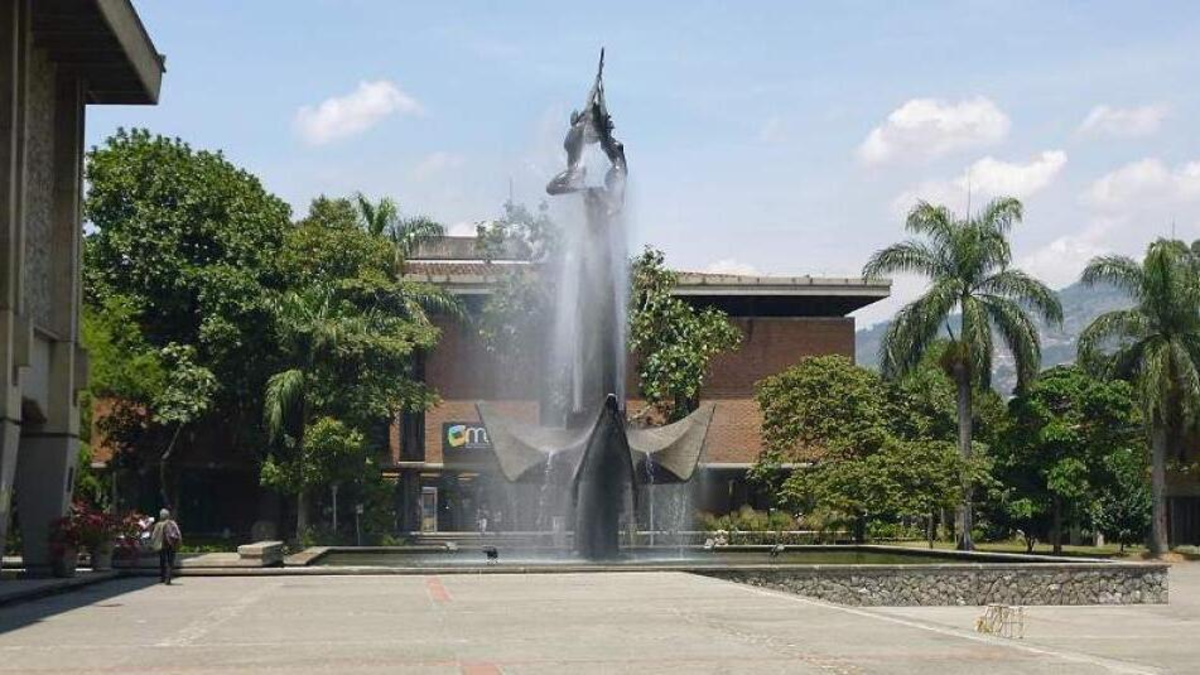
The prestigious institution faces a new wave of security challenges as authorities move to neutralize digital loopholes in its high-stakes entry process.
MEDELLÍN, COLOMBIA – The University of Antioquia (UdeA), one of Colombia’s most esteemed academic institutions, has been thrust into a rigorous security crisis following the discovery of a sophisticated attempt to compromise its entrance examination for the 2027-1 academic cycle. While the institution maintains a reputation for academic rigor and ironclad testing protocols, the recent incident at its Ciudad Universitaria campus in Medellín has prompted an immediate overhaul of its digital security measures.
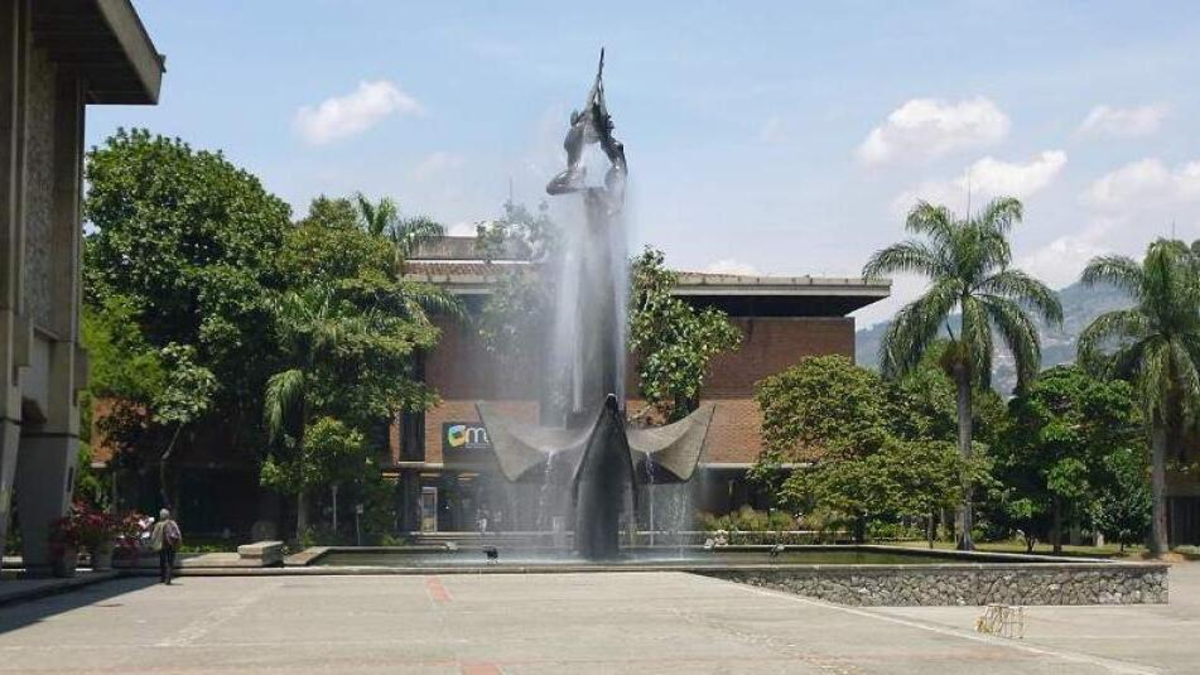
University authorities confirmed that while the vast majority of the examination process was conducted with standard integrity, a coordinated effort to transmit answers electronically was detected in real-time. As a direct consequence, the university has announced a paradigm shift in its logistical operations: the implementation of signal-blocking technology across its campus to prevent the use of data transmission devices during future evaluations.
The Anatomy of the Fraud Attempt
The incident unfolded on the Medellín campus, where the scale of the operation—involving over 25,000 students out of a total applicant pool of 35,000—provided both a logistical challenge and a cover for illicit activities.

According to official statements from the university, the breach was not a result of a pre-existing leak of the examination booklets. Rather, the illicit activity occurred mid-process. The university’s security apparatus, which includes sophisticated monitoring and real-time response teams, detected unauthorized transmissions that began only after the first wave of applicants had concluded their tests and exited the classrooms.
This specific timing is critical. It suggests that the perpetrators did not gain access to the secure vault where the exams are stored, nor did they intercept the papers during transit. Instead, it indicates a "leaking" model where participants who finished early or had unauthorized access to the test contents attempted to broadcast answers to those still inside the testing rooms.

"The integrity of our admission process is the bedrock of our academic mission," noted a spokesperson for the administration. "The fact that the transmission began only after students had left the premises confirms that our internal chains of custody regarding the physical booklets remain uncompromised."
Chronology of the Incident and Investigative Response
The events of the examination day were marked by a high degree of administrative oversight. During the third day of the testing period, the institution’s top leadership—including Rector Luquegi Gil Neira, Vicerector of Teaching Wilson Bolívar Buriticá, and the head of the Department of Admissions and Registration, Edinson Gabriel Brand Monsalve—were personally conducting a tour of the campus to verify the strict security protocols in place.

The Timeline:
- Morning Sessions: The examination began with standard entry procedures. Despite the high volume of candidates, entry was reported as orderly.
- The Breach: As the first cohort of students concluded their exams and exited the facilities, the university’s internal monitoring systems detected anomalies in data traffic originating from within the campus perimeter.
- Immediate Action: Security teams cross-referenced the detected digital activity with the physical locations of students within the classrooms.
- Identification: By the time the final exams were handed in, the university had already successfully identified at least one individual directly involved in the attempted transmission of information.
- Post-Exam Assessment: By the afternoon of the same day, the administration issued a preliminary report confirming the breach and announcing that the institution would pursue all applicable legal actions against those identified.
The university clarified that the incident was isolated to the Medellín headquarters. In the 12 regional campuses where the UdeA also administers exams, the process concluded without a single reported irregularity, suggesting that the sophistication of the fraud attempt was likely tied to the specific connectivity landscape of the main campus.
Rigorous Security Protocols: How the System Works
To understand the scope of the attempted fraud, one must understand the layers of protection the University of Antioquia maintains. The UdeA’s Department of Admissions and Registration operates under a "zero-trust" model that is rarely seen outside of government intelligence or highly sensitive industrial operations.

The Secure Chain of Custody:
- The "Black Box" Production: The creation, printing, and packaging of the test booklets occur in dedicated, secure facilities. These areas operate on an "air-gapped" basis—meaning all computers used in the process have no physical or wireless connection to the internet.
- Custodian Control: Only one designated high-level official has access to the digital files and the printing process.
- The Double-Key Vault: Once printed, the booklets are placed in tamper-proof security bags. These bags are then stored in a high-security cabinet protected by a dual-key system, which remains locked until the morning of the exam.
- In-Room Supervision: On the day of the exam, the booklets are transferred to the designated classroom coordinator. From that point forward, the professor in charge of the room holds full personal responsibility for the integrity of the materials until they are collected.
- Human Capital: The committees tasked with drafting the questions are composed of postgraduate-level educators. They are required to sign strict confidentiality agreements and are prohibited from possessing personal electronic devices within the work zones.
The university emphasizes that this protocol applies to everything from undergraduate admissions to the highly competitive medical specialization exams. The post-exam phase is equally rigorous: the answer sheets are collected, sealed, and processed in the presence of an oversight committee, with every step documented in an official report sent directly to the Rector’s office.
The Impetus for Change: New Security Measures
The UdeA has acknowledged a sobering reality: as traditional security methods improve, the methods used by those attempting to cheat are evolving at an equal, if not faster, pace. The transition from physical paper theft to digital, real-time transmission represents the "new frontier" of academic dishonesty.

"We are constantly refining our monitoring systems," said an official statement. "We recognize that the methods used to undermine our evaluations are becoming increasingly technological. Our response must be equally proactive."
In response to this incident, the University of Antioquia has announced a three-pillar strategy to prevent future breaches:

- Signal Jamming: The most significant announcement is the decision to implement signal-blocking and data-filtering technology across the Ciudad Universitaria campus. This move, while controversial in some privacy-focused circles, is being framed as an essential measure to ensure that no wireless devices can communicate with the outside world during the window of the examination.
- Enhanced Digital Monitoring: The institution will invest in new software capable of identifying electromagnetic signatures or unauthorized data packets being transmitted from inside exam halls.
- Legal Escalation: The university has confirmed it is working with the relevant authorities to prosecute those involved. The goal is to set a legal precedent that cheating on a public university exam is not merely an academic infraction but a criminal matter that carries serious consequences.
Implications for Public Higher Education
The attempted fraud at the University of Antioquia serves as a bellwether for the challenges facing public higher education in Colombia and across Latin America. When a university like UdeA, which serves as a beacon of social mobility for thousands of students, is targeted, the impact is felt far beyond the campus walls.
For the students, the primary concern is fairness. With over 35,000 applicants vying for limited spots, any attempt to skew the results undermines the meritocratic foundation of the institution. By identifying the suspects and promising legal action, the UdeA is attempting to reassure the public that the process remains valid and that the efforts of honest students will be protected.

Furthermore, this incident highlights the increasing vulnerability of high-stakes testing in an era of ubiquitous mobile connectivity. As the UdeA moves toward a "hardened" campus environment, other institutions across the country are likely to follow suit. The debate over the balance between privacy and academic integrity is expected to intensify as universities adopt more aggressive surveillance techniques.
As the 2027-1 admissions cycle progresses, all eyes will be on how the university implements these new security measures. The administration has made it clear: while they are committed to providing access to education, they are equally committed to ensuring that the path to a degree is earned through intellectual effort alone.

The University of Antioquia remains a resilient institution, and this incident, while a blow to its sense of total security, has served as a catalyst for a necessary modernization of its defensive infrastructure. The message to future applicants is clear: the university is watching, the protocols are tightening, and the cost of attempting to circumvent the system has never been higher.