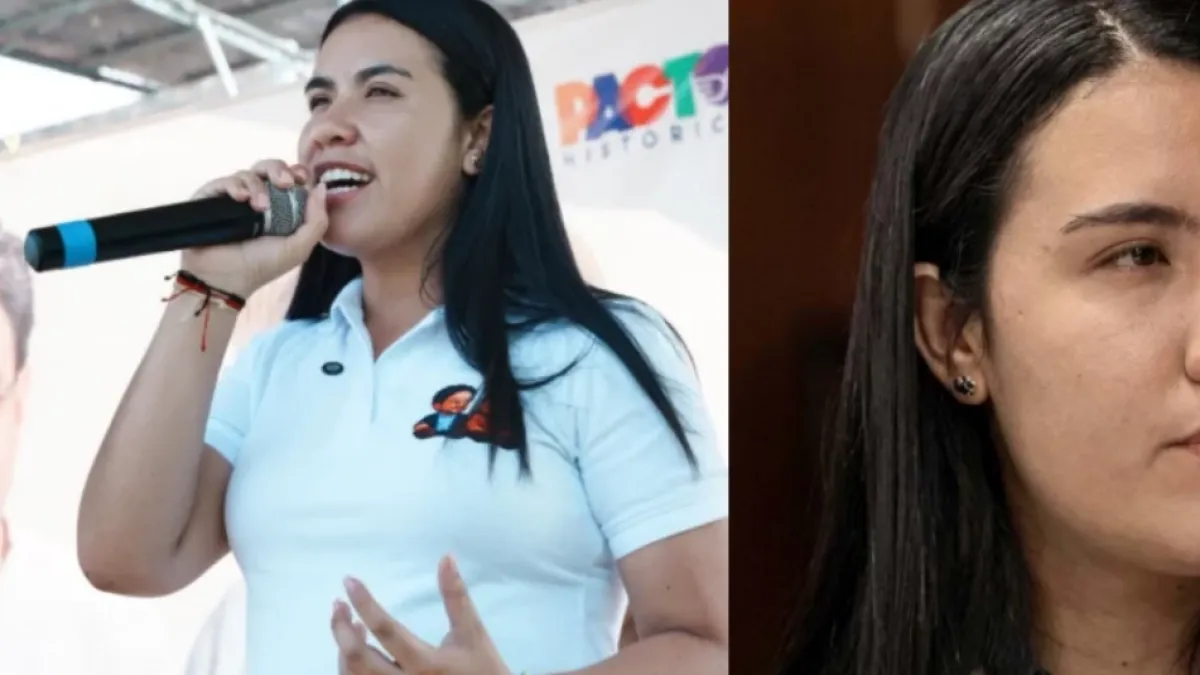
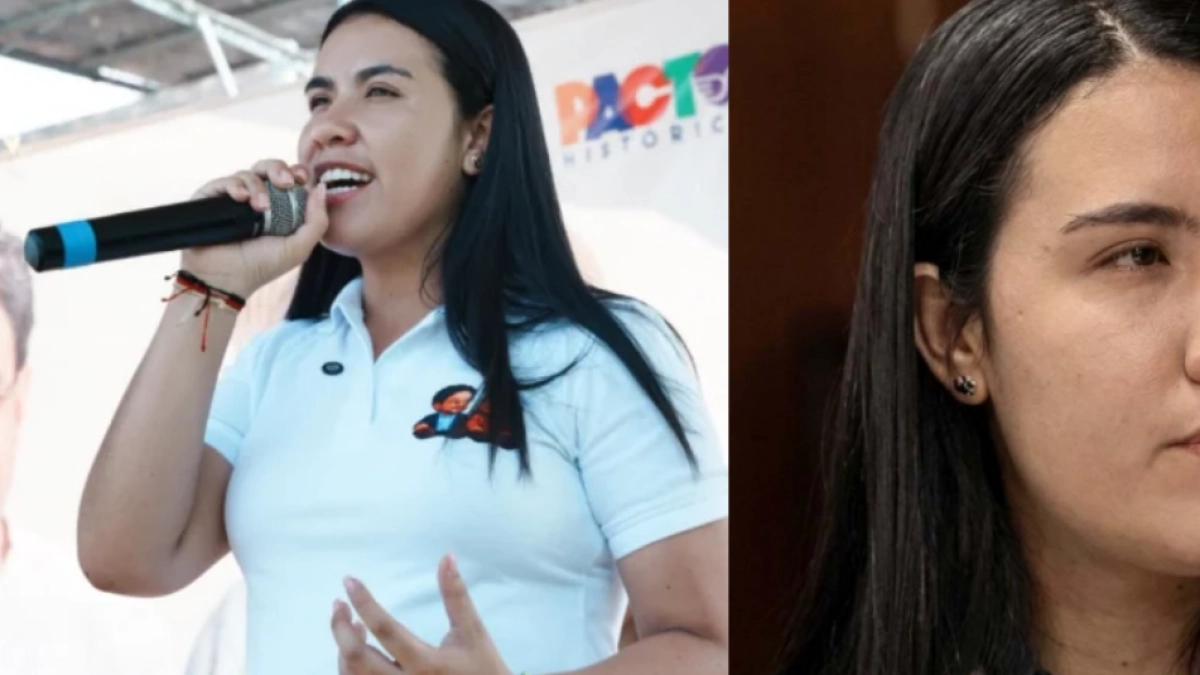
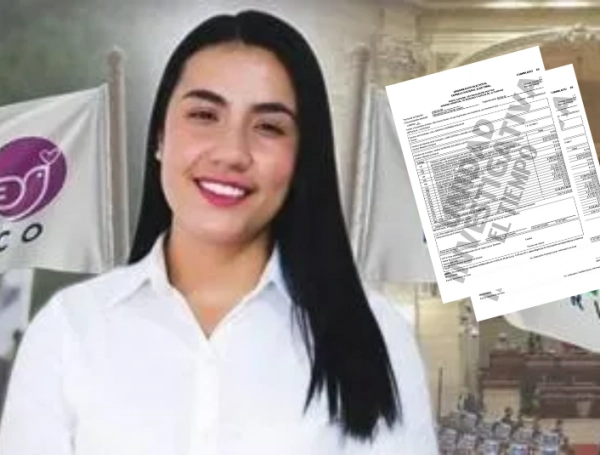
BOGOTÁ, COLOMBIA — A major political and ethical storm has engulfed Colombia’s ruling progressive coalition, the Pacto Histórico, following the revelation of profound inconsistencies in the academic credentials of Luz Verónica Estrada, a high-profile member of the House of Representatives representing the Department of Antioquia. The controversy—sparked by official verification from one of the country’s most prestigious institutions of higher education—has sent shockwaves through the national legislative branch, triggering demands for immediate resignations, formal criminal investigations, and rigorous internal audits across all political parties.
As the scandal intensifies, foundational leaders of the progressive movement, including former President Gustavo Petro and Senator Iván Cepeda, alongside anti-corruption watchdogs and opposition lawmakers, have unified in condemning any attempt to subvert public trust through fraudulent credentials. The unfolding crisis threatens to reshape accountability standards for elected officials in Colombia, bringing structural questions about the vetting of political candidates to the forefront of the national agenda.
Main Facts of the Controversy
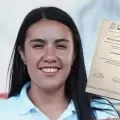
The core of the controversy centers on the verified academic history of Representative Luz Verónica Estrada. Public scrutiny intensified after the Universidad Nacional de Colombia (National University of Colombia) issued a definitive institutional statement addressing queries regarding Estrada’s purported background.
According to an official communication dated October 23, 2025, the university’s administrative and academic archives were subjected to exhaustive physical and digital reviews. The objective was to verify Estrada’s claim of having graduated from the Undergraduate Program in Mining and Metallurgical Engineering at the university’s Medellín campus. The institutional response was unequivocal:
"It is certified that after reviewing both the physical and digital archives of this dependency, no record was found indicating that she is a graduate of this university and campus from the aforementioned undergraduate curricular program," the public institution declared.
The absence of an authentic degree from a major public university immediately transformed what might have been a localized biographical discrepancy into a severe institutional crisis. In Colombia, holding public office under false pretenses—specifically utilizing fraudulent academic degrees or professional titles to accredit professional capacity—constitutes a serious criminal offense, implicating crimes such as falsification of documents and simulation of public functions.
Adding institutional weight to the unfolding scandal, Representative Jennifer Pedraza of the Dignidad y Compromiso party took decisive legal action. Pedraza formally filed complaints with Colombia’s supreme accountability and judicial bodies, including the Supreme Court of Justice, the Office of the Attorney General (Fiscalía General de la Nación), the Inspector General’s Office (Procuraduría General de la Nación), and the Office of the Comptroller General (Contraloría General de la República).
"No one makes a mockery of public education," Pedraza stated forcefully via social media channels, demanding Estrada’s immediate departure from Congress. "The National University is to be respected. Resign now!"
Chronology of Events
To understand the trajectory of the scandal, it is essential to trace the sequence of events from the initial institutional findings to the present legislative paralysis:
October 23, 2025: The Universidad Nacional de Colombia formally certifies that it holds no records of Luz Verónica Estrada completing her studies or graduating from the Mining and Metallurgical Engineering program in Medellín.
November 18, 2026: As the academic document discrepancies become public knowledge and generate intense media pressure, the Pacto Histórico leadership coalition issues a preliminary statement denouncing any acts of bad faith or falsity. The party announces that the matter will be elevated to its ethical oversight bodies.
November 19, 2026: Senator Iván Cepeda addresses the media during public mobilizations, publicly stating that individuals who deceive the nation must face absolute accountability. Concurrently, a group of progressive lawmakers—including Representative Laura Daniela Beltrán (known popularly as “Lalis”)—initiates an internal petition demanding the mandatory publication of resumes and academic certificates for the entire legislative caucus.
November 21, 2026: The scandal reaches a critical peak. Former President Gustavo Petro publicly distances himself from the controversy on digital platforms, asserting that he did not even know Estrada at the time of her candidacy. Meanwhile, reports emerge indicating that rather than resigning, Representative Estrada has chosen to legally delegate her defense to private legal counsel, deepening the political standoff.
Supporting Data and Institutional Context
The controversy highlights a historical vulnerability within Colombian electoral politics: the historical leniency with which candidate résumés have been vetted by political parties before securing ballot placement. While Colombian electoral law mandates basic legal requirements for running for the House of Representatives—such as age, citizenship, and the absence of specific criminal disqualifications—comprehensive verification of academic or professional titles has traditionally relied heavily on the honor system.
The Pacto Histórico, a coalition that rose to national prominence on an explicit platform of systemic anti-corruption, transparency, and the defense of public institutions, finds its foundational ethos tested by this incident. The involvement of the Universidad Nacional de Colombia—a pillar of higher education whose autonomy and integrity are fiercely defended across the ideological spectrum—has amplified public anger. The notion that a public official may have invoked a degree from a premier public institution to validate their legislative fitness is viewed by critics as a direct affront to millions of Colombians who struggle to access formal, merit-based higher education.
Official Responses and Political Repercussions
The political fallout within the Pacto Histórico and the broader Colombian legislature has been swift and deeply polarized. High-ranking figures within the progressive movement have moved aggressively to isolate the coalition from Estrada’s actions, aiming to protect the broader political brand from permanent damage.
Former President Gustavo Petro
Taking to social media platform X on the morning of November 21, 2026, former President Gustavo Petro categorically distanced himself from the embattled representative. Expressing profound frustration at the implications of the scandal, Petro wrote:
"I didn’t even know Verónica Estrada at that time. A bunch of liars."
Senator Iván Cepeda
Senator Iván Cepeda, one of the primary ideological leaders of the Pacto Histórico, reinforced the party’s official stance during public addresses on November 19. While acknowledging that Estrada is entitled to due process and a legal defense, Cepeda drew a bright red line regarding accountability:
"People who lie to the country, people who present falsified documents, have to assume the consequences. Here there are guarantees that must be given for the defense of this person, but if there is a situation of that nature, she has to respond."
The Coalition’s Disciplinary Actions
The national leadership of the Pacto Histórico released a formal party communication emphasizing its commitment to institutional legality:
"We do not shelter or justify any conduct that undermines public faith or the principles of public function… Frente a las recientes denuncias por la presunta presentación indebida de documentos académicos falsos por parte de una representante a la Cámara del Pacto, hemos remitido el caso a nuestro Comité de Ética."
The coalition confirmed that its disciplinary body, the Comité de Ética Cero, was convened to evaluate the evidence with strict impartiality, ensuring adherence to due process while promising a swift resolution.
Grassroots and Congressional Push for Systemic Reform
Recognizing that individual disciplinary hearings may not suffice to restore public confidence, a faction of young, progressive lawmakers took proactive measures. Representative Laura Daniela Beltrán (“Lalis”), alongside colleagues Daniel Mauricio Monroy, Hernán Muriel, and Senator Walter Alfonso Chaparro, drafted an extraordinary internal memo addressed to the national directorate, the congressional caucus, and the broader militant base.
The group demanded systemic transparency across the entire political organization:
"That the entire caucus, without exceptions, be required to publicly and completely submit their résumés along with all documents and certificates that support their studies and experience," the statement read.
The lawmakers further proposed the establishment of an independent, transparent mechanism dedicated to cross-referencing and verifying every piece of data entered into official candidate records, effectively working to eradicate the possibility of inflated titles or non-existent professional trajectories within their ranks.
Broader Implications for Colombian Democracy
The unfolding scandal surrounding Representative Luz Verónica Estrada transcends a mere partisan controversy, serving as a watershed moment for governance and oversight in Colombia.
Strengthening Candidate Vetting: The immediate aftermath of the revelations has pressured political parties across the ideological spectrum to re-evaluate their internal screening processes. Calls for mandatory, certified background checks conducted by independent third parties prior to ticket endorsement are gaining legislative traction.
Judicial Precedent: The involvement of the Supreme Court of Justice and the Attorney General’s Office ensures that the case will establish a robust legal precedent regarding the criminal liabilities of elected officials who utilize falsified credentials to secure public office.
Erosion and Restoration of Public Trust: For the Pacto Histórico, the scandal represents a critical test of ideological consistency. How the coalition manages Estrada’s refusal to voluntarily step down—while balancing internal due process against the immediate political necessity of purging fraudulent actors—will heavily influence its standing among the electorate ahead of upcoming legislative and presidential cycles.
As the Comité de Ética Cero deliberates and judicial investigations advance through Colombia’s high courts, the case of Luz Verónica Estrada remains a stark reminder of the fragile nature of institutional integrity and the growing demand from both citizens and civil society for uncompromised transparency in public service.
By Laura Juliana Castellanos Guevara Political Desk, EL TIEMPO November 3, 2026 Main Facts The legislative future of President Abelardo De La Espriella’s administration rests on a razor-thin margin of time and procedural survival. On…
BOGOTA, July 19, 2026 – As Colombia stands on the cusp of a new legislative session, the traditional, often subdued, process of electing the Congress president has ignited an unexpected and intense political firestorm. This…
By Juan Sebastián Lombo Delgado Political Redaction / International Desk Translation Published: November 3, 2026 Main Facts In a decisive move to confront what it has termed an unprecedented structural crisis, the administration of President…