INTERNATIONAL DESK Published: November 21, 2026 Updated: November 21, 2026
1. Main Facts: The Downfall of a Cartel Kingpin
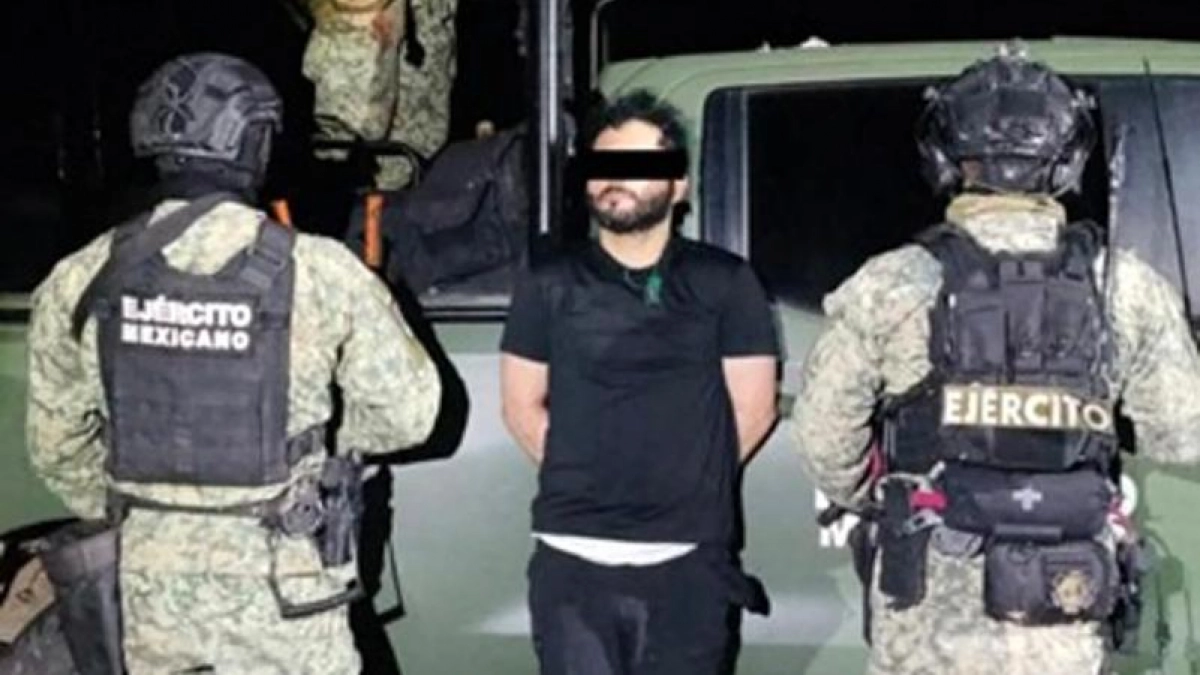
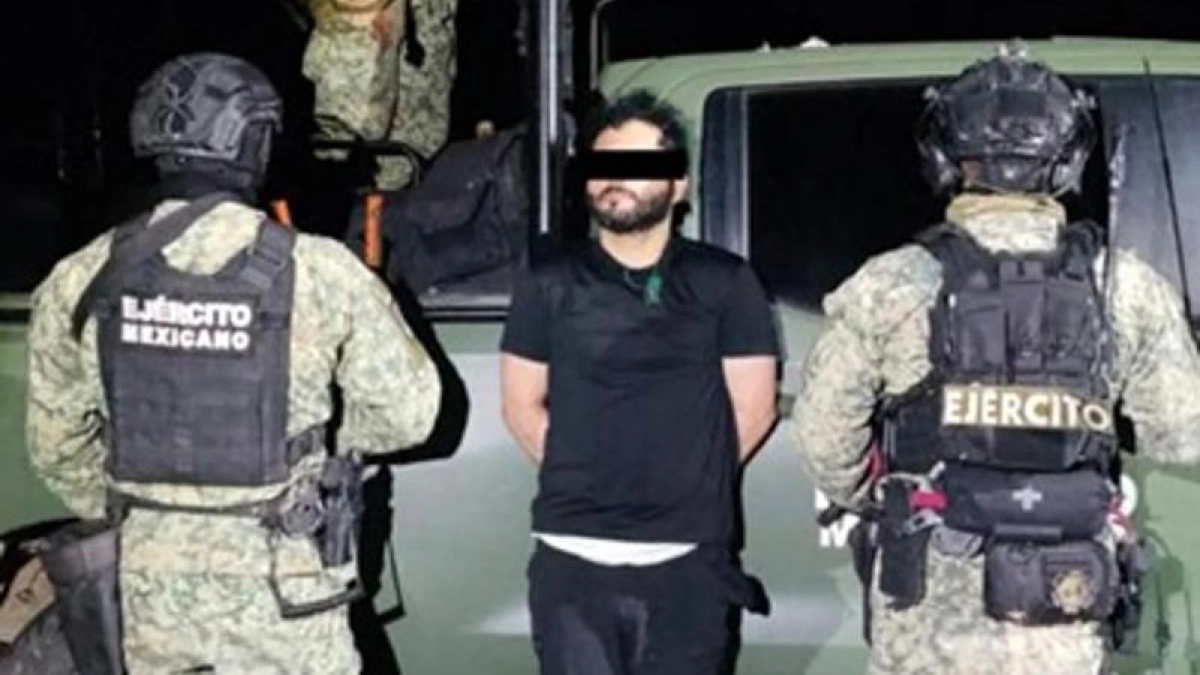
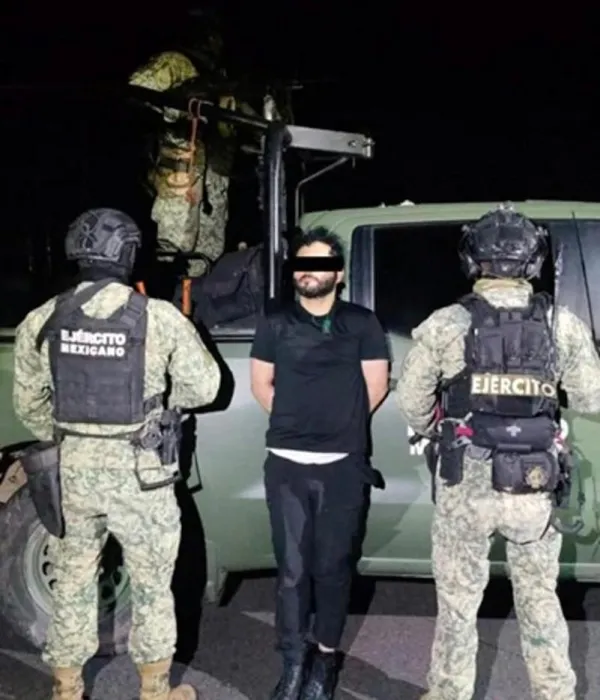
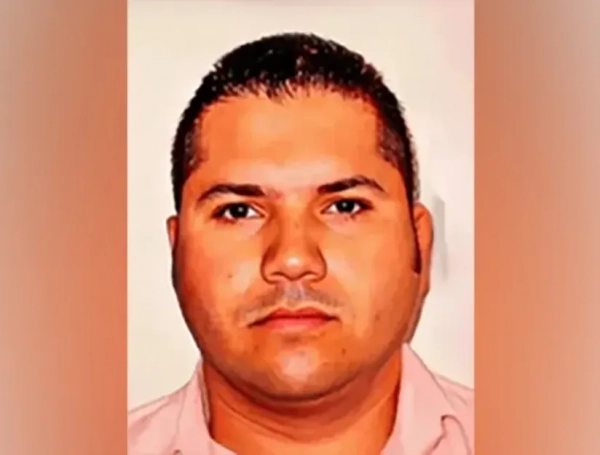
In a high-risk, meticulously planned nighttime operation that shook the foundations of Mexico’s organized crime landscape, federal security forces captured Fausto Isidro Meza Flores, universally known as "El Chapo Isidro." The raid, executed in the early hours of Friday, November 20, 2026, took place in the municipality of Guasave—the historic stronghold of the Beltrán Leyva organization and the operational heartland of the self-styled Cartel de Guasave (also known as Los Mazatlecos).
The announcement was officially confirmed on Saturday by Mexico’s Secretary of Security, Omar García Harfuch, who hailed the mission as a monumental victory for bilateral intelligence and national security. "El Chapo Isidro," a man whose criminal shadow has loomed over North America for decades, was not only one of Mexico’s most wanted cartel leaders but also sat firmly on the FBI’s Ten Most Wanted Fugitives list, carrying a massive $5 million bounty offered by the United States government.
The seizure, however, came at a staggering human cost. According to official government reports and military updates, the fierce firefights and tactical assaults during the operation resulted in the deaths of four members of the Mexican military and seven suspected criminals. The operation also led to the capture of two other high-ranking members of Meza Flores’s inner circle: Germán "N", alias "Serafín," identified as the second-in-command of the criminal organization; and José "N", the group’s primary financial operator.
Following their capture, the high-value targets were swiftly extracted from the conflict zone via a Mexican Air Force aircraft and flown directly to Mexico City under heavy guard, where they were handed over to federal ministerial authorities.
2. Chronology of a Military Blitz: The Three-Phase Operation
Details released by the Secretariat of National Defense (SEDENA) illustrate the extraordinary complexity of the raid, which was carried out by elite military units using cutting-edge technological assets and intelligence sharing between Mexican and U.S. agencies. The operation unfolded in three distinct, high-tension phases:
Phase 1: Infiltration and Stealth (Arribo al Área)
Leveraging advanced technological tracking and surveillance apparatuses, elite elements of the Mexican Army’s Special Forces (known as Murciélagos) and the National Guard’s Special Forces (Lobos), alongside state-level tactical forces, zeroed in on Meza Flores’s exact coordinates. Operating under the cover of darkness, the elite units deployed stealth and surprise tactics, utilizing multiple terrestrial routes of access to surround the target area without alerting the cartel’s vast network of local informants.
Phase 2: The Breach and Retaliation (Establecimiento de Seguridad y Captura)
As the security ring tightened around the safehouse to prevent both escape and the arrival of armed reinforcements, the assault units met furious resistance. Heavily armed cartel members opened fire with high-caliber weaponry and detonated explosives, turning the residential neighborhood into an active combat zone.
Helicopter gunships provided aerial support, firing suppressive rounds from the air as ground troops breached the compound. Despite the intense barrage of gunfire, the elite forces neutralized the immediate threat, secured the perimeter, and successfully apprehended Meza Flores, "Serafín," and José "N."
Phase 3: Extraction and Immediate Retaliation (Evacuación)
With identities verified on-site, the military launched a rapid extraction protocol. The detained kingpins were rushed to a secure landing zone and loaded onto a military aircraft destined for Mexico City.
Almost simultaneously, news of the arrest triggered a violent shockwave across Sinaloa. Replicating the terrifying playbook of the infamous Culinacanazo of 2019, cells of the Cartel de Guasave mobilized instantly to paralyze the region. Across the municipalities of Ahome, Guasave, Guamúchil, and Navolato, heavily armed gunmen hijacked passenger buses, delivery trucks, and private vehicles, setting them ablaze to construct massive narco-blockades.
The chaos paralyzed civilian life. In Guasave, the violence was so intense that a professional baseball game was abruptly halted mid-play, sending panicked athletes and spectators scrambling frantically for cover as explosions echoed and military helicopters hovered overhead. In response, Mexican authorities immediately activated a comprehensive anti-blockade protocol, deploying mobile security forces to clear the roads, restore public order, and protect terrified civilians caught in the crossfire.
3. Supporting Data: The Rise, Fall, and Alliances of ‘El Chapo Isidro’
To understand the weight of Friday’s operation, one must trace the deep roots of Fausto Isidro Meza Flores within the labyrinthine world of Mexican drug trafficking.
Origins and Evolution
Born in Guasave in 1982, Meza Flores began his criminal ascent around the year 2000 under the tutelage of Amado Carrillo Fuentes, famously known as "El Señor de los Cielos" (The Lord of the Skies) and leader of the Juárez Cartel. Carrillo Fuentes was the nephew of Ernesto Fonseca Carrillo ("Don Neto"), a co-founder of the historic Guadalajara Cartel.
When the traditional cartels fractured, Meza Flores aligned himself with the ruthless Beltrán Leyva Organization. Over time, he carved out his own independent faction—the Cartel de Guasave or Los Mazatlecos—solidifying his iron-fisted control over northern Sinaloa, Sonora, Durango, and Nayarit.
The Drug Empire and International Reach
Under Meza Flores’s command, the Cartel de Guasave morphed into a premier trans-national trafficking machine. U.S. and Mexican intelligence indicate that the organization specializes in smuggling massive quantities of methamphetamine, cocaine, heroin, and synthetic fentanilo directly into the United States. Furthermore, investigators note that Meza Flores orchestrated expansive maritime and land routes, importing multi-ton loads of cocaine originating in Colombia, passing through Guatemala and Mexico, before crossing the U.S. border. His primary logistics and financial facilitator in these ventures was long identified as Salomé Flores Apodaca (alias "Pelón" or "Fino").
Strategic Shifts in the Sinaloa Cartel War
Meza Flores’s arrest occurs against the backdrop of a catastrophic internal war within the broader Sinaloa Cartel. Following historic shifts in regional power dynamics, "El Chapo Isidro" reportedly forged a strategic coalition in May 2025 with Ismael Zambada Sicairos, alias "El Mayito Flaco", leader of the La Mayiza faction.
This alliance was explicitly designed to wage total war against "Los Chapitos" (the sons of Joaquín "El Chapo" Guzmán), who found themselves severely weakened and losing territorial control amid the ongoing internecine conflict. By capturing Meza Flores, the Mexican government has effectively decapitated one of La Mayiza’s most formidable military partners, potentially altering the balance of power in northwestern Mexico.
4. Official Responses: A Triumph for Bilateral Cooperation
The takedown of the FBI top-ten fugitive was met with immediate, high-level political praise, underscoring the deep intelligence-sharing framework currently operating between Mexico and the United States.
Secretary of Security Omar García Harfuch took to social media platform X to commend the unwavering bravery of the armed forces:
"Our recognition to the Secretariat of National Defense, the Special Forces of the Mexican Army, and the National Guard for their valor and professionalism in the operation that allowed the arrest in Guasave, Sinaloa, of Fausto Isidro N, alias ‘Chapo Isidro’, identified as the head of the Beltrán Leyva criminal organization."
Harfuch emphasized that the operation was the direct fruit of coordinated intelligence work between Mexican defense institutions and U.S. agencies, operating under a robust bilateral security agreement. In a subsequent statement addressing the widespread civilian panic and nighttime violence, Harfuch added:
"These arrests are an important step toward the pacification of Sinaloa. The institutions of the Security Cabinet remain deployed in the state to protect the population."
U.S. law enforcement and diplomatic channels have long targeted Meza Flores due to outstanding federal indictments. He faces an active extradition warrant in the United States for conspiracy to distribute narcotics across American soil, alongside domestic charges in Mexico for organized crime and health-against crimes (drug trafficking). The $5 million reward offered by the State Department and the FBI is expected to be processed according to inter-agency protocols following his arraignment.
5. Implications: What Next for Sinaloa and the Cartels?
The apprehension of Fausto Isidro Meza Flores carries profound, ripple-effect implications for the immediate future of Mexican security and the transnational drug trade:
A Vacuum in Northern Sinaloa: With "El Chapo Isidro," his second-in-command "Serafín," and financial chief José "N" all removed from the board in a single night, the Cartel de Guasave faces an unprecedented leadership crisis. Whether mid-level lieutenants can hold the territory together or whether rival factions will move in to carve up Los Mazatlecos’ assets remains to be seen.
Impact on the Internal Sinaloa Cartel War: The removal of Meza Flores delivers a tactical blow to the Mayito Flaco faction, stripping them of a battle-hardened ally who possessed decades of localized dominance in northern Sinaloa. This could either force La Mayiza onto the defensive or provoke a desperate, violent backlash from cornered cells.
The Threat of Retaliation and Urban Guerrilla Tactics: The rapid deployment of narco-blockades and burning vehicles—reminiscent of the tactics used during the Culinacanazo—proves that powerful cartels still possess the mobilization capacity to hold entire cities hostage when their leadership is threatened. Security analysts warn that while the kingpin is behind bars, the state of Sinaloa may experience residual waves of retaliatory violence as splinter cells jockey for succession.
Bilateral Validation: For the administration of Mexican security policy, the successful, high-profile raid serves as definitive proof that aggressive, intelligence-led special operations backed by cross-border cooperation can deliver crippling blows to multi-decade kingpins—even if the urban fallout demands an increasingly resilient state response to safeguard civilian lives.
MEXICO CITY, July 23, 2026 – The vibrant world of social media has been plunged into mourning following the sudden passing of prominent Mexican influencer Adriana García. At just 30 years old, García, known for…
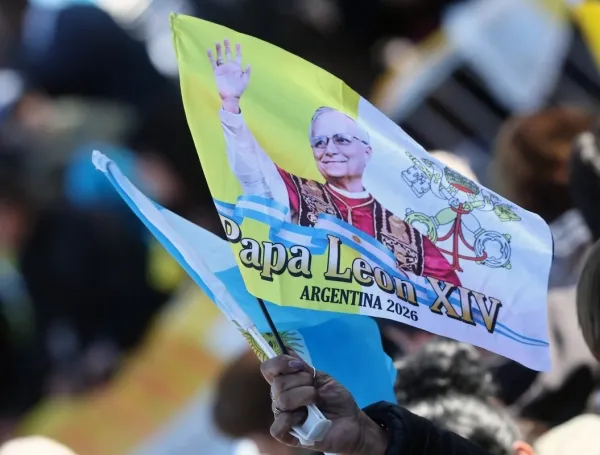
BUENOS AIRES — In what official Vatican and local organizers have described as the most multitudinous mass of his pontificate thus far, Pope León XIV addressed an estimated two million faithful gathered at the iconic…
International Desk Updated: September 11, 2026 – 14:18 Main Facts The political landscape in Brazil has entered an unprecedented state of turbulence just 23 weeks—and indeed, mere weeks—before the crucial October presidential elections. Senator Flávio…