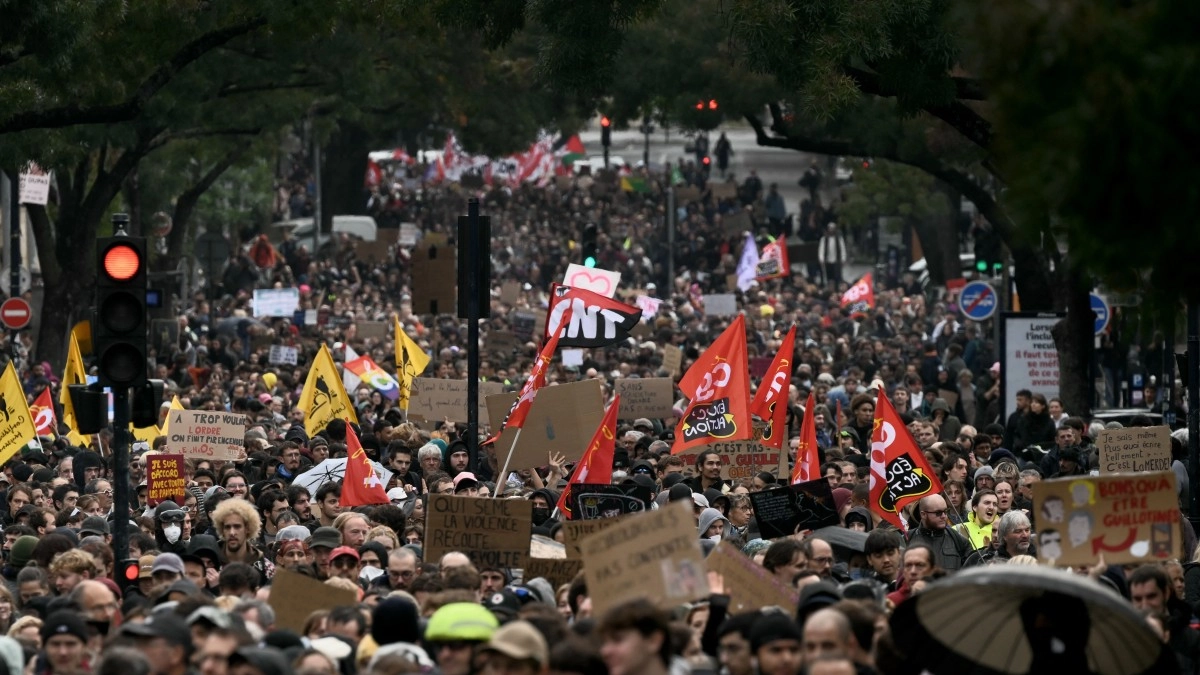
The ongoing social unrest has erupted into a synchronized transnational movement, with academic monitors recording at least 177 distinct demonstrations spanning the continent.
1. Main Facts
Citizens across multiple European nations returned to the streets in a massive wave of demonstrations on Saturday, October 24, 2026. This day of action marks a critical escalation in a continuous cycle of social unrest that has gripped the continent over the past several weeks.
According to data compiled by the university research project PolDem (Political Demography and Social Unrest Observatory), at least 177 demonstrations have been officially registered across 12 European countries. The geographical scope of the mobilization is vast, stretching from the Mediterranean coasts of Greece, Spain, and Portugal, through Western Europe into France and Belgium, and reaching into Eastern and Southeastern Europe, including Albania.
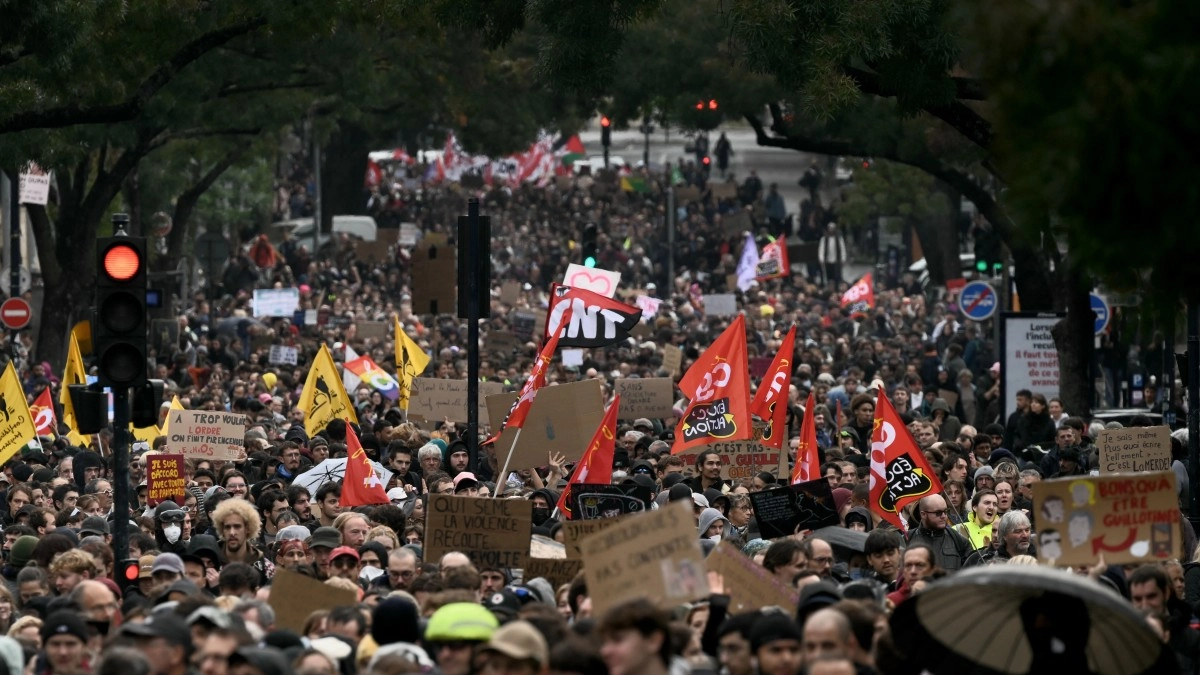
Political analysts and socio-economic researchers have noted that the intensity, scale, and geographic distribution of these current mobilizations have reached levels not seen in the European Union and its neighboring regions since the peak of the harrowing Eurozone sovereign debt crisis between 2010 and 2012.
While the specific grievances vary from one country to another—ranging from skyrocketing costs of living, housing crises, and stagnant wages to controversial domestic labor and fiscal reforms—the convergence of these protests points to a deeper, systemic discontent with contemporary governance, economic inequality, and the handling of public resources across the continent.
2. Chronology of the Unrest
To understand the magnitude of the events on October 24, 2026, it is essential to trace the trajectory of how this latest cycle of European dissent developed over the preceding weeks:

- Early September 2026 (The Spark): Initial localized strikes and labor disputes begin to emerge in isolated sectors, particularly within the transportation and public health industries in France and Belgium, driven by mounting inflation and frustration over purchasing power.
- Late September 2026 (Cross-Sector Coalition Building): Student unions, environmental groups, and grassroots civil society organizations join forces with traditional labor unions. Demonstrations spill over from industrial zones into major urban centers, prompting the first cross-border solidarity statements among activist networks in Southern Europe.
- Mid-October 2026 (Regional Contagion): Discontent rapidly spreads eastward and southward. PolDem records a sharp upward curve in protest frequency, noting that grievances are no longer isolated national issues but share common macroeconomic threads. Governments in countries like Spain and Greece face mounting pressure as public sector unions threaten indefinite walkouts.
- Friday, October 23, 2026 (Pre-Mobilization and Clashes): Anticipating a massive weekend turnout, law enforcement agencies across several capitals go on high alert. Minor pre-rally clashes are reported in Athens and Lisbon as demonstrators gather ahead of the official weekend calls.
- Saturday, October 24, 2026 (The Peak Day of Action): A synchronized wave of protests hits 12 nations simultaneously. Major rallies paralyze city centers from Paris to Tirana. Academic trackers confirm the milestone figure of 177 active demonstrations, transforming a series of domestic disputes into a pan-European phenomenon.
3. Supporting Data and Metrics
The scale of the October 24 mobilizations is not merely anecdotal; it is heavily backed by quantitative indicators compiled by academic researchers, independent monitors, and economic institutes:
- 177 Registered Demonstrations: The core metric provided by the PolDem university project, mapping out verified public gatherings, strikes, and marches across 12 countries.
- 12 Nations Involved: The transnational footprint includes, but is not limited to, France, Spain, Portugal, Greece, Belgium, and Albania, creating a broad arc of instability spanning Western, Southern, and parts of Southeastern Europe.
- Comparative Historical Scale: Experts note that the density of public mobilization mirrors the sociopolitical friction points of the 2010–2012 Euro crisis. During that era, austerity measures drove millions into the streets; today, the catalyst is a complex blend of inflation fatigue, housing unaffordability, and declining real wages despite post-pandemic macroeconomic recovery metrics.
- Demographic Diversity: Unlike previous cycles dominated strictly by organized labor, PolDem data indicates that over 40% of current participants belong to demographic groups outside traditional unions—notably Gen Z students facing precarious job markets and middle-class families squeezed by surging mortgage rates and energy costs.
4. Official Responses and Government Reactions
As the streets filled with protestors on October 24, governments across the affected nations scrambled to respond, balancing the imperatives of public order with the political necessity of addressing widespread public anger.
Western and Southern Europe: Calls for Calm and Dialogue
In France, where historical precedent dictates that street protests carry immense political weight, the Ministry of the Interior deployed heavy security details while simultaneously issuing statements urging restraint. Government spokespersons emphasized that while the right to protest is constitutionally protected, public safety and the preservation of urban infrastructure remain paramount. Behind closed doors, cabinet ministers held emergency consultations to address the escalating pressure regarding pension policies and public spending.

In Spain and Portugal, ruling coalitions faced sharp criticism from opposition parties capitalizing on the unrest. Spanish regional authorities reported mostly peaceful marches, though sporadic traffic gridlocks affected major thoroughfares in Madrid and Barcelona. Prime ministerial offices across the Iberian Peninsula reiterated their commitment to targeted social subsidies, arguing that broad fiscal stimulus risks re-igniting inflationary pressures that would ultimately harm the very citizens currently marching.
Southeastern Europe: Tensions and Security Measures
In nations like Albania and Greece, where institutional trust has historically been fragile, the tone was notably sharper. Greek law enforcement maintained a heavy presence around key government buildings in Athens, anticipating friction between demonstrators and riot police. Local authorities urged civic leaders to channel their grievances through institutional and parliamentary mechanisms rather than disruptive street actions.
5. Implications for the Future of Europe
The synchronized eruptions of October 24, 2026, carry profound implications for the political stability, economic trajectory, and social fabric of the European continent.

Political Fallout and Electoral Vulnerability
The persistence of mass protests places immense pressure on incumbent governments. With European electorates already displaying high volatility and a growing propensity to vote for populist or anti-establishment parties on both the political left and right, these demonstrations serve as a barometer of deep-seated public alienation. Governing coalitions across the 12 affected nations now face a perilous balancing act: implementing necessary fiscal discipline to satisfy European Union oversight while placating citizens demanding immediate economic relief.
Economic Policy Dilemmas
Economists warn that prolonged social unrest could disrupt supply chains, tourism, and local commerce, particularly in tourism-dependent Southern European economies like Greece, Spain, and Portugal. Furthermore, if governments capitulate to demands for expansive public spending to quell the protests, they risk widening sovereign deficits, potentially triggering a resurgence of bond market anxieties reminiscent of the very Euro crisis these current mobilizations are being compared to.
The Rise of Transnational Activism
Perhaps the most significant long-term implication is the organic networking occurring among civil society groups across borders. Facilitated by digital communication platforms and coordinated academic monitoring like that of PolDem, activists in France are increasingly sharing strategies, slogans, and organizational tactics with counterparts in Spain, Belgium, and beyond. This nascent transnational solidarity suggests that future crises in Europe may no longer be contained within national borders, but will instead manifest as synchronized, continent-wide movements demanding systemic reform.

As the dust settles on the October 24 mobilizations, European leaders face an urgent imperative: to bridge the widening chasm between institutional policy and the daily economic realities of their citizenry before sporadic street protests crystallize into a permanent state of political paralysis.