By José Carlos García R.
Multimedia Editor
Main Facts
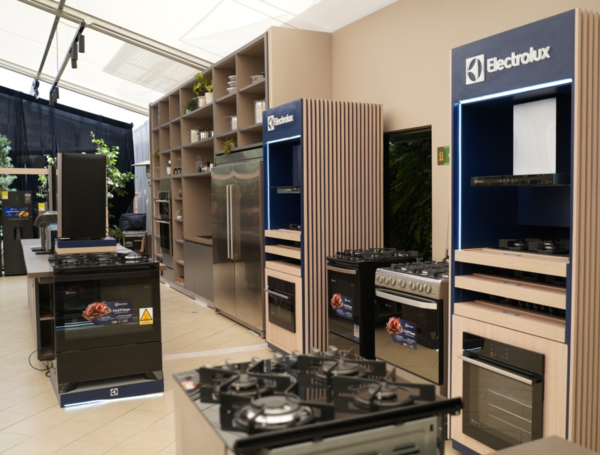
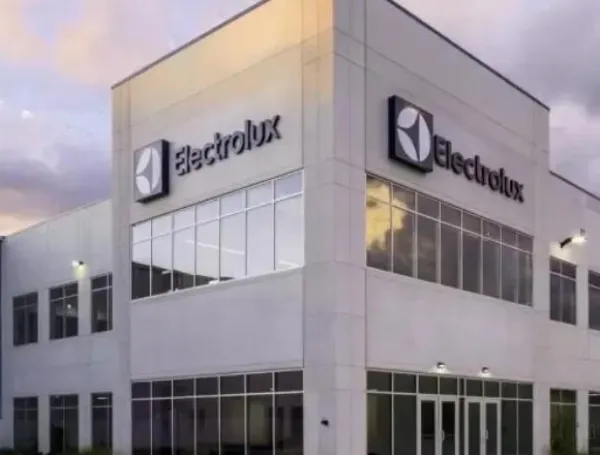
Electrolux, the venerable Swedish home appliance giant, has long occupied a unique psychological space in the minds of Colombian consumers. Despite its origins in Northern Europe, an overwhelming majority of locals mistakenly view the brand as entirely domestic. This misconception is not accidental; it is the byproduct of a deep, historical entrenchment that dates back to the 1940s, cementing Electrolux products as enduring staples in households across the country.
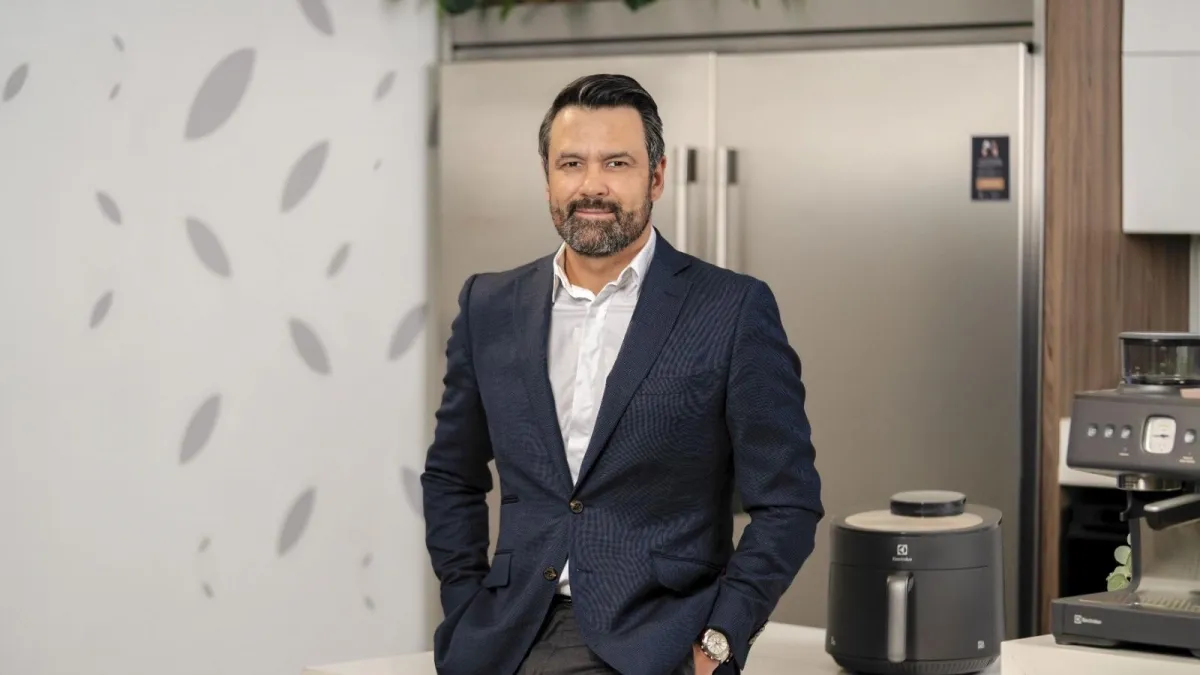
Today, as the company commands a notable 5.9% market share in the major home appliances segment in Colombia, it faces a hyper-competitive landscape traditionally driven by aggressive price wars. Rather than engaging in a race to the bottom, Electrolux is steering its ship in a radically different direction. Under the stewardship of Gustavo Mancera, the newly appointed General Manager for the Andean Region, the company is doubling down on a strategic trifecta: Scandinavian design, robust sustainability initiatives, and artificial intelligence tailored for energy conservation and food preservation.
Mancera’s roadmap outlines an aggressive push to capture higher market segments. While the brand continues to fortify its dominance in refrigeration—currently its fastest-growing category—it is aggressively expanding its footprint in laundry solutions and completely overhauling its portfolio of small domestic appliances (SDAs), including high-demand air fryers, vacuum cleaners, and premium coffee makers.

The core philosophy guiding this pivot can be summarized by a modern iteration of the classic Scandinavian design ethos: less is more. By focusing on long-term consumer value, efficiency, and aesthetic appeal rather than cheap commoditization, Electrolux aims to redefine what modern Latin American consumers expect from their domestic technology.
Chronology: A Century of Innovation Meets Modern Expansion
To understand Electrolux’s current strategic positioning in the Andean market, it is essential to trace the timeline of both the corporation’s global evolution and its recent operational milestones in the region:
- The 1940s: Electrolux officially establishes its commercial presence in Colombia, introducing pioneering home appliances that quickly integrate into the daily lives of local families, laying the groundwork for deep brand loyalty.
- Late 20th Century: The brand establishes itself as a reliable household name, weathering various economic shifts in Latin America by prioritizing durability and foundational engineering.
- August 2025: Market data underscores Electrolux’s stable footing, solidifying its 5.9% market share in the highly competitive large home appliances sector in Colombia.
- Mid-2026: Gustavo Mancera assumes the role of General Manager for the Andean Region, immediately initiating a comprehensive review of the company’s retail, digital, and product strategies.
- November 2026: Mancera publicly unveils the closing-year strategy, emphasizing AI integration (such as the AutoSense technology), optimized smaller-format refrigeration niches, and logistics overhauls.
- 2027 (Projected): Electrolux is scheduled to open a brand-new, state-of-the-art distribution center in Cali, Colombia, designed to drastically enhance supply chain efficiency and fulfillment speeds across the country.
Supporting Data and Market Dynamics
The home appliance market in Latin America is characterized by extreme price sensitivity, yet consumer habits are rapidly evolving. Electrolux’s current market positioning is backed by specific data points and strategic shifts across product lines and operational fronts:
Market Penetration and Footprint
- Market Share: Electrolux holds a solid 5.9% share in Colombia’s major appliance sector.
- E-Commerce Disparities in the Andean Region: According to regional analyses conducted by the company, digital adoption varies wildly across neighboring nations:
- Peru: Leads the Andean block with a highly mature and advanced e-commerce penetration rate.
- Colombia: Secures a strong second place, showing steady, consistent growth in online retail adoption.
- Ecuador: Represents an emerging frontier, with digital commerce in its nascent stages of consumer adoption.
Technological and Product Metrics
- AutoSense AI Technology: Integrated into select refrigeration units, this artificial intelligence system tracks usage patterns (such as frequent door openings during family gatherings) and proactively adjusts internal temperatures. Internal metrics show this feature extends food preservation and shelf-life by up to 30%.
- Refrigeration Restructuring: Recognizing the spatial constraints of modern urban housing, Electrolux disrupted the traditional 600+ liter "side-by-side" nevecón market by introducing an aspirational, feature-rich 400-liter model, capturing a previously underserved demographic looking for premium capabilities in a smaller physical footprint.
- Laundry Innovations: The incorporation of advanced Inverter motors and mechanical stress-reduction architecture is designed to minimize fabric wear on delicate garments while simultaneously slashing water and electricity consumption.
Operational Logistics
- The Cali Distribution Center: Slated for 2027, this logistics hub aims to streamline nationwide distribution, reducing transit times and bolstering customer satisfaction indices.
- Customer Experience Overhaul: The company is modernizing its contact centers with next-generation automation tools while concurrently expanding its network of authorized technical service and post-sale support locations.
Official Responses and Executive Insights
In interviews detailing the brand’s pivot, Gustavo Mancera offered clear insights into the corporate philosophy driving Electrolux’s regional strategy. Addressing the realities of competing against low-cost alternatives, Mancera was uncompromising:

"Our objective is not to compete on price; it is to compete on value added. It is about bringing exceptional design, superior materials, and advanced technology at a remarkably accessible price point."
Mancera also addressed the false dichotomy often perceived between cutting-edge technology and environmental responsibility. Rather than treating them as competing interests, Electrolux has fused them into a single consumer proposition:
"The issue of sustainability does not fight with the issue of technology; on the contrary, we have strived to drive them hand in hand." He emphasized that modern Colombian consumers are increasingly sophisticated, weighing long-term durability and resource efficiency heavily at the moment of purchase.
Discussing the regional e-commerce landscape and the hurdles of managing a unified brand across distinct national economies, Mancera highlighted the operational agility required by the company:
"Within the very same region, in a channel that is becoming increasingly vital, we witness vastly different stages of adoption and evolution."
Implications for Consumers, Competitors, and the Regional Economy
The strategic redirection undertaken by Electrolux under Mancera’s leadership carries profound implications across multiple tiers of the home appliance ecosystem in the Andean region.

1. For the Consumer: Redefining Value and Sustainability
For decades, Latin American consumers operating on tight household budgets were forced to choose between inexpensive appliances with short lifespans and prohibitively expensive luxury imports. Electrolux’s strategy of introducing high-end features—such as AI-driven food preservation (AutoSense) and energy-saving Inverter motors—into mid-tier, accessible price points democratizes modern home tech. Furthermore, the focus on reducing water and electricity consumption translates directly into long-term utility savings, cushioning households against fluctuating energy costs.
2. For Competitors: Shifting the Battleground from Price to Innovation
Competitors deeply entrenched in the traditional "price war" model must now reckon with a brand shifting the parameters of competition. By elevating consumer expectations around design aesthetics, spatial efficiency (such as the 400-liter nevecón niche), and intelligent automation, Electrolux forces rival brands to either elevate their technological offerings or risk losing the growing demographic of discerning, value-conscious buyers.

3. For the Regional Economy and Logistics
Electrolux’s upcoming infrastructure investments, notably the 2027 distribution center in Cali, signal strong corporate confidence in the Colombian economy. By decentralizing and modernizing its supply chain, the company is not only optimizing its own profit margins and fulfillment metrics but also stimulating regional employment, fostering technical support ecosystems, and driving standards higher across the local retail and supply chain sectors.
Ultimately, Electrolux’s strategy in the Andean region proves that heritage brands can successfully reinvent themselves. By marrying a century-old reputation for reliability with forward-looking artificial intelligence, thoughtful sustainability, and localized logistics, Electrolux is positioning itself not just as a fixture of the past, but as an indispensable architect of the modern Andean home.