By: Environmental and Health Desk
Date: July 22, 2026
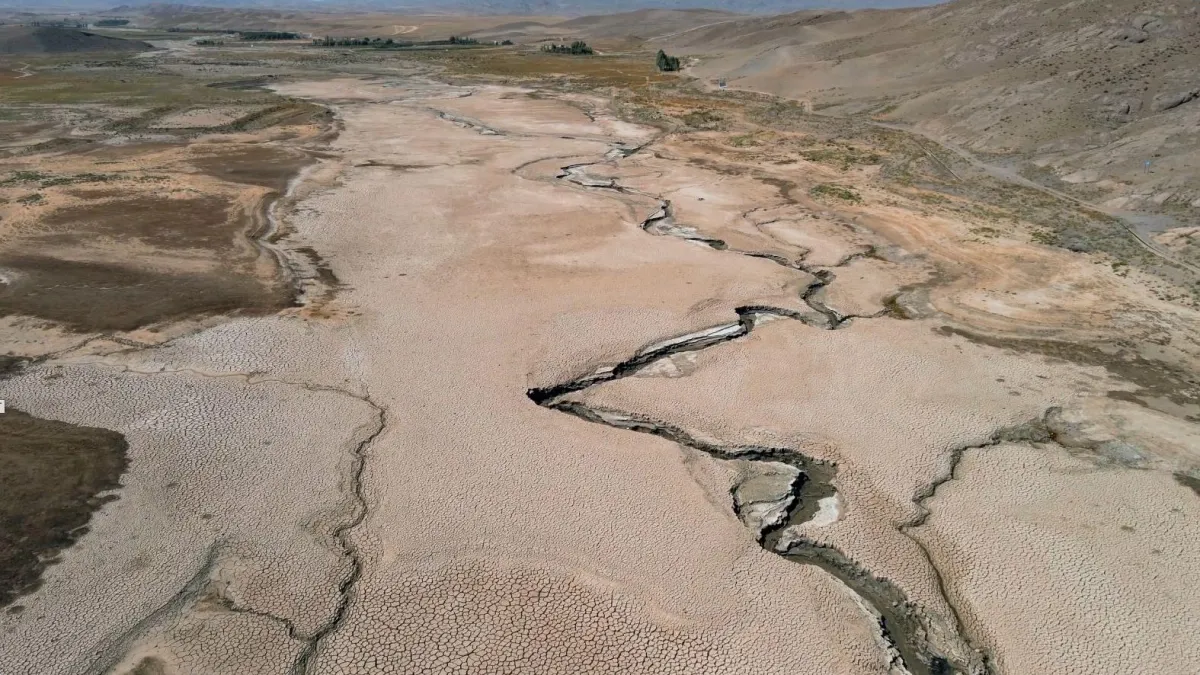
Colombia is currently grappling with a severe climatic challenge as the "El Niño" phenomenon—active since June—enters a critical phase. With surface temperatures soaring to near-record levels and rainfall deficits crippling vast swathes of the country, the Institute of Hydrology, Meteorology, and Environmental Studies (Ideam) has issued a nationwide call for vigilance. As of today, 92 municipalities across the country are under high-level monitoring, with a significant portion of the national territory facing a heightened risk of vegetation fires.
The Heatwave: A Nation Under Fire
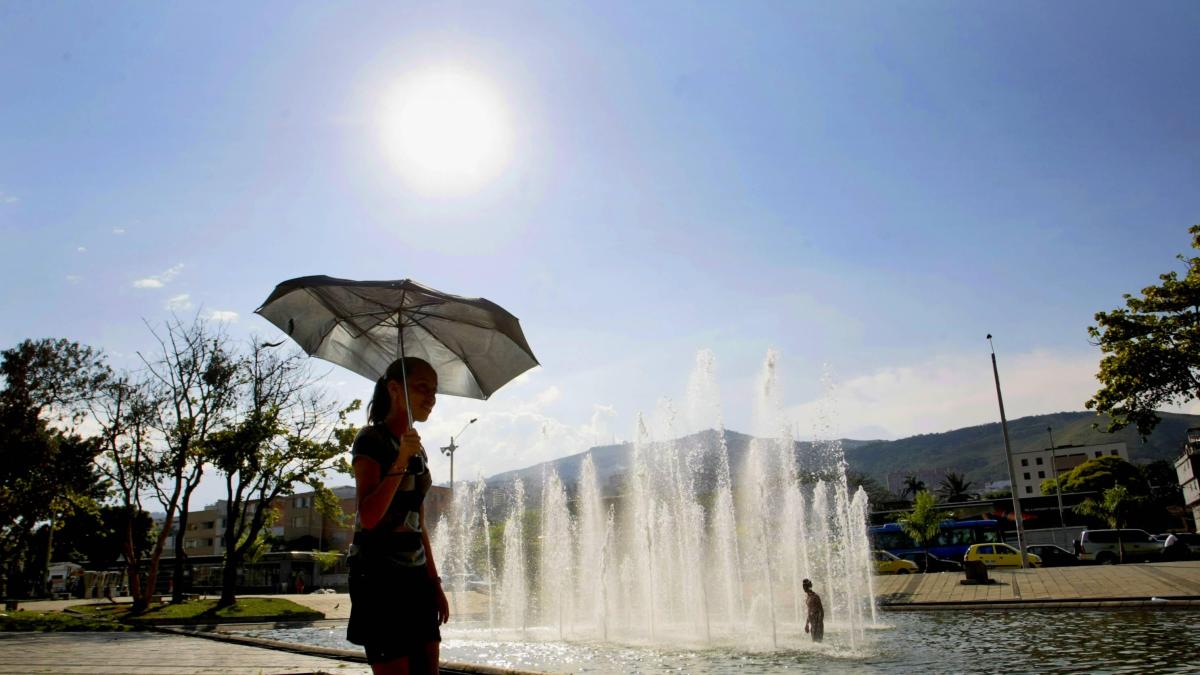
The meteorological data recorded over the past 24 hours paints a daunting picture of a country under thermal stress. Ideam reported that temperatures in several key municipalities climbed to as high as 39.4°C. While the nation has historically seen high temperatures, the persistent nature of this current heatwave, fueled by the intensifying El Niño cycle, has raised alarms among climate scientists and disaster risk management authorities.
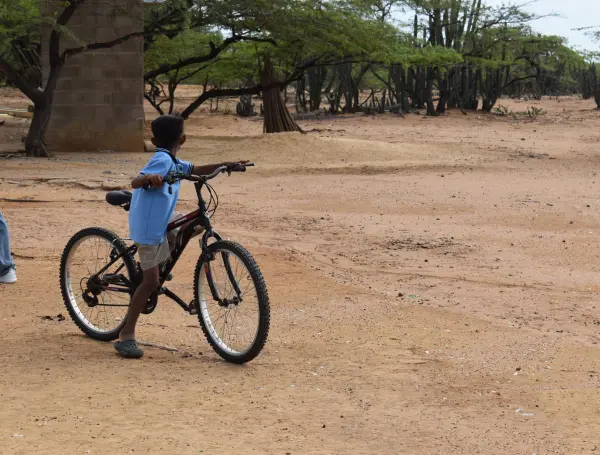
The most extreme conditions were concentrated in the Tolima and Cesar departments. Natagaima (Tolima) topped the list as the hottest municipality in the country, recording 39.4°C, closely followed by Valledupar (Cesar), which hit 39°C. Other regions in the Tolima department, including Ambalema (37°C) and Saldaña (37.6°C), have struggled under the relentless sun. Similar patterns were observed in Huila, where Villavieja reached 37.8°C, and in La Guajira and Magdalena, where temperatures consistently hovered above the 36°C mark.

Paradoxically, while the lowlands bake, the Andean highlands are experiencing extreme temperature swings. Cold-climate municipalities such as Cerinza (Boyacá), San Sebastián (Cauca), and Pupiales (Nariño) recorded minimums as low as 3.8°C to 4.2°C, highlighting the volatile climate variability currently affecting the Colombian landscape.
Chronology of a Growing Crisis
The current state of alert is the result of a month-long trend of erratic weather patterns. According to internal Ideam monitoring reports from the last 30 days, the volatility of the risk index has been significant:

- Late June: The number of municipalities under fire alerts reached a peak of approximately 57%, as the initial impacts of the El Niño phase began to take hold.
- Early July: A brief reprieve in the heat and localized rainfall saw the number of high-risk municipalities drop to roughly 8%, providing a window of optimism that proved short-lived.
- July 17–19: The situation deteriorated rapidly. The percentage of municipalities under fire alerts surged back to nearly 55%, prompting the current emergency response protocols.
- Present Day (July 22): While there has been a slight dip in the number of alerts, 92 municipalities remain under official surveillance, with the severity of the threat concentrated in the northern and central regions of the country.
Supporting Data: Mapping the Risk
The threat is not distributed equally. The Ideam’s technical bulletin, updated at noon on July 22, classifies the 92 at-risk municipalities based on the urgency of the situation.
The Geography of the Threat
- Red Alerts (Immediate Action Required): Ten municipalities are currently in the highest state of alert. La Guajira is the most affected, with seven municipalities—Albania, Barrancas, Hatonuevo, Maicao, Manaure, Riohacha, and Uribia—classified as "Red." In the Andean region, Natagaima (Tolima) and the Nariño municipalities of Yacuanquer and Cumbitara complete this critical list.
- Orange Alerts (High Vigilance): 24 municipalities are under orange alert, including parts of Magdalena, Tolima, Caldas, Huila, La Guajira, and Nariño.
- Yellow Alerts (Preventative Monitoring): The remaining 58 municipalities are under yellow alert, serving as a buffer where dryness levels are being tracked to prevent the escalation of fire risks.
The Orinoquía region currently stands as the only major geographic area in Colombia that maintains "normal" conditions, showing no current municipalities under fire risk. However, authorities warn that this status can change quickly as the drought progresses.
Official Responses and Strategic Management
The Colombian government, through the National Unit for Disaster Risk Management (UNGRD) and local environmental authorities, has urged a coordinated, multi-sectoral response.
"The current conditions are not merely a seasonal fluctuation; we are looking at a potentially historic El Niño event," stated a representative from the climate monitoring team. The official recommendation to municipal governments is to activate their contingency plans immediately. This involves ensuring that local fire departments—many of which operate as volunteer units—are fully staffed, equipped, and financially supported.

There is significant concern regarding the operational capacity of these responders. In previous cycles, fire departments in over 30 municipalities have warned of potential service stoppages due to lack of resources, a risk that the national government is now attempting to mitigate through emergency budget reallocations and logistical support.
Implications for Biodiversity and Infrastructure
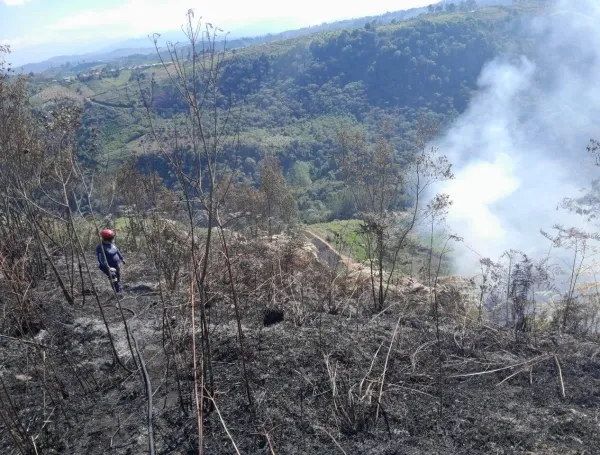
The threat posed by the heatwave extends far beyond human discomfort. The combination of dry, brittle vegetation and high temperatures creates a "tinderbox" scenario for forest fires.
Biodiversity at Risk
The Amazon and the Andean cloud forests are particularly vulnerable. The loss of forest cover due to climate-driven fires threatens the "ancestral memory" of indigenous communities who rely on these ecosystems for medicine, food, and cultural preservation. Reports suggest that up to a third of plant species used by indigenous populations in the Amazon could face existential threats if current warming trends continue unchecked.
Infrastructure and Economic Impact
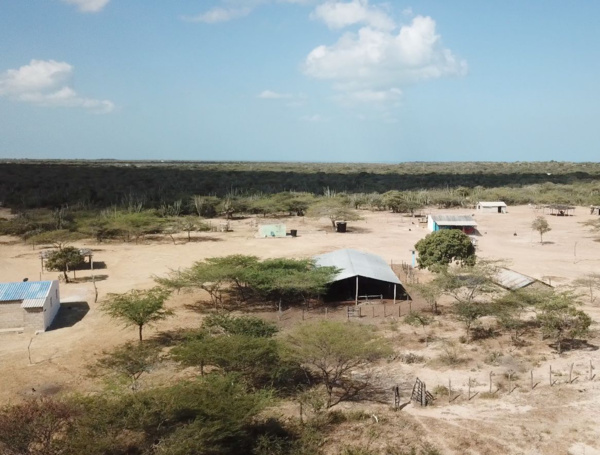
The agricultural sector, the backbone of many regional economies in Tolima and La Guajira, faces significant losses. Irrigation systems are under strain, and the drying up of water sources threatens both crops and livestock. Furthermore, the risk of fire extends to critical infrastructure, including electrical grids and rural housing, placing an immense burden on local governments to manage land use and enforce strict bans on activities that could spark a fire, such as controlled burns or the discarding of glass in forested areas.
A Call for Citizen Responsibility
While the government prepares its response, Ideam has issued a stark warning to the public: human activity remains the primary trigger for forest fires in the current dry environment.
The official recommendations are clear:

- Total Ban on Fogatas: All open-air fires, whether for camping or waste disposal, are strictly prohibited in high-risk zones.
- Waste Management: Citizens are warned against leaving glass bottles or reflective waste in natural areas, as these items act as magnifying lenses for solar radiation, capable of igniting dry brush in seconds.
- Immediate Reporting: Any sighting of smoke or small fires must be reported to the nearest fire station or emergency line (119) immediately.
Conclusion: The Path Ahead
As Colombia faces the remainder of the second half of 2026, the prognosis remains uncertain. Climate models suggest that the El Niño phenomenon could intensify, potentially stretching the country’s emergency services to their limit. The reliance on proactive local management, coupled with a vigilant public, will be the determining factor in how Colombia survives this period of climatic extremity.
The message from the meteorological authorities is one of sober preparation. With the risk of fire remaining high, the country must shift from reactive crisis management to a sustained, long-term approach to climate resilience. As the sun beats down on the dry plains of the Caribbean and the valleys of the Andes, the resilience of Colombia’s environment and its people will be tested as never before.