
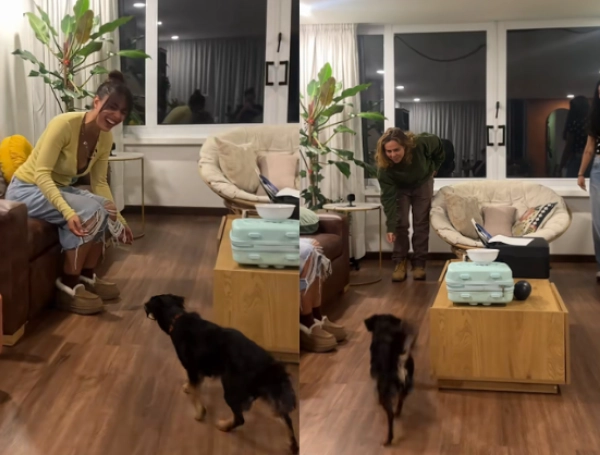
In an era where social media algorithms often favor choreographed trends and high-production value, sometimes the most authentic moments of human-animal connection strike a chord that resonates across thousands of miles. Recently, Bogotá-based content creator Alejandra Villeta found herself at the center of a viral phenomenon after sharing an endearing, albeit peculiar, discovery regarding her adopted pet: the dog appears to be linguistically "coded" to respond exclusively to the melodic, rapid-fire cadence of the Colombian Caribbean accent.
The video, which has amassed over 240,000 "likes" on TikTok, serves as both a lighthearted piece of entertainment and an intriguing case study on animal behavior, environmental imprinting, and the power of regional dialects.
The Genesis of a Viral Phenomenon: The Discovery
The story began when Alejandra Villeta, known for her humorous digital content, decided to document an observation she had made in her home. Having adopted a dog that originated from the coastal city of Barranquilla—a metropolis known for its vibrant culture, high temperatures, and a distinct, fast-paced Spanish dialect—Villeta began to notice a pattern that defied typical obedience training logic.
"I told you all that I adopted a dog from Barranquilla, and we just discovered that she only understands patterns; she only listens when we speak to her in the coastal accent," Villeta explained in her viral clip.

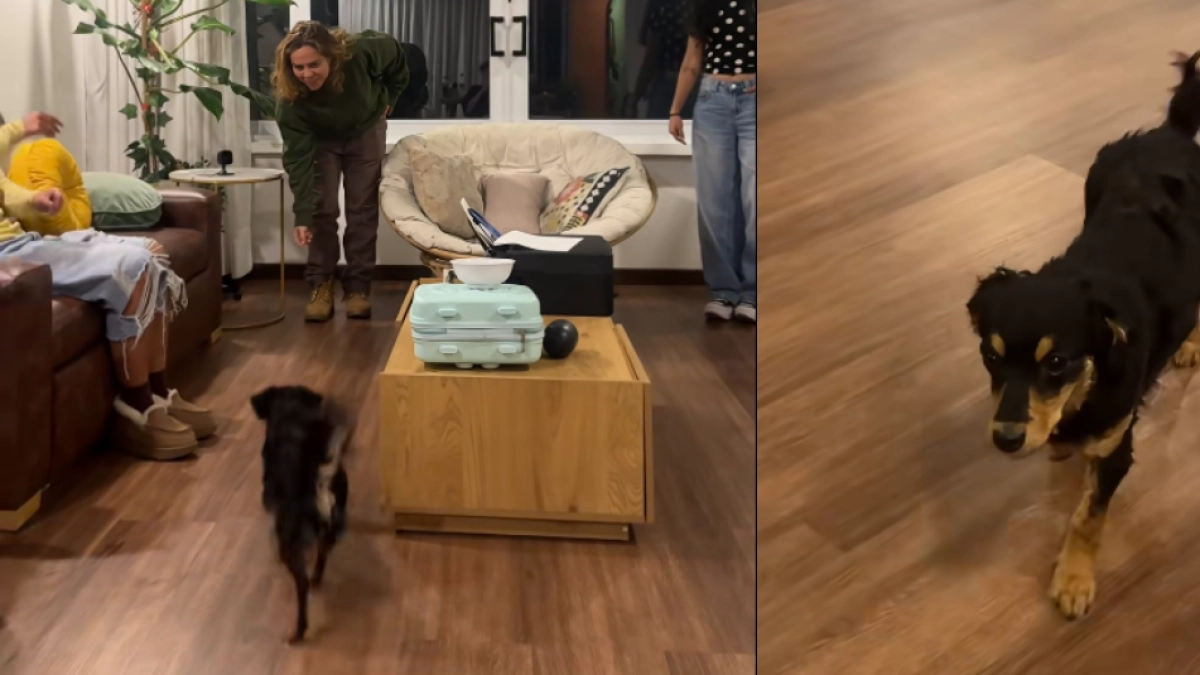
What started as a casual remark quickly escalated into a social experiment. Villeta, alongside a group of friends, set up an impromptu test. They invited individuals to call the dog, named Dulce María, using various neutral or interior Colombian accents. The result was consistently the same: the dog remained indifferent, maintaining her position or continuing her activities regardless of how many times her name was called in a standard tone.
However, the moment someone switched to the rhythmic, "slurred" vowels and specific syntax characteristic of the Barranquilla region—famously known as costeño—the dog’s ears perked up instantly, and she sprinted toward the speaker. The contrast was so stark that it transformed a simple pet interaction into a compelling piece of digital storytelling.

Chronology of the Social Media Explosion
The trajectory of this story follows the classic pattern of modern viral content, moving from a personal observation to a widespread cultural talking point:
- The Initial Observation (Mid-July 2026): Alejandra Villeta notices the discrepancy in her dog’s responsiveness while attempting to call her for daily activities. She notes that the dog ignores standard commands but reacts immediately to phrases like "Ven pa’ acá" (Come here) delivered with a coastal inflection.
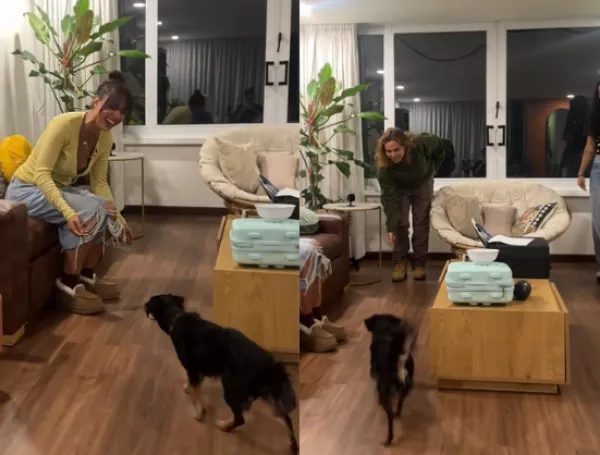
- The Filming of the Test (July 19, 2026): Villeta organizes a controlled "test" with her friends. The video shows a clear side-by-side comparison: neutral-accent callers are ignored, while the coastal-accent caller triggers an immediate, enthusiastic response from the dog.
- The Digital Upload: The video is posted to TikTok. Within hours, it begins to trend, driven by the sheer charm of the dog’s behavior and the humor inherent in the situation.
- Community Engagement: Within 24 hours, the comment section explodes with thousands of users weighing in on the "cultural identity" of the dog. Users joked that the dog had been "factory-set" for the Caribbean coast and suggested that her name, "Dulce María," might be too formal for a dog that clearly prefers the informal energy of Barranquilla.
Supporting Data: Why Animals Respond to Prosody
While the video is undeniably comedic, there is a legitimate scientific basis for why a dog might respond to specific regional dialects. Animal behaviorists often point to prosody—the rhythm, stress, and intonation of speech—rather than the specific vocabulary used.
The Role of Prosody in Canine Communication
Dogs are highly sensitive to the emotional tone and the acoustic properties of human speech. When a dog is raised in a specific environment, it imprints on the auditory landscape of that environment. If a puppy spends its formative weeks or months in a household in Barranquilla, it becomes accustomed to the specific pitch, volume, and rhythm of the local dialect.
When the dog hears a similar cadence later in life, it triggers a positive association. The "coastal" sound isn’t just a set of words; it is a complex acoustic pattern that the dog associates with attention, care, and familiarity. This is why, even if the vocabulary is identical (e.g., "Ven"), the way it is delivered can mean the difference between a dog sitting still and a dog running to its owner.

Environmental Imprinting
Studies on animal rescue and shelter environments suggest that animals adopted later in life carry significant "behavioral baggage" from their first homes. This is not necessarily trauma-based; it is simply a reflection of the "language" of their upbringing. In the case of Villeta’s dog, the transition from the Caribbean coast to the high-altitude, cooler climate of Bogotá—where the accent is significantly different—highlighted an acoustic barrier that the dog had never been trained to overcome.
Public and Cultural Reception
The reaction from the Colombian public has been one of collective amusement and pride. The costeño identity is a major pillar of Colombian culture, and the idea that a dog could embody this identity has resonated deeply with social media users.

The comment sections of the viral post have become a repository of regional pride. Comments such as "She was configured to be a coastal dog," and "The name Dulce María is not very costeño of her" reflect the lighthearted teasing often seen in Colombian social circles. The video has served as a unifying moment, bringing together users from different regions of the country to laugh at a shared, relatable scenario.
Implications for Pet Adoption and Behavioral Training
The viral success of this story has implications for how we understand animal intelligence and the process of adopting older pets.

Understanding "Behavioral Language"
This case highlights the importance of empathy when transitioning an adopted animal into a new home. If a rescue animal is unresponsive to commands, it may not be a sign of "stubbornness" or "lack of intelligence," but rather a simple mismatch in communication styles. Owners who take the time to observe their pet’s triggers and adapt their own communication—much like Villeta did—often see a dramatic improvement in the animal’s behavior and integration into the family.
The Human-Animal Bond
Beyond the science of linguistics, the video reaffirms the profound depth of the human-animal bond. The fact that the dog specifically sought out the person who "spoke her language" speaks to the animal’s need for familiarity in an otherwise strange environment. It reminds pet owners that their animals are active participants in the household, constantly decoding the environment and looking for signals that they are safe and understood.

Conclusion: A Lesson in Connection
Alejandra Villeta’s experience with her dog is a reminder that communication is far more than just the words we choose. It is about the connection we establish through rhythm, tone, and shared history. Whether or not Dulce María truly "understands" the coastal accent in the human sense, the reaction is undeniably real.
As the video continues to circulate, it serves as a humorous but poignant reminder that our pets are not just animals; they are products of their environments, shaped by the sounds and interactions that surrounded them long before they reached our homes. For those looking to adopt, the lesson is clear: if your new companion doesn’t listen, perhaps you just haven’t found the right accent yet.