By: Editorial Desk (Justice Section)
Date: July 19, 2026
The return of political activist Franklin Humberto ‘Beto’ Coral to Colombia has ignited a firestorm of controversy. Following his deportation from the United States—a process that involved a month-long detention and a formal renunciation of his long-standing asylum claim—the activist was immediately granted a government-funded protection detail. This decision has drawn sharp criticism from the labor union representing the National Protection Unit (UNP), which alleges that the security measures were assigned in a highly irregular, “express” manner, lacking the mandatory technical risk assessments required by law.
The Core of the Controversy: A Question of Procedure
The National Protection Unit (UNP) is the state entity responsible for protecting human rights defenders, journalists, and public figures in Colombia. According to the union representing UNP workers, the assignment of a security detail to Coral, which occurred just 48 hours after his arrival in the country, bypassed the standard administrative rigor.
Under normal circumstances, the assignment of a protection detail is a multi-step process. It requires an exhaustive "Risk Study" (Estudio de Nivel de Riesgo), which evaluates the specific threats against an individual’s life and integrity. The union alleges that no such document exists for Coral, raising serious questions about whether his political profile—rather than a verified security threat—was the primary driver for the rapid deployment of state resources.
“The assignment of this scheme was done in an ‘express’ fashion,” a representative of the union stated. “There is no trace of a resolution supported by a technical risk analysis, which is an mandatory prerequisite for the use of public funds and personnel in this capacity.”
Chronology of Events: From Detention to Repatriation
To understand the weight of the accusations, one must look at the timeline of events that led to Coral’s return to Colombian soil.

The U.S. Detention
Franklin Humberto Coral had been residing in the United States and pursuing an asylum claim since 2016. However, his status changed abruptly when he was taken into custody by agents of the U.S. Immigration and Customs Enforcement (ICE). Reports indicate that the detention was precipitated by a formal concern regarding his activities; according to a document attributed to U.S. Secretary of State Marco Rubio, Coral had allegedly “undermined the foreign policy interests” of the United States.
The Renunciation of Asylum
After approximately one month in detention, Coral opted to abandon his legal battle for asylum. By renouncing his claim, he effectively cleared the way for his immediate deportation. This decision marked the end of his decade-long attempt to establish a permanent legal foothold in the U.S.
The Return to Colombia
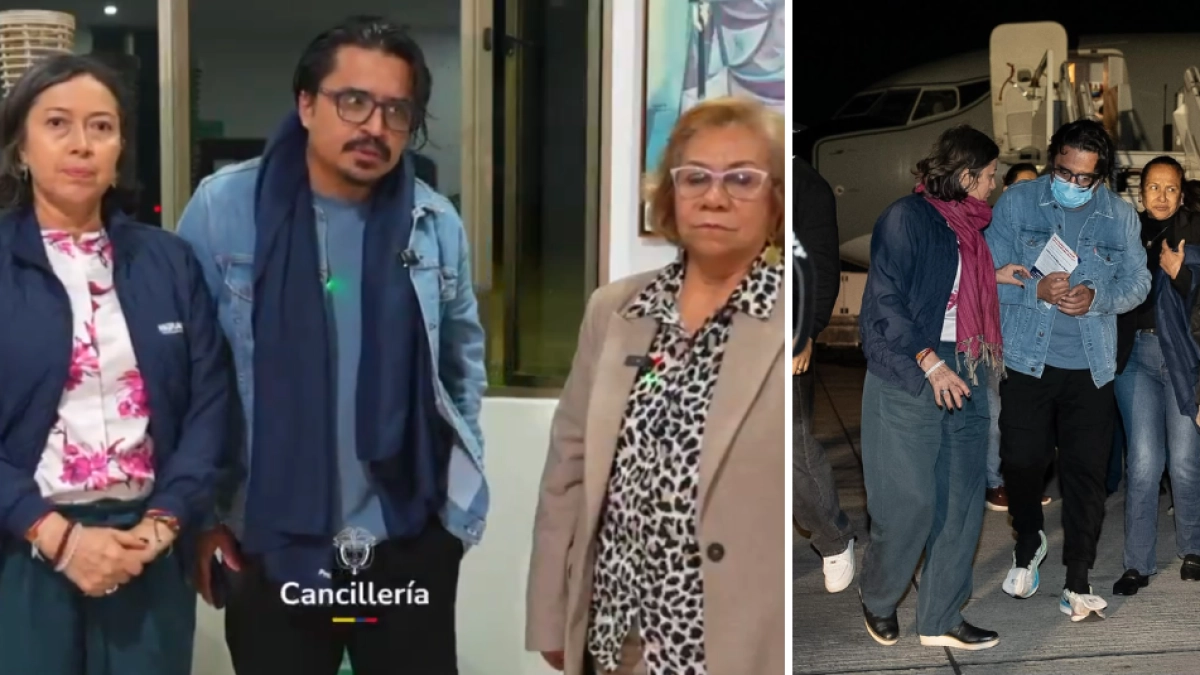
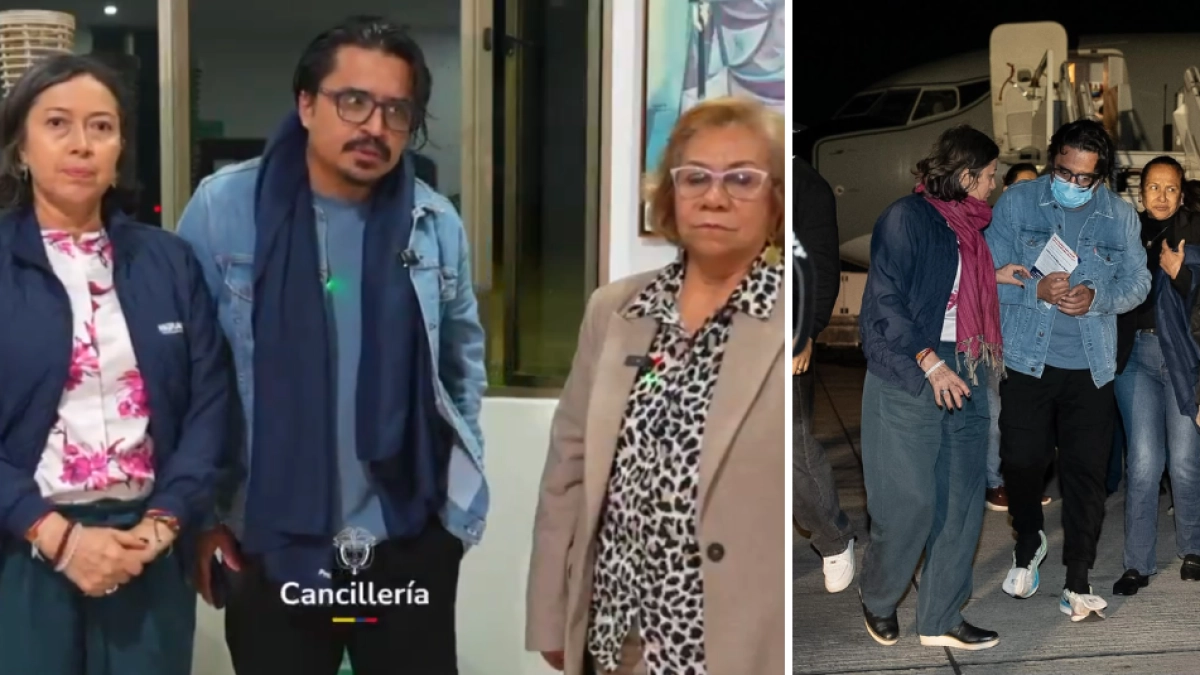
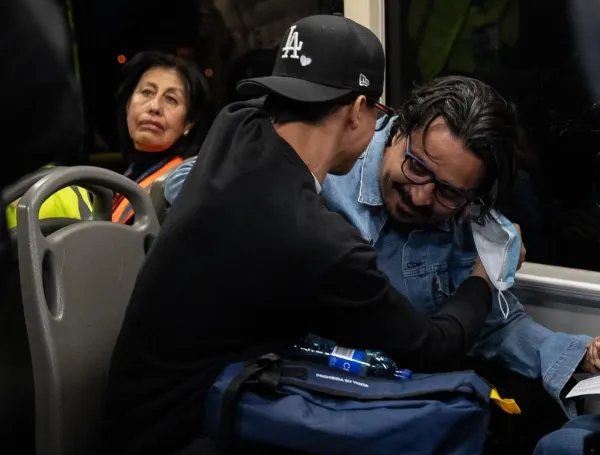
On July 16, 2026, a Boeing 737 belonging to the Colombian Aerospace Force (FAC) landed at the CATAM military air base in Bogotá. On board were 75 Colombian citizens being returned home, including 11 minors. Among the passengers was Coral, who was met on the tarmac by high-ranking government officials, including the Chancellor, Rosa Yolanda Villavicencio. The optics of this arrival—a high-profile activist being received by top-tier diplomatic staff—only served to amplify the subsequent scrutiny regarding his preferential treatment.
Supporting Data and Official Statements
The Colombian Embassy in the United States released a statement confirming that the government had facilitated the return of its nationals. "Franklin Humberto Coral Garrido returns to Colombia aboard an aircraft of the Colombian Aerospace Force, as part of the flights arranged by the Government of Colombia to facilitate the return of our fellow citizens from the United States," the statement read.
Furthermore, the Ministry of Foreign Affairs emphasized that it had provided consistent consular assistance throughout the process. Officials noted that upon learning of the activist’s detention, they engaged in diplomatic communication with U.S. authorities to ensure that his rights were respected.
However, the Ministry’s statement does not address the internal mechanics of the UNP, nor does it provide clarity on why a protection detail was waiting for him the moment he stepped off the military aircraft. When contacted by EL TIEMPO for comment, the Director of the UNP, Augusto Rodríguez, did not provide a response regarding the existence or absence of the mandatory risk studies.

The Political Implications
The case of Beto Coral serves as a flashpoint for a broader debate in Colombia regarding the politicization of the National Protection Unit. Critics of the current administration argue that the UNP is increasingly being used as a tool to provide status or security to political allies, rather than operating as an objective, evidence-based security body.
The Union’s Stance
The UNP labor union has been vocal in its opposition to what it perceives as administrative corruption. They argue that by bypassing the "Risk Study" protocols, the administration is not only violating the agency’s internal bylaws but is also diverting limited resources away from individuals who are in actual, imminent danger.
"Every time a security detail is assigned without a proper study, we are weakening the system," the union stated. "We are setting a precedent where political favors dictate security policy, rather than the objective analysis of threats."

The "Political Activist" Label
Coral’s supporters argue that his profile as an outspoken critic of various political factions makes him a target, thereby justifying the need for protection. They contend that his deportation from the U.S. was a political act, and therefore, the Colombian state has a duty to protect him upon his return. This perspective suggests that the "risk" is inherent to his status as a public figure, regardless of the absence of a formal, written report.
Looking Ahead: Institutional Transparency
As the situation develops, the pressure on the UNP to release the documentation surrounding Coral’s protection detail is mounting. The lack of transparency in this case has created a vacuum of information that is being filled by speculation and allegations of favoritism.
For the public, the question remains: Can the Colombian government justify the immediate allocation of taxpayer-funded security to a repatriated citizen who, until weeks ago, was fighting a legal battle in another country? If the answer is yes, the government must provide the technical, objective evidence that justifies this expenditure. If no such evidence exists, the case of Beto Coral may become a significant stain on the integrity of the UNP and a focal point for future investigations by oversight agencies.

The coming weeks will likely see legal challenges to the decision, as watchdog groups and opposition lawmakers demand a full audit of the "express" assignment process. For now, Beto Coral remains under the protection of the Colombian state, while the institutions responsible for that protection face their own trial in the court of public opinion.
For more updates on this story and ongoing investigations into the UNP, follow our Justice section on social media or subscribe to our weekly newsletter for in-depth analysis.