By Sports Desk
Updated July 18, 2026 – 17:35
In a breathtaking exhibition of offensive football that will be etched into the annals of FIFA World Cup history, England secured the third-place position in the 2026 tournament after a pulsating 4-3 victory over France. While the "Three Lions" dominated the first half with clinical precision, a second-half resurgence led by Kylian Mbappé turned the match into a high-stakes nail-biter that kept spectators on the edge of their seats until the final whistle.
The Opening Blitz: England’s Tactical Masterclass
The match began with a ferocity rarely seen in third-place playoffs, which are often characterized by fatigue and lack of motivation. England, however, entered the pitch with a clear directive: to dismantle the French defensive structure early.
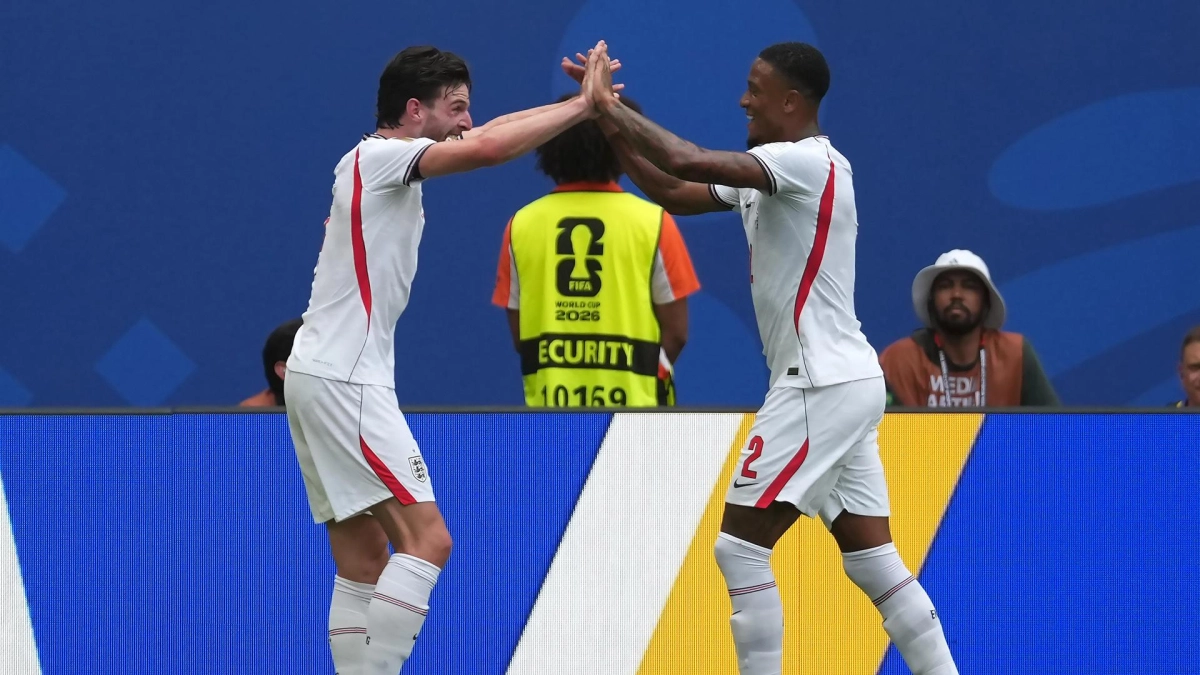
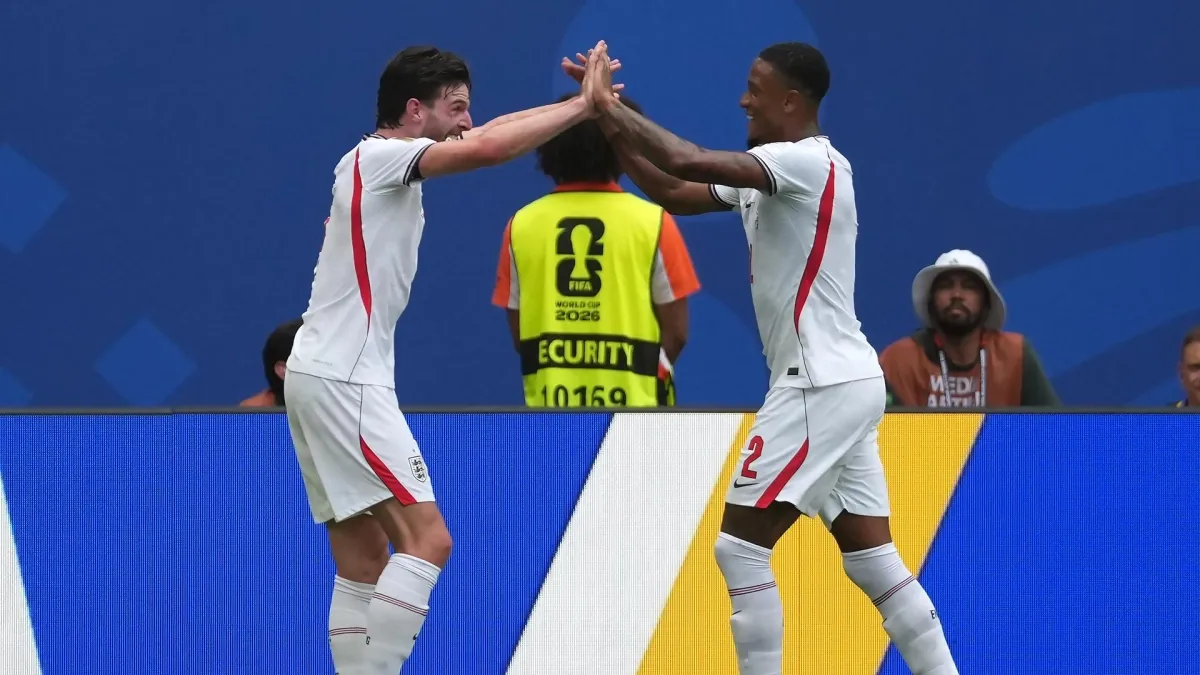
The opening breakthrough occurred in only the third minute. Declan Rice, operating with newfound freedom in the midfield, intercepted a loose ball deep in the French half. Driving forward with intent, Rice bypassed the French pivot and unleashed a thunderous strike from the edge of the penalty area. The ball curled past the outstretched arms of goalkeeper Mike Maignan, marking Rice’s first-ever goal in a FIFA World Cup—a milestone moment for the English vice-captain.
France struggled to find their rhythm, seemingly stunned by England’s aggressive pressing. The misery for Les Bleus continued in the 22nd minute. Rice, showcasing his dual-threat capability, delivered a pinpoint corner kick that found Ezri Konsa. The defender rose above the French defensive line, snapping a header into the net to double England’s lead. It was a masterclass in set-piece execution, a trademark of the current English squad.
By the 36th minute, the match appeared to be drifting into a rout. England exploited a defensive lapse on a lightning-fast counterattack, with Bukayo Saka eventually slotting the ball home after a chaotic scramble that Maignan initially managed to suppress, but could not clear. Just before the halftime whistle, in the first minute of added time (45+1’), Saka struck again. A sublime, cross-field movement allowed him to find space at the edge of the box, firing a low, diagonal shot that left the French keeper helpless. At 4-0, the English fans were already celebrating a dominant victory.

The Mbappé Factor: A Historic Resurgence
If the first half belonged to England, the second half belonged to one man: Kylian Mbappé. Sensing the gravity of his legacy, the French captain emerged from the locker room with a renewed sense of urgency that shifted the entire momentum of the game.
The comeback began in the 48th minute. Mbappé, cutting inside from the left flank, exploited a gap in the English backline to net his first of the match. The goal injected life into the French squad and visibly rattled the English defense, which had been comfortable for nearly an hour.
Six minutes later, in the 54th, the dynamic changed again. Mbappé demonstrated his vision, drawing in two defenders before threading a perfect pass to Bradley Barcola, who finished with composure to bring the score to 2-4.

The tension reached a fever pitch in the 67th minute. Mbappé, seemingly unstoppable, navigated through the English defense to record his second goal of the game. With this strike, the narrative of the match shifted from England’s third-place finish to the individual brilliance of the Frenchman.
Statistical Milestones: A New King of the World Cup
The statistical implications of this match are profound. With his brace, Kylian Mbappé cemented his status as the premier marksman of the 2026 tournament, reaching an astonishing ten goals in this edition alone.
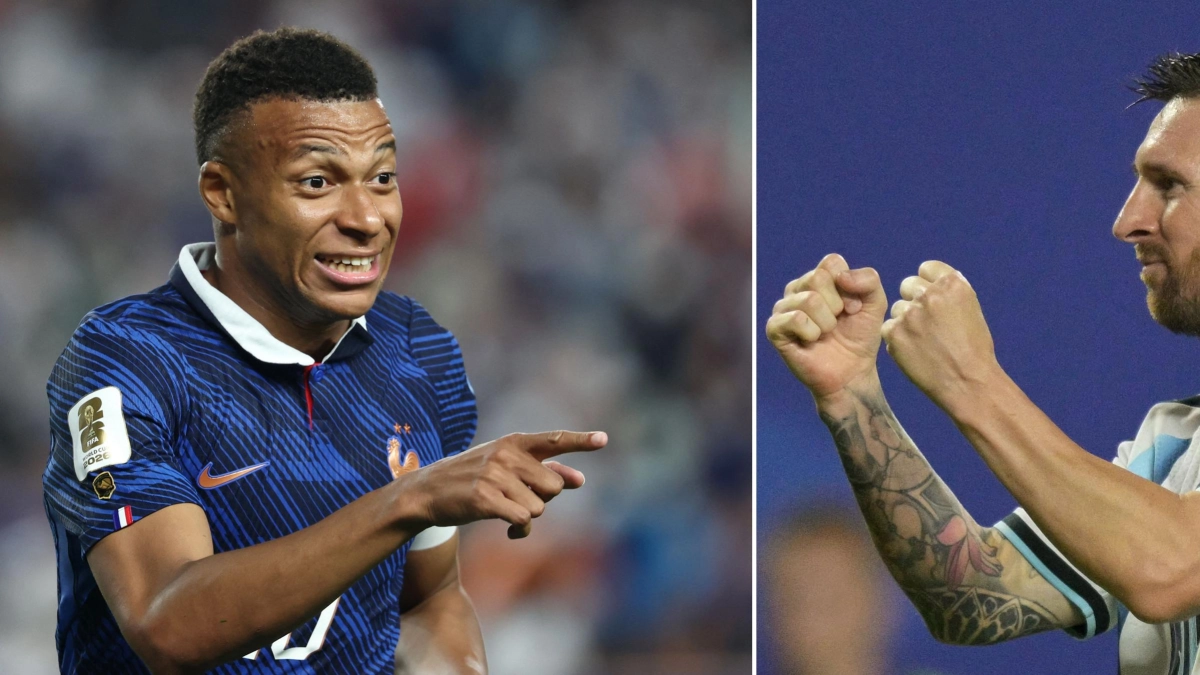
More importantly, these goals propelled him into the history books as the all-time leading goalscorer in FIFA World Cup history, reaching a staggering 22 goals. He has officially surpassed Lionel Messi, who previously held the record. This shift in the record books represents a changing of the guard in global football, as the torch of greatness passes from the era of Messi and Ronaldo to the new, explosive generation spearheaded by Mbappé.

Tactical Analysis: Why the Momentum Shifted
The tactical contrast between the two halves offers a fascinating study in modern football management.
England’s First-Half Dominance
England’s success in the first 45 minutes was built on a high-press system that stifled France’s midfield. Declan Rice played the role of the "box-to-box" engine, effectively acting as both a defensive wall and an offensive catalyst. By utilizing set-pieces—a traditional English strength—and exploiting the spaces left by France’s high defensive line, England dictated the tempo.
France’s Tactical Adaptation
In the second half, Didier Deschamps’ side shifted to a more fluid 4-3-3 formation that prioritized rapid transitions. By pushing the wingers further up the pitch, they forced the English fullbacks to retreat, which naturally created the pockets of space that Mbappé exploited. England, perhaps suffering from the complacency of a 4-0 lead, failed to adjust their defensive line, allowing the French to dominate the final 30 minutes of play.

The Human Element: Emotional Farewells
Beyond the scoreline, this match was underscored by the emotional weight of the tournament’s conclusion. Reports following the game highlighted the poignant atmosphere surrounding the French camp, particularly regarding Didier Deschamps.
Earlier in the day, news circulated of a deeply personal and professional tribute from Kylian Mbappé to his manager. Deschamps, who has been the architect of France’s modern success, is set to depart his post, marking the end of a legendary era for French football. The desperation shown by the players in the second half was widely interpreted as a final tribute to their departing leader.
Implications for the Future of International Football
As the 2026 World Cup reaches its conclusion, this third-place match serves as a microcosm for the current state of the international game.

- England’s Growth: While the defensive collapse in the second half will concern manager Gareth Southgate, the team’s ability to score four goals against a titan like France proves that England’s offensive depth is among the best in the world. The emergence of players like Konsa and the continued evolution of Saka indicate a bright future for the program.
- France’s Transition: With the departure of Deschamps and the potential end of the current core group, France faces a period of transition. However, as long as they have Mbappé—who is clearly operating at a level above his peers—they will remain perennial favorites for every major trophy.
- The Record Books: The shattering of Messi’s goalscoring record is a seminal moment. It validates the immense pressure Mbappé has faced throughout his career and cements his legacy as perhaps the most prolific forward in the history of the sport.
Conclusion: A Match to Remember
While third-place matches are often criticized as "consolation prizes," this encounter between England and France provided a spectacle that arguably rivaled the intensity of a final. It was a match of two halves: the tactical precision of an English side looking to claim their spot on the podium, and the individual brilliance of a French legend refusing to bow out without a fight.
As the sun sets on the 2026 World Cup, fans are left with the image of a breathless final 20 minutes, where the outcome was uncertain until the very last second. England takes home the bronze medal, but the world remembers the historic performance of Kylian Mbappé. The beautiful game remains, as ever, a theater of the unpredictable, and this match will be remembered for years to come as a classic of the modern era.