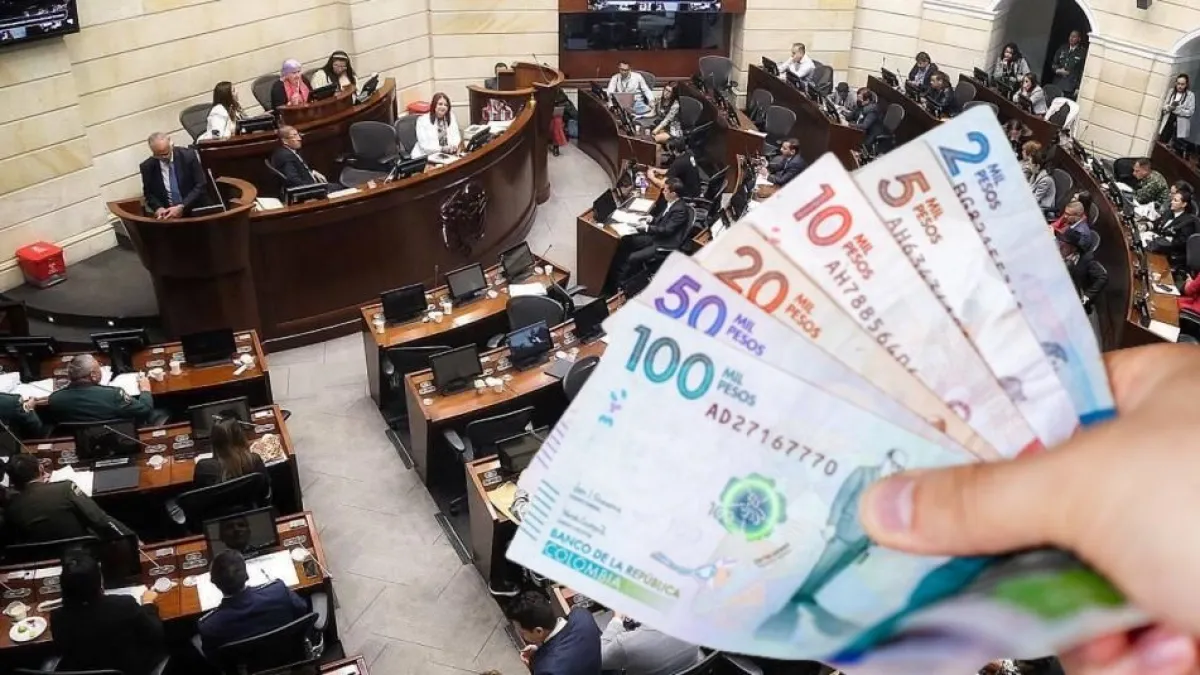
In a significant legal and political development, the Council of State has intervened to temporarily halt a government-backed measure that sought to eliminate a controversial monthly “special allowance” for Colombian legislators. The ruling, which mandates an in-depth examination of the executive’s authority, highlights a complex friction between government austerity goals and the rigid legal protections governing the salaries of high-ranking state officials.
1. The Core of the Dispute: A Temporary Halt to Reform
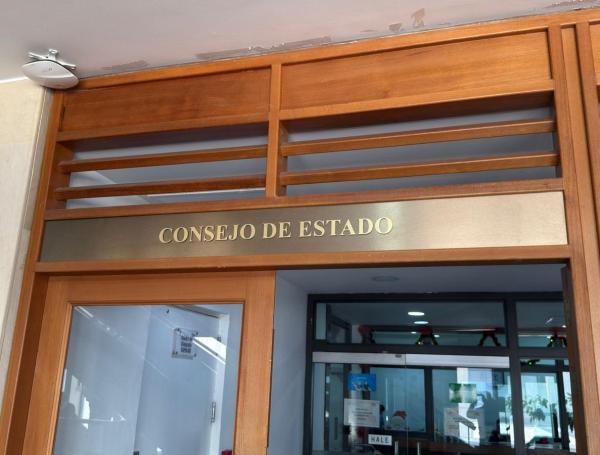
The Colombian government, led by President Gustavo Petro, faced a major judicial obstacle this week as the Council of State issued a provisional suspension of Decree 030, signed on January 19, 2026. This decree was intended to dismantle the "special service allowance"—a payment currently worth approximately 18 million Colombian pesos (COP) per month—assigned to members of Congress.
The high court’s decision, contained within a comprehensive 41-page ruling, does not mark the end of the legal battle, but rather freezes the government’s attempt to execute this cut until the court can rule on the underlying merits of the case. By granting this precautionary measure, the Section Two Conjuez panel, led by Héctor Santaella Quintero, has effectively signaled that there are substantial legal questions regarding the constitutionality and the broader structural impact of the administration’s policy.
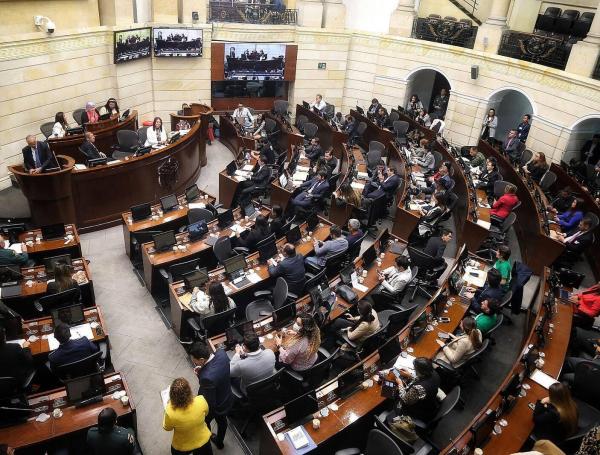
For the upcoming legislative session scheduled to begin on July 20, 2026, the status quo remains in effect. The "special allowance," which has been a point of intense public debate due to its scale, will continue to be paid while the judicial process unfolds.

2. Chronology of the Allowance and the Conflict
To understand the gravity of the current situation, it is necessary to examine the historical trajectory of this specific remuneration.
- 2013: The Origin of the Allowance: The benefit was established via Decree 2170 of 2013, designed as a mechanism to unify various existing subsidies, including those for health, housing, and transportation, into a single, consolidated payment. At its inception, the allowance was approximately 7.9 million COP.
- The Mechanism of Inflation: Crucially, the allowance was structured to increase annually in tandem with the salaries of parliamentarians. Over the span of 13 years, through successive annual adjustments, the figure has ballooned to its current value of 18 million COP, significantly outpacing general inflation and the income growth of the average Colombian citizen.
- January 2026: The Government’s Intervention: Seeking to bridge the gap between public sector compensation and the economic reality of the average citizen, the Petro administration enacted Decree 030. The objective was clear: revoke the 2013 decree and eliminate the special allowance for new congresspeople, arguing that the existing pay structure was fundamentally disproportionate.
- July 2026: The Judicial Intervention: Faced with legal challenges, the Council of State stepped in on July 16, 2026, suspending the executive order. The court determined that the move required deeper constitutional scrutiny before it could be enforced.
3. Supporting Data and Legal Reasoning
The Council of State’s decision is rooted in a technical, yet vital, interpretation of Colombian law. The court argued that the government’s decree did not operate in a vacuum. Instead, it triggered a "domino effect" that threatened to disrupt the administrative balance of the entire State.

The "Linkage" Principle (Article 15, Law 4 of 1992)
The court pointed to Article 15 of Law 4 of 1992, which establishes a strict hierarchy in the remuneration of public officials. Under this law, the salary regimes of the heads of other state entities—including the Judiciary, the Prosecutor General’s Office, the Office of the Inspector General (Procuraduría), the Comptroller’s Office, the Ombudsman’s Office, and the National Registry—are legally linked to the remuneration levels of Congress.
The Council of State noted:
"The suppression of the special service allowance for members of the Congress of the Republic impacts the remuneration of public servants across the Judicial Branch, the Prosecutor’s Office, and other control agencies… because their salary regimes are tied to those of the legislators."
Consequently, the court ruled that the government’s attempt to reform congressional pay could, by extension, affect the rights and acquired benefits of thousands of public servants across different branches of government. This technical entanglement is precisely why the court mandated a full "analysis of the depth" of the issue.

4. Official Responses and the Argument for Austerity
The Petro administration has consistently maintained that its efforts to curb the allowances are a matter of social justice and economic necessity. In the preamble of Decree 030, the government explicitly stated its rationale:
"The remuneration perceived by congresspeople is disproportionate in relation to the average income of the population and the economic reality of the country."
The administration’s position is that the current salary scale—inflated by these specific allowances—creates an "ivory tower" effect, distancing elected officials from the daily struggles of the voters they represent. By attempting to eliminate this benefit, the government sought to send a message of fiscal responsibility and egalitarianism.
However, the legal opposition, which prompted the Council of State’s ruling, argued that while the goal of austerity is commendable, the method used by the Executive Branch—a decree—violated the principles of "Legal Stability" and potentially infringed upon the constitutional protections of public servants’ income.

5. Broader Implications for the State
The suspension of this decree carries heavy weight for the future of Colombian governance:
A. The Separation of Powers
This case serves as a prime example of the checks and balances inherent in the Colombian Constitution. The Executive Branch (the President and his ministries) attempted to use a decree to bypass the slow process of legislation, but the Judiciary acted as a buffer, ensuring that such sweeping changes to the state’s payroll are evaluated for their long-term legal consequences.
B. The Economic Ripple Effect
If the allowance were to be permanently removed, the government would need to navigate a complex legal minefield involving the salary structures of nearly every high-level public entity in Colombia. This would likely require a total overhaul of the 1992 law on salary regulations, a task that arguably belongs in the legislative arena rather than the presidential office.
C. Political Capital
For President Petro, the judicial defeat is a setback to his narrative of "systemic reform." While the administration retains the right to defend the decree as the case progresses, the public perception of the government’s ability to "fix" the perceived excesses of the political class remains contested. Critics of the government suggest that this incident highlights a trend of attempting to bypass established legislative procedures, while supporters argue that the Judiciary is merely protecting the status quo of the political elite.

Conclusion: A Long Road Ahead
As of mid-July 2026, the situation remains in a state of suspended animation. The "special allowance" stays in place, the legislative branch prepares for its new term, and the legal teams representing the State and the petitioners prepare for a lengthy, complex battle before the Council of State.
While the immediate outcome is a victory for those defending the current pay structure, the broader debate is far from over. The court has not yet ruled on the constitutionality of eliminating the allowance, only on the process and the impact of doing so via the current decree. Whether the Colombian government can eventually successfully implement these cuts—or whether it will be forced to seek a more arduous, yet legally sound, legislative path through Congress—remains the most significant open question in the country’s current political landscape.

For now, the focus shifts back to the courtroom, where the final judgment will not only determine the size of a lawmaker’s paycheck but will also set a crucial precedent for how the Colombian government can manage the salaries of its most powerful officials in the years to come.