In the rapidly evolving landscape of the global automotive industry, the transition toward sustainable mobility is no longer just a trend for the environmentally conscious; it has become a pragmatic financial strategy. In Colombia, a detailed analysis of the "Total Cost of Ownership" (TCO) reveals a compelling narrative: while hybrid electric vehicles (HEVs) may carry a higher initial price tag, their long-term operational efficiency and a robust framework of government incentives are positioning them as the most economically viable alternative to traditional internal combustion engines.
This shift is being driven by a confluence of rising fuel costs, urban congestion challenges, and a proactive regulatory environment. As consumers weigh the pros and cons of new vehicle investments, the hybrid model is emerging as the "smart money" choice for the modern driver.
The Core Thesis: Beyond the Sticker Price
For years, the primary barrier to the adoption of hybrid technology was the upfront cost. Industry data and specialized testing—most notably by the Centro de Experimentación y Seguridad Vial (Cesvi) Colombia—confirm that hybrid vehicles command a premium of between 15% and 25% compared to their gasoline-only counterparts.
However, looking strictly at the purchase price is an incomplete way to evaluate a vehicle’s value. The TCO methodology accounts for fuel consumption, maintenance intervals, tax benefits, and depreciation. When these factors are aggregated, the hybrid’s higher entry cost is systematically eroded, often leading to a breakeven point that arrives much sooner than previously anticipated.

The Mathematics of Efficiency
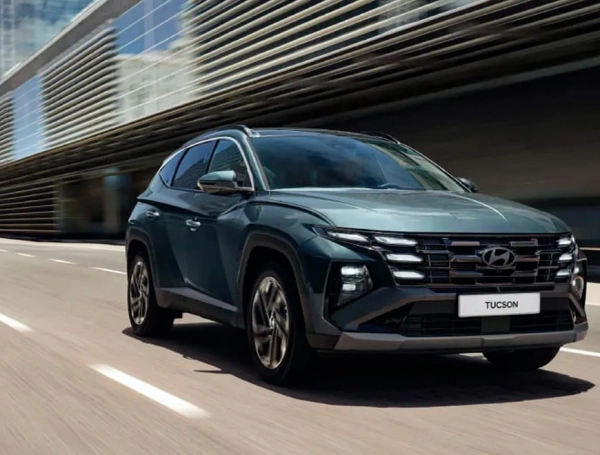
Efficiency is the cornerstone of the hybrid value proposition. In rigorous urban testing, particularly in high-density environments like Bogotá and Medellín, the hybrid advantage is stark. During recent trials with a late-generation SUV, the vehicle achieved a remarkable 86.83 kilometers per gallon (kpg) while in "ECO" mode.
With domestic gasoline prices hovering consistently above 16,000 pesos per gallon, the economic impact of this efficiency cannot be overstated. Hybrids offer between 45% and 55% greater fuel efficiency than conventional models. This is largely due to the regenerative braking systems and electric motor assistance that handle the heavy lifting during stop-and-go traffic, idling, and low-speed maneuvering—the exact scenarios where gasoline engines are historically least efficient.

A Chronology of the Shift
The transition toward hybrid adoption in Colombia has been characterized by three distinct phases over the last decade:
- The Early Adoption Phase (2015–2019): Hybrids were viewed as niche luxury items. High prices and a lack of public awareness kept sales volumes low.
- The Regulatory Incentive Phase (2020–2023): The Colombian government, recognizing the need to reduce urban emissions, implemented significant tax breaks, including a reduced 5% VAT (IVA) on hybrid and electric vehicles, compared to the standard 19%. This period saw the first significant uptick in market penetration.
- The Economic Consolidation Phase (2024–Present): With the stabilization of fuel prices at higher levels, the consumer focus shifted from "environmental impact" to "financial performance." The current market is defined by widespread acceptance, with hybrids viewed as durable assets that hold their value better than aging gasoline-only models.
Technical Superiority and Maintenance Realities
One of the most persistent myths surrounding hybrid technology is that the complexity of the dual-powertrain system leads to exorbitant maintenance costs. Data from Cesvi suggests the exact opposite.

The Regenerative Braking Benefit
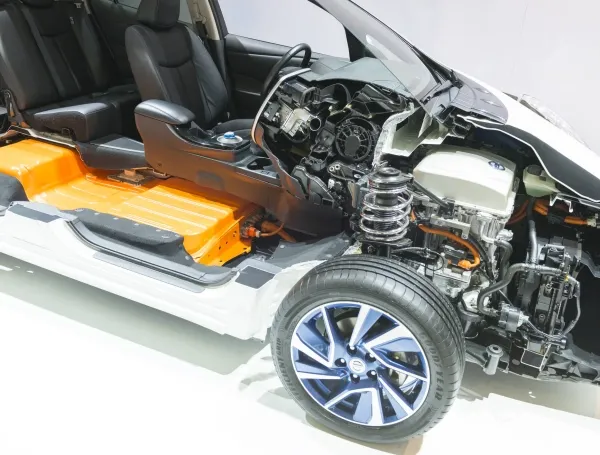
The secret to the hybrid’s lower maintenance cost lies in the regenerative braking system. By capturing kinetic energy during deceleration and converting it into electrical energy, the system reduces the mechanical workload on the traditional friction braking components.
Studies indicate that the life cycle of brake pads and discs is extended by 70% to 90% compared to a conventional vehicle. This translates to fewer service visits and significantly lower replacement costs over the vehicle’s lifespan. Furthermore, the reduced mechanical stress on the combustion engine—which operates at more optimal, stable temperatures and RPMs—contributes to greater longevity of the entire powertrain.

The Regulatory Framework: Incentives as Economic Engines
The economic viability of hybrids in Colombia is significantly bolstered by a "green" regulatory environment. These policies are designed to bridge the gap between traditional and future mobility.
- Taxation: The 5% VAT rate is the most visible benefit, but it is supported by regional tax policies. In Bogotá, for example, the District Secretariat of Finance offers up to a 10% discount on annual vehicle taxes for eco-friendly models.
- Mobility Restrictions: Perhaps the most tangible benefit for the daily commuter is the exemption from "Pico y Placa" (license plate-based driving restrictions). While difficult to quantify in a spreadsheet, the ability to drive daily without restriction represents a massive increase in personal productivity and a reduction in the "hidden costs" of travel, such as the need for secondary transportation or the time lost to transit.
The Secondary Market: Holding Value in a Changing World
Perhaps the most compelling argument for the hybrid is the current state of the used vehicle market. According to reports from the National Association of Sustainable Mobility (Andemos), the demand for used hybrid vehicles in Colombia currently outstrips supply.
This scarcity creates a unique financial cushion for the owner. While traditional gasoline vehicles face steep depreciation curves due to concerns over future fuel costs and potential environmental regulations, hybrids are seeing a surge in residual value. For the consumer, this means that the "Total Cost of Ownership" is further optimized by a higher recovery of capital upon the eventual resale of the vehicle.
Official Perspectives and Future Outlook
The shift toward hybrids is being aggressively supported by manufacturers who see Colombia as a strategic hub for sustainable transition. Adriana Casadiego, General Manager of Hyundai Colombia, encapsulates this vision:

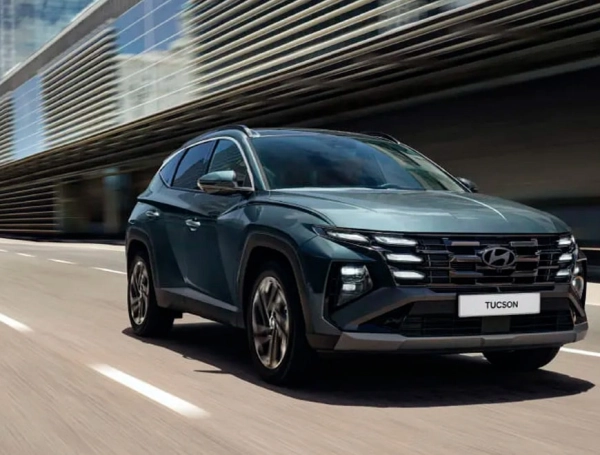
"Our vision with the Tucson Hybrid is not just to deliver a technologically advanced vehicle, but an intelligent financial alternative for the Colombian who needs efficient mobility that protects their pocketbook. Understanding the hybrid as a long-term investment rather than an immediate expense is key to promoting a transition toward more sustainable mobility in the country."
This perspective shifts the conversation from the dealership floor to the long-term balance sheet. The vehicle is no longer just a transport device; it is a capital asset that hedges against inflation and energy price volatility.
Implications for the Colombian Consumer
The implications of this shift are profound. As the automotive market continues to mature, the data suggests that the "gasoline-only" era is reaching a natural decline. The combination of:
- Lower Cost-per-Kilometer: Driven by superior fuel efficiency.
- Reduced Service Frequency: Driven by regenerative braking and hybrid-specific mechanics.
- Fiscal Support: Provided by government tax incentives and mobility privileges.
- Resale Stability: Driven by high market demand for sustainable assets.
These factors create a perfect storm for the hybrid vehicle. For the average Colombian family or professional, the decision to purchase a hybrid is increasingly becoming a calculation of financial prudence rather than just environmental stewardship.

As we look toward the remainder of the decade, the infrastructure and the economic data clearly favor those who choose to integrate hybrid technology into their personal and professional lives. The transition to cleaner energy is, ultimately, being paved by the simple fact that it makes better economic sense.
Summary Data Table: The Hybrid Value Proposition
| Factor | Gasoline-Only | Hybrid (HEV) | Financial Impact |
|---|---|---|---|
| Fuel Efficiency | Baseline | 45%–55% higher | High Savings |
| Maintenance | Standard wear | Reduced brake wear | Medium Savings |
| Taxation (VAT) | 19% | 5% | Significant Upfront Savings |
| Depreciation | Standard | Slower (High demand) | Asset Protection |
| Mobility | Subject to restrictions | Exemptions | High Productivity Gain |
In conclusion, the hybrid vehicle stands as the most realistic bridge between current infrastructure and the future of electrified transportation. By aligning personal financial interests with public policy goals, Colombia is creating a model for how emerging economies can successfully navigate the global shift toward sustainable, efficient, and cost-effective mobility.