By Economic News Desk
Updated: November 4, 2026
In a decisive move to stabilize the nation’s fiscal architecture, the Colombian government is currently navigating two critical legislative pillars through Congress. These initiatives—the biennial budget for the General Royalties System (SGR) and a sweeping fiscal adjustment and tax reform bill—represent the administration’s most significant efforts to date to recalibrate public spending and address structural imbalances. While the former focuses on regional development and investment, the latter seeks to fundamentally tighten the state’s belt by curbing operating costs, payroll expenditures, and non-essential contractual obligations.
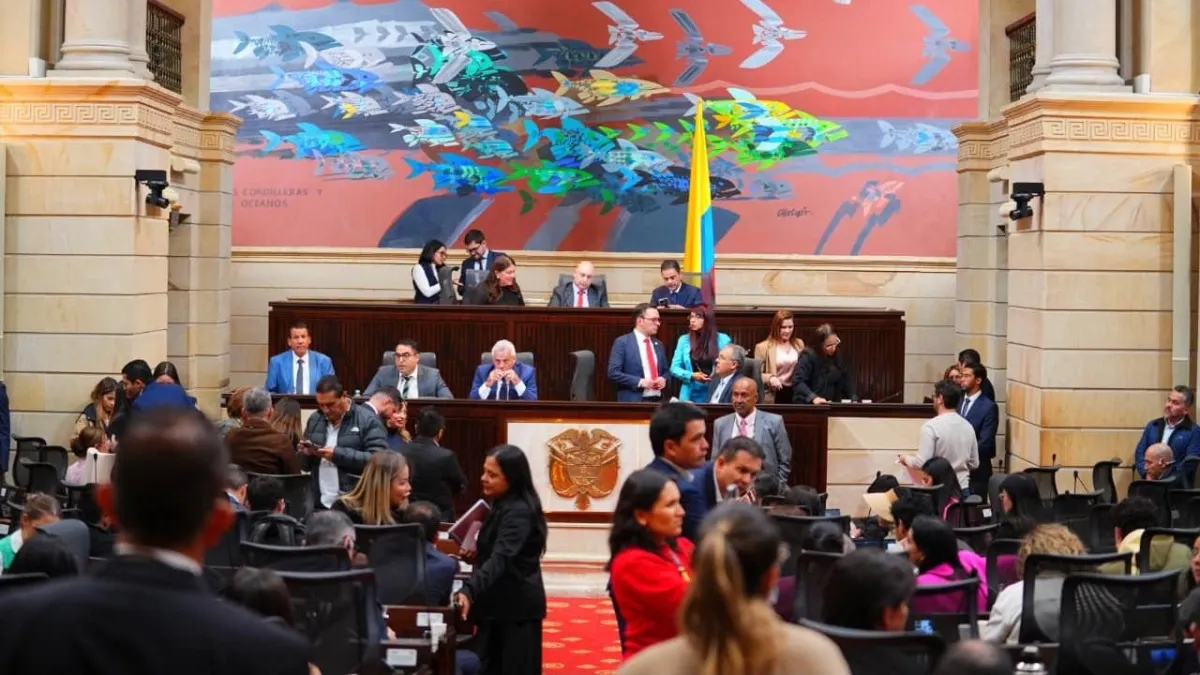
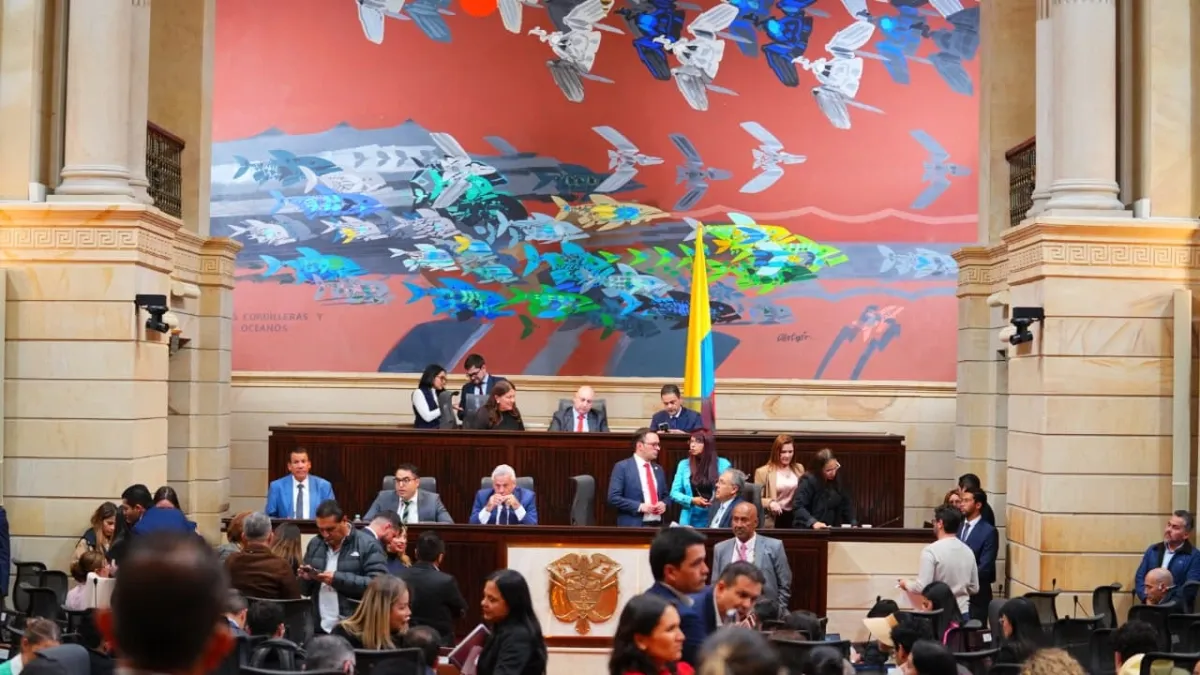
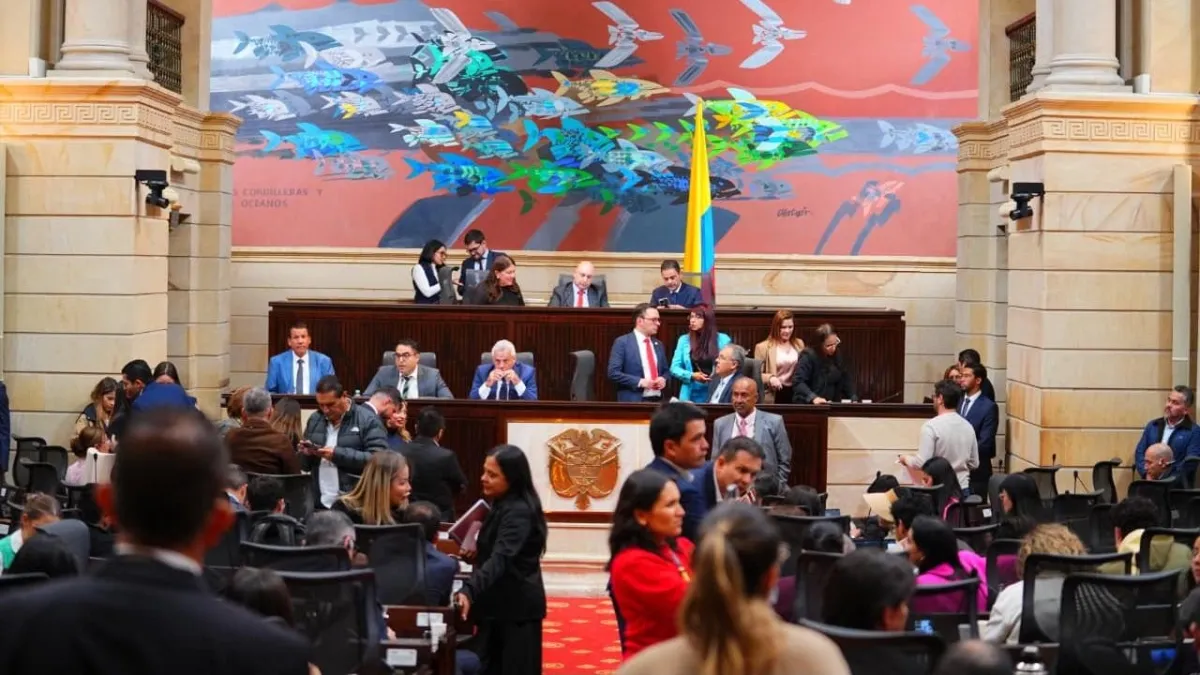
The recent approval in the first debate of the SGR budget for 2027-2028 by the joint Economic Commissions of the Senate and House of Representatives marks a milestone in this legislative marathon. However, the accompanying tax and fiscal adjustment reform, which aims for staggering state savings of 44.6 trillion pesos by 2027 and 76.1 trillion by 2030, remains the subject of intense scrutiny and debate. Together, these measures signal a transition toward a more austere fiscal regime, prioritizing long-term sustainability over short-term expansion.
The 2027-2028 Royalties Budget: A Leaner Outlook
The recently greenlit SGR budget for the upcoming biennial period totals 27.5 trillion pesos. This figure reflects an 11 percent reduction compared to the 2025-2026 cycle, which saw an allocation of 30.96 trillion pesos. This contraction in available funds underscores a broader trend of dwindling resources that the administration must manage with increasing precision.

Breakdown of the Investment Strategy
Of the total 27.54 trillion pesos currently on the table, the distribution strategy is designed to balance immediate regional needs with future-oriented savings:
- Investment Projects: 25.9 trillion pesos, aimed at closing regional gaps and boosting local productivity.
- Administrative and Oversight Costs: 643 billion pesos dedicated to monitoring, evaluation, and control, ensuring that public funds are not lost to inefficiencies or corruption.
- System Savings: 964 billion pesos, allocated to the SGR’s long-term stabilization mechanisms.
Regional Allocations and Priorities
The territorial distribution of these funds is a major point of contention and interest for local governments. The Ministry of Finance has outlined a plan that favors six primary regions:

- Caribbean Region: 5.18 trillion pesos.
- Llanos Region: 3.72 trillion pesos.
- Central-Eastern Region: 2.35 trillion pesos.
- Pacific Region: 1.92 trillion pesos.
- Coffee Axis (Eje Cafetero): 1.6 trillion pesos.
- Central-Southern Amazonia: 1.48 trillion pesos.
These resources are intended to fund projects that foster energy security, environmental protection, and community-led development. By integrating multiple financing sources, the government hopes to maximize the impact of every peso spent, demanding that regional authorities demonstrate greater accountability and transparency.
The "Rescue Law": A Structural Shift in State Spending
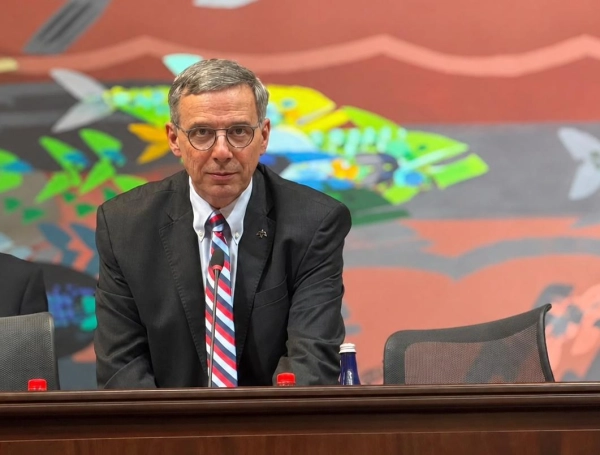
While the royalties budget deals with investment, the government’s proposed "Rescue Law"—a combination of tax reform and fiscal adjustment—targets the very heart of the state’s operating structure. Finance Minister Miguel Gómez Martínez has been vocal about the necessity of this shift, asserting that for the first time in the nation’s history, a fiscal adjustment is starting where it should: by reducing the state’s own footprint.
Curtailing Payroll and Bureaucracy
A central pillar of the reform is the mandate to reduce payroll expenses by 20 percent across the General Budget of the Nation by 2028. This measure, which notably excludes the Military and Police forces, is projected to yield savings of approximately 9.6 trillion pesos in that year alone.
Furthermore, for the 2029-2030 period, the bill proposes that payroll expenditure growth be capped at the inflation rate plus 0.5 percentage points. This formula is designed to satisfy the constitutional mandate that public sector salaries must track inflation, while preventing the unchecked expansion of administrative costs that has historically plagued the national budget.

Reining in Service Contracts
One of the most controversial elements of the proposal is the drastic reduction of "Service Provision Contracts" (CPS). These contracts, which grew by 33.9 percent during the previous administration—from 5.33 trillion to 7.133 trillion pesos—are identified by the current Ministry as a significant drain on resources.
The proposal mandates a 50 percent reduction in this form of hiring in 2027 compared to 2026 levels. Moving forward, any entity seeking to engage a contractor must first prove that the work cannot be performed by permanent staff, effectively attempting to curb the practice of using short-term contracts to circumvent civil service requirements.

Implications for Public Governance and Accountability
The government’s plan goes beyond mere budget cuts; it aims for a complete overhaul of how the state communicates and operates.
Restrictions on Official Publicity
Publicity spending has been a sensitive topic in Colombian politics. The proposed reform seeks to limit official advertising exclusively to informational purposes. Under the new guidelines, state resources could no longer be used to promote the personal image of government officials, political parties, or specific candidates. This measure is intended to depoliticize state communication and prevent the misuse of public funds for campaigning under the guise of "government management."

Tax Adjustments and Fiscal Fairness
In addition to spending cuts, the reform targets tax loopholes. Specifically, the bill proposes eliminating special tax treatments on representation expenses currently enjoyed by high-level officials, including judges, prosecutors, and certain university rectors and professors. These individuals would, under the new rules, be subject to the same general income tax regulations as other taxpayers, a move framed as an effort to ensure horizontal equity within the tax system.
Official Responses and Political Challenges
Minister of Finance Miguel Gómez Martínez has defended the legislative package as a "do-or-die" moment for the country’s stability. During the legislative sessions, he emphasized that the current economic environment leaves no room for half-measures.

"If this law is not passed, we risk facing a sovereign default," warned Vice President José Manuel Restrepo in recent discussions, underscoring the urgency felt by the executive branch. The government has argued that the previous administration’s spending habits created an unsustainable fiscal trajectory that only a major structural correction can fix.
However, the road ahead is fraught with political obstacles. The proposal to grant the President extraordinary powers to reorganize state structures has raised eyebrows among opposition lawmakers, who fear an erosion of the checks and balances system. Furthermore, the reduction in service contracts is likely to face stiff resistance from unions and those who rely on the state for employment, potentially leading to social friction in the coming months.

Chronology of the Fiscal Debate
- October 2026: The Ministry of Finance introduces the "Rescue Law" to Congress, emphasizing the need for a 15 percent reduction in overall public spending.
- Late October 2026: Finance Minister Gómez and Vice President Restrepo warn of a potential "default" if fiscal measures are not adopted.
- November 4, 2026: The economic commissions of the Senate and House approve the 27.5 trillion peso royalties budget in its first debate.
- Late 2026 – Early 2027 (Anticipated): Plenary sessions in both the Senate and the House are expected to debate the finer points of the tax reform and fiscal adjustment.
- 2027: Projected implementation of the first phase of the austerity measures, including the 50 percent reduction in service contracts and the beginning of the 2027-2028 royalties investment cycle.
Conclusion: A New Era of Fiscal Austerity
The legislative efforts currently unfolding in the Colombian Congress represent a pivot point for the nation’s economic history. By prioritizing a lean state and tightening controls on regional royalties, the government is attempting to signal to international markets and domestic stakeholders that it is serious about fiscal responsibility.
The success of these measures will depend on the administration’s ability to balance the need for austerity with the requirement to provide essential public services and maintain social cohesion. As the debate moves to the plenary sessions, the eyes of the country remain fixed on the legislative chambers, where the decisions made in the coming weeks will determine the fiscal reality of Colombia for the remainder of the decade. The shift from an era of expansion to one of controlled, disciplined spending is, by all accounts, the government’s most significant gamble to date.