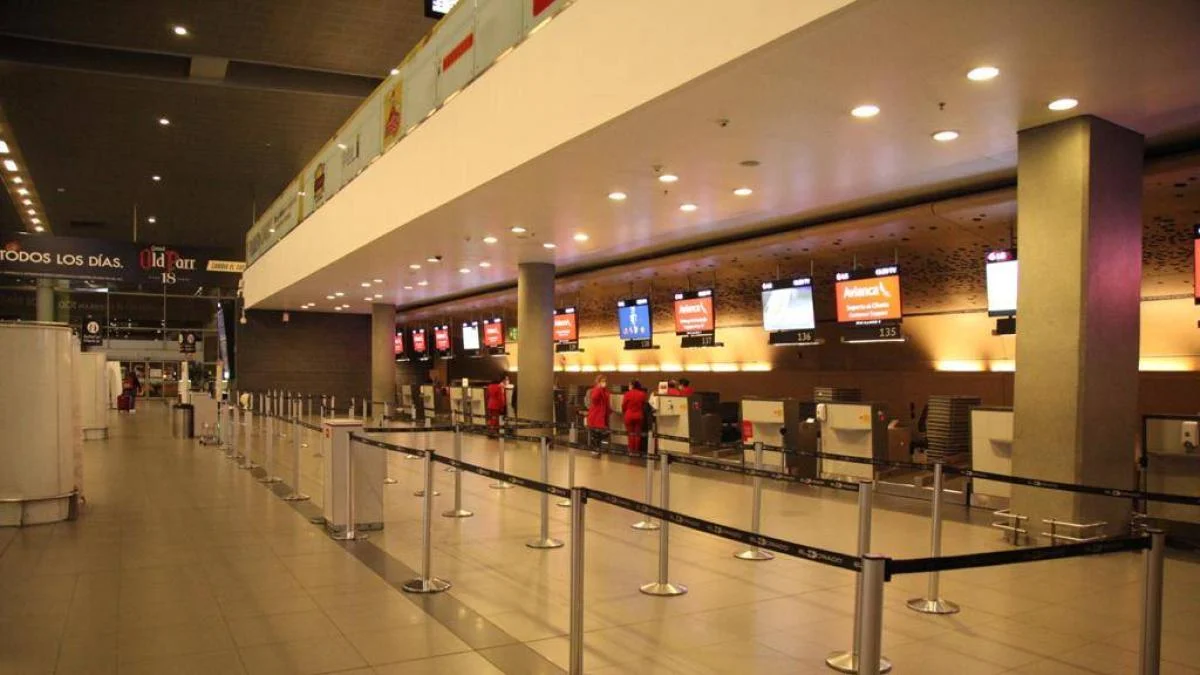
BOGOTÁ, Colombia — Aviation authorities in Colombia have confirmed that operations at the nation’s primary aviation hub, the El Dorado International Airport in Bogotá, are steadily returning to normal following a critical technical failure that disrupted air traffic management systems earlier this week. The incident, which triggered widespread logistical challenges and raised concerns regarding airspace safety, prompted an immediate emergency response from technical teams and specialized air traffic controllers.
While core systems have been successfully stabilized and despatches have resumed their regular cadence, the ripple effects of the technical glitch continue to present lingering scheduling adjustments across domestic and international routes.
Main Facts: The Technical Breakdown and Operational Impact
The disruption began when a sudden technical anomaly struck the radar visualization systems utilized by air traffic controllers to safely monitor, sequence, and guide aircraft through Bogotá’s heavily congested airspace. These radar systems are the foundational technological backbone of modern commercial aviation, providing real-time data on aircraft altitude, speed, and trajectory to prevent mid-air collisions and optimize terminal flow.
When the visualization systems faltered, the immediate priority for safety authorities was to prevent any compromise to flight separation standards. Consequently, air traffic management was forced to implement emergency protocols, slowing down the arrival and departure rates at El Dorado and placing temporary restrictions on regional airspace corridors.
According to official statements released by La Aeronáutica Civil (Aerocivil), the civil aviation authority of Colombia, the core issue did not stem from external cyber threats or infrastructural physical damage, but rather from an acute internal software and hardware synchronization failure within the primary radar tracking interfaces.
Despite the severity of the alert, Aerocivil’s rapid deployment of engineering and air traffic stabilization teams prevented a prolonged shutdown. The systems have since achieved operational stability, allowing for the gradual clearance of delayed flights.

Chronology of Events: From System Failure to Recovery
To understand the scope of the incident, aviation analysts have outlined the sequence of events as reported by operational logs and official briefings:
- Initial Detection: Technical teams registered erratic data feeds and synchronization errors within the primary radar visualization terminals at the El Dorado control center.
- Emergency Mitigation Protocols: To maintain absolute safety margins, air traffic control initiated precautionary slowdowns, restricting inbound slots and temporarily altering departure clearances. Simultaneously, a parallel restriction was enacted at the José María Córdova International Airport in Rionegro (serving Medellín), where authorities applied an expanded aircraft separation measure to safeguard the regional airspace while Bogotá’s systems were diagnosed.
- System Reboot and Plan Restoration: A specialized task force of senior air traffic controllers and software engineers was mobilized. Their primary objective was to bypass corrupted cache files, reboot the core visualization architecture, and manually reload affected flight plans into the system queues.
- Stabilization and Resumption of Departures: Aerocivil confirmed that the software interface achieved stability. Despatches from El Dorado recommenced on schedule, though minor congestion persisted as aircraft repositioned to their designated gates and runways.
- Lifting of Regional Restrictions: With El Dorado’s data feeds fully restored, the preventive separation measures in Medellín’s airspace were officially lifted, clearing the way for totally normalized operations at the José María Córdova facility.
Supporting Data and Airspace Context
El Dorado International Airport is not merely a regional hub; it is one of the busiest cargo and passenger aviation facilities in Latin America. Handling tens of thousands of passengers daily and serving as the primary operational base for major carriers such as Avianca, LATAM, and Wingo, any disruption in Bogotá’s airspace produces a cascading effect across the entire Andean region and beyond.
- Traffic Volume: On an average operational day, El Dorado manages over 1,000 flight movements (takeoffs and landings), connecting domestic destinations with key international hubs in North America, Europe, South America, and the Caribbean.
- The Rionegro Connection: The José María Córdova International Airport in Rionegro acts as Colombia’s secondary strategic aviation node. Because a significant percentage of flights originating in Medellín route directly through or share connecting itineraries with Bogotá, any technical restriction in the capital immediately forces traffic management changes in Antioquia to prevent bottlenecking.
- Contingency Workforce: During the crisis, dozens of specialized controllers and IT technicians worked around the clock to re-sequence the flight database, manually verifying flight plans to ensure zero errors in aircraft identification tags.
Official Responses and Authority Directives
In the wake of the incident, Aerocivil issued comprehensive communications outlining the current state of the nation’s skies and offering guidance to the traveling public.

"The situation has been successfully overcome, and operations are progressing steadily toward total normalization," Aerocivil stated in an official release. "Our specialized teams of air traffic controllers worked diligently to restore and reload the affected flight plans, ensuring that our radar systems currently exhibit optimal operational stability."
The agency emphasized that while despatches at El Dorado were proceeding normally at the time of the latest audit, technical personnel and air traffic supervisors remain on high-alert status. Continuous monitoring is being maintained to preempt any secondary anomalies as the backlog of aircraft clears the tarmac.
Furthermore, Aerocivil addressed the status of the José María Córdova facility in Rionegro, confirming that the temporary "expanded separation" safety protocol had been completely rescinded. The airspace above Medellín is operating under standard visual and instrumental flight rules without constraint.

Recommendations for Passengers
Given the logistical domino effect inherent to sudden air traffic interruptions, aviation authorities have strongly urged travelers to exercise caution regarding their itineraries.
- Direct Airline Inquiry: Passengers scheduled to fly through El Dorado or connecting regional airports over the coming days are advised to check directly with their respective airlines for real-time status updates.
- Itinerary Adjustments: While the technical fault is resolved, aircraft and crew displacement caused by the hours-long slowdown may lead to rolling delays or minor gate changes.
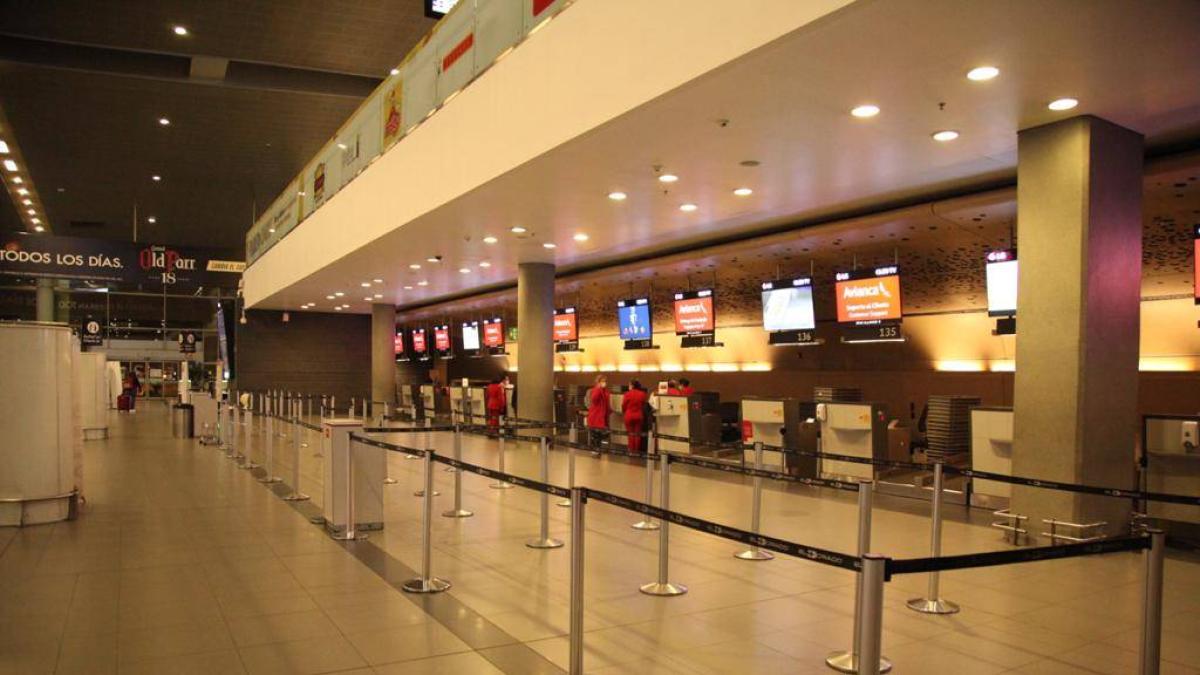
- Early Arrival: Travelers are encouraged to arrive at the airport well in advance of their scheduled departure times to accommodate potential queue buildups at check-in and security checkpoints as passenger volume re-stabilizes.
Implications for Future Air Traffic Management
The unexpected radar visualization failure at El Dorado serves as a stark reminder of the fragile dependency modern mass transit places on complex digital infrastructure. As air traffic volumes across Latin America continue to surpass pre-pandemic projections, the strain on national air navigation systems intensifies proportionately.
Technological Resilience
Industry analysts point out that incidents of this nature underline the critical necessity for redundant architecture within national air traffic control networks. While Aerocivil’s rapid response prevented a prolonged crisis, the event underscores the importance of ongoing modernization programs for radar interfaces, backup power supplies, and cloud-integrated flight data systems.

Economic and Logistical Fallout
For commercial airlines, even a brief halt in a primary hub like Bogotá translates into significant financial costs, including fuel burn during ground holds, passenger re-accommodation, and missed connecting flights. While insurance and force majeure clauses generally shield authorities from direct financial liability, airlines often absorb the immediate customer service burden.
Passenger Trust and Communication
Maintaining transparency remains paramount for aviation regulators. Aerocivil’s prompt public updates and clear communication channels helped mitigate widespread panic among stranded passengers at El Dorado terminals. Moving forward, stakeholders across Colombia’s aviation sector agree that continuous stress-testing of air traffic management software will be vital to preventing recurrent technical vulnerabilities.
As operations continue their steady ascent toward complete normalcy, El Dorado International Airport remains fully operational, with technical crews stationed on-site to ensure the skies above Bogotá remain safe, stable, and open.