By International Desk
Published: November 2, 2026
Main Facts
Across the globe, cultures observe unique traditions dedicated to honoring the deceased. From visiting crowded cemeteries with vibrant floral arrangements to gathering around family tables to share cherished anecdotes, human beings have intuitively sought ways to keep the memory of their loved ones alive. However, within the framework of Catholic tradition, the relationship with those who have passed away transcends mere nostalgia or historical remembrance. It enters a profound spiritual dimension governed by faith, prayer, and the doctrine of eternal life.
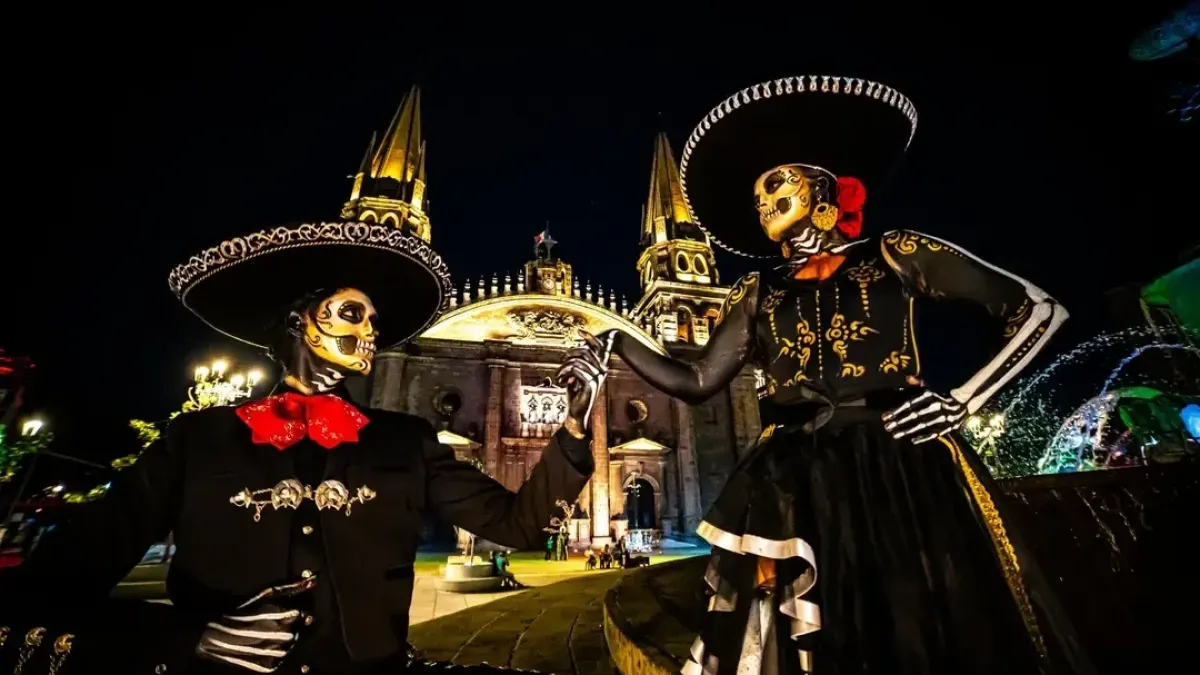
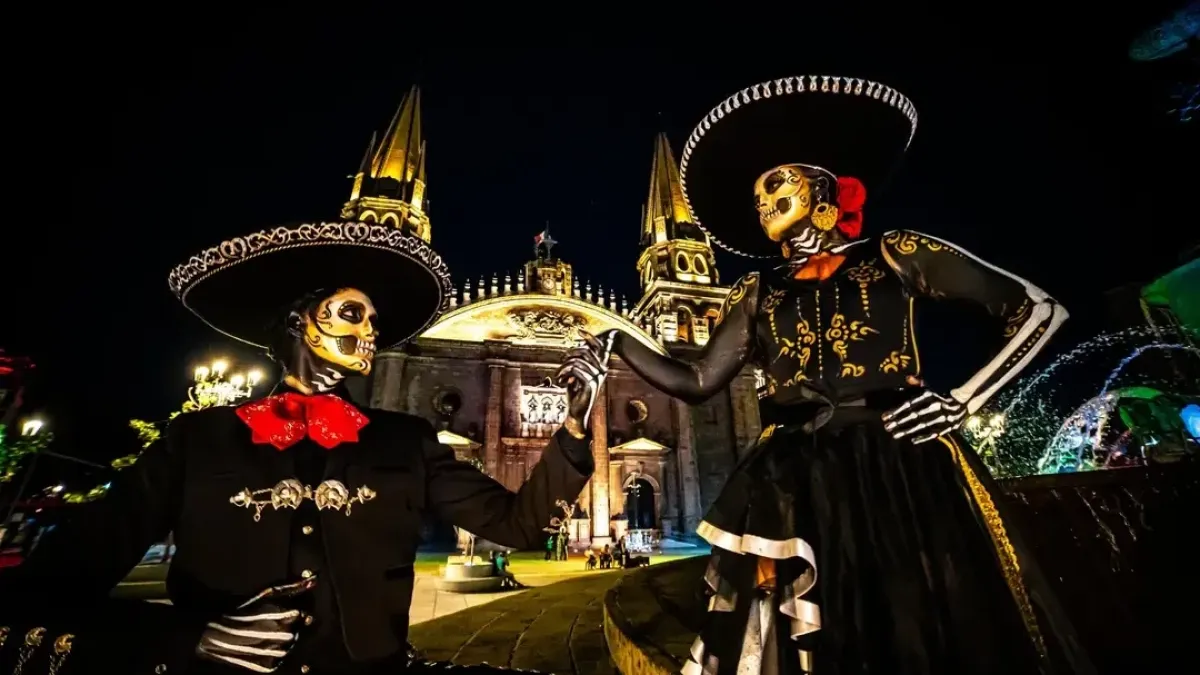
According to Catholic teaching, a fundamental distinction exists between keeping the memory of a deceased individual alive and actively commending their soul to God. While remembering preserves a person’s legacy, personality, and impact on our lives, prayer seeks to place them directly into the divine mercy. This theological distinction shapes how millions of Catholics approach days of remembrance, such as All Souls’ Day and culturally rich celebrations like Mexico’s renowned Día de Muertos (Day of the Dead). Rather than replacing cultural heritage, the Church seeks to elevate these practices, transforming outward tokens of affection into active intercessions for the departed souls awaiting the beatific vision.
Chronology of a Tradition: The Historical Roots of Praying for the Dead
The practice of praying for the deceased is not a modern innovation, nor is it a secondary aspect of Christian piety. Its roots extend deep into the foundational centuries of the faith, evolving through scriptural foundations, early Christian customs, and centuries of liturgical development.
1. Old Testament Precedents
Long before the establishment of the Christian Church, the roots of praying for the dead could be found in Jewish tradition. A prominent biblical reference occurs in the Book of Maccabees (2 Maccabees 12:43–46), where Judas Maccabeus arranges for a sin offering to be made for fallen soldiers, acting upon the belief in the resurrection of the dead. This ancient Jewish practice laid the conceptual groundwork for early Christians, who similarly believed that prayer could positively affect the state of departed souls.
2. The Early Church and Catacomb Inscriptions
By the second and third centuries, the early Christian community routinely incorporated prayers for the dead into their liturgical worship and daily lives. Archaeological discoveries in the catacombs of Rome provide undeniable historical evidence of this practice. Inscriptions etched into stone walls frequently contain phrases such as "May you live in God," "Peace be with your spirit," and explicit petitions for the soul of the departed to find rest in the presence of the Lord. The early Church Fathers, including Saint Augustine and Saint John Chrysostom, frequently wrote about the duty of the living to offer prayers, alms, and the Eucharist for those who had died.

3. Codification and the Establishment of All Souls’ Day
As liturgical traditions became more formalized during the Middle Ages, the need for a dedicated day of universal intercession for the dead became apparent. In the year 998 AD, Saint Odilo, the Abbot of Cluny, established November 2 as a special day for the monasteries under his jurisdiction to offer prayers for all faithful departed. This observance spread rapidly throughout Western Europe and was eventually adopted by the universal Roman Catholic Church, cementing a yearly rhythm dedicated specifically to the souls in purgatory.
Supporting Data and Theological Framework
To understand why Catholics pray for the dead, one must examine the official doctrines and catechism of the Church. The theological architecture supporting this practice rests upon three primary pillars: the Communion of Saints, the doctrine of Purgatory, and the central role of the Eucharist.
The Communion of Saints and Church Structure
The Catechism of the Catholic Church (CCC), in numeral 958, explicitly addresses the practice of praying for the dead, noting that it has been honored since the earliest days of Christianity. This tradition is intrinsically tied to the doctrine of the Communion of Saints, which describes the mystical unity of all members of the Church across three distinct states:
- The Church Militant: The living faithful journeying on Earth.
- The Church Suffering: The souls undergoing purification in Purgatory after death.
- The Church Triumphant: The saints and angels already enjoying eternal glory in heaven.
Because this spiritual communion is unbroken by physical death, Catholics do not view death as the absolute severing of relationships. Instead, spiritual bonds persist, enabling the living to assist the dead through prayer, and allowing the saints in heaven to intercede for both.
The Reality of Purgatory
Catholic theology holds that while many people die in God’s grace and friendship, they may still carry remnants of human imperfection, venial sins, or unrepented attachments to worldly things. Purgatory is understood not as a place of punishment akin to hell, but as a state of merciful, transformative purification. In this transitional state, souls are cleansed so that they may attain the holiness necessary to enter the joy of heaven, where "nothing unclean will enter" (Revelation 21:27). Because these souls cannot help themselves, the prayers, sacrifices, and good works of the living on Earth act as spiritual assistance to hasten their journey toward divine beatitude.
Official Responses and Perspectives on Cultural Syncretism
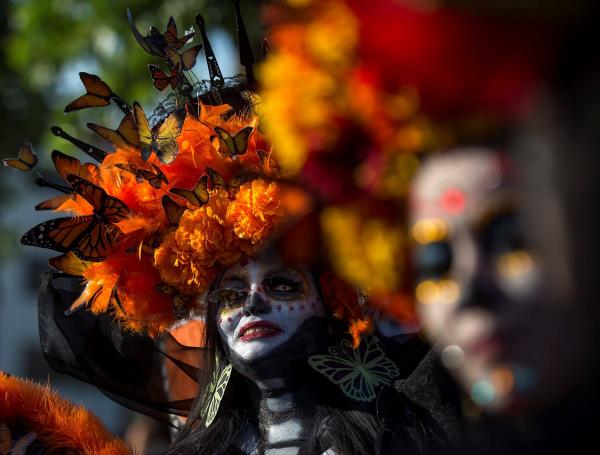
The convergence of Catholic doctrine with indigenous cultural practices—most notably during the Día de Muertos celebrations in Mexico and parts of Latin America—frequently draws international attention. Rather than rejecting these vibrant cultural expressions, official ecclesiastical authorities have consistently sought to harmonize them with Christian orthodoxy.
Reclaiming the Meaning of Día de Muertos
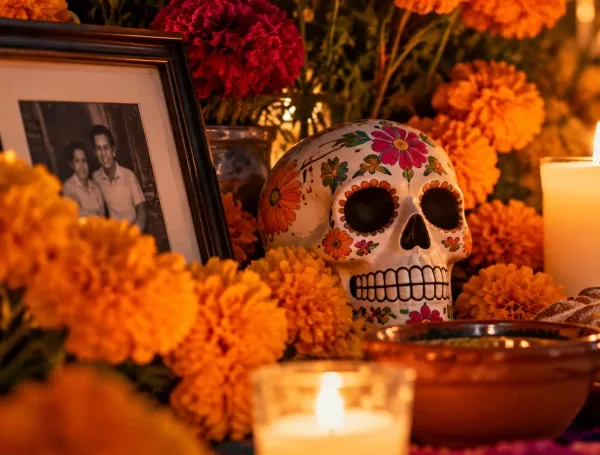
During the Day of the Dead, families construct elaborate altars (ofrendas) decorated with photographs, marigold flowers (cempasúchil), sugar skulls, candles, and the favorite foods of the deceased. From a secular or purely anthropological viewpoint, these rituals are seen as a survival of pre-Hispanic customs designed to welcome back the wandering souls of ancestors.
However, the Catholic Church proposes a profound reinterpretation of these elements. Church leaders emphasize that when integrated into the Catholic worldview:
- Photographs and candles serve as reminders to hold the deceased in active prayer, evoking the light of Christ and the eternal soul.
- Food and water offerings can be reframed as symbols of earthly sustenance, but church authorities caution against excess or superstition.
- Solidarity over Waste: Modern ecclesiastical guidelines frequently encourage the faithful to redirect the financial resources spent on excessive altar displays toward charitable works, feeding the living poor in memory of the dead. This aligns traditional remembrance with the core Christian mandate of mercy.
Implications: Practical Ways to Practice Remembrance in Modern Life
For contemporary Catholics, the intersection of memory and theology offers practical avenues to honor loved ones meaningfully. The Church provides several structured methods for the faithful to engage in this spiritual duty:

1. Offering the Holy Eucharist
The most powerful and central act of intercession in the Catholic tradition is the celebration of Holy Mass. Catholics frequently request intentional Mass intentions for a deceased family member or friend, believing that offering Christ’s ultimate sacrifice on the cross is the greatest possible assistance for a soul undergoing purification.
2. Family Prayer and the Rosary
Gathering as a family to pray the Rosary, particularly during the month of November (dedicated traditionally to the Holy Souls), fosters a sense of continued familial unity. Reciting specific prayers, such as the Requiem Aeternam (Eternal Rest grant unto them, O Lord), bridges the gap between generations.
3. Visiting Cemeteries and Gaining Indulgences
Visiting a cemetery to clean and decorate a loved one’s grave is an important physical gesture of respect. The Church encourages this by attaching spiritual benefits, such as plenary indulgences, to cemetery visits performed under specific conditions (receiving sacramental confession, Holy Communion, and praying for the intentions of the Pope) during the first week of November.

4. Performing Works of Charity
Almsgiving and performing acts of mercy for the living—such as feeding the hungry, visiting the sick, or supporting charitable organizations—can be offered up as spiritual suffrage for the deceased. This practice transforms personal grief into active, outward-looking love that benefits both the living community and the departed soul.
Ultimately, the Catholic approach transforms grief from an experience of isolation and permanent loss into an active relationship sustained by hope. By distinguishing between secular memory and spiritual intercession, the tradition offers believers a constructive framework to honor their past while looking forward with faith toward the promise of eternal resurrection.