By Juan Diego Torres
Judicial Correspondent
November 2, 2026
The Dawn of a New Security Paradigm
In a development that has sent shockwaves through the corridors of regional power, a high-precision military operation conducted by the Venezuelan Armed Forces has dismantled a major encampment of the National Liberation Army (ELN) in the southwestern state of Apure. The strike, which took place in the early hours of Friday, resulted in at least 19 confirmed fatalities. More significantly, the operation marks an unprecedented departure from the status quo observed over the last two decades, signaling a radical shift in how Caracas addresses the presence of foreign insurgent groups on its soil.
According to intelligence reports and military sources close to the operation, the tactical success of the mission was bolstered by strategic intelligence and geospatial mapping provided by the United States. This level of bilateral cooperation, once considered unthinkable under the previous administration, underscores a transformative phase in the relationship between Washington and the interim government of President Delcy Rodríguez.
Chronology of the Strike and Tactical Execution
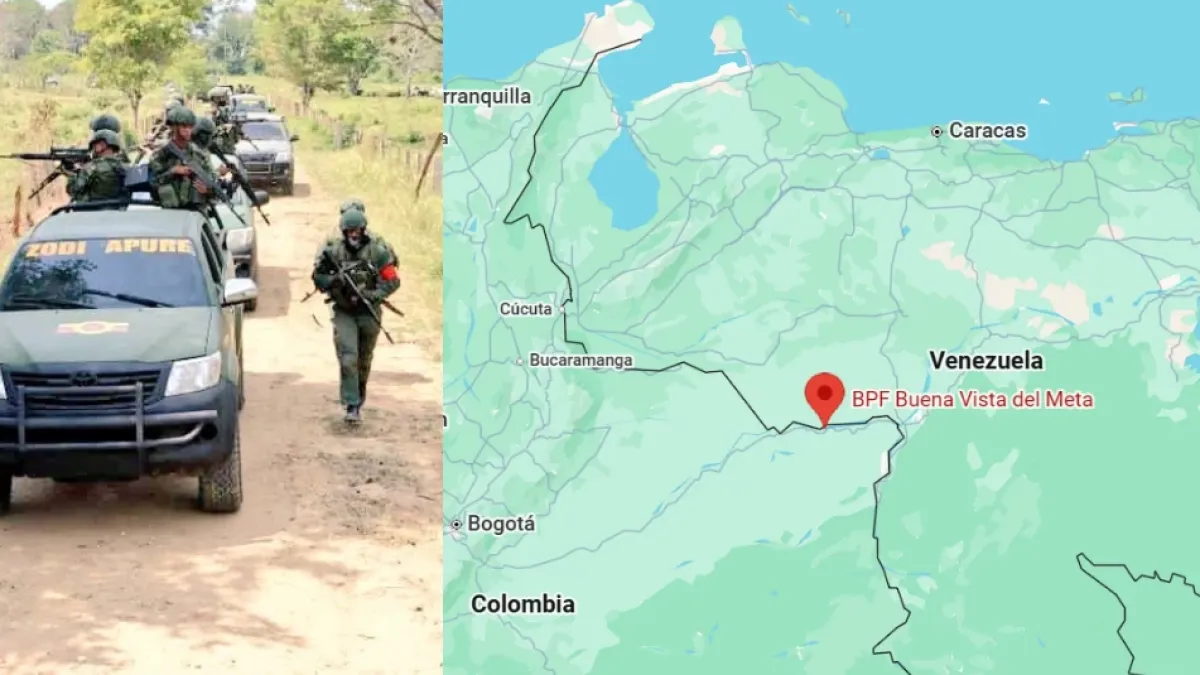
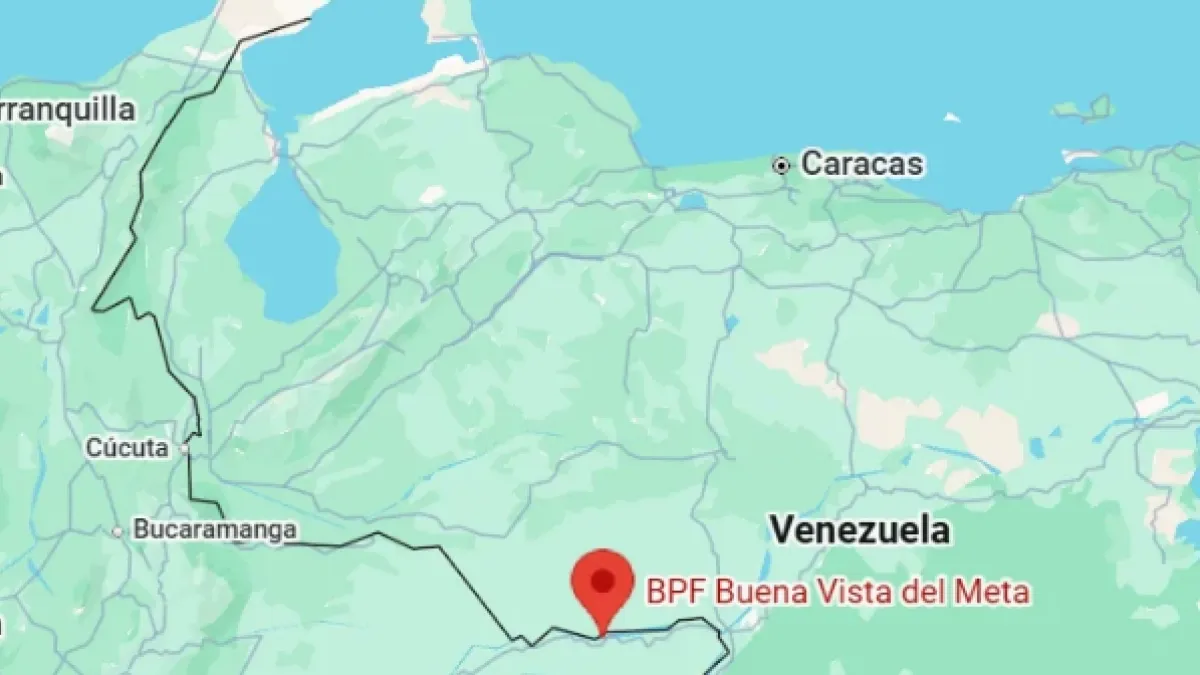
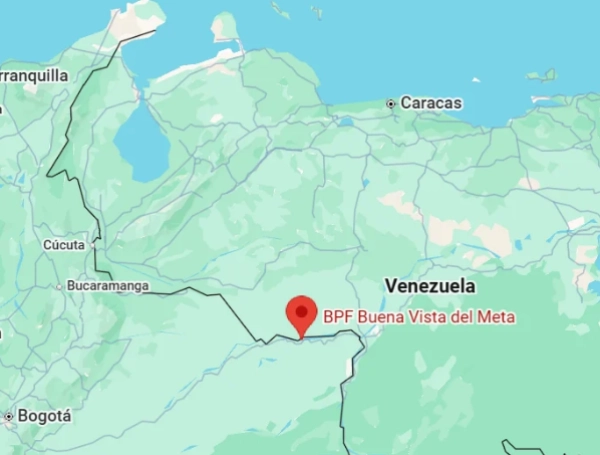
The operation targeted a heavily fortified guerrilla encampment situated in a dense, forested area near the hamlet of Buena Vista del Meta, a remote community of approximately 1,000 residents bordering the Colombian department of Vichada.

- Preparatory Phase: Intelligence gathering and reconnaissance for the mission began roughly one month prior to the strike. U.S. assets provided critical satellite imagery and signal intelligence that allowed the Venezuelan military to pinpoint the camp’s exact coordinates.
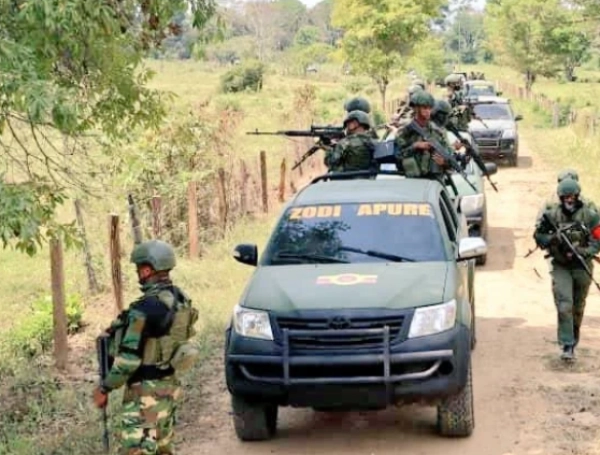
- The Strike: In the pre-dawn hours of Friday, the Venezuelan military launched a synchronized assault utilizing armed helicopters and tactical drones. The efficiency of the operation caught the insurgent structure completely off-guard, denying them any window for effective resistance or retreat.
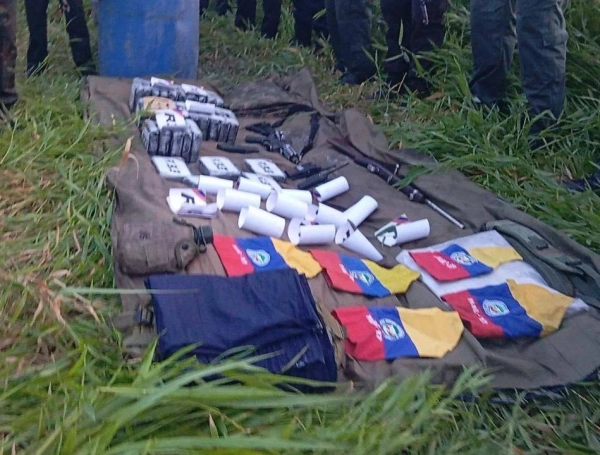
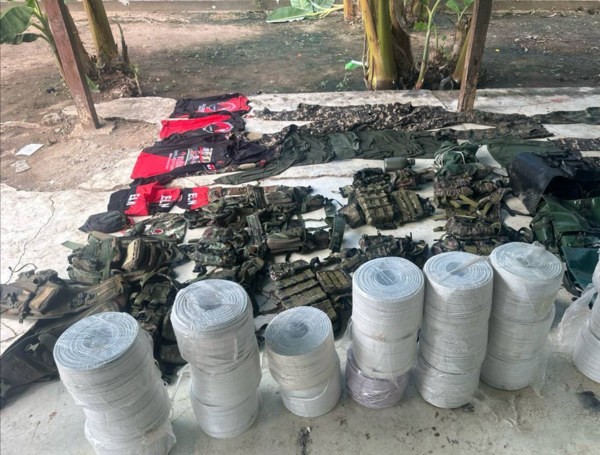
- Post-Operation: Following the bombardment, recovery teams were deployed to the site. Juan Francisco García, a coordinator for the NGO Fundaredes, confirmed that nine bodies were transported to San Fernando, the capital of Apure, on Friday. A subsequent recovery operation on Saturday brought the total death toll to 19.
Military sources cited by AFP indicate that reconnaissance flights and ground-based tracking continue in the region, as authorities suspect the existence of other satellite camps in the dense jungle terrain of the Apure-Vichada border.
A Radical Departure from Historical Policy
To understand the gravity of this event, one must examine the historical context. Since the rise of the "Chavista" era, the Venezuelan military has historically maintained a posture of non-intervention—and at times, tacit cooperation—with groups like the ELN and FARC dissidents. For years, Colombia consistently accused Caracas of providing a "safe haven" for these organizations to regroup, recruit, and manage cross-border illicit economies.
The transition in policy is undeniable. Under the leadership of Hugo Chávez and Nicolás Maduro, such a direct military offensive against these groups was virtually unheard of. Analysts suggest that the capture of Nicolás Maduro in a U.S.-led operation in January 2026 and the subsequent rise of Delcy Rodríguez to the interim presidency created the political vacuum necessary for this shift.
Hugo Acero, a renowned expert in regional security, emphasizes that this is not merely a tactical victory, but a fundamental change in the rules of engagement. "This represents a definitive break from the past," Acero notes. "The pressure from Washington, coupled with the new political reality in Caracas, has forced a recalibration of how Venezuela manages these criminal organizations."
Regional Implications and the "Shield of the Americas"
The operation in Apure does not exist in a vacuum; it is part of a broader, more aggressive regional strategy to secure borders and dismantle transnational criminal networks. The United States has been actively pushing the "Shield of the Americas," a transnational cooperation initiative focused on intelligence sharing and military coordination to combat narcotics trafficking and organized crime.
While Venezuela is not an official signatory to this pact, the recent developments suggest a de facto alignment. The influence of U.S. Secretary of State Marco Rubio has been central to this trend. Rubio, who met this past Sunday with Venezuelan Foreign Minister Oliver Blanco in Washington, has been vocal in his demand that all illegal armed encampments on Venezuelan soil be dismantled.

The impact of this pressure is mirrored on the Colombian side of the border. Since August 7, the administration of President Abelardo De La Espriella has launched six significant aerial bombardments against illegal armed structures, including operations in the Catatumbo region, Guaviare, and Nariño.
Criminal Economies and Territorial Control
The border between Colombia and Venezuela, a porous 2,219-kilometer stretch, has long served as a corridor for illicit trade, including drug trafficking, illegal gold mining, and extortion. In Apure, local ranchers have spent years documenting the systematic appropriation of their lands, forced displacements, and the presence of armed combatants who impose their own "law" upon the civilian population.
Beyond the ELN, the region remains a hotspot for various factions of the FARC, including structures associated with Iván Márquez, which have been implicated in high-profile attacks, including the assassination of Senator Miguel Uribe Turbay.
Dr. Walter Arévalo Ramírez, director of the International Law specialization at the Universidad del Rosario, argues that the current military pressure is a necessary response to a long-standing failure of state control. "Venezuela has a legal and moral obligation to exercise sovereignty over its own territory," Arévalo states. "The shift we are seeing—where the military is finally confronting these groups—suggests that the long-standing ‘neutrality’ of certain sectors of the Venezuelan Armed Forces is being eroded by the sheer weight of international pressure and the evident threat these groups pose to national stability."
Precedents: The "Niño Guerrero" Operation
This strike follows a similar, high-profile operation in June 2026, when an aerial bombardment attributed to U.S. Southern Command, in coordination with Venezuelan intelligence, reportedly resulted in the death of Héctor Rusthenford Guerrero Flores, alias "Niño Guerrero," the top leader of the Tren de Aragua.
That operation, which took place in the mining district of Las Claritas in the state of Bolívar, signaled that the era of impunity for top criminal leaders in Venezuela was nearing its end. The Apure strike against the ELN reinforces this trend, suggesting that the current Venezuelan leadership, under intense scrutiny from Washington, is prioritizing the dismantling of these groups to regain international legitimacy and domestic control.

Official Silence and Future Outlook
Despite the magnitude of the event, the government in Caracas has remained officially silent regarding the specific details of the Apure operation or the identities of those killed. This silence is likely a strategic choice, designed to manage internal political dissent within the military ranks that have historically supported the presence of these guerrilla groups.
As the government continues its efforts to secure the border, the question remains: is this a one-time surgical strike or the beginning of a sustained, long-term policy to purge the territory of foreign insurgent influence?

Luis Fernando Trejos, a professor at the Universidad del Norte, posits that the financial and resource-based motivations are also at play. "Everything points to the fact that the pressure on the ELN is now a binational endeavor," Trejos asserts. "It is highly likely that the United States is particularly interested in the mineral-rich zones that the ELN has been exploiting in the Venezuelan southwest. Controlling these resources is a strategic priority."
As the dust settles in Apure, the geopolitical landscape of South America remains in flux. The cooperation between Caracas and Washington, once considered impossible, is now the defining feature of a new era of regional security—one where the long-standing "safe havens" for criminal organizations are increasingly being transformed into theaters of war. The next few weeks, defined by potential further operations and the response from the ELN high command, will determine whether this new chapter brings stability or a wider escalation of conflict in the borderlands.