By Global Travel Desk
Published: October 31, 2026
Main Facts
Salvador de Bahia, the vibrant coastal metropolis in northeastern Brazil, stands today as a living monument to cultural survival, artistic expression, and historical depth. Founded in 1549 as the very first capital of Brazil, the city was forged as a fortified stronghold by Portuguese colonizers under Tomé de Sousa. Yet, beneath its colonial architecture and stunning natural geography lies a profound narrative defined by the heritage of the Black diaspora.
Far from being merely a picturesque tropical destination, Salvador is recognized globally as the beating heart of Afro-Brazilian culture. From its sensory-overload historic center—the Pelourinho—to its world-renowned musical movements, sacred syncretic traditions like the Lavagem do Bonfim, and revolutionary architectural landmarks, the city tells the story of those who turned resistance into a powerful, enduring cultural identity.
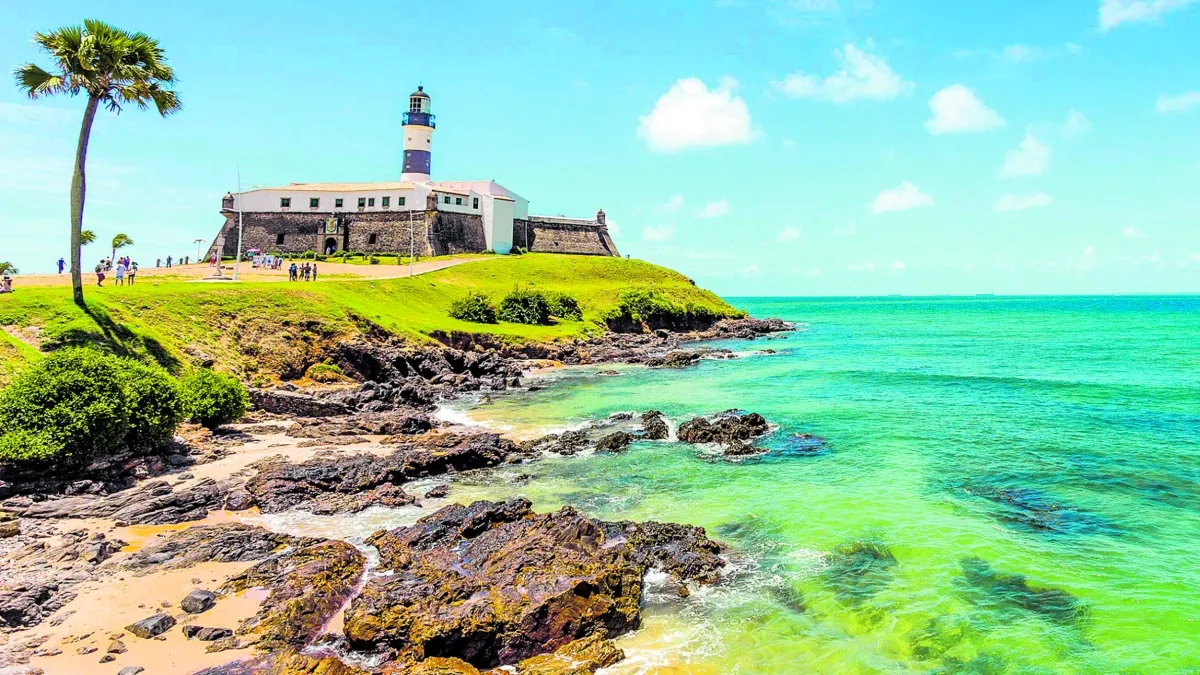
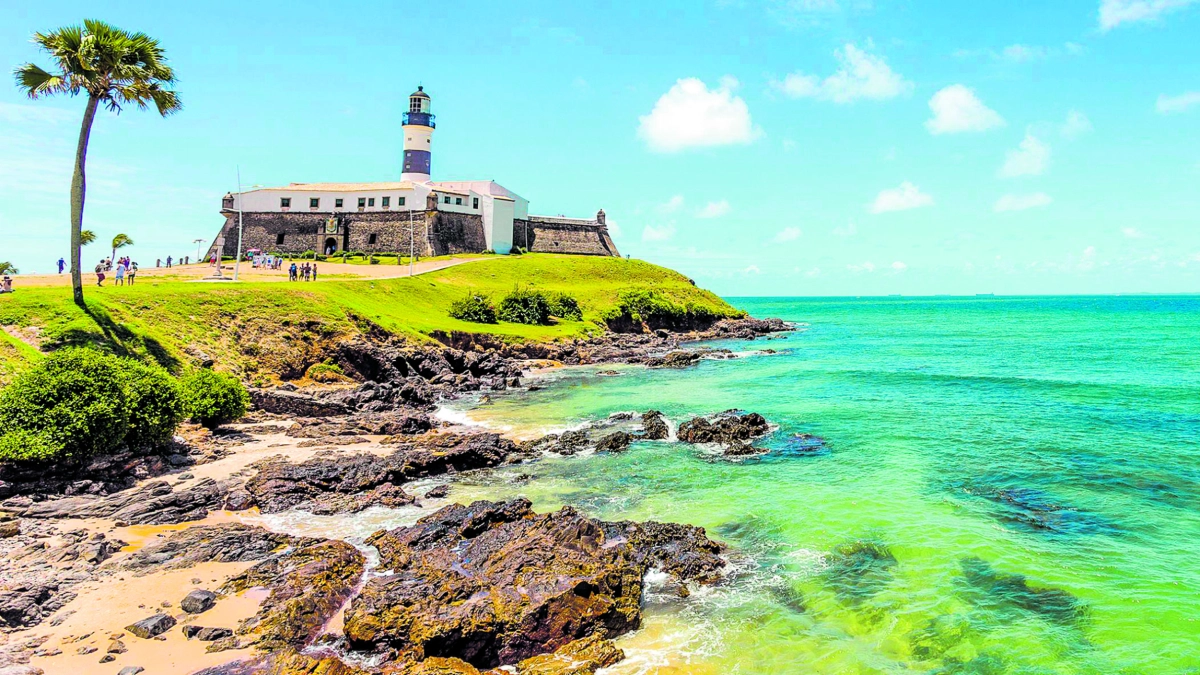
The city’s geographic footprint is as diverse as its heritage. Offering everything from bustling urban strands like Porto da Barra to the pristine, protected shores of Ilha dos Frades in the surrounding archipelago, Salvador marries breathtaking natural assets with a deeply layered social history.
Chronology of a Resilient City
To understand Salvador is to trace a complex, centuries-long timeline of colonization, resistance, and cultural transformation.
- 1549: Tomé de Sousa founds the city-fortress of Salvador de Bahia, establishing it as the administrative capital of Portuguese America. Rua Chile is laid out as the nation’s first official street, connecting high points overlooking the expansive All Saints Bay (Baía de Todos os Santos).
- 16th Century: Early interactions with the indigenous Tupinambá people involve initial resistance, followed by Jesuit-led catechesis and forced labor. Due to European diseases and harsh conditions, the indigenous population plummets drastically—dropping from an estimated 40,000 in 1563 to just 3,500 two decades later.
- The Colonial Era: Driven by the transatlantic slave trade, millions of Africans are forcibly brought to Bahia in successive waves. Despite unimaginable oppression, these communities preserve their spiritual systems, languages, and artistic traditions, planting the seeds for Bahia to later become the epicenter of major 19th-century anti-slavery rebellions.
- 1959–1964: Italian-Brazilian visionary architect Lina Bo Bardi undertakes the radical modernization and restoration of the Solar de Unhão complex, transforming it into the home of the Bahia Museum of Modern Art (MAM-BA) and leaving behind iconic modernist legacies, such as her famous unsupported helical staircase.
- 2021: The city inaugurates the Cidade da Música (City of Music) within the historic 1855 Casarão dos Azulejos Azuis, cementing Salvador’s reputation as a powerhouse of national and international musical innovation.
- 2017–Present: Salvador expands its tourism and ecological conservation efforts, notably incorporating the star-shaped Ilha dos Frades into its metropolitan and environmental portfolio, earning prestigious Bandeira Azul (Blue Flag) certifications for sustainability.
Supporting Data & Cultural Infrastructure
A journey through Salvador offers an immersion into a meticulously preserved yet continuously evolving cultural ecosystem. Visitors traversing the city encounter a wealth of institutional, historical, and culinary landmarks:
- Gastronomic Heritage: A traditional Bahian day begins with robust regional flavors—tapiocas, banana cakes, refreshing juices pressed from cajá and umbu fruits, and specialized Piatã coffee, often experienced in boutique hotels housed in historic structures like the Catharina Paraguaçu (formerly the Palacete dos Gonzaga).
- The Pelourinho and the Arts: The historic district pulses with the rhythms of capoeira—immortalized at the Arena da Capoeira monument honoring legendary masters like Bimba, Pastinha, and Besouro Mangangá. Nearby, the Mercado Modelo features subterranean galleries showcasing three generations of Bahian art, from Mário Cravo Júnior’s wood-carved Cabeças de Tempo to Vinicius S. A.’s luminous Lágrimas installation.
- Musical Taxonomy (Cidade da Música): The multi-level interactive museum explores every facet of Bahian soundscapes—from MPB (Música Popular Brasileira) and samba-reggae to rock, pagode, axé, rap, and trap—featuring hundreds of audiovisual testimonies and dedicated percussion training zones.
- Architectural Marvels: The MAM-BA under Lina Bo Bardi serves as a masterclass in adaptive reuse, seamlessly blending historical industrial structures with minimalist modern design, preserving her iconic central conference table and extensive regional folk art collection.
- Archipelagic Biodiversity: Salvador’s 56 surrounding islands, spearheaded by the 15-pointed star formation of Ilha dos Frades, offer ecological sanctuaries. Accessible via a scenic 90-minute catamaran ride, destinations like Ponta de Nossa Senhora de Guadalupe emphasize strict environmental preservation, complemented by historical sites such as the 17th-century chapel at Loreto beach.
Official Responses and Perspectives
Local cultural authorities, historians, and tourism boards emphasize that Salvador’s primary draw is not merely its aesthetic beauty, but its unyielding historical consciousness.

Cultural guides, such as local experts recounting the city’s origins from the Praça Castro Alves, stress that every monument and street corner holds dual narratives of colonial imposition and African resilience. Describing the arrival of enslaved populations, historians highlight how time—regarded by Bahian cultural icons like Caetano Veloso as "one of the most beautiful gods"—transformed Bahia into a global symbol of cultural resistance.

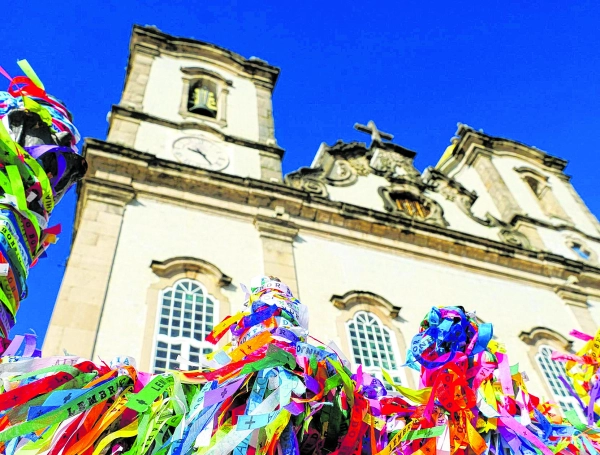
Furthermore, civic initiatives surrounding major annual events, such as the historic Lavagem do Bonfim (scheduled for January 14, 2027), reflect institutional support for religious syncretism. City officials and religious leaders work hand-in-hand to manage the massive influx of pilgrims who march eight kilometers from the Lower City to the Church of Nosso Senhor do Bonfim. This event officially bridges Catholic devotion to Jesus Christ with the veneration of Oxalá, the father of humanity in Afro-Brazilian religions, showcasing a unique model of cultural and spiritual coexistence.

Environmental agencies and tourism syndicates similarly champion sustainable development models, pointing to the Blue Flag certification of Ilha dos Frades as proof that mass tourism can successfully align with rigorous ecological conservation.

Implications for Global Tourism and Cultural Preservation
Salvador de Bahia’s current trajectory carries profound implications for the global travel and heritage preservation sectors. As international travelers increasingly seek destinations offering authentic narrative depth rather than superficial leisure—a trend highlighted by recent global tourism rankings—Salvador provides a masterclass in ethical, culturally immersive tourism.

- Decolonizing Travel Narratives: By foregrounding the history of Black resistance and indigenous survival, Salvador challenges traditional Eurocentric travel itineraries. It encourages a shift toward educational tourism, where visitors actively engage with the socioeconomic and historical realities of the communities they visit.
- Sustainable Urban-Island Integration: The incorporation and strict ecological preservation of outlying islands like Ilha dos Frades set a benchmark for coastal cities worldwide. It demonstrates how metropolitan tourism boards can protect fragile marine and terrestrial ecosystems while simultaneously expanding economic opportunities for local populations.
- The Economic Power of Intangible Heritage: Investments in infrastructure like the Cidade da Música and the revitalization of historic districts prove that cultural memory can drive modern urban regeneration. By celebrating living traditions—capoeira, samba, syncretic religious festivals, and regional gastronomy—Salvador ensures that its heritage remains a dynamic, self-sustaining economic engine for future generations.
Ultimately, Salvador de Bahia remains an indispensable global destination: a city where the past is not merely remembered, but danced, drummed, and lived out loud every single day.