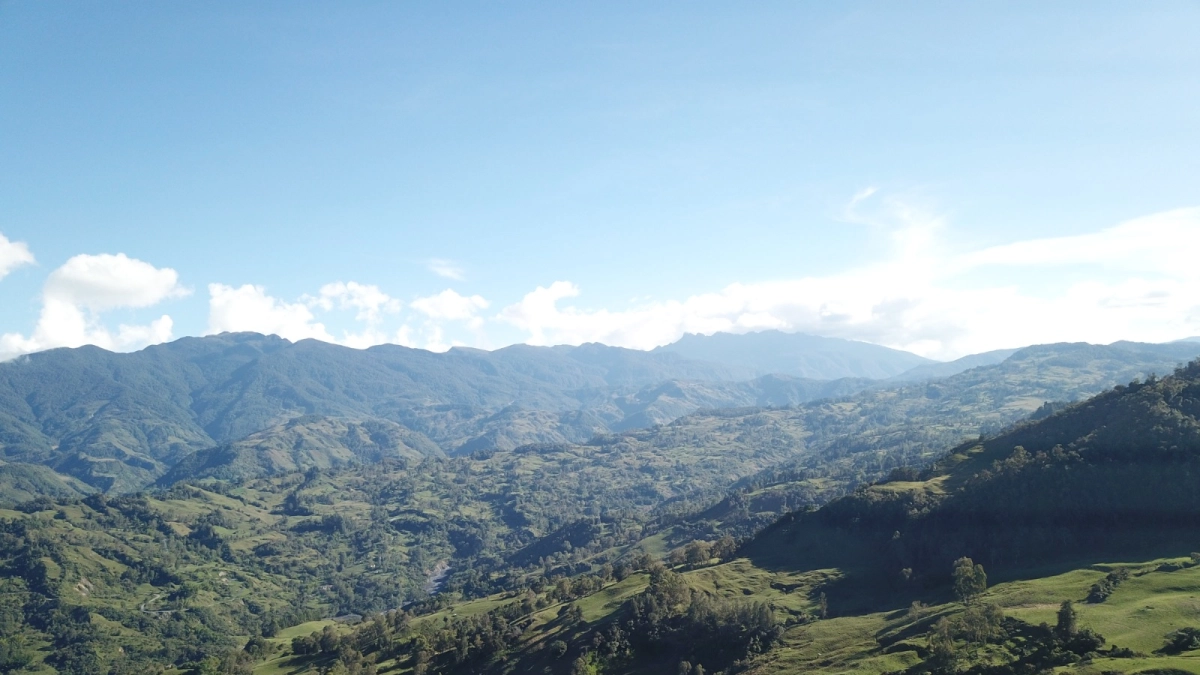
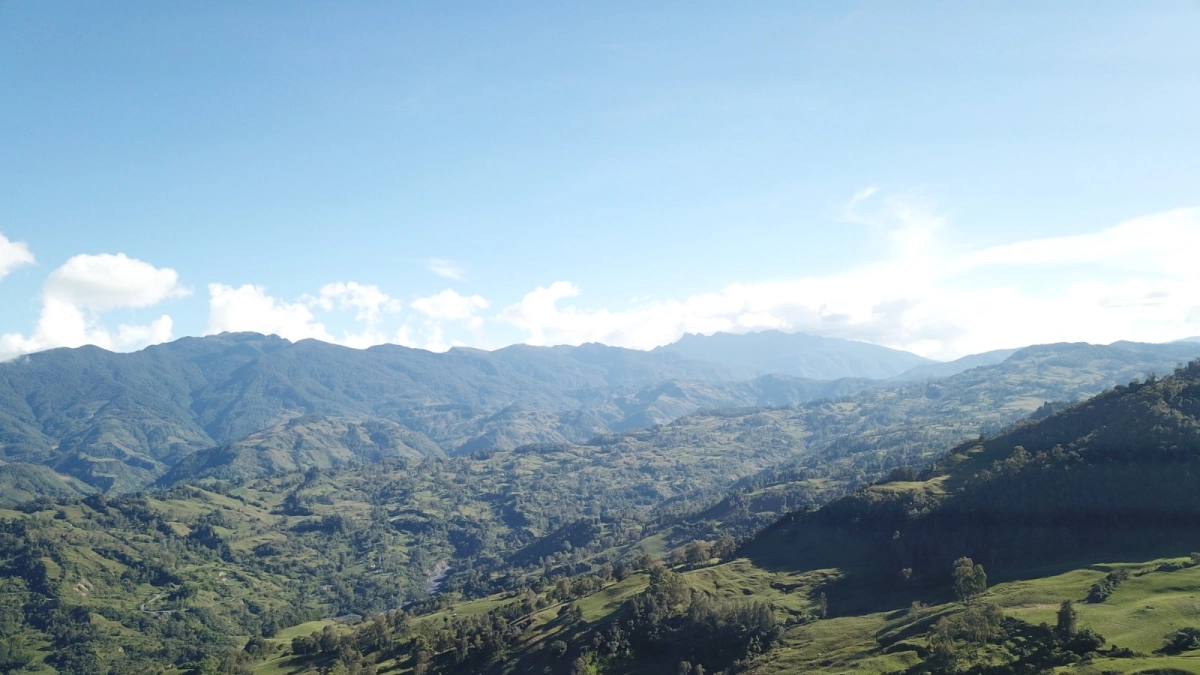
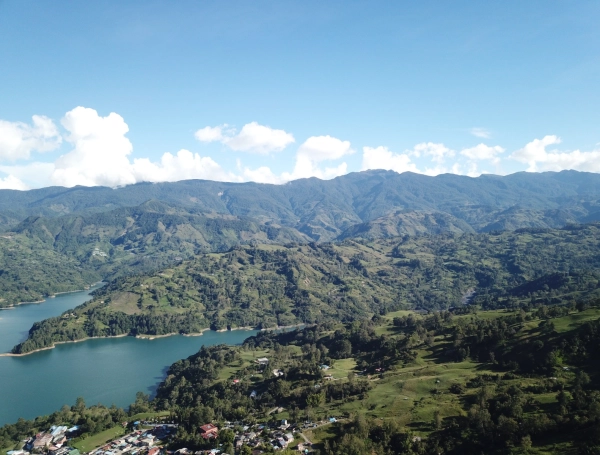
BOGOTÁ, COLOMBIA — In a landmark decision for Colombian environmental conservation, the Ministry of Environment and Sustainable Development, alongside regional authorities, officially announced the designation of Los Farallones as a new protected area. Spanning an impressive 23,776 hectares in the eastern region of Cundinamarca, this newly minted District of Regional Integrated Management (DRMI, by its Spanish acronym) represents a monumental step forward in safeguarding strategic ecosystems, bolstering water security, and protecting high-altitude biodiversity adjacent to the world-renowned Chingaza National Natural Park.
The historic announcement was made during a high-level session of the Corpoguavio Board of Directors, drawing together government officials, international conservation funds, community leaders, and private sector stakeholders. By anchoring conservation efforts directly to community involvement and sustainable economic development, the designation of Los Farallones sets a new precedent for how Colombia manages its natural capital in an era of growing ecological and climatic pressures.
Main Facts
The newly established DRMI Los Farallones covers 23,776 hectares across three municipalities in the eastern province of Cundinamarca: Gachalá, Medina, and Ubalá. Geographically and ecologically, the area sits directly adjacent to the Chingaza National Natural Park, effectively doubling the contiguous protected ecological footprint in this vital Andean corridor.
The primary objective of the declaration is the long-term preservation of strategic high-Andean forests, páramo-adjacent zones, and critical hydrological networks. According to technical assessments conducted prior to the designation, approximately 78% of the territory consists of dense, high-altitude primary land forests. Furthermore, the area harbors immense ecological wealth, serving as a sanctuary for 39 endemic plant and animal species, alongside 45 species listed under the Convention on International Trade in Endangered Species of Wild Fauna and Flora (CITES).
Hydrologically, Los Farallones is of paramount importance. The protected terrain acts as a natural water tower, feeding three major river basins—the Guavio, Humea, and Guacavía—which ultimately drain into the Orinoco hydrographic basin. These water systems are critical not only for maintaining local ecosystems but also for supplying vital water resources to the region and feeding the nearby Guavio hydroelectric reservoir, linking green infrastructure directly with regional energy security.
Chronology of a Milestone: Years of Collaborative Labor
The designation of Los Farallones was not achieved overnight; it represents the culmination of years of rigorous technical studies, community consultations, and multi-sectoral negotiations.
Early Planning and Regional Baseline Studies (2018–2022): Recognizing the ecological vulnerability and strategic hydrological value of the eastern Cundinamarca hills, regional environmental authority Corpoguavio initiated baseline environmental studies. These assessments mapped out biodiversity hotspots, hydrological flows, and human settlement patterns in Gachalá, Medina, and Ubalá.
Building Institutional Alliances (2023–2025): Recognizing the financial and technical scope required for a declaration of this magnitude, Corpoguavio forged strategic alliances. Non-governmental organizations such as +Biomas and the Andes Amazon Fund stepped in to provide critical financial and logistical backing. Simultaneously, coordination efforts deepened with National Natural Parks of Colombia (Parques Nacionales Naturales) to ensure seamless ecological connectivity with the Chingaza reserve.
Community Engagement and Socialization (Late 2025–Mid 2026): Moving away from top-down conservation models, Corpoguavio, alongside the Cundinamarca Gobernación and municipal authorities, rolled out a comprehensive community outreach campaign. Town halls and participatory workshops were held across rural settlements and veredas within Gachalá, Medina, and Ubalá to demystify the DRMI category, address local concerns, and integrate traditional knowledge into the management framework.
The Final Declaration (October 30, 2026): The multi-year effort culminated on Friday, October 30, 2026, during the Corpoguavio Board of Directors meeting. Minister of Environment Fabio Arjona formally signed off on the DRMI status, cementing Los Farallones as Cundinamarca’s newest cornerstone of environmental preservation.
Supporting Data: Biodiversity and Strategic Geography
To fully understand the weight of the Los Farallones declaration, one must look closely at the ecological and geographical data compiled by environmental scientists and regional authorities:
Total Area: 23,776 hectares of highly strategic Andean and high-Andean ecosystems.
Forest Density: Approximately 78% of the territory is composed of dense, high-altitude tierra firme forests, acting as vital carbon sinks and natural corridors for fauna.
Fauna and Flora Richness: Field studies have identified 39 endemic species—organisms found nowhere else on Earth—and 45 CITES-listed species, underscoring the area’s global conservation value.
Hydrological Footprint: The territory supplies and regulates water for the Guavio, Humea, and Guacavía rivers, forming an essential part of the Orinoco river basin and directly servicing local human populations and regional energy infrastructure.
Integration with Cundinamarca’s Protected Network: Los Farallones joins a distinguished portfolio of protected areas across Cundinamarca, which includes the Juaica, Pionono, and Quininí hills; the Tequendama Waterfall and Cerro Manjuy conservation zones; the Rabanal Páramo; and the wetlands and water sources of Susagua and Subachoque.
Official Responses and Stakeholder Perspectives
The declaration drew widespread praise from national leaders, international conservationists, and the private sector, all of whom emphasized the collaborative spirit behind the achievement.
Fabio Arjona, Minister of Environment and Sustainable Development:
"We are celebrating the declaration of the DRMI Los Farallones, which spans 23,776 hectares right next to the Chingaza National Natural Park. It is as if we were adding this massive land area directly to Chingaza. This is work led by Corpoguavio, which spent many years striving for this declaration, backed by National Natural Parks, NGOs like +Biomas and the Andes Amazon Fund, and the private sector through Enel. The three protected rivers empty their waters into the reservoir, which could mean improved power generation and greater compatibility between gray and green infrastructure."
Minister Arjona further emphasized the human element of the project:
"Then there are the communities, who support conservation to build a true sustainable future. Water, Biodiversity, and Communities: that is the genesis of the declaration of Los Farallones."
Marcos Manuel Urquijo, Director of Corpoguavio:
As the primary regional entity driving the process, Corpoguavio highlighted the painstaking efforts required to align ecological science with regional governance. Urquijo noted that the participatory mapping and social agreements forged during the drafting phase serve as a blueprint for future regional conservation initiatives in Colombia.
Sandra Bessudo, Director of National Natural Parks of Colombia:
Bessudo stressed the importance of ecological connectivity. By shielding Los Farallones, conservationists have effectively secured a biological corridor that allows species migration and climate adaptation resilience, reinforcing the protective buffer around the core ecosystems of Chingaza.
Antonio Crisol, Representative of Enel Green Power:
Representing the private sector’s stake in the region, Crisol praised the synergy between energy production and environmental stewardship. By protecting the water sources that feed the Guavio hydroelectric complex, the DRMI guarantees long-term operational stability while preserving the natural environment.
Socio-Economic Implications: A Community-Centric Conservation Model
Historically, environmental declarations in Latin America have occasionally faced friction with local rural and farming communities over land use restrictions. However, the designation of Los Farallones was deliberately structured around a District of Regional Integrated Management (DRMI) framework, which places peasant and rural communities at the center of conservation efforts rather than treating them as adversaries.
1. Promoting Sustainable Productive Practices
The DRMI category does not mean human activity ceases; rather, it regulates it to ensure ecological harmony. The zoning and upcoming Management Plan (Plan de Manejo) will outline permitted activities, steering local populations toward sustainable agriculture, agroforestry, and low-impact land management that preserve forest cover while maintaining rural livelihoods.
2. Green Business and Economic Alternatives
The formalization of the protected area opens up new economic horizons for the inhabitants of Gachalá, Medina, and Ubalá. Communities are poised to benefit from structured state and international programs, including:
Payments for Environmental Services (PES): Financial incentives for landowners who actively protect forest and water sources on their properties.
Planned Eco-Tourism: Developing low-impact, community-led tourism initiatives that showcase the stunning landscapes, endemic flora, and rich biodiversity of Los Farallones.
Green Businesses: Certification and marketing support for sustainably produced local goods, ranging from organic coffee and honey to sustainably harvested native forest products.
3. Valuing Traditional Knowledge
Crucially, the declaration respects and incorporates the traditional knowledge and cultural heritage of the communities that have inhabited the eastern slopes of Cundinamarca for generations. By integrating local stewardship with scientific monitoring, Los Farallones stands as a modern template for inclusive, resilient, and forward-looking environmental governance in Colombia.
Main Facts: The Reality of Colombia’s Educational Performance The recent release of the Programme for International Student Assessment (PISA) 2025 results has sent a wave of profound concern through Colombia’s educational sector and public sphere.…
BOGOTÁ — In a swift and unexpected administrative pivot, the administration of President Abelardo de la Espriella has reversed the appointment of the priest and lawyer Father Rodolfo Andrés Londoño de la Espriella as the…
By Mateo Chacón Orduz | Subeditor of Education and Society Based on a joint investigation by the Centro Javeriano de Competitividad (CJC) and the Laboratorio de Economía de la Educación (LEE) of the Pontificia Universidad…