By Edwin Caicedo | Environment and Health Journalist
Published: October 23, 2026
Main Facts
As travelers increasingly look beyond conventional hotspots to seek out profound cultural immersion, historical resonance, and regenerative nature, National Geographic has released its eagerly anticipated annual compendium: The Best Places in the World to Travel to in 2027. Published globally on October 20, 2026, the prestigious list curates 25 extraordinary destinations spanning six continents.

Compiled through the rigorous insights of National Geographic’s global network of writers, photographers, and seasoned explorers, the 2027 selection steers away from generic tourism recommendations. Instead, it highlights locations where pioneering conservation initiatives, historic milestones, fresh infrastructure, and vibrant cultural renaissances converge. From the dramatic, glacier-carved fiords of Norway to the high-altitude archaeological wonders of Peru and the sub-antarctic wilderness of Chile, the 2027 guide offers a blueprint for purposeful, forward-looking global exploration.

The compilation is intentionally diverse, offering something for every type of traveler. Whether one seeks off-grid outdoor adventures in untamed wildernesses, deep dives into ancient civilizations, rich culinary odysseys, or participation in centuries-old cultural festivals, the list frames travel as an active form of global appreciation and preservation.
Chronology: A Roadmap for Upcoming Global Events
What sets the 2027 list apart is its strong alignment with specific milestones, centenaries, and cultural flowerings that will take place throughout the year. For travelers planning ahead, the calendar is packed with unique temporal hooks:

- Early 2027: Planning kicks off as travelers look toward destinations preparing for major infrastructural debuts, such as Malaysia’s upcoming Penang Hill cable car, designed to streamline eco-friendly access to ancient tropical biosphere reserves.
- Spring 2027: In Normandy, France, preparations reach a fever pitch for the millennial anniversary of the birth of William the Conqueror. Over a thousand events will transform the region, culminating in June with a dramatic coastal flotilla of 40 authentic style viking vessels. Meanwhile, Salvador, Brazil, prepares for an exceptionally rare cultural convergence where the vibrant public celebrations of the traditional Carnival and the sacred Festa de Iemanjá will occur back-to-back.
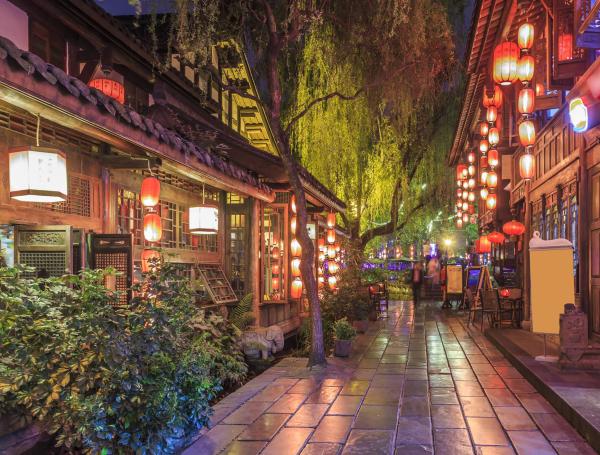
- Mid-2027: Cultural cities take center stage. Spain’s Santander prepares to officially open its groundbreaking new Reina Sofía museum annex, housing the monumental Archivo Lafuente. Simultaneously, Chengdu, China, marks the centenary of the monumental Bronze Age archaeological discoveries linked to the ancient Shu Kingdom.
- Late 2027: Conservation and outdoor milestones dominate the closing months. Chile is slated to officially inaugurate Cabo Froward as the landmark 19th park within the sprawling Ruta de los Parques de la Patagonia, cementing a massive win for South American sub-antarctic preservation before the year draws to a close.
Supporting Data: Regional Breakdowns of the 2027 Destinations
The 25-destination roster is broken down across distinct geographical pillars, each showcasing a unique intersection of heritage, ecology, and modern tourism development.
Europe: Heritage, Music, and Artistic Renaissance
Europe’s selections for 2027 emphasize deep historical milestones and avant-garde transformations:

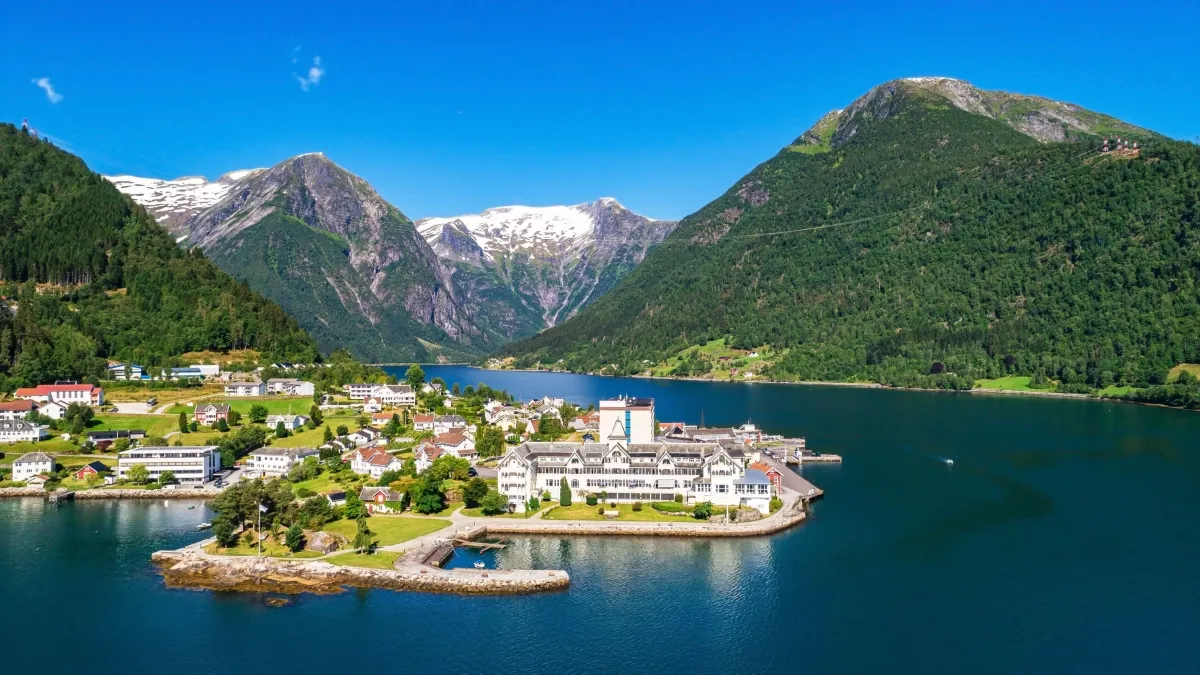
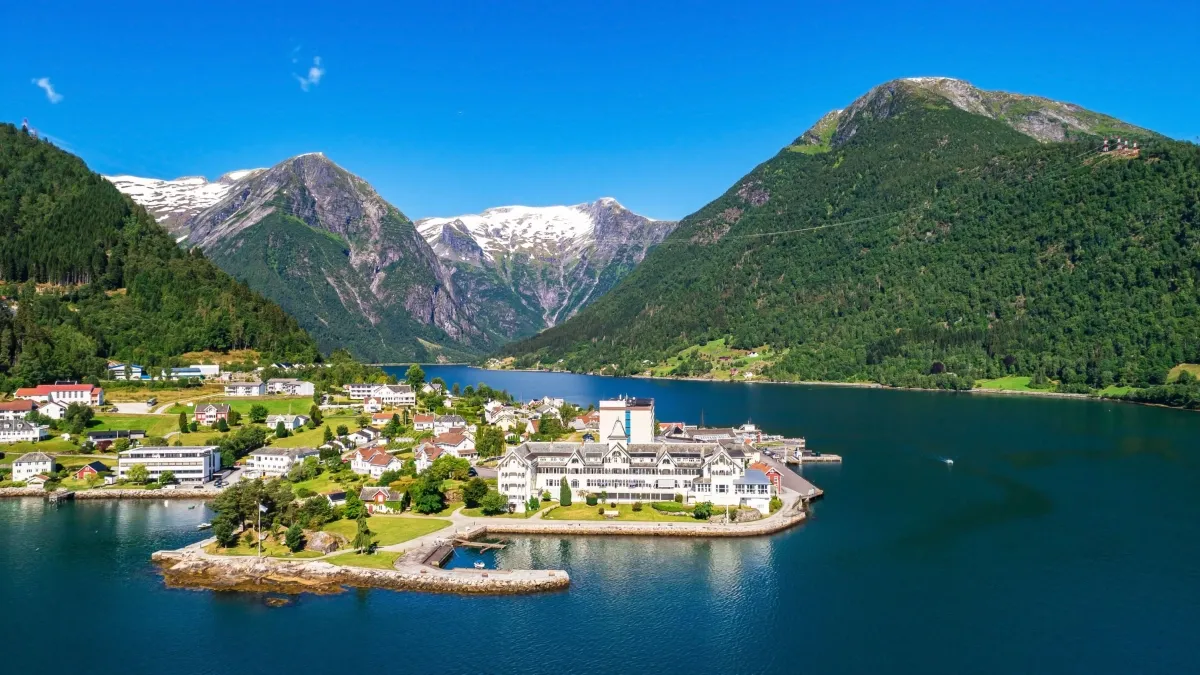
- Vestland, Norway: Characterized by towering cliffs, thundering waterfalls, and deep blue fjords, this region invites travelers to explore the Folgefonna National Park, gaze upon the gravity-defying Trolltunga rock formation, and cruise the Nærøyfjord. Bergen anchors the region with its medieval Hanseatic history and burgeoning culinary scene.
- Normandie, France: Beyond the millennial celebrations of William the Conqueror, the region offers a blend of World War II historical landmarks, Impressionist art trails, and rugged coastal beauty.
- Santander, Spain: Cementing its status as a contemporary arts hub, the northern Spanish coastal city will unveil its new Museo Reina Sofía branch, housing 138,000 avant-garde artworks, rare manuscripts, and historical books from the Archivo Lafuente.
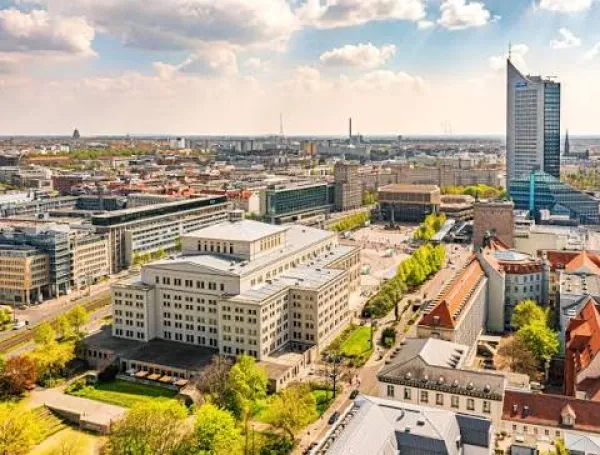
- Leipzig, Germany: A haven for classical music enthusiasts, Leipzig will expand its themed music trails, honoring foundational composers like Bach, Beethoven, and Mendelssohn through immersive festival programming.
Asia: Ancient Legacies and Culinary Gateways
Asian selections spotlight the delicate balance between archaeological preservation and modern accessibility:
- Penang, Malasia: Celebrated for its legendary street food, Penang is bridging urban heritage with ecological preservation through the development of a state-of-the-art cable car system leading up to Penang Hill’s pristine rainforest biosphere.
- Chengdu, China: Famed for its spicy culinary profile and giant panda conservation, Chengdu will celebrate 100 years since the excavation of the Sanxingdui site, shedding light on the mysterious, highly sophisticated ancient Shu civilization.
- Jaipur, India: The iconic "Pink City" will mark its tricentenary (300 years of history) alongside its world-renowned Jaipur Literature Festival, bringing global thinkers together to debate history, politics, science, and literature.
Americas and Oceania: Wilderness, Indigenous Culture, and Festivities
From the southern tips of Patagonia to the Caribbean rhythm of the islands, the Americas feature heavily in outdoor and cultural preservation:

- Cabo Froward, Chile: Set to become the 19th park in Patagonia’s stellar protected route, this rugged, windswept southern frontier offers extreme trekking and intimate encounters with sub-antarctic marine and terrestrial wildlife.
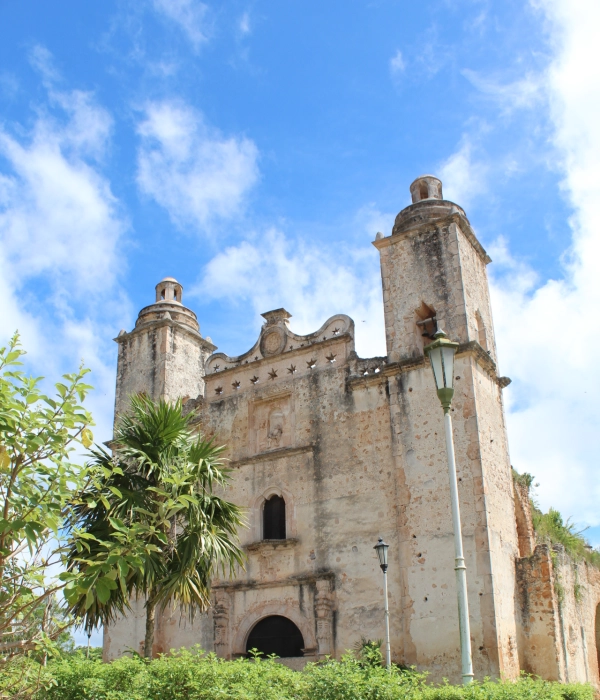
- Maya Ka’an, Mexico: Spanning Quintana Roo, this regenerative tourism initiative empowers 78 indigenous Mayan communities. Visitors can explore deep jungle trails, pristine cenotes, and the edges of the Sian Ka’an Biosphere Reserve.
- Kuelap, Peru: Located in the cloud forests of Chachapoyas, newly opened trekking routes and state-of-the-art interpretive exhibits will give travelers unprecedented access to the monumental stone architecture of the pre-Inca Chachapoya culture.
- Puerto Rico: Honoring its rich tri-ethnic heritage—combining Taíno indigenous roots, West African traditions, and Spanish influences—the island highlights Loíza as a bastion of Afro-Puerto Rican music (bomba and plena) alongside the historic streets of Old San Juan.
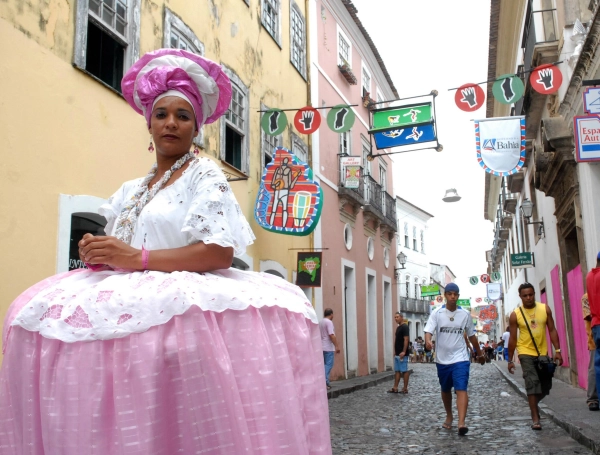
- Salvador, Brazil: Beyond its upcoming role as a host city for the 2027 Women’s Football World Cup, Salvador stands out for its unmatched preservation of Afro-Brazilian culture, religion, and architecture.
- Grenada & Melbourne: Grenada will mark the sesquicentennial (150 years) of its vibrant Spicemas carnival, while Melbourne, Australia, balances green urban design, elite culinary hotspots, and massive sporting spectacles like the Rugby World Cup.
Official Responses and Editorial Insights
In publishing the 2027 guide, National Geographic’s editorial board emphasized a distinct shift in global travel ethics. Rather than promoting mass tourism, the selection prioritizes destinations that actively protect their natural ecosystems and empower local communities to tell their own stories.
"Travel in 2027 is not merely about checking boxes on a map; it is about establishing a genuine dialogue with the places we visit," editorial notes from the publication highlight. "Whether it is indigenous Mayan communities in Mexico steering sustainable ecotourism, or Malonesian authorities carefully balancing access to fragile tropical biospheres via low-impact cable engineering, the destinations chosen this year prove that tourism can be a powerful catalyst for preservation."

Environmental experts within the publication have similarly praised regions like Malawi—where the ongoing restoration of national parks like Liwonde and Majete has successfully brought back thriving populations of Africa’s "Big Five" (lions, leopards, elephants, rhinos, and buffaloes)—as shining examples of how strategic conservation can revitalize local economies through responsible wildlife tourism.

Implications for the Global Tourism Industry
The release of National Geographic’s 2027 list carries profound implications for the global travel and hospitality sector:

- Rise of Regenerative Tourism: Destinations that demonstrate a clear commitment to carbon neutrality, wildlife habitat restoration, and community-led tourism models will capture the lion’s share of high-value, conscientious travelers.
- Infrastructure Shifts Toward Sustainability: Projects like the Penang Hill cable car and Chile’s expansion of the Ruta de los Parques demonstrate that modern tourism infrastructure must be explicitly engineered to protect—rather than degrade—the fragile environments it aims to showcase.
- Decentralization of Travel Hotspots: By spotlighting lesser-known cultural and ecological corridors—such as Chachapoyas in Peru or Maya Ka’an in Mexico—the list actively assists in alleviating over-tourism pressures traditionally concentrated in major metropolitan hubs.
- Cultural Authenticity as a Primary Asset: As demonstrated by the inclusion of Loíza in Puerto Rico and Salvador in Brazil, modern travelers increasingly prioritize destinations that fiercely protect and celebrate their indigenous and Afro-descendant roots over sanitized resort experiences.
As the travel industry looks toward 2027, National Geographic’s roadmap serves as both an inspiring catalog of the planet’s wonders and a vital reminder of our shared responsibility to protect them for generations to come.