By Edwin Caicedo, Environment and Health Correspondent
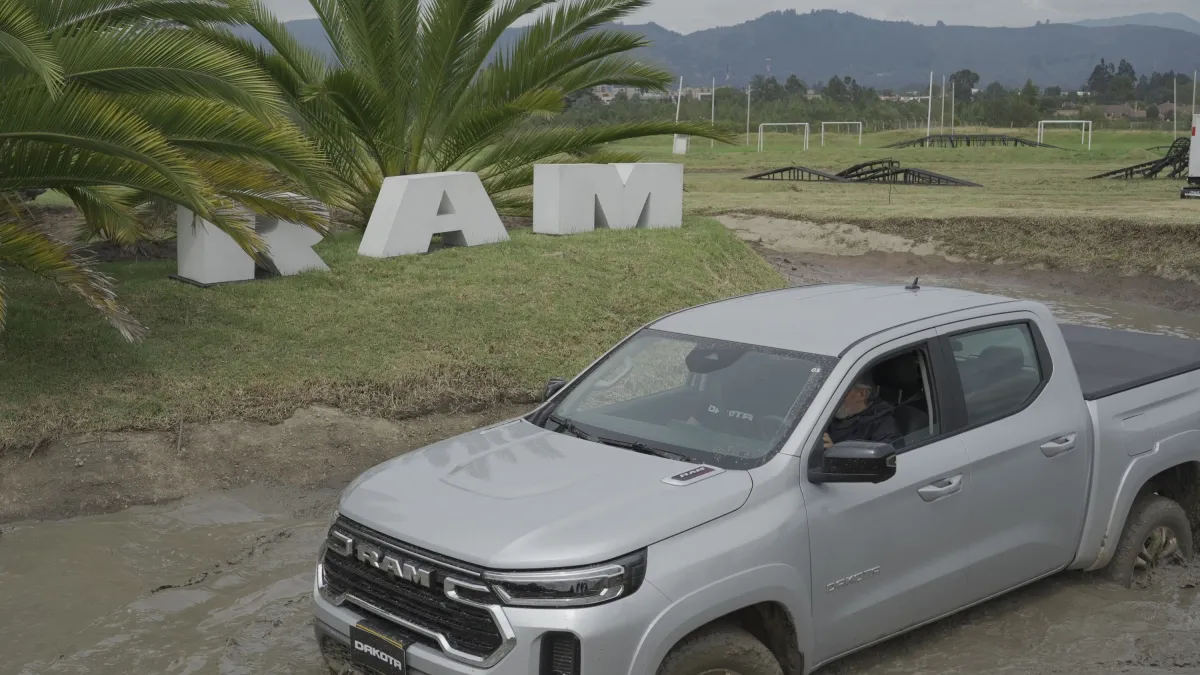
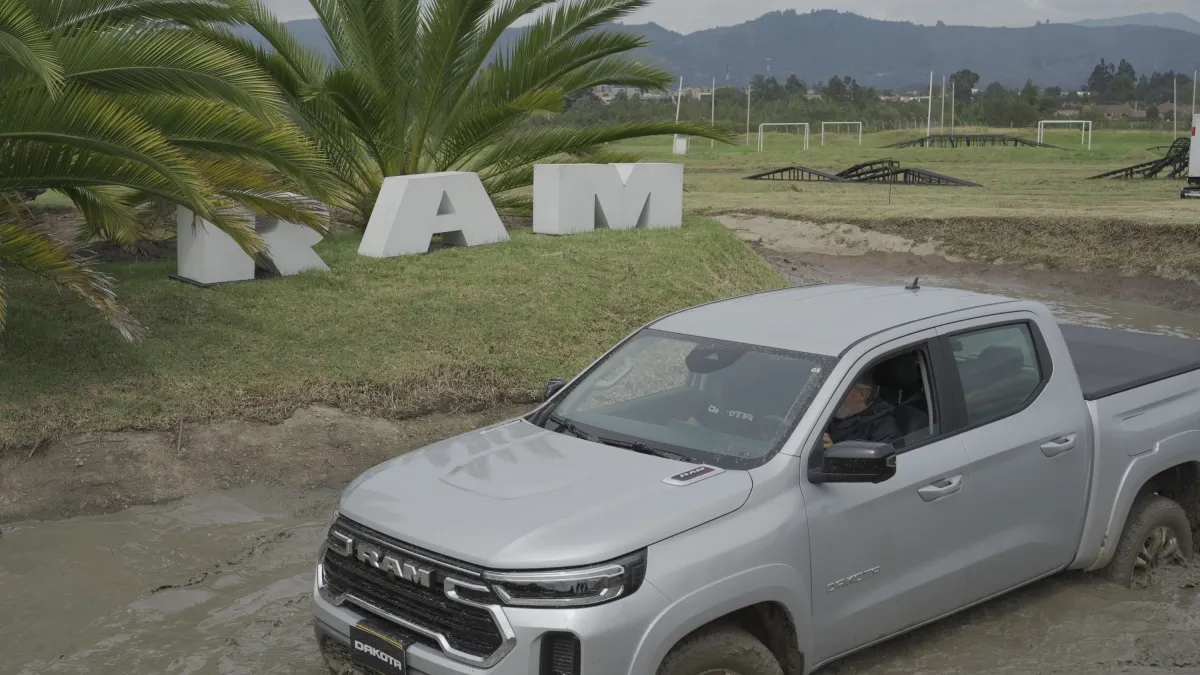
Colombia’s topography, defined by treacherous mountain passes, unpaved rural roads, and extreme shifts in altitude, has long served as the ultimate proving ground for automotive engineering. It is in this challenging environment that the all-new RAM Dakota makes its grand entrance, aiming to redefine the standards of the mid-size pick-up segment. With a robust turbodiesel powertrain, sophisticated 4×4 architecture, and a payload capacity exceeding one ton, RAM is betting heavily that its latest arrival is the missing link between industrial-grade utility and modern lifestyle comfort.

The Strategic Shift: Entering the One-Ton Arena
For years, the RAM brand has been synonymous with full-size power, but its absence in the highly competitive "one-ton" mid-size pick-up segment—a dominant market category across Latin America—was a notable gap in its portfolio. The introduction of the Dakota is more than just a model launch; it is a calculated strategic pivot.

Manufactured at the Stellantis Industrial Pole in Córdoba, Argentina, the Dakota was developed with a regional focus. It is designed specifically to handle the unique demands of markets like Argentina, Chile, and Colombia. "You could say that we arrived late to the party, but we arrived very well-dressed," admits Mario Esteban Correa, Brand Director for RAM.
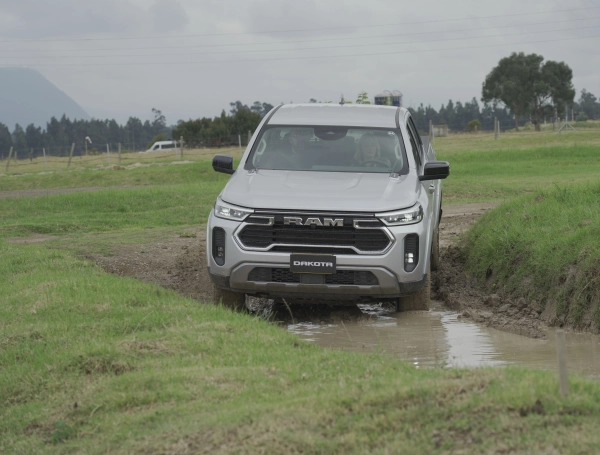
This sentiment underscores the company’s philosophy: rather than attempting to out-muscle established competitors solely through raw specs, the brand is banking on the "experience of the machine." The vehicle has been engineered to bridge the divide between the rugged requirements of the Colombian countryside and the increasingly refined expectations of urban, tech-savvy drivers.
Chronology of Development: A Half-Million Hours of Testing
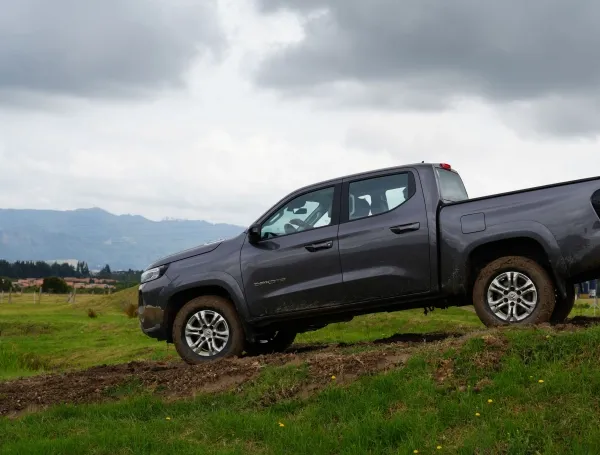
The journey of the RAM Dakota from the drawing board to the showroom floor was defined by an exhaustive development process. The engineering team invested over 500,000 hours into the platform, ensuring it could withstand the harshest environments.

The vehicle underwent 1.5 million kilometers of rigorous real-world testing across South America. Engineers intentionally pushed the prototype into extreme temperature zones, high-altitude mountain passes, and deep, muddy terrain to calibrate the suspension and drivetrain. This exhaustive validation phase was essential to ensure that the Dakota could handle the varied landscapes of Colombia, from the high-traffic streets of Bogotá to the rugged coffee plantations of the Eje Cafetero.
Technical Specifications: The Heart of the Beast
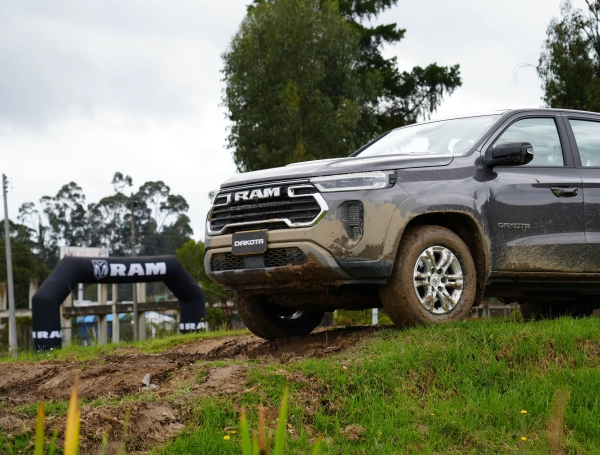
The core of the Dakota’s value proposition lies in its powertrain and drivetrain capabilities, which are designed to leave no terrain unconquered.

The Powerhouse
Under the hood, the Dakota features a 2.2-liter turbodiesel engine of Italian origin, delivering 197 horsepower and a commanding 450 Nm of torque. This torque figure is a critical selling point; it provides the immediate pulling power necessary for heavy loads and steep inclines. The engine is paired with a sophisticated eight-speed automatic transmission, which ensures efficient power delivery across a wide range of speeds.

Drivetrain and Off-Road Prowess
The Dakota is equipped with a versatile traction system that includes:
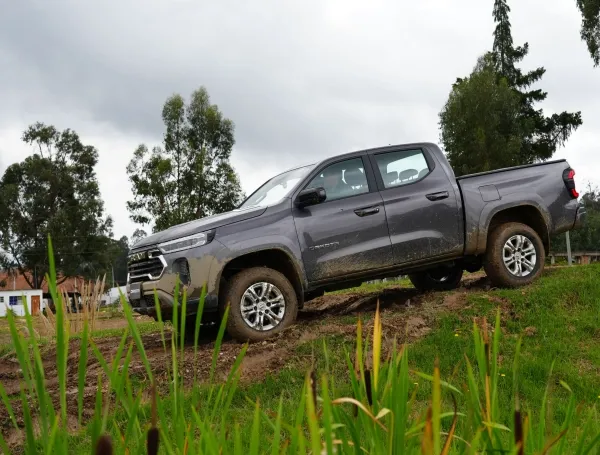
- 4×2, 4×4 Auto, and 4×4 Low: The 4×4 Auto mode intelligently distributes traction, while the 4×4 Low (with a 4:1 reduction ratio) provides the crawl-ratio necessary for severe off-road obstacles.
- Mechanical Rear Differential Lock: This system provides 100% locking capability, ensuring that power reaches both rear wheels even when one loses contact with the ground—a vital feature for muddy or loose surfaces.
- Ground Clearance: A generous 228 millimeters of clearance allows the vehicle to navigate obstacles that would ground less capable trucks.
Bridging the Gap: Workhorse Meets Daily Driver
A defining characteristic of the modern pick-up buyer in Colombia is the desire for a "dual-purpose" vehicle. The owner of a Dakota is just as likely to be an entrepreneur moving construction materials as they are to be a family embarking on a weekend adventure.

"It is a multi-purpose vehicle," says Correa. "It is for those who enjoy the countryside and their animals, but also for those who live in the city and need to tow motorcycles, move bulky objects, or simply want a vehicle that doesn’t feel like a punishment to drive in traffic."
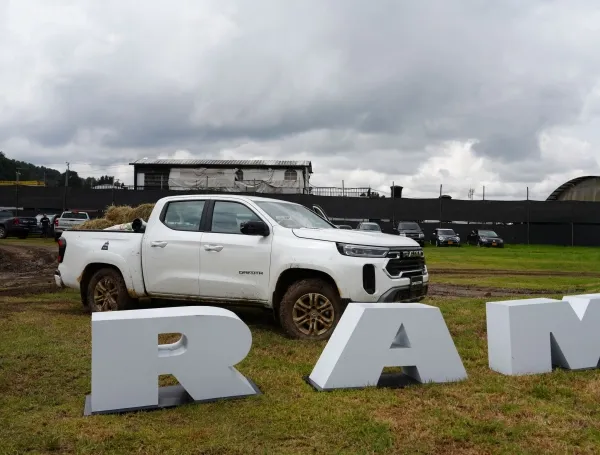
To support this, the Dakota features a dual-rate rear suspension. This innovative design allows the truck to remain supple and comfortable when empty, while providing the necessary firmness to maintain stability when carrying its maximum payload of 1,020 kilograms. Furthermore, with a towing capacity of 3,500 kilograms, the Dakota is a formidable partner for those involved in agriculture or extreme sports.
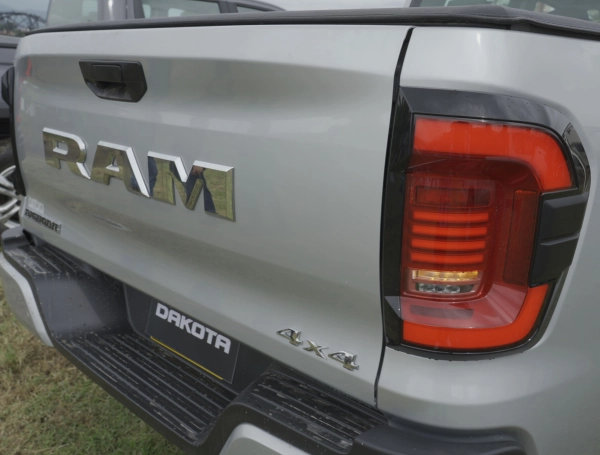
Technology and Safety: The "Laramie" Experience
Inside, the cabin breaks away from the "utilitarian-only" stereotype. RAM has prioritized ergonomics and digital connectivity, creating an environment that feels more like a premium SUV than a traditional work truck.

- Connectivity: The center console is dominated by a 12.3-inch multimedia display, featuring wireless Apple CarPlay and Android Auto. A seven-inch digital instrument cluster provides the driver with essential data at a glance.
- Enhanced Visibility: The Laramie Night Edition includes a 540-degree camera system, which uses "transparent body" technology to show the driver exactly what is happening underneath and around the wheels—a game-changer for off-road navigation.
- Safety Suite: Safety is not an afterthought. The truck comes standard with six airbags, four-wheel disc brakes, adaptive cruise control, autonomous emergency braking with pedestrian detection, and blind-spot monitoring.
Market Implications and Competitive Landscape
The launch of the RAM Dakota places it squarely in the crosshairs of long-standing leaders in the mid-size segment. However, RAM believes that the shift toward a more holistic, tech-integrated experience will win over buyers.
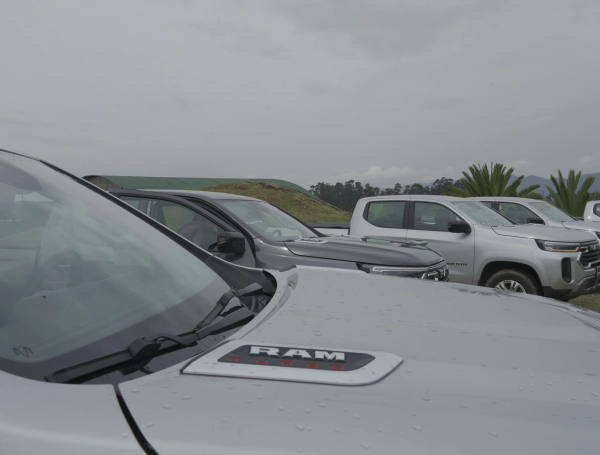
The brand has launched with two distinct versions:

- Big Horn: Positioned as the entry-point for commercial and fleet users, with a launch price of 190 million pesos (minus a 10 million peso discount).
- Laramie Night Edition: Targeted at the lifestyle buyer, priced at 217 million pesos (also with a 10 million peso introductory incentive).
Both versions come with a three-year or 100,000-kilometer warranty, providing the peace of mind that buyers in this segment demand.

Looking Ahead: The Rise of Overlanding
As the automotive culture in Colombia matures, there is a growing interest in overlanding—the practice of self-reliant travel to remote destinations. The RAM Dakota is perfectly positioned to cater to this niche. With its durable chassis, high payload for mounting rooftop tents or auxiliary gear, and a drivetrain capable of handling the most obscure forest trails, the Dakota is expected to become a favorite among adventure travelers.

Ultimately, the success of the RAM Dakota will depend on whether Colombian consumers are ready to embrace a new, tech-forward, and highly capable entrant in a space that has been historically dominated by just a few names. If the initial response at the local auto exhibitions is any indication, the "late arrival to the party" might just end up being the one that everyone wants to talk to.

"It is a product that deserves to be experienced," concludes Correa. "Don’t just look at the technical sheet; drive it." For a country that demands so much from its vehicles, the RAM Dakota seems more than ready to answer the call.