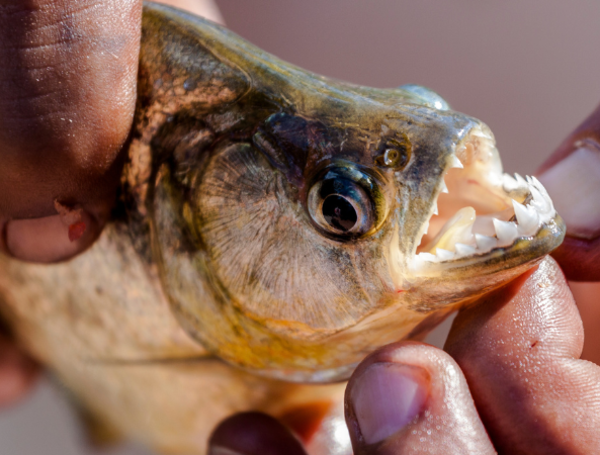
In the heart of the Marajó archipelago, where the Amazon River meets the Atlantic Ocean, the landscape is defined by the rhythm of the tides and the constant challenge of living in a region prone to flooding. For decades, the residents of Vila de Jenipapo viewed the piranha—a predatory fish abundant in their waters—as a nuisance. They were a byproduct of fishing, an accidental catch that clogged nets and offered little in terms of nutritional or commercial value.
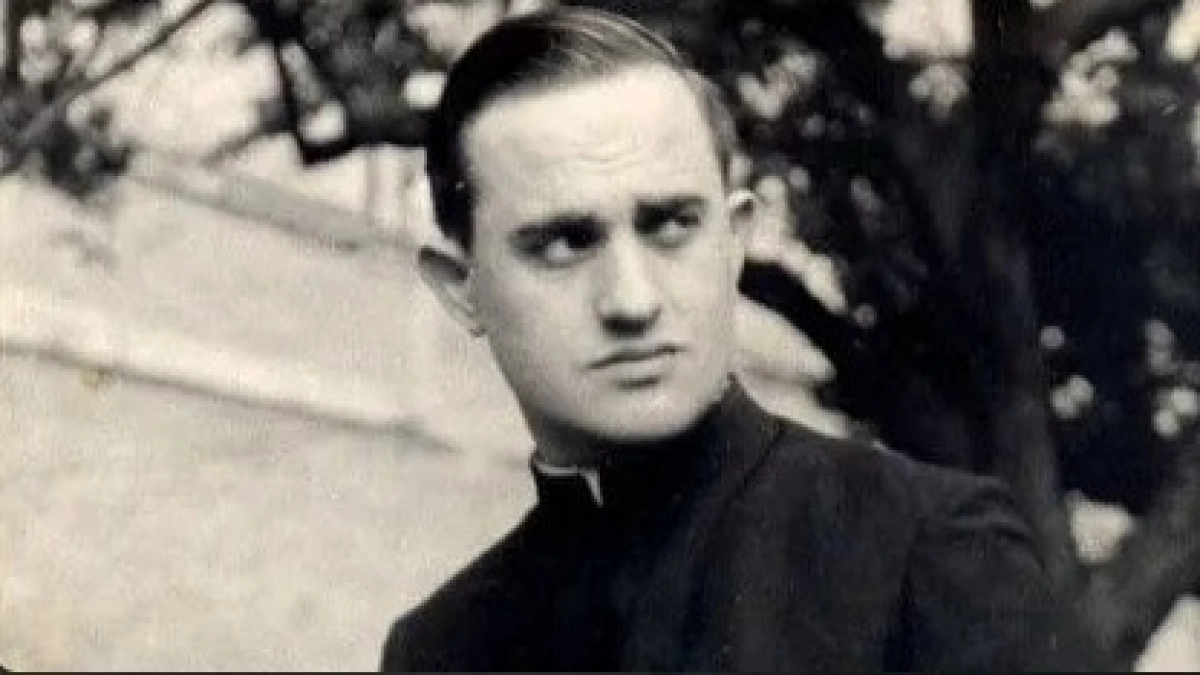
However, in the 1970s, a visionary Italian priest named Giovanni Gallo transformed this ecological "waste" into the foundation of a community development miracle. By teaching local women the art of taxidermy and establishing a unique export market in Europe, Gallo turned a maligned predator into the financial engine that built vital infrastructure for an isolated population. This is the story of how an unlikely commodity changed the trajectory of a forgotten corner of the Amazon.
The Genesis of an Unlikely Enterprise
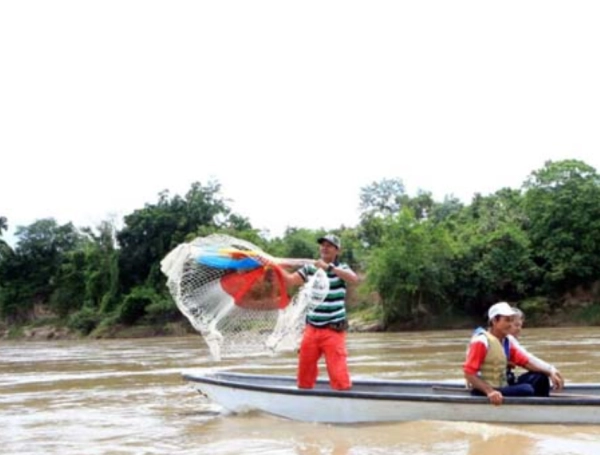
When Father Giovanni Gallo arrived in the parish of Santa Cruz do Arari, he encountered a community struggling with the perennial hardships of the Amazonian delta. Connectivity was nonexistent, and basic services were difficult to maintain due to the treacherous terrain and seasonal flooding. The residents of Vila de Jenipapo were primarily subsistence fishers, often forced to discard the piranhas that inevitably ended up in their nets.
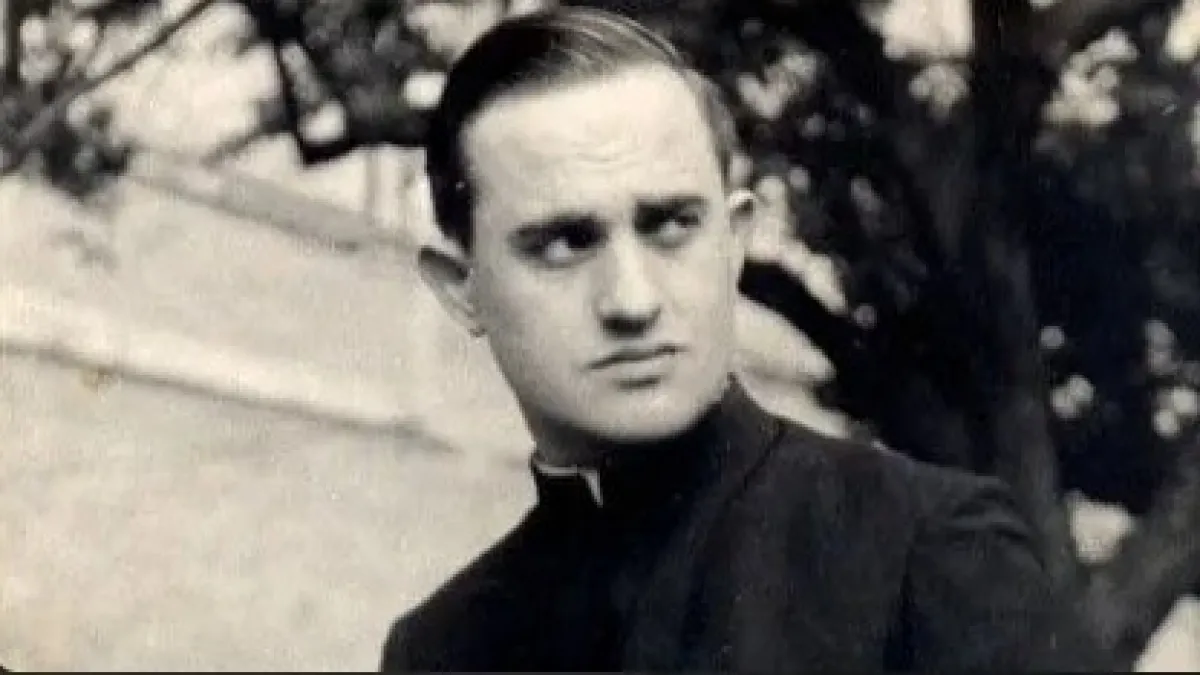
Gallo, possessing both a humanitarian spirit and a pragmatic mind, recognized that the community’s lack of resources was not a lack of assets, but a lack of market access. He observed the piranhas—fierce, distinctive, and abundant—and envisioned them not as pests, but as artifacts of natural history that could captivate European collectors.
The Laboratory of Change
Gallo founded a small laboratory within the parish. He recruited and trained local women in the delicate, specialized process of preparing, drying, and preserving piranha specimens. This was not merely an aesthetic endeavor; it was an exercise in precision, requiring the removal of internal organs and the treatment of the skin to prevent decay while maintaining the fish’s aggressive, iconic appearance.
The operation was surprisingly efficient. As the women mastered the technique, the "waste" fish became a premium export. These specimens were shipped to Europe, where they were sold as high-end curiosities and scientific decorative pieces. Over the course of the project’s peak, the community successfully processed and exported approximately 12,000 piranhas.
Chronology of Development: From Taxidermy to Infrastructure
The success of the "piranha initiative" was measured not in the profit of the artisans, but in the tangible assets it yielded for the community. The proceeds were funneled into a collective fund dedicated to infrastructure projects that the state had failed to provide.
- 1970–1975: Father Gallo establishes the parish laboratory. Initial experimental shipments of taxidermied piranhas reach European markets, proving the viability of the niche product.
- 1976–1979: The influx of foreign currency accelerates. The community begins construction on essential wooden bridges, essential for navigating the marshy, flooded landscapes of Marajó.
- 1980–1983: The project expands its scope. A landing strip, stretching 800 meters, is completed, effectively breaking the geographic isolation of the village.
- 1984: The cultural preservation aspect of Gallo’s work culminates in the formal opening of the Museum of Marajó in Cachoeira do Arari, housing the archaeological and historical artifacts gathered during his tenure.
- 2003: The death of Father Giovanni Gallo marks the end of an era, but his legacy remains embedded in the physical and cultural landscape of the island.
Supporting Data and Economic Impact
The financial scale of the project was modest by global standards but transformative for the local economy. The revenue generated by the sale of 12,000 specimens funded critical public works that allowed the community to function during the rainy season.
Key infrastructure projects funded directly by the piranha exports included:
- 350 linear meters of elevated wooden bridges: These structures were vital for safe passage across the wetlands, connecting homes to schools and the village center.
- The Community Embarcadero: A modern dock that facilitated safer, more efficient transport of goods and people.
- The 800-meter Airstrip: Perhaps the most ambitious project, this allowed for medical evacuations and the delivery of supplies, bridging the gap between a remote island and the mainland urban centers.
- Local Cemetery: A site of dignity for the community, ensuring proper burial rites for the deceased.
Cultural Preservation: The Birth of the Museum of Marajó
Gallo’s influence extended far beyond the biological preservation of fish. During his travels through the island, he recognized that the Marajó region held a deep, largely undocumented history. The locals frequently unearthed shards of ancient pottery, stone tools, and other relics of the pre-Columbian Marajoara culture.
Instead of allowing these artifacts to be sold to private collectors or destroyed, Gallo encouraged the villagers to bring them to him. This repository of local history became the nucleus of the Museum of Marajó. Established in 1984 in the municipality of Cachoeira do Arari, the museum serves as a sanctuary for the island’s heritage. It stands as a testament to the idea that a community’s future is inextricably linked to the preservation of its past.
Implications: A Model for Sustainable Development?
The case of the Marajó piranha initiative offers several important implications for modern development discourse.

Empowerment through Local Skill-Building
By training the women of Vila de Jenipapo in taxidermy, Gallo shifted the community’s role from passive victims of their geography to active participants in an international market. This fostered a sense of agency and demonstrated that rural, isolated populations can leverage indigenous knowledge and local biological resources to achieve self-sufficiency.
The Paradox of Value
The most striking element of this story is the subjective nature of "value." The piranha, a fish considered worthless by the standards of local commerce, became a high-value export simply by changing its context. This highlights the potential for "circular economy" thinking, where waste streams are re-evaluated as potential assets.
The Role of Leadership
While Father Gallo was the catalyst, the project’s longevity depended on the collective labor of the community. His role was not that of an external benefactor providing handouts, but rather a facilitator providing the tools and organizational structure for the community to lift itself.

Reflections on a Lasting Legacy
Today, the Museum of Marajó stands as a reminder of an era when, through a mix of religious conviction and entrepreneurial spirit, a remote Amazonian village defied the odds. The bridges built by the piranha trade may eventually be replaced, and the airstrip has seen years of wear, but the cultural preservation work initiated by the museum continues to serve as a vital link to the indigenous roots of the Marajoara people.
The story of the piranhas is more than an oddity or a historical footnote; it is a lesson in the resilience of human ingenuity. It demonstrates that when a community is empowered to see the world around them through a different lens—where a pest becomes a product and an artifact becomes a history—they can build foundations that last far longer than the immediate resources that funded them.
In Marajó, the memory of Giovanni Gallo is not held in the fish themselves, but in the connections—physical and historical—that allow the people of the island to remain anchored in their land while reaching toward a wider world. The piranha, once a source of frustration, remains an enduring symbol of a community that refused to be defined by its isolation.