By Edwin Caicedo, Environmental and Health Correspondent
In a remarkable testament to the ingenuity and environmental commitment emerging from Colombia, two distinct initiatives have secured their places as finalists in the prestigious 2027 Zayed Sustainability Prize. This international recognition, widely regarded as one of the most significant honors in the global sustainability arena, aims to catalyze innovative solutions to the most pressing challenges facing our planet.
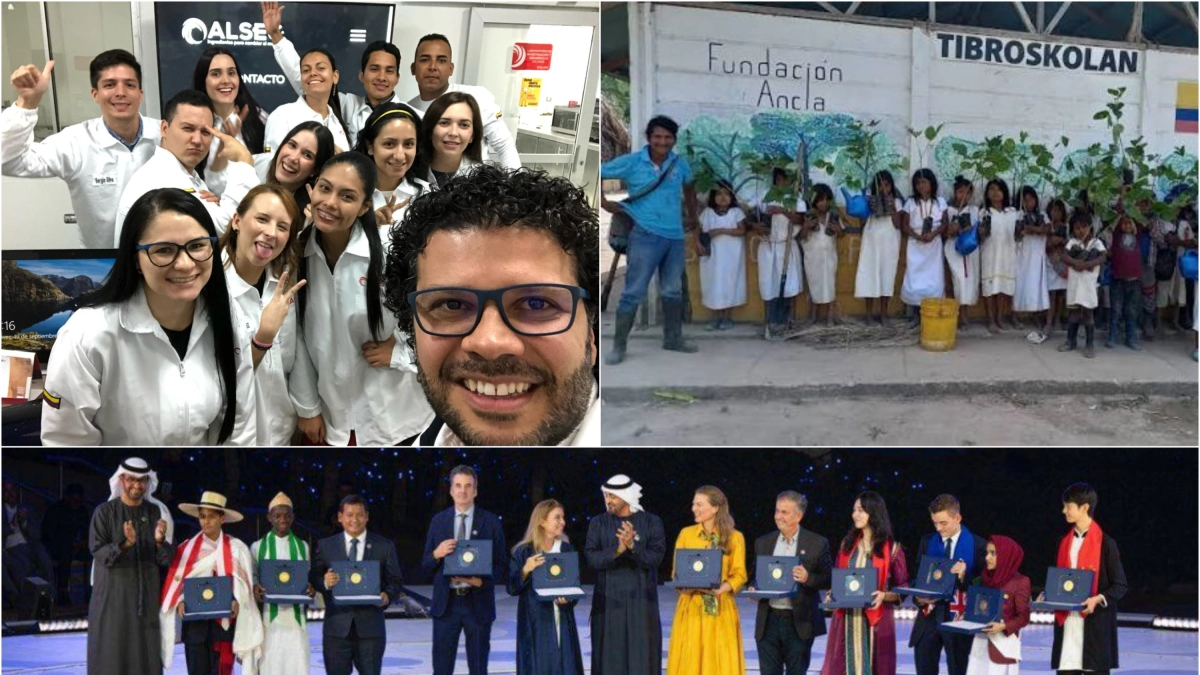
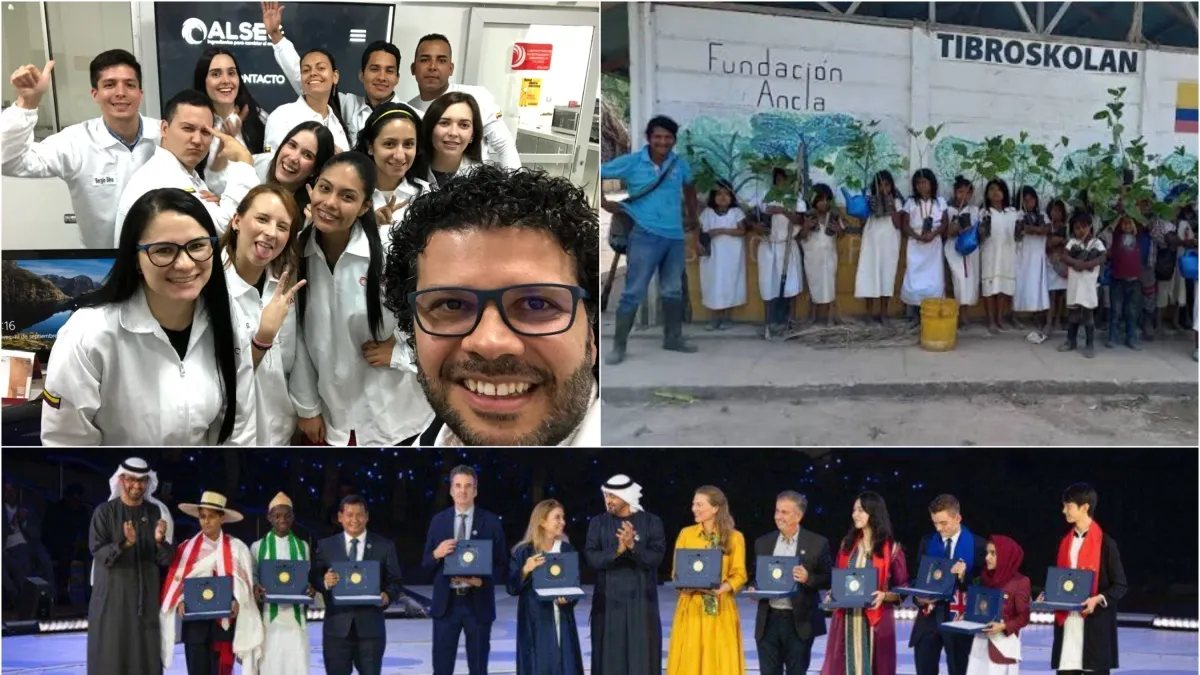
The finalists, announced recently, include Alsec Alimentos Secos, a pioneering small-to-medium enterprise (SME) competing in the "Food" category, and the Instituto Etnoeducativo Distrital Tayrona de Bunkwámake (Kutunsama branch), which has reached the final stage in the "Global High Schools" category. Their selection marks a milestone for Colombian innovation on the world stage, positioning the country as a leader in both high-tech industrial sustainability and community-driven educational action.
A Record-Breaking Year for Global Sustainability
The road to the finals was more rigorous than ever before. The 2027 cycle of the Zayed Sustainability Prize saw a historic surge in interest, with the organization receiving a staggering 10,233 applications from 177 countries. This figure represents a 32 percent increase in participation compared to the previous cycle, underscoring the prize’s growing influence and the global urgency to address environmental and social disparities.

The winners are scheduled to be revealed on January 12, 2027, during a high-profile ceremony held as part of the Abu Dabi Sustainability Week. While the ultimate victory carries significant prestige, the journey itself has already yielded tangible support for the Colombian representatives. Every organization and school that reaches the final stage receives a financial grant to further its mission—a gesture that underscores the prize’s commitment to tangible, scalable impact.
Alsec: Transforming Dairy Waste into Global Solutions
The "Food" category is perhaps the most competitive, given the global crisis of food security and the need for sustainable agricultural practices. Alsec, a biotechnology firm based in La Estrella, Antioquia, has captured international attention with its radical approach to one of the dairy industry’s most stubborn problems: the management of liquid whey generated during artisanal cheese production.

The Science of Sustainability
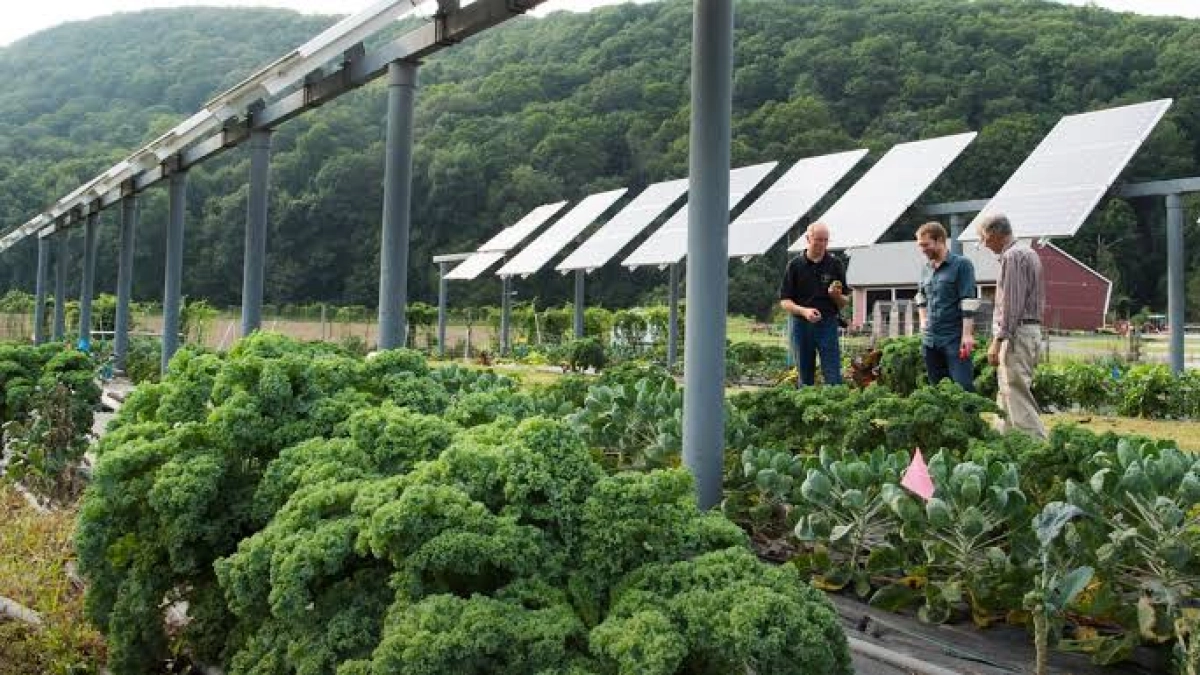
Alsec has developed a proprietary, patented technological process that utilizes both biotechnology and nanotechnology. Operating from a facility powered by solar energy, the company converts waste whey—which is traditionally discarded, causing significant water pollution—into high-value protein ingredients and purified water.
The environmental impact is quantifiable and impressive. According to data provided by the Zayed Sustainability Prize, Alsec has successfully reclaimed over 22.7 million liters of liquid whey. This intervention has been instrumental in protecting an estimated 4.3 billion liters of water from contamination, effectively turning a hazardous industrial byproduct into a circular economy success story.
The Path to a $1 Million Grant
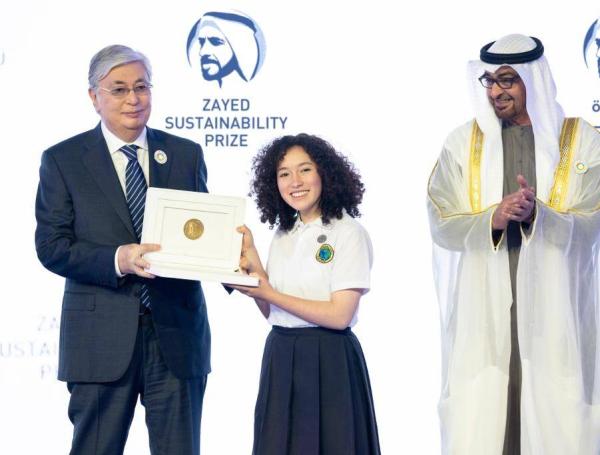
By securing a spot in the finals, Alsec has already earned a $100,000 grant, a baseline award for finalists in organizational categories such as Health, Food, Energy, Water, and Climate Action. However, the potential reward for the eventual category winner is a transformative $1 million.
Alsec is not alone in the final ring; it stands alongside formidable international competitors, including Adaptive Symbiotic Technologies from the United States and Towing from Japan. Should Alsec claim the top prize, the $1 million would allow them to scale their infrastructure, refine their technological reach, and potentially replicate their model in other regions facing similar agricultural waste challenges.
The Bunkwámake Initiative: Grassroots Education for a Greener Future
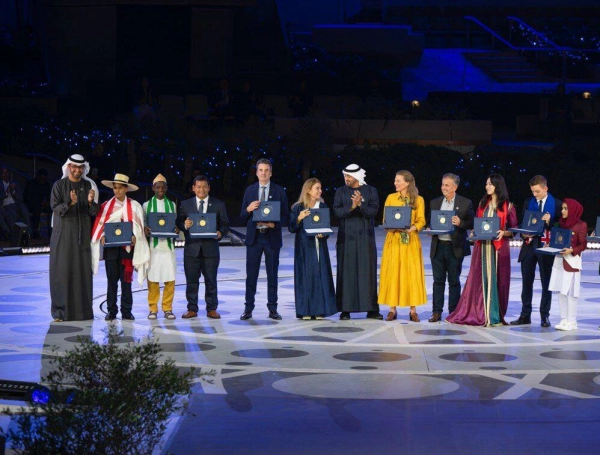
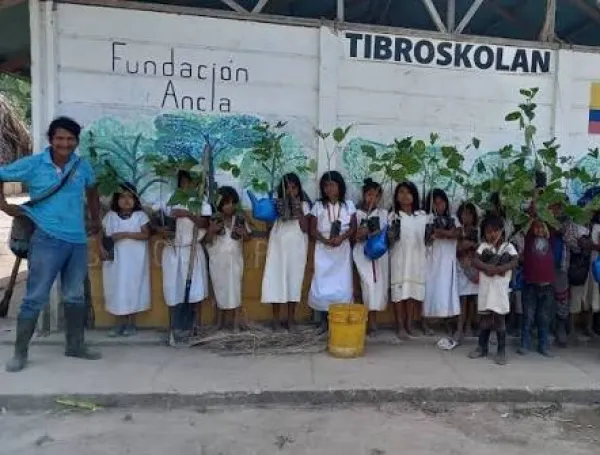
While Alsec represents the pinnacle of industrial biotechnology, the selection of the Instituto Etnoeducativo Distrital Tayrona de Bunkwámake, specifically its Kutunsama branch, highlights the power of grassroots education. This institution, which serves indigenous communities in the Sierra Nevada de Santa Marta, is competing in the "Global High Schools" category, which rewards projects designed by students to address sustainability challenges within their local environments.
The Regional Representation
The school was chosen as one of the top three finalists in the Americas region, competing against Canada’s École Secondaire Lacombe Composite High School and Argentina’s Instituto Técnico Nuestra Señora de Fátima. This category is uniquely structured to ensure global representation, with finalists selected from six geographical regions: the Americas, Sub-Saharan Africa, the Middle East and North Africa, Europe and Central Asia, South Asia, and East Asia and the Pacific.

For the students of Bunkwámake, the nomination is a validation of their role as stewards of their ancestral lands. By integrating traditional knowledge with modern sustainability practices, the students are developing projects that directly tackle the specific ecological vulnerabilities of their region.
Financial Support for Educational Growth
Each school that reaches the final stage is awarded $25,000, ensuring that even those who do not take the grand prize have the resources to implement their proposed initiatives. If the Instituto Etnoeducativo Distrital Tayrona de Bunkwámake is named the regional winner, they will receive a total of $150,000. These funds are designated for the expansion of their school-based projects, providing a rare opportunity to bridge the gap between classroom theory and practical, community-wide environmental action.
Chronology and Evolution of the Zayed Prize
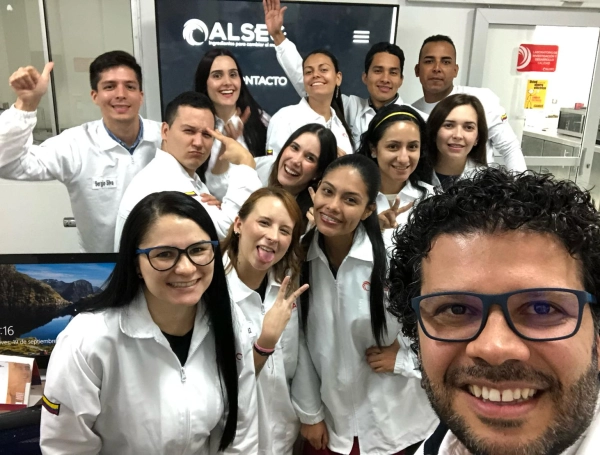
The Zayed Sustainability Prize, now in its 18th year, has become a barometer for the global health of sustainable development. Since its inception, it has recognized 139 winners across various categories. The cumulative impact of these winners is profound: the organization estimates that their projects have improved the quality of life for more than 411 million people worldwide.
The selection of two Colombian projects in the 2027 cycle is not merely a coincidence; it is a reflection of the nation’s increasing focus on "green" economic development. The diversity of the finalists—a high-tech firm and a rural indigenous school—mirrors the multifaceted approach required to meet the United Nations’ Sustainable Development Goals.

Implications for Colombian Innovation
The dual success of Alsec and the Instituto Etnoeducativo Tayrona de Bunkwámake provides a blueprint for how Colombia can contribute to the global climate agenda.
- Scalability of Biotechnology: Alsec demonstrates that SMEs can become global leaders if they focus on "waste-to-wealth" technologies. By turning a liability (whey) into an asset (protein/water), they provide a replicable model for other agricultural nations.
- Community-Centric Resilience: The Bunkwámake school project emphasizes that sustainability is not just a technological challenge but a social one. By empowering the next generation within their own cultural context, the school ensures that environmental protection remains a core value of the community’s identity.
- National Brand Positioning: Having two finalists in a pool of over 10,000 entries signals to the international investment community that Colombia is a fertile ground for sustainable entrepreneurship. This increases the likelihood of attracting further foreign investment and collaborative partnerships in the future.
Conclusion: A Vision for January 2027
As the world looks toward Abu Dabi in January, the anticipation in Colombia is palpable. Beyond the financial incentives, the recognition serves as a morale booster for the scientific and educational sectors of the country.
The Zayed Sustainability Prize’s emphasis on "impact, innovation, and inspiration" is perfectly embodied by these two finalists. Whether or not they return home with the grand prizes, Alsec and the Instituto Etnoeducativo Distrital Tayrona have already succeeded in demonstrating that Colombian ingenuity is capable of offering solutions to global challenges. Their work reminds us that sustainability is a collective effort, one that requires the precise tools of the laboratory and the collective wisdom of the community to thrive.
As we await the final verdict in January, the achievements of these two entities remain a beacon of progress, proving that even from the most localized corners of the world, transformative ideas can emerge to reshape our global future.