By Edwin Caicedo, Environment and Health Correspondent
September 28, 2026
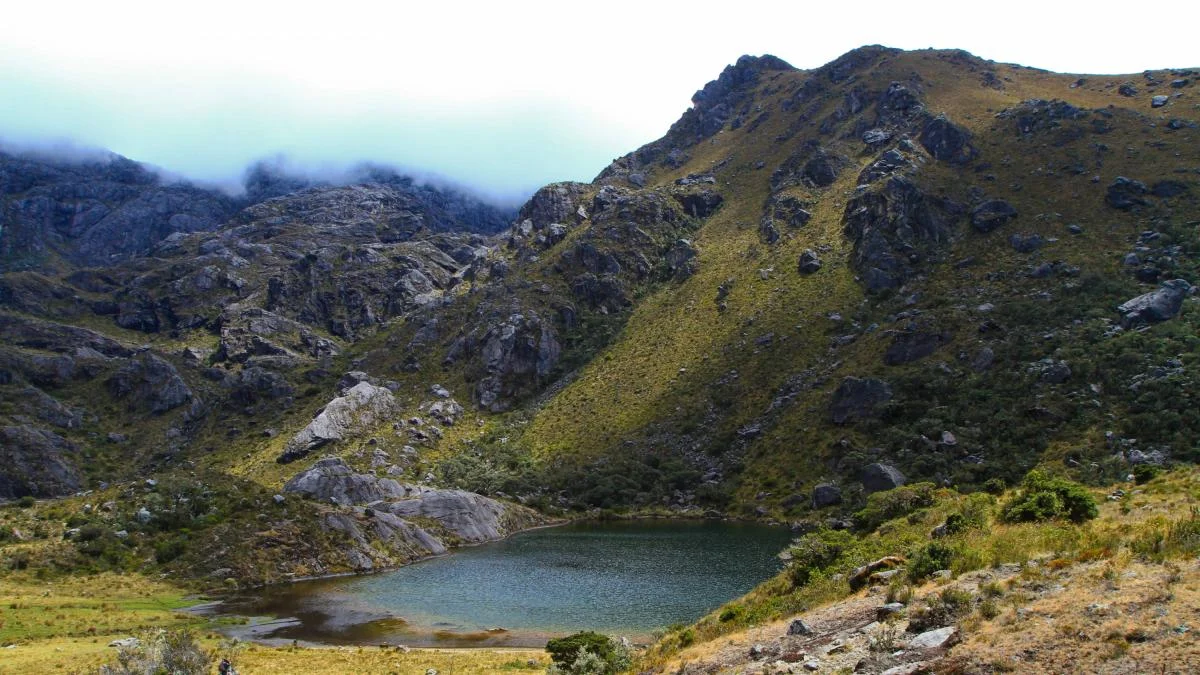
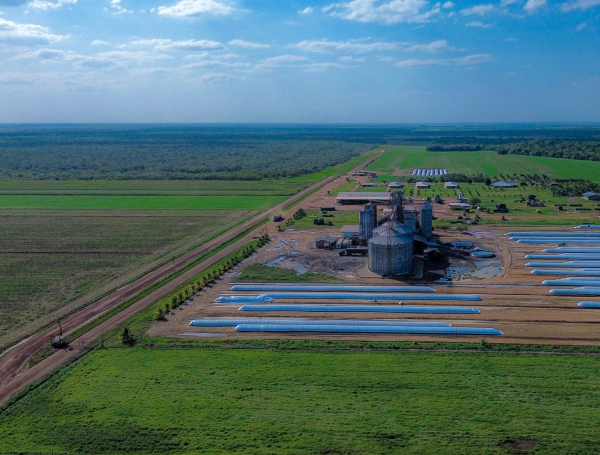
The Orinoquía region, a vast expanse of plains and biodiversity, stands today at a critical geopolitical and ecological crossroads. It is the heart of Colombia’s agricultural engine, yet it simultaneously houses some of the nation’s most sensitive natural infrastructure. As climate change accelerates and global food demand shifts, the region faces an existential challenge: how to scale food production without compromising the subterranean water reserves and delicate ecosystems that make such production possible in the first place.
In response to this tension, The Nature Conservancy (TNC) Colombia has launched an ambitious, multi-layered initiative known as "Orinoquía Foodscape." This strategy is not merely a conservation project; it is a fundamental redesign of how the agricultural sector interacts with the landscape, merging regenerative production, financial innovation, and long-term ecological stewardship.
The Landscape: A Vital Paradox
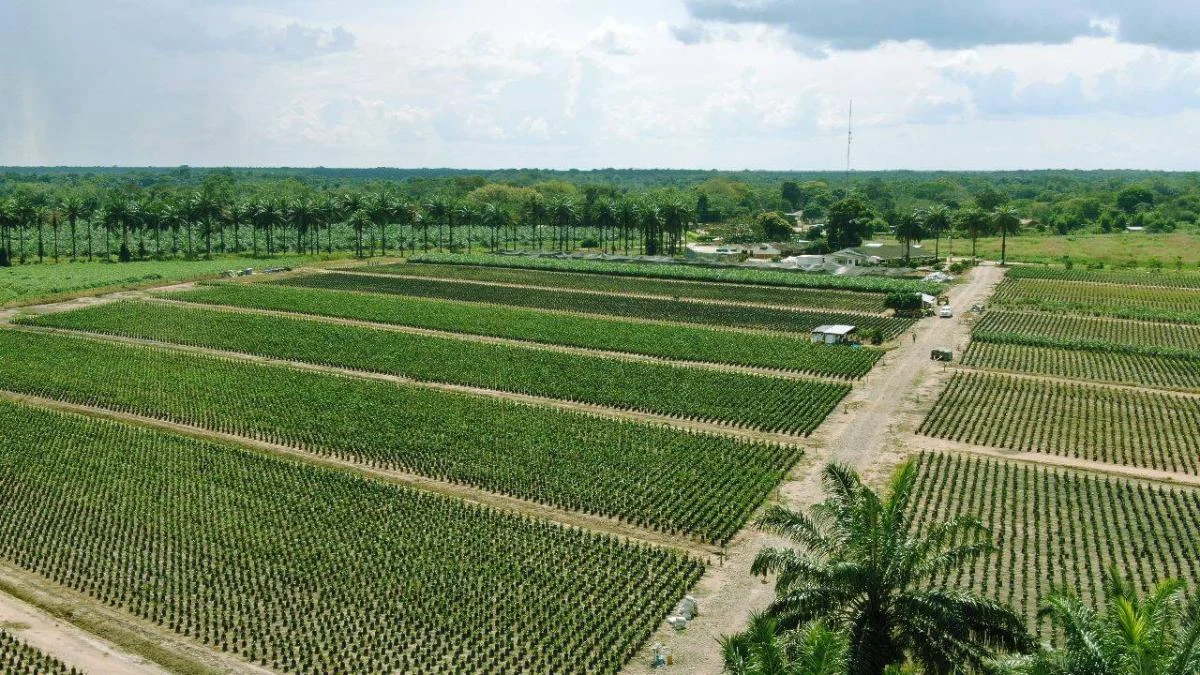
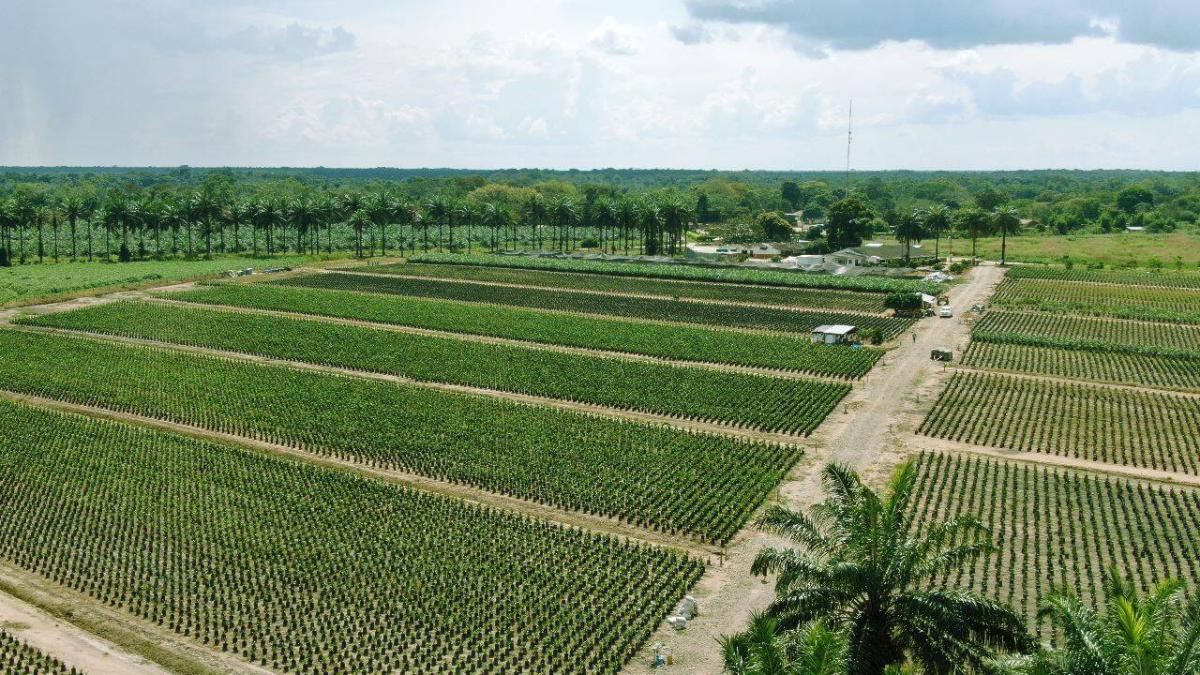
The urgency of TNC’s intervention is rooted in the unique demographic and environmental profile of the Orinoquía. The region is, by any metric, an economic powerhouse: it accounts for 53% of Colombia’s rice production, 46% of its palm oil, and 28% of the national cattle herd. Yet, this high-intensity land use occurs atop 41% of Colombia’s subterranean water reserves.

Historically, the expansion of the agricultural frontier has been viewed as a zero-sum game: land used for crops was land lost to nature. However, modern environmental science—and the reality of climate-induced crop failures—suggests that this dichotomy is a path to systemic collapse.
"The production of food and the conservation of the landscape have not advanced in an articulated manner in the Orinoquía," explains Antonio Solarte, leader of the Sustainable Productive Systems team at TNC Colombia. "The challenge is to ensure that both move in the same direction."

Chronology of a Transformation: A Decade of Change
TNC’s current strategy in the Orinoquía is the culmination of over a decade of work across Latin America, where the organization has partnered with local communities, private enterprises, and government bodies to shift the paradigm of land management.
- 2014–2018 (The Pilot Phase): TNC began mapping key biological corridors and identifying the most sensitive watersheds within the Orinoquía. Initial work focused on basic soil health and testing small-scale regenerative grazing techniques to prove that cattle could be raised without degrading the surrounding savanna.
- 2019–2022 (Building Alliances): The focus shifted toward supply chain integration. By working with major players in the palm oil and rice sectors, TNC sought to establish "deforestation-free" production standards, leveraging market pressure to incentivize better practices.
- 2023–2025 (Scaling the Model): The launch of the Orinoquía Foodscape initiative marked the transition to a systemic approach. This period saw the introduction of "Green Financing" and the integration of land-use planning with climate adaptation goals.
- 2026–Present (Consolidation): The current phase is focused on meeting specific, measurable targets for the end of the decade, shifting from isolated projects to a landscape-scale transformation involving thousands of producers.
Supporting Data: The Scope of the Ambition
The strategy is underpinned by rigorous, quantifiable goals designed to ensure accountability and track progress against the pressures of climate change. By the end of the decade, TNC aims to achieve the following:
- Land Conservation: Protection and restoration of 1.8 million hectares of terrestrial ecosystems and 1.5 million hectares of wetlands.
- Hydrological Security: The active protection of 41,600 kilometers of river networks, essential for both agricultural irrigation and biodiversity.
- Climate Mitigation: An objective to avoid, reduce, or sequester 500,000 tons of CO2 equivalent per year, directly addressing the agricultural sector’s role in the national carbon footprint.
- Social Impact: A commitment to support 252,000 individuals in climate adaptation processes and to provide direct economic and productive improvements for 6,500 local farmers and producers.
These figures represent a significant shift from "passive conservation" to "active landscape management," where the well-being of the farmer is intrinsically linked to the health of the soil and water.
Official Perspectives and Strategy
The "Orinoquía Foodscape" strategy relies on a four-pillar approach to ensure that conservation is not just an ideal, but a viable business model:
1. Technical Assistance and Capacity Building
Knowledge transfer remains the cornerstone. TNC provides boots-on-the-ground technical expertise to help farmers transition from conventional, high-input methods to regenerative models. This includes techniques like silvopasture (integrating trees with livestock), precise fertilizer application to prevent runoff, and rotation systems that allow soil to recover.
2. Green Financing and Economic Incentives
The transition to sustainable practices often carries high upfront costs. TNC is working to bridge this gap by facilitating access to green credit lines and financial instruments for producers who commit to regenerative milestones. These tools make the transition financially feasible for smallholders who might otherwise be unable to invest in the necessary infrastructure.
3. Supply Chain Partnerships
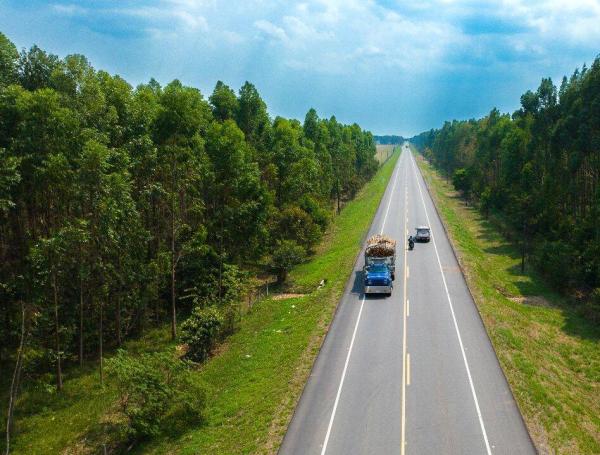
By working with corporations within the food value chain, TNC helps create market-based incentives. Consumers are increasingly demanding transparency and sustainability, and by certifying farms that meet high environmental standards, producers gain a competitive edge in international markets.
4. Policy Integration
Beyond the farm gate, TNC engages with regional and national authorities to ensure that land-use policies reflect the need for environmental protection. This involves integrating climate risk assessments into territorial development plans, ensuring that the infrastructure of the future does not destroy the natural capital of the present.
Implications: A Model for the Future
The implications of this strategy extend far beyond the borders of Colombia. As Latin America continues to serve as a primary "food basket" for the world, the tension between agricultural output and ecological health is becoming a global issue.
Traditional agro-industrial models are increasingly viewed as high-risk, both environmentally and economically. Climate volatility—manifested in droughts, floods, and unpredictable rainfall—poses a direct threat to crop yields. By building resilience through the restoration of watersheds and the maintenance of forest cover, the Orinoquía Foodscape model effectively "insures" the region against future climate shocks.

Moreover, the shift to sustainable production is an investment in market longevity. As international trade regulations tighten around deforestation and carbon footprints, producers who have already made the transition to regenerative systems will be better positioned to maintain their market access.
Concluding Thoughts: A Shared Future
The work currently being undertaken in the Orinoquía is a testament to the idea that conservation and production are not natural enemies. They are two sides of the same coin: the long-term viability of the land.
"The future of agriculture in Colombia requires that governments, the private sector, and producers work in the same direction," says Solarte. "The decisions we make today will define the future of the region and the food security we will have tomorrow."
As the project approaches its 2030 targets, it serves as a critical case study for the rest of the world. The lessons learned in the plains of Colombia regarding how to balance the immediate need for food with the long-term imperative of ecosystem health could provide the blueprint for a new, regenerative era of global agriculture.
The path forward is clear: the most profitable agriculture is that which protects the very resources it consumes. In the Orinoquía, this is no longer just a theory; it is a movement.