By Edwin Caicedo, Environmental and Health Correspondent
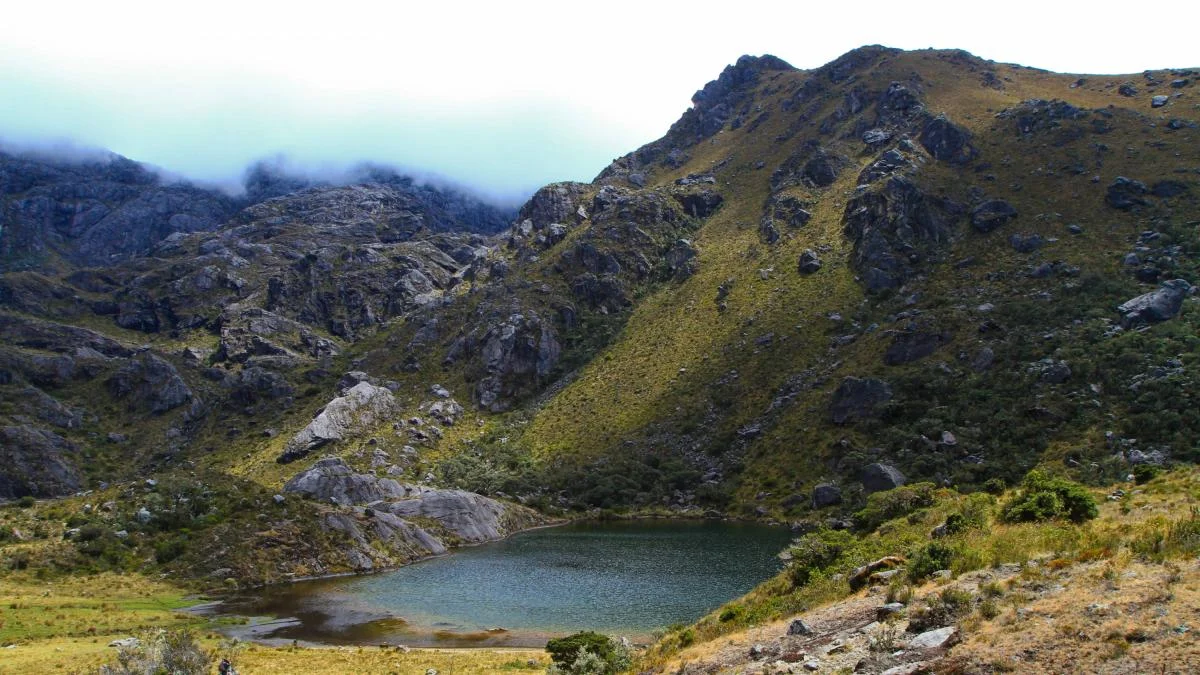
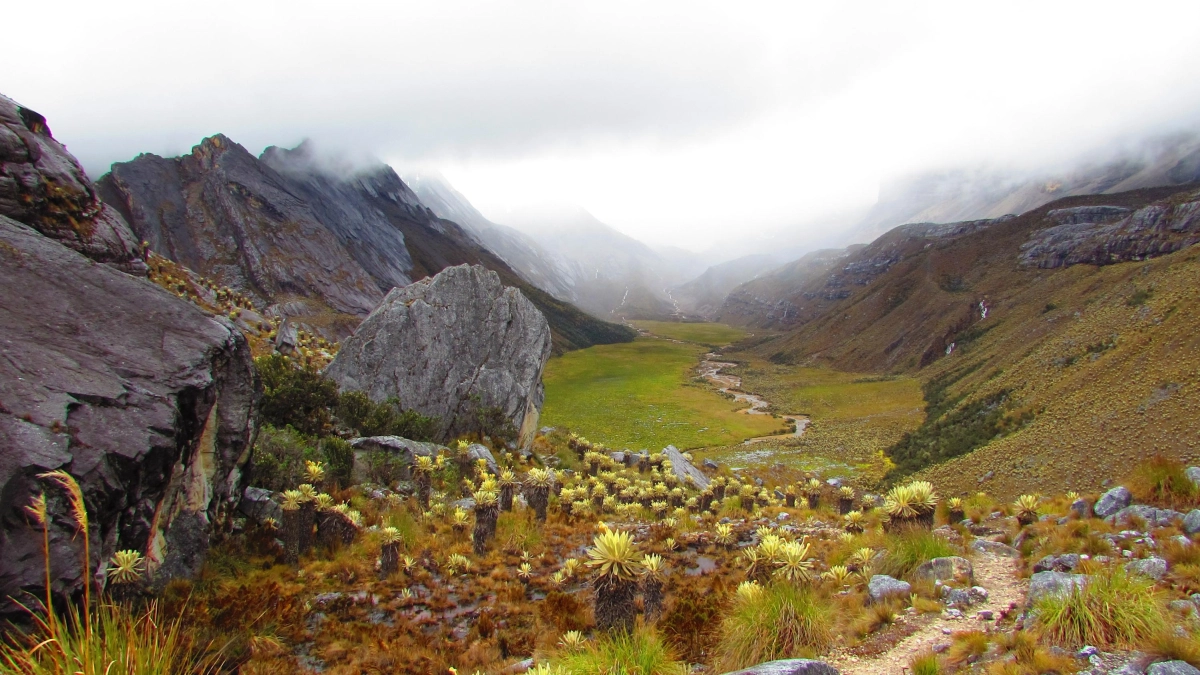
In a landmark decision that resets one of the most complex environmental debates in Colombia, the Ministry of Environment and Sustainable Development, under the administration of President De La Espriella, has formally revoked Resolution 0992 of August 6, 2026. This act, established by the previous government of Gustavo Petro, sought to implement a partial delimitation of the Jurisdicciones–Santurbán–Berlín Paramo complex.
The revocation, contained in Resolution 1278 issued on September 28, 2026, marks a significant departure from the previous administration’s strategy. Following an exhaustive review of the administrative process, the Ministry concluded that the methodology employed—characterized as “progressive delimitation”—lacked a legal basis and failed to comply with the strict parameters established by the Constitutional Court in its pivotal Sentencia T-361 of 2017.
The Core Conflict: Why Was the Resolution Revoked?
The Ministry’s decision to annul the previous resolution is not merely a bureaucratic adjustment; it is an admission that the procedural roadmap followed by the previous government was fundamentally flawed. According to the internal analysis by the Ministry, the process suffered from severe irregularities that compromised public participation, transparency, and the fundamental rights of the communities living in the Soto Norte region.

The Myth of "Progressive Delimitation"
The most contentious element of the revoked policy was the implementation of "progressive delimitation." The government of the time attempted to draw boundaries for the paramo in fragmented stages, addressing specific sectors of the ecosystem while negotiations remained stagnant in at least 14 of the 40 municipalities involved.
The current Ministry has categorically rejected this approach. Legal experts and officials noted that this methodology was neither sanctioned by law nor directed by the Constitutional Court. By breaking the ecosystem into smaller, isolated components for administrative convenience, the previous government effectively altered the scope of the process as defined by the 2017 Court ruling, which explicitly mandated a comprehensive, inclusive, and regional approach that encompasses all 40 municipalities simultaneously.

A Chronology of the Santurbán Legal Battle
To understand the weight of this revocation, one must look at the timeline of a conflict that has defined Colombian environmental policy for over a decade:
- 2014: The Ministry of Environment issues Resolution 2090, establishing the original boundaries for the Santurbán Paramo. This initial effort faced immediate backlash from local communities and environmentalists who argued the lines were drawn without adequate scientific or social consensus.
- 2017: The Constitutional Court issues the landmark Sentencia T-361, mandating that the government must repeat the delimitation process. The Court emphasized that any future line must be the result of a “wide, participatory, effective, and deliberative process” involving all affected communities.
- 2026 (August 6): The Petro administration issues Resolution 0992, attempting to finalize a partial delimitation of the paramo. The move is immediately criticized by local leaders, mining associations, and legal experts who argue the process was rushed and exclusionary.
- 2026 (September 28): The Ministry of Environment under the De La Espriella government issues Resolution 1278, revoking the August resolution due to procedural failures and constitutional non-compliance.
- Current Status: The government now faces the challenge of restarting the process before the March 2027 deadline, with the added pressure of repairing the social fabric of the region.
Procedural Irregularities: The Gap Between Proposal and Reality
One of the most damning findings in the Ministry’s report is the significant discrepancy between the projects submitted for public comment and the final version of Resolution 0992.
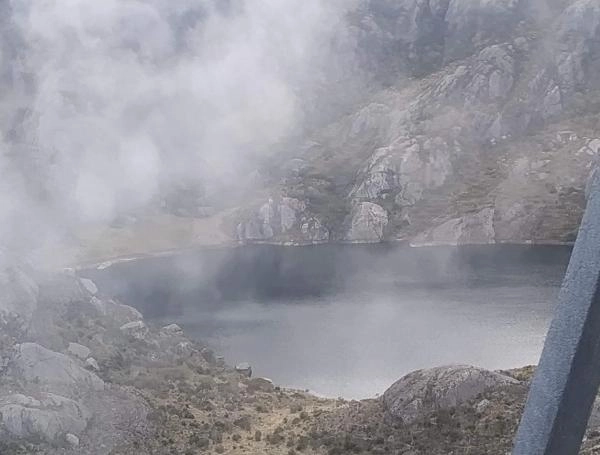
The investigation revealed that once the public comment phase had concluded, the government introduced substantial modifications to the territorial and cartographic scope of the delimitation. These changes were made without a new round of public consultation, effectively sidelining the citizens whose lives and livelihoods were directly impacted. Key aspects of the "System of Fiscalization," the "Instance of Coordination," and the financial models for regional development were altered behind closed doors.
"The modifications changed the fundamental sense and scope of the project," the Ministry noted in the text of Resolution 1278. "These changes should have been published for public scrutiny before being finalized." By failing to do so, the administration violated the principle of public transparency and denied local communities their right to provide feedback on the final, legally binding version of the law.
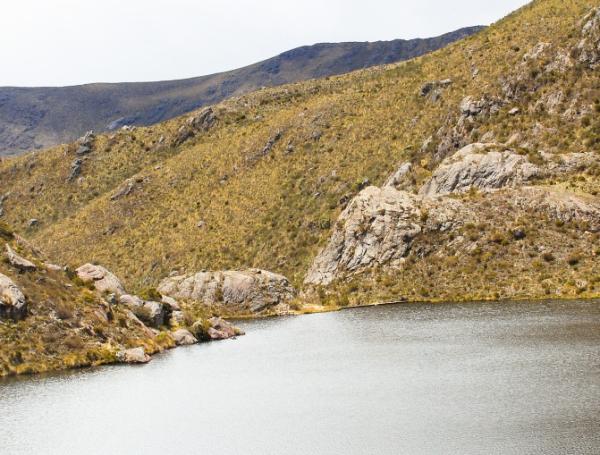
Stakeholder Responses: A Region in Limbo
The revocation has sparked a wide range of reactions, reflecting the deep divisions in the region regarding land use and conservation.
Local Leadership and Governance
Angélica García, the mayor of Vetas, expressed cautious optimism, emphasizing the need for the central government to honor the directives of the Administrative Tribunal of Santander. "We must now sit down and discuss this with the Ministry and the National Government to ensure a higher level of protection for the ecosystem, while respecting the people who have lived here for generations," García stated.
Juvenal Díaz Mateus, the Governor of Santander, was more critical of the previous administration. He argued that the previous "temporary reserve" policy had only served to prolong the uncertainty for the residents of Soto Norte. "What we need now is to work together, across all sectors, to reach a definitive delimitation by March 2027. The previous government failed to listen to the people and failed to comply with the Escazú Agreement," Díaz asserted.
The Perspective of Local Industry
The mining sector, which has been at the heart of the Santurbán controversy for years, views the revocation as a necessary correction. Ivonne González, president of Asomineros Vetas, stated that local residents had warned about the illegality of the previous process from the beginning. "The previous delimitation ignored the agreements we had reached with the State," she said, reaffirming that the community seeks a sustainable future that respects their right to work and their status as inhabitants of the territory.
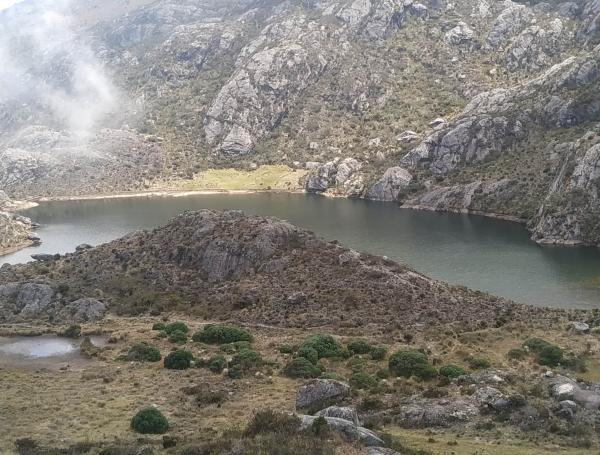
The Broader Implications: What Happens Next?
The revocation of Resolution 0992 does not mean that the Santurbán Paramo is unprotected. On the contrary, the Ministry has clarified that the revocation is a procedural reset intended to ensure that the eventual protection of the paramo is legally sound, socially accepted, and environmentally robust.
The Challenge of "Supramunicipal" Management
A critical takeaway from the Ministry’s analysis is the acknowledgment that political municipal boundaries do not equate to ecological boundaries. The Santurbán complex requires a management strategy that transcends local jurisdictions. Issues such as water protection, mining fiscalization, and financing require a unified approach. The Ministry’s goal is now to establish a permanent, coordinated instance that treats the paramo as a single, indivisible entity, in accordance with the Court’s 2017 ruling.
A Test for the De La Espriella Administration
For the current government, this is a litmus test. The mandate is clear: they must complete the delimitation process by the first quarter of 2027. This requires a delicate balance between fulfilling the strict environmental protection requirements—crucial for the country’s water security—and ensuring that the socioeconomic rights of the mountain communities are not trampled in the process.
Conclusion: Toward a Sustainable Future
The journey to define the limits of the Santurbán Paramo has been a decade-long exercise in the friction between conservation and development. While the revocation of Resolution 0992 is a setback in terms of timing, it represents a necessary step toward the rule of law. By discarding a flawed methodology, the government now has the opportunity to build a consensus-based model that avoids the legal pitfalls of the past.

As stakeholders prepare for the next round of negotiations, the focus remains on the paramo itself—a vital source of water for millions of Colombians. The success of the next steps will be measured not just by the lines drawn on a map, but by the ability of the State to integrate the voices of those who call the high-altitude ecosystem their home, while safeguarding its ecological integrity for the future.