By Digital Journalist | Updated: September 5, 2026
In an era where modern society increasingly seeks a reconnection with ancestral practices and mindful living, simple domestic rituals have found a prominent place in daily routines. Among these, the practice of placing a fresh laurel leaf inside a glass of water has steadily consolidated itself as a popular household method. Associated with the attraction of prosperity, the protection of domestic spaces, and the energetic renewal of environments, this tradition bridges the gap between historical symbolism and contemporary wellness culture.
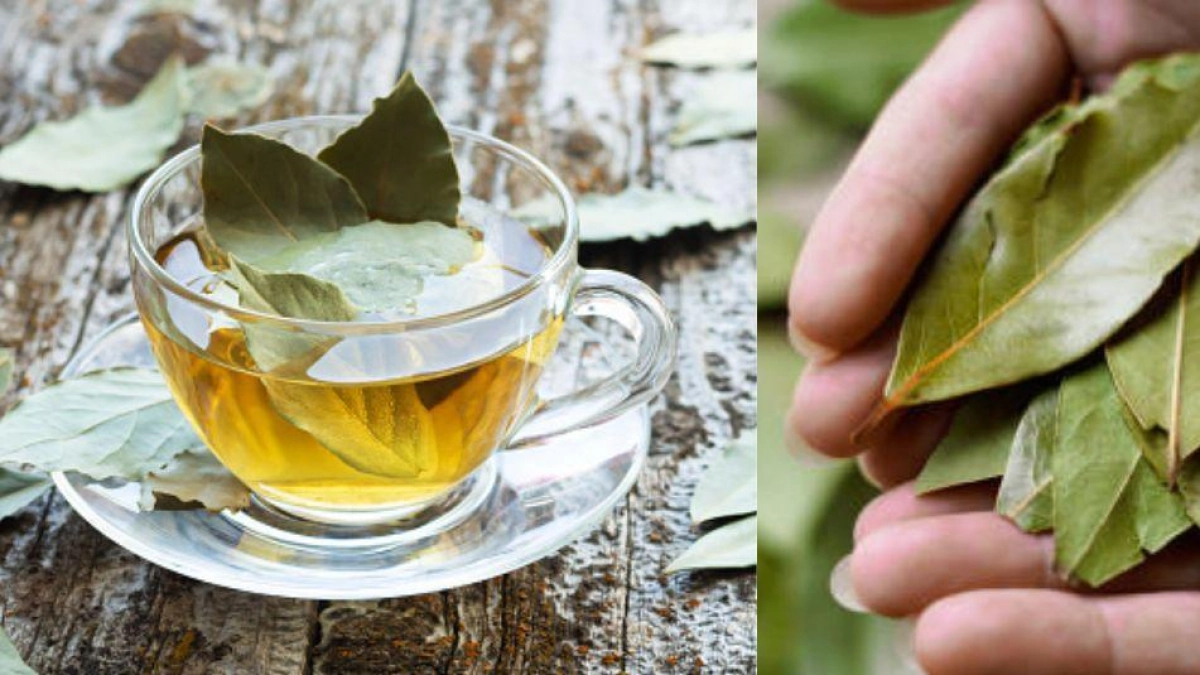
Rooted in a synthesis of diverse cultural traditions and core principles derived from Feng Shui, the ritual attributes powerful symbolic properties to both components: the laurel leaf is viewed as an emblem of abundance and triumph, while water is revered for its universal capacity for purification. Far from being a complex scientific procedure, this accessible habit has captured the imagination of thousands, serving as a physical anchor for personal reflection, intention-setting, and environmental harmony within the home.
Main Facts: Unpacking the Laurel and Water Ritual
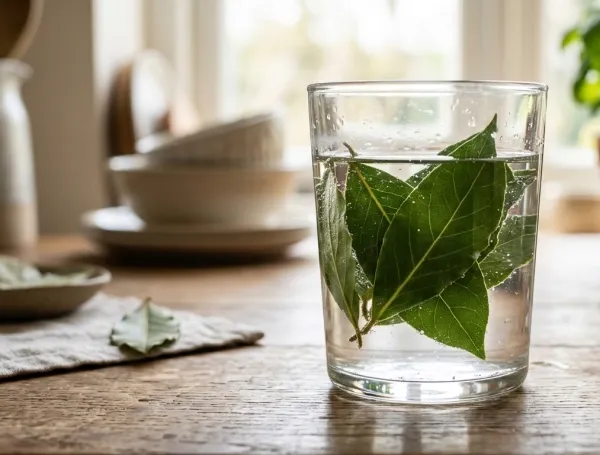
At its core, the practice requires minimal effort and standard household items: a transparent glass, fresh water, and one or more intact laurel leaves (Laurus nobilis). While the ritual lacks empirical scientific validation regarding its ability to manipulate unseen energies, its psychological and atmospheric benefits are widely documented by practitioners.

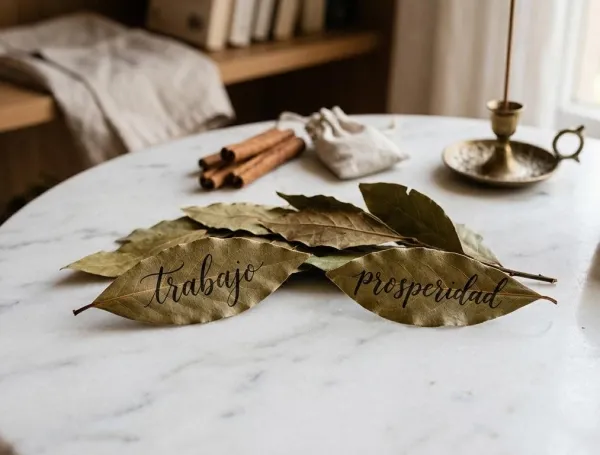
- Symbolic Objectives: The primary intentions behind placing laurel in water include attracting financial or personal prosperity, creating a protective energetic barrier against negativity, and cleansing the ambient atmosphere of a room.
- The Dual Elements:
- Laurel: Historically linked to success, achievement, and protection.
- Water: Universally recognized as a medium for emotional and physical cleansing, capable of absorbing and neutralizing stagnant energy.
- Maintenance Protocol: To ensure hygiene and prevent the proliferation of bacteria or mosquitoes, the water must be changed every two to three days. Furthermore, the leaf must be replaced immediately if it shows signs of discoloration, tearing, or decay.
- Placement Flexibility: There are no strict spatial rules mandated by traditional or contemporary guides; the glass can be placed in living rooms, kitchens, or entryways based entirely on personal preference and aesthetic comfort.
Chronology and Historical Context: From Ancient Crowns to Modern Homes
To fully understand the resurgence of this practice, one must examine the profound historical trajectory of the laurel plant across ancient civilizations.
Antiquity and the Classical Era
Long before finding its way into domestic water glasses, the laurel leaf held immense sacred and civic value in the ancient Mediterranean world, particularly in ancient Greece and Rome.

- Symbols of Victory: In Greek mythology, the laurel was consecrated to the god Apollo, the deity of music, poetry, prophecy, and healing. According to myth, Apollo wore a laurel wreath in honor of the nymph Daphne, who was transformed into a laurel tree to escape his pursuit. Consequently, wreaths woven from laurel branches became the ultimate symbol of triumph, awarded to victors in the Pythian Games and to victorious military commanders and emperors in Rome.
- Medicinal and Culinary Uses: Beyond its symbolic status, ancient populations recognized the plant for its preservative, aromatic, and medicinal qualities, utilizing it to treat digestive ailments and ward off pests.
The Middle Ages and Renaissance
During the medieval and Renaissance periods, the protective qualities of laurel evolved from civic honors into folklore. European villagers often placed laurel leaves near windows, doorways, or hearths to protect their homes from lightning strikes, evil spirits, and witches. The terminology itself reflects this enduring legacy; the word "baccalaureate" (denoting an academic degree) derives from bacca lauri (laurel berry), underlining the plant’s historic association with high achievement and intellect.
The Contemporary Wellness Shift
In the twenty-first century, these historical and folkloric threads have been re-contextualized by modern wellness movements. As urban living spaces have grown denser and psychological stress has increased, individuals have turned to mindfulness, biophilic design, and practices like Feng Shui to reclaim a sense of sanctuary at home. The modern integration of the laurel leaf and water glass is a direct evolution of these ancient protective and purifying rites, adapted for the average household seeking tranquility and localized emotional grounding.
Supporting Data and Conceptual Frameworks
While empirical data cannot measure the "energetic vibration" of a plant, sociological and psychological insights shed light on why such rituals endure and thrive in modern societies.
The Intersection with Feng Shui
In the principles of Feng Shui—the ancient Chinese art of spatial arrangement—the flow of Chi (energy) dictates the health, wealth, and emotional well-being of the inhabitants. Water represents wealth, flow, and emotional depth, while plants introduce living, ascending Wood energy.
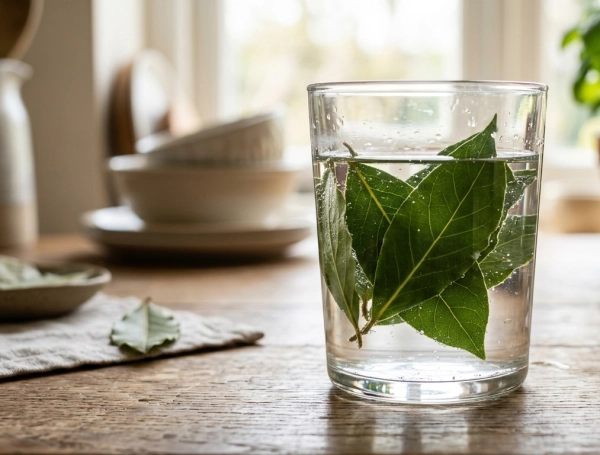
- Elemental Balance: Placing a dynamic botanical element like laurel inside water creates a harmonious dialogue between the Water and Wood elements, which, according to elemental cycles, nourish one another.
- Intention Anchors: Environmental psychologists note that rituals act as physical anchors. When an individual consciously prepares a glass of water with a laurel leaf, they are engaging in a deliberate act of mindfulness. This physical routine signals the brain to focus on goals such as stability, financial prudence, or emotional cleansing, effectively lowering cortisol levels and fostering a positive mindset.
Sensory and Aesthetic Benefits
Beyond symbolism, the practice offers tangible sensory improvements:
- Aromatherapy: Fresh laurel leaves release subtle, earthy, and mildly medicinal essential oils (such as cineole and eugenol) into the immediate vicinity. While subtle in stagnant water, this can impart a clean, natural aroma to small rooms.
- Visual Aesthetics: A clear glass of fresh water containing a pristine, deep-green leaf serves as a minimalist, biophilic decorative element that enhances the visual tranquility of a desk, nightstand, or kitchen counter.
Expert Perspectives and Official Guidelines
Because this practice falls under the umbrella of folk tradition, alternative wellness, and domestic craft rather than clinical science, traditional scientific and health institutions do not issue official endorsements or guidelines regarding its energetic efficacy. However, public health and botanical experts emphasize practical safety measures regarding home practices involving stagnant water and organic matter.

Botanical and Safety Recommendations
Health and sanitation authorities consistently advise vigilance when maintaining indoor water containers to prevent unintended public health hazards:
- Vector Control: Standing water left unattended for prolonged periods can become a breeding ground for insects, particularly mosquitoes, which transmit various vector-borne diseases. Experts stress the importance of the strict 48-to-72-hour replacement rule highlighted by wellness practitioners.
- Food Safety and Toxicity: While Laurus nobilis (sweet bay laurel) is commonly used safely in culinary applications, users should ensure they are not confusing it with toxic lookalikes, such as the cherry laurel (Prunus laurocerasus), which contains cyanogenic glycosides and is poisonous if ingested. Although the ritual water is generally intended for energetic observation rather than consumption, avoiding toxic lookalikes is paramount in households with children or pets.
- Psychological Well-being: Mental health professionals often view such rituals benignly, noting that engaging in comforting domestic routines can provide a psychological buffer against anxiety, fostering a sense of control and agency within one’s personal environment.
Implications: The Psychological and Domestic Impact
The widespread adoption of the laurel and water ritual carries several meaningful implications for contemporary domestic life:
1. The Rise of Mindful Micro-Habits
In a fast-paced digital age marked by information overload, people are increasingly drawn to analog, tactile micro-habits. Changing the water in a glass or selecting a fresh, unblemished leaf requires slowness, intention, and tactile engagement. These small actions serve as mental circuit breakers, allowing individuals to transition between work stress and domestic relaxation.
2. Transitioning Life Stages and New Beginnings
Many individuals utilize the routine of refreshing their laurel leaf and water as a tangible metaphor for personal renewal. Just as the old, discolored leaf is discarded and replaced with a fresh one, practitioners often use the moment to symbolically wipe the slate clean, marking the beginning of a new week, a financial cycle, or a personal chapter.
3. Cultural Resilience and Folklore Adaptation
The persistence of such traditions demonstrates the remarkable adaptability of folklore. Rather than dying out in secular, highly technological societies, ancient agrarian and magical beliefs have been successfully rebranded as self-care, mindfulness, and interior design philosophies. They offer modern citizens a way to maintain continuity with the past while addressing contemporary emotional needs for peace, security, and optimism.
Article developed with the assistance of AI technology and reviewed by professional editorial staff.