By Camila Sanchez Fajardo
Digital Outreach Desk, El Tiempo
Updated: September 27, 2026 – 11:25 PM
Main Facts
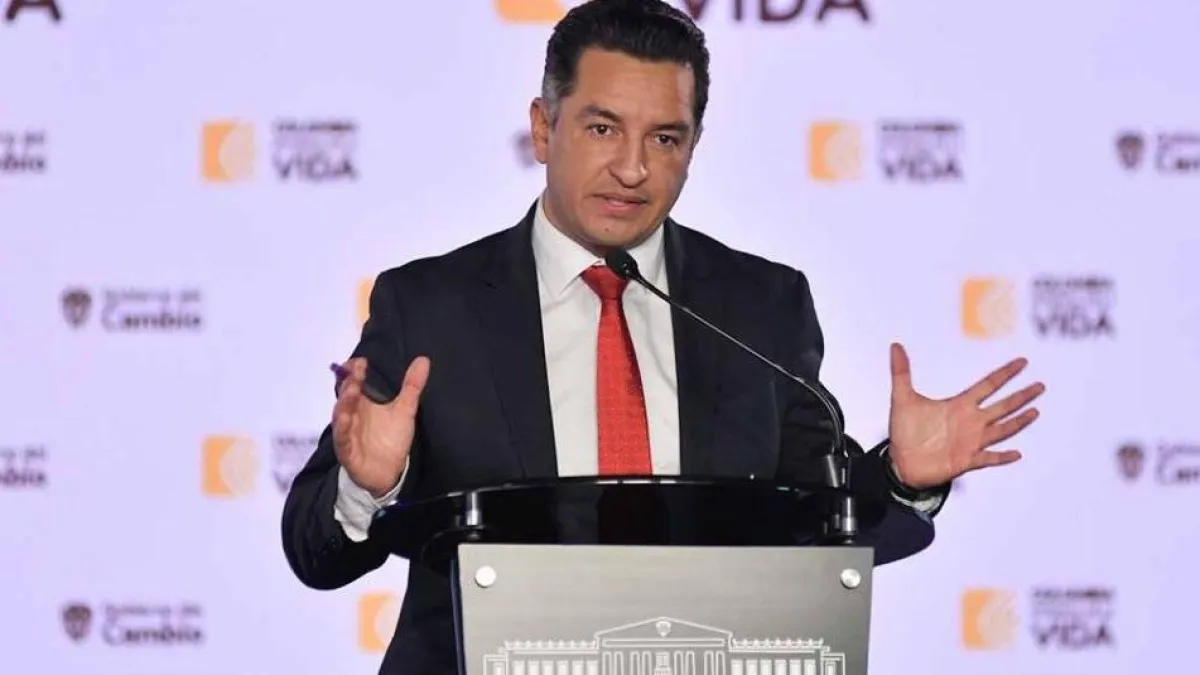
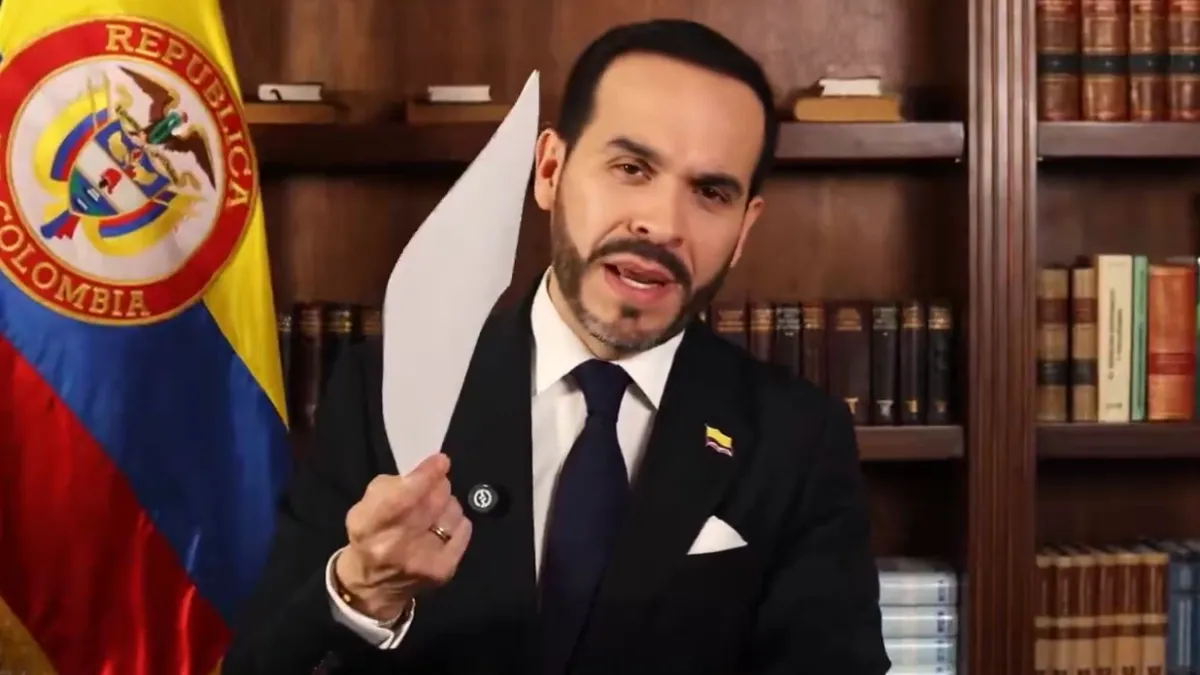
In a sweeping and uncompromising national address delivered on Sunday, September 27, 2026, Colombian President Abelardo De La Espriella presented a rigorous balance of his administration’s accomplishments and challenges during its first month in office. Speaking directly to the citizenry, the head of state focused heavily on two interlinked fronts: an aggressive nationwide security offensive targeting high-profile criminal syndicates, and an unsparing indictment of systemic corruption allegedly inherited from the previous administration led by former President Gustavo Petro.
The address underscored the administration’s dual-track policy—intensifying kinetic operations against cartels and gangs while dismantling the financial architecture underpinning illicit economies. President De La Espriella detailed critical recent milestones, including coordinated law enforcement operations in Santa Marta and La Guajira, the high-profile capture of a local operative known as "Yolima," and the strategic extradition of a major cartel figure designated as alias “Araña.”
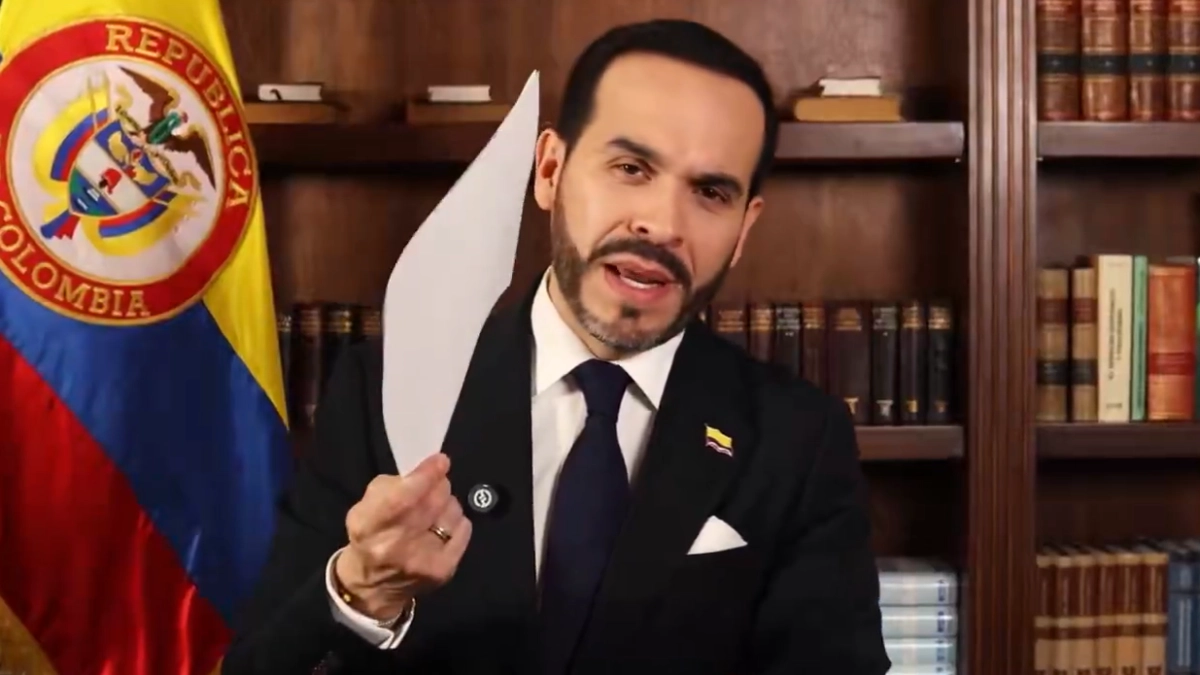
However, the core of the President’s address centered on public finance and institutional integrity. De La Espriella explicitly accused the prior government of over-indebtedness and the systematic squandering of national resources. Pointing to severe structural vulnerabilities exposed within key public entities such as the Fondo de Prestaciones Sociales del Magisterio (Fomag), the National Unit for Disaster Risk Management (UNGRD), and Fiduprevisora, the President pulled no punches, declaring that the institutional wealth of the nation had been plundered. Furthermore, he linked these massive state corruption schemes directly to illicit market liquidity, asserting that capital derived from illegal trafficking and administrative embezzlement is continually recycled through the legal economy to artificially inflate macroeconomic indicators and project a false sense of stability.
Chronology
To contextualize the trajectory of the administration’s early governance and the escalating legal fallout surrounding the previous administration, the following timeline outlines key events leading up to and during the presidential address:
- August – Early September 2026: President Abelardo De La Espriella assumes office, immediately signaling a zero-tolerance policy toward both organized crime and public sector embezzlement. Initial security directives are issued to the National Police and Armed Forces to disrupt logistical corridors in the Caribbean region.
- Mid-September 2026: Intelligence-led operations yield significant tactical victories. Security forces execute synchronized raids against criminal structures operating in Santa Marta and the department of La Guajira. Concurrently, law enforcement authorities secure the arrest of criminal figure "Yolima" and finalize the cross-border paperwork for the high-profile extradition of alias "Araña."
- September 23, 2026: Preliminary judicial announcements signal mounting pressure on former high-ranking public officials tied to ongoing legislative and administrative probes.
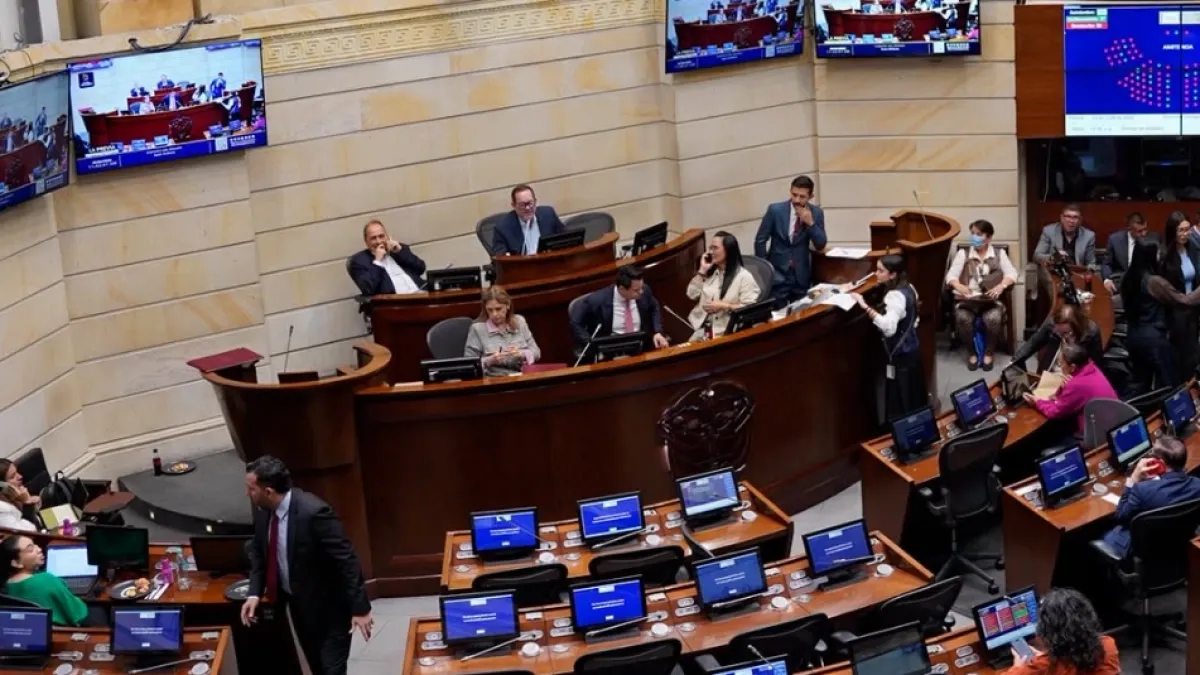
- September 27, 2026: The Council of State formally decrees the political death (muerte política) of former Senate President Iván Nane, who faces active prosecution before the Supreme Court of Justice for his alleged involvement in the sprawling UNGRD corruption scandal.
- Sunday, September 27, 2026 (Night): President De La Espriella addresses the nation via a televised monthly balance broadcast. He highlights the administrative and security victories of his first 30 days, announces the Council of State’s ruling on Iván Nane, and publicly appeals to the judiciary to leverage statutory penalty reductions for cooperating witnesses who can implicate higher-level architects of past state corruption.
Supporting Data and Financial Context
The economic dimensions of President De La Espriella’s address highlight a deeply entrenched structural problem: the symbiosis between public sector graft and private-sector illicit capital. According to administration figures and financial analysts tracking the transition, the fiscal burden left by the previous administration has severely constrained the current government’s fiscal headroom.

+-------------------------------------------------------------------------+
|                  MACRO-FINANCIAL SECTORS CITED IN ADDRESS               |
+--------------------------+----------------------------------------------+
| Affected Public Entities | Fomag, UNGRD, Fiduprevisora                  |
| Primary Fiscal Issue     | Over-indebtedness & budget depletion         |
| Illicit Capital Vector   | Drug trafficking proceeds + state kickbacks  |
| Economic Impact          | Artificial normalization of dirty capital    |
+--------------------------+----------------------------------------------+
During his address, De La Espriella elaborated on how illicit cash flows distort macroeconomic metrics. By injecting billions of pesos from drug trafficking and administrative corruption into the formal financial veins of the country, criminal networks successfully maintain a deceptive veneer of liquidity and normality.
"A those billions generated by trafficking, we must add the billions of corruption circulating within the market," the President stated. "Illicit economies irrigate the marketplace, maintaining a false appearance of economic normality that simply does not exist."
This shadow economy has complicated efforts to stabilize the national currency and service public debt obligations accumulated during the Petro administration. The exposure of funds siphoned from social security vehicles like Fomag and risk management reserves through the UNGRD has left institutional safety nets severely underfunded, necessitating emergency fiscal audits across multiple state-owned financial trusteeships.
Official Responses and Judicial Developments
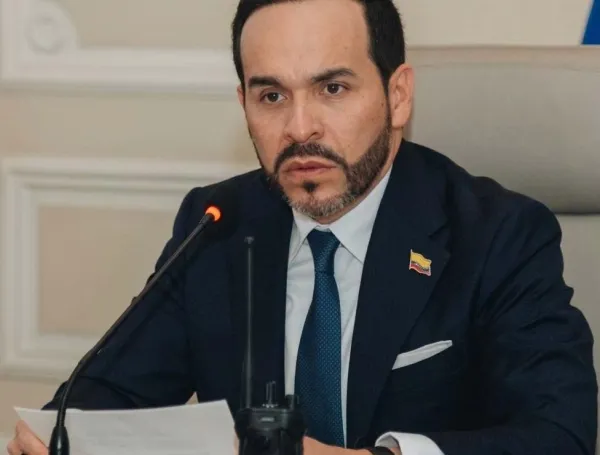
The legal ramifications of the administration’s anti-corruption drive intensified significantly on the day of the address, anchored by the Council of State’s decisive action against high-level political actors.
The Fall of Iván Nane
The President explicitly referenced the ruling handed down by the Council of State, which decreed the political death of former Senate President Iván Nane. Nane, whose political career has collapsed under the weight of active investigations by the Supreme Court of Justice, is central to the unraveling scandal surrounding the UNGRD.
"The political death—a hard and complex decision that cannot go unnoticed, that cannot continue to be normalized because it encapsulates exacerbated corruption, the corruption that Colombia experienced in the previous quadrennial," De La Espriella remarked, framing the ruling not as an isolated incident, but as a symptom of a systemic governance failure.

Plea Bargaining and Judicial Cooperation
In a strategic policy shift regarding how the judicial branch should handle mid-level perpetrators and bagmen willing to turn state’s evidence, the President issued a direct call to the courts. He urged prosecutors and judges to maximize existing legal frameworks within the Penal Code to offer substantial benefits, sentence reductions, or immunity thresholds for cooperators.
The objective, according to the executive branch, is to break the omertā surrounding the four-year legislative and administrative looting of state coffers.
"For current investigators who were part of the corruption chain of the previous government to collaborate with justice in exchange for benefits, provided they hand over the evidence so that all those who participated in the corrupt feast that defrauded Colombia in the past 4 years pay for their crimes," De La Espriella asserted. This carrot-and-stick approach aims to bypass lower-level operatives and secure actionable proof against the principal masterminds of the previous regime’s administrative scandals.

Broader Implications
The policy directions articulated by President De La Espriella during his first monthly balance carry profound political, social, and economic consequences for Colombia as it navigates the post-Petro transition.
1. Political Polarization and Institutional Trust
By directly targeting the legacy of his predecessor, De La Espriella is solidifying a narrative of institutional restoration. However, this aggressive posture risks deepening legislative polarization. While the coalition supporting the executive views these actions as overdue accountability, opposition blocs may characterize the sweeping indictments and judicial pressures as politically motivated witch hunts. The handling of cases like that of Iván Nane will serve as a bellwether for the independence and resilience of Colombia’s judicial branch.
2. Security Paradigm Shift
The simultaneous emphasis on dismantling organized crime syndicates in Caribbean strongholds (Santa Marta and La Guajira) and capturing high-value targets like "Yolima" and alias "Araña" signals a return to a robust, security-first doctrine. By pairing territorial reclamation with transnational extradition cooperation, the administration aims to reassure both domestic populations and international allies that the Colombian state maintains sovereignty over historically porous and conflict-ridden border and coastal regions.

3. Financial Rectitude and Market Realities
The administration’s focus on unmasking the facade of illicit economic normalization poses a unique challenge for financial regulators. If the state aggressively purges and audits capital flows tied to past corruption and drug money, short-term contractions in certain sectors—such as construction, luxury real estate, and informal credit markets—may occur. Nevertheless, economic policymakers argue that such a painful cleansing is mandatory to restore investor confidence, ensure long-term macroeconomic health, and protect legitimate businesses from unfair competition against subsidized criminal capital.
As the De La Espriella administration enters its second month, the benchmarks established by this address set a high bar for governance, transparency, and law enforcement efficacy. The success of this strategy will ultimately depend on the judiciary’s willingness to operationalize the President’s call for targeted plea deals without compromising due process or the rule of law.