By Global Environmental Desk
Published: September 26, 2026
Main Facts: The Inevitable Breach of the Paris Agreement
The global community must come to terms with an uncomfortable and rapidly approaching reality: the average global temperature increase is on an irreversible trajectory to surpass the critical 1.5°C threshold—the most ambitious target established by the landmark 2015 Paris Agreement. According to leading climate economists and recent environmental assessments, acknowledging this reality does not mean surrendering to climate catastrophe; rather, it demands a fundamental shift in strategy.
Governments, industries, and financial institutions must design comprehensive frameworks to manage the cascading consequences of a warmer planet. This requires an unprecedented pivot toward climate adaptation, the management of irreversible loss and damage, and the serious exploration of geoengineering, all while aggressively redoubling efforts to slash greenhouse gas (GHG) emissions.
A sobering report released by the United Nations Environment Programme (UNEP) underscores the gravity of the situation. The data indicates that even if every national government fully implements its current climate pledges, global warming is projected to reach 1.8°C by the end of this century. Worse still, if business-as-usual policies persist without enhanced ambition, planetary heating could skyrocket to 2.6°C by 2100.

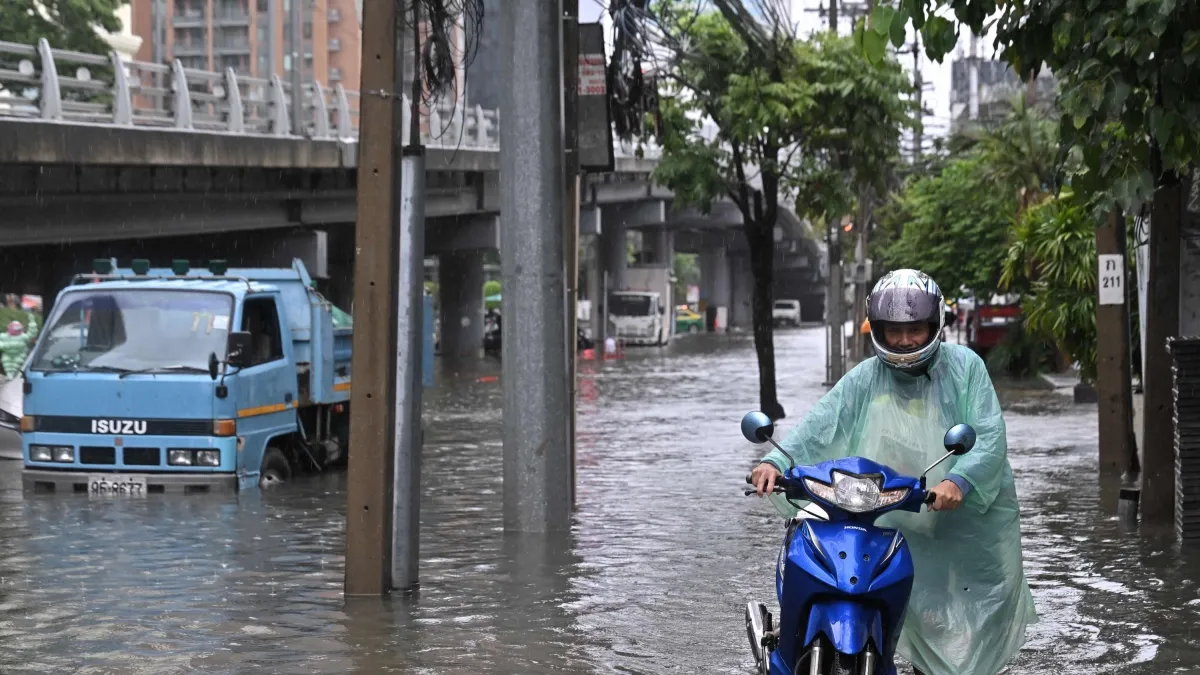
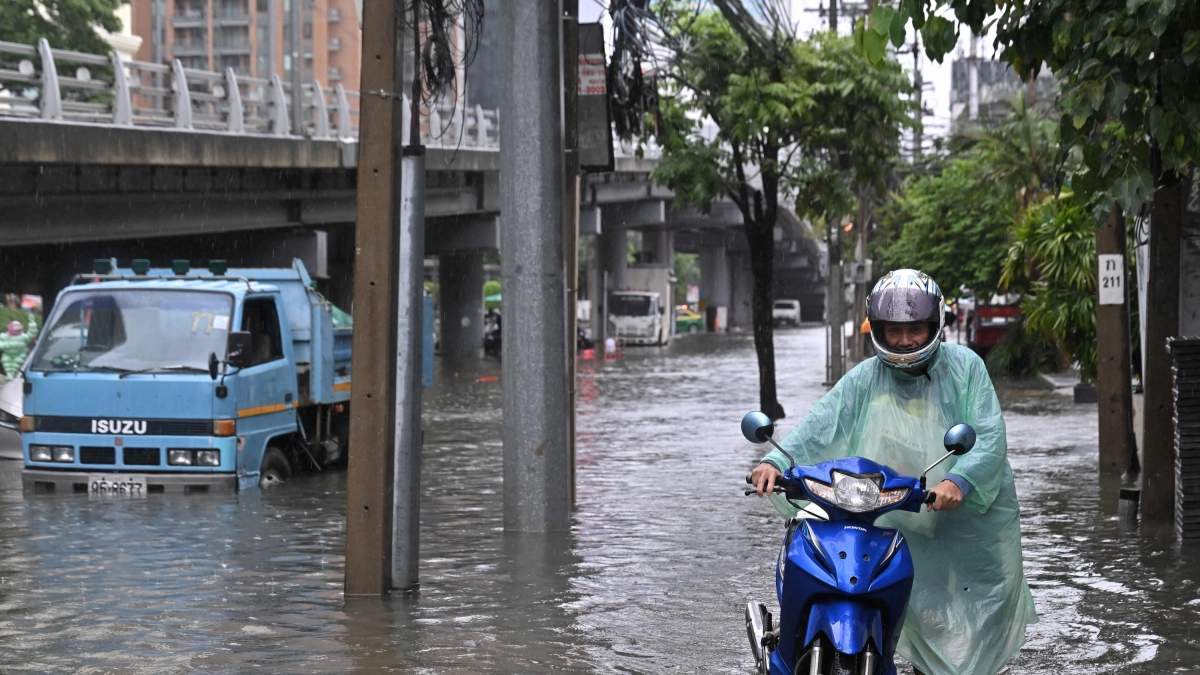
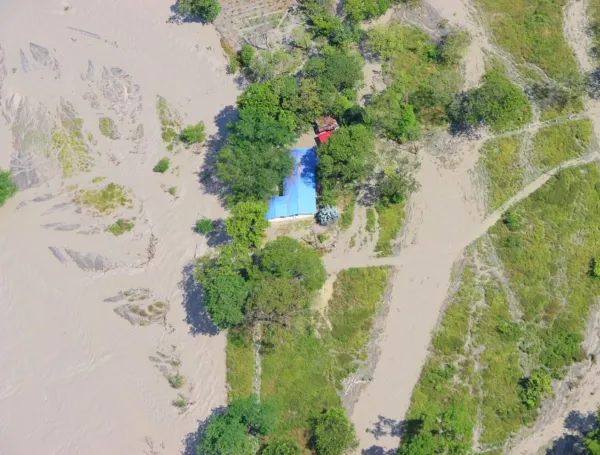
Surpassing the 1.5°C threshold will expose populations worldwide to unprecedented weather anomalies. Heatwaves will become exponentially more frequent and intense, while severe precipitation events will trigger catastrophic flooding across numerous vulnerable regions. Furthermore, breaching this threshold brings humanity perilously close to dangerous climatic "tipping points"—such as the large-scale destabilization of the Greenland and West Antarctic ice sheets—which carry existential risks for global sea levels.
Chronology: A Timeline of Escalating Climate Commitments and Realities
To understand how the global community arrived at this precarious juncture, it is essential to trace the evolution of international climate policy and the physical indicators that have marked the past decade:

- December 2015: Nations adopt the Paris Agreement at COP21, committing to pursue efforts to limit the global temperature increase to 1.5°C above pre-industrial levels.
- August 2021 – February 2022: The Intergovernmental Panel on Climate Change (IPCC) releases its Sixth Assessment Report, warning that the 1.5°C limit will likely be reached or breached in the early 2030s under all emissions scenarios.
- Throughout 2024–2025: Extreme weather events shatter historical records globally. Unprecedented droughts devastate agricultural production across South America and Africa, while severe wildfires consume millions of hectares of natural reserves in regions historically unaccustomed to such intensities, including parts of Europe and North America.
- September 2026: A succession of severe environmental alerts—ranging from shrinking river basins threatening aquatic life like manatees and dolphins to extensive forest destruction in national parks—forces governments to confront the inadequacy of current adaptation mechanisms. The UNEP releases its updated emissions gap analysis, confirming that current national policies lock the Earth into a trajectory well above safe boundaries.
- The Horizon (Post-2026): Analysts warn that the coming decades will require moving past simple "net-zero" goals into an era of "net-negative" emissions, demanding massive deployment of carbon capture technologies and planetary management strategies.
Supporting Data: The Economics of Inaction and the Cost of Resilience
While developing nations have historically borne the brunt of climate disruptions, recent extreme weather events have shattered the illusion that wealthy nations are immune. Even advanced economies like the United Kingdom have demonstrated a troubling lack of preparedness for climate risks that are already materializing.
The physical science governing the climate is absolute: temperatures will continue to rise, and negative impacts will compound until global greenhouse gas emissions reach absolute net zero and atmospheric concentrations stabilize.

Financial Realities and the Cost of Adaptation
As global temperatures climb past 1.5°C, financial demands will shift dramatically:
- Infrastructure Outlays: Investments must pour into hard adaptation measures, ranging from robust coastal defenses against rising sea levels to the development of drought-resilient agricultural crop varieties.
- Capital Reallocation: These adaptation investments will require funding far exceeding the initial financial commitments outlined in the original Paris Agreement framework.
- The Cost of Delay: The longer society delays reaching net-zero emissions, the exponentially higher the adaptation and recovery costs will climb. Mitigating these costs requires massive, front-loaded capital deployment into renewable energy, electric mobility, and hard-to-abate sectors like maritime and aviation transport.
The Fossil Fuel Dilemma
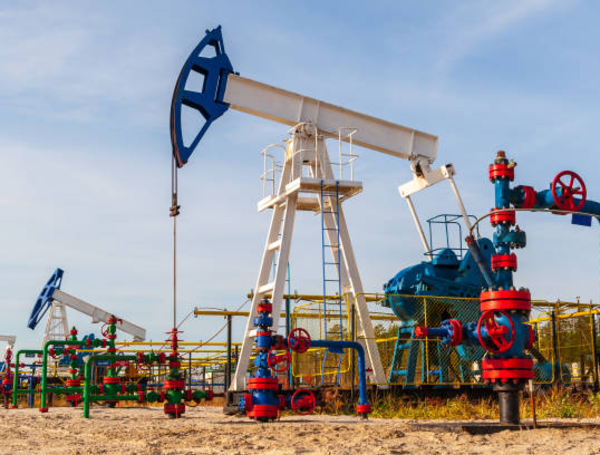
Despite the exponential growth of clean technology investments, many fossil fuel producers continue to expand the extraction of oil, gas, and coal reserves. According to projections from the International Energy Agency (IEA), strictly limiting warming to 1.5°C necessitates the immediate prohibition of new fossil fuel extraction projects.
Consequently, managing the climate crisis will inevitably render vast amounts of fossil fuel infrastructure obsolete. This transition poses a direct financial shock to investors who continue to prioritize high-emission assets over sustainable alternatives. Furthermore, the economic vulnerability tied to volatile international fossil fuel markets—characterized by violent geopolitical conflicts and erratic pricing—contrasts sharply with clean energy, which has become cheaper than polluting alternatives across the vast majority of the globe.
Official Responses and Expert Analysis
Renowned climate economist and former Chief Economist of the World Bank, Professor Nicholas Stern, emphasizes that the transition to sustainable economies is dictated by physics, not political ideology.

"The world must confront the reality of a warming planet," Stern notes. "Not meeting the Paris Agreement targets forces us into a reactive posture, where scarce resources must be diverted away from prevention and poured entirely into adaptation, resilience, and damage management."
International bodies, including the United Nations and various environmental ministries, echo this sentiment. They stress that while adaptation is crucial, it possesses strict physical and socio-economic limits. Crossing major climate thresholds could generate conditions so hostile that socio-economic development goes into reverse, driving hundreds of millions of climate refugees across borders despite localized adaptation efforts.
Governments are increasingly forced to implement emergency measures—such as aerial surveillance of critical watersheds, stricter penalties for environmental arsonists causing massive forest fires, and emergency water-level management to protect endangered river ecosystems. Yet, institutional responses often lag behind the exponential acceleration of environmental degradation.
Implications: Moving Toward Negative Emissions and Geoengineering
Mitigating and eventually reversing a temperature overshoot beyond 1.5°C will require a paradigm shift in atmospheric management. Achieving net-zero emissions is no longer sufficient; humanity must ultimately transition toward net-negative emissions. This means extracting significantly more carbon dioxide out of the atmosphere than is emitted into it.
The Limits of Nature and the Rise of Technology
While natural carbon sinks—such as tropical rainforests, peatlands, and oceans—are vital, they lack the total capacity required to absorb the sheer volume of excess atmospheric carbon. Closing this monumental gap will demand trillions of dollars in investment toward artificial carbon capture and storage (CCS) technologies capable of scrubbing billions of tons of CO2 directly from the air.
The Ethical Quagmire of Geoengineering
Beyond carbon removal, the scientific and policy communities are being forced to seriously evaluate deliberate planetary interventions, or geoengineering. This includes solar radiation management (SRM) techniques designed to reflect a fraction of incoming solar energy away from the Earth’s surface.

However, experts issue severe warnings regarding the ethical and ecological risks of such technologies:
- Ocean Acidification: Artificially cooling the planet via solar reflection while maintaining high atmospheric concentrations of CO2 will continue to drive catastrophic ocean acidification, threatening marine ecosystems and global food webs.
- Unintended Meteorological Shifts: Altering the Earth’s albedo could inadvertently disrupt monsoonal patterns, agricultural cycles, and regional precipitation maps, potentially triggering geopolitical conflicts over water and food security.
Conclusion
The coming decades will be defined by profound economic opportunities tied to the green transition, but they will equally be shadowed by grave dangers born of historical inaction. As Nicholas Stern warns, humanity must confront its new climatic reality with urgency, precision, and capital commitment before we cross yet another irreversible and perilous threshold.