As the much-anticipated October school recess approaches, families across Colombia are actively seeking ideal destinations to unwind, escape the urban routine, and create lasting memories together. Scheduled for October 5 to October 12, 2026, according to the national academic calendar, this week-long pause provides the perfect window for short getaways.
While traditional hotspots like Villa de Leyva or Paipa frequently dominate tourist itineraries, the department of Boyacá harbors a wealth of lesser-known municipalities that offer rich cultural, natural, and gastronomic experiences. According to data provided by the Sistema de Información Turística de Boyacá (SITUR), exploring these alternative destinations allows travelers to sidestep common tourist congestion while immersing themselves in authentic local traditions.
For families seeking a blend of nature, architecture, local craftsmanship, and deep relaxation without enduring exhausting travel logistics, three distinct towns stand out: Tibasosa, Tenza, and Zetaquira.
Main Facts
- Event: National school recess week in Colombia.
- Dates: October 5 through October 12, 2026.
- Destination: Department of Boyacá, Colombia.
- Recommended Municipalities (per SITUR):
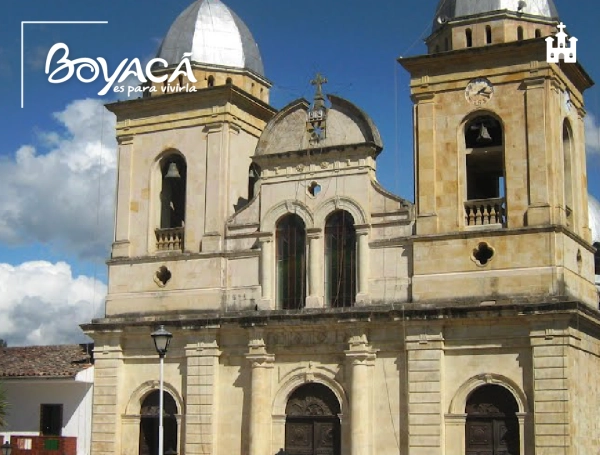
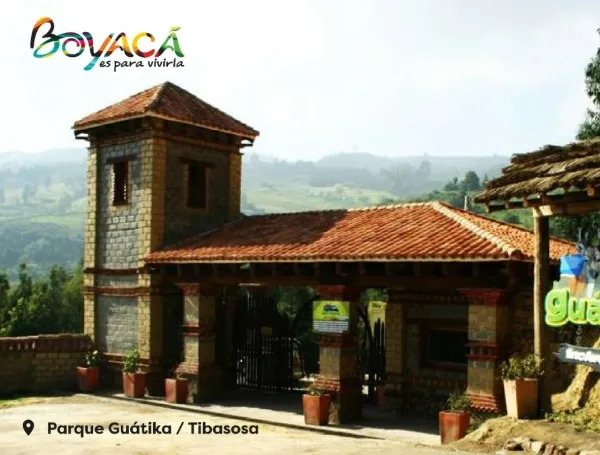
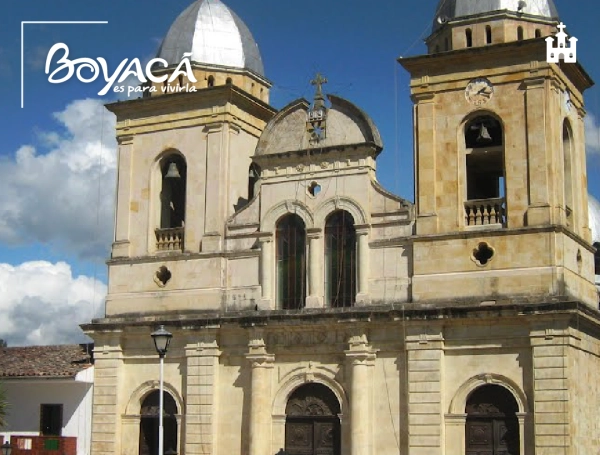
- Tibasosa: Renowned as the "Garden of Boyacá," famed for colonial architecture, colorful gardens, and feijoa-based products.
- Tenza: Twice recognized as the "most beautiful municipality in Boyacá," celebrated for pre-Columbian Muisca heritage and intricate artisanal traditions using mimbre, guadua, and horsehair.
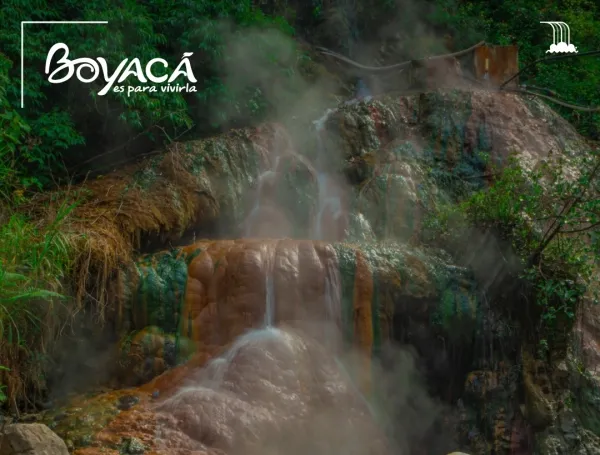
- Zetaquira: A sanctuary for wellness tourism in the Eastern Cordillera foothills, boasting 32 natural sweet-water thermal springs, cascading waterfalls, and lush mountain landscapes.
- Objective: To provide families with sustainable, enriching, and uncrowded alternatives for the upcoming school break, promoting local tourism and regional heritage.
Chronology of the Tourism Shift in Boyacá
Understanding how these specific destinations emerged as prime recommendations requires examining the evolution of domestic tourism trends in the Andean region.

- Pre-Columbian Era: The territories encompassing modern-day Boyacá were deeply shaped by indigenous communities, notably the Muisca civilization. Names such as Tenza (signifying "to descend at night") and the ancestral paths crossing the high Andean páramos established a historical foundation deeply tied to the geography.
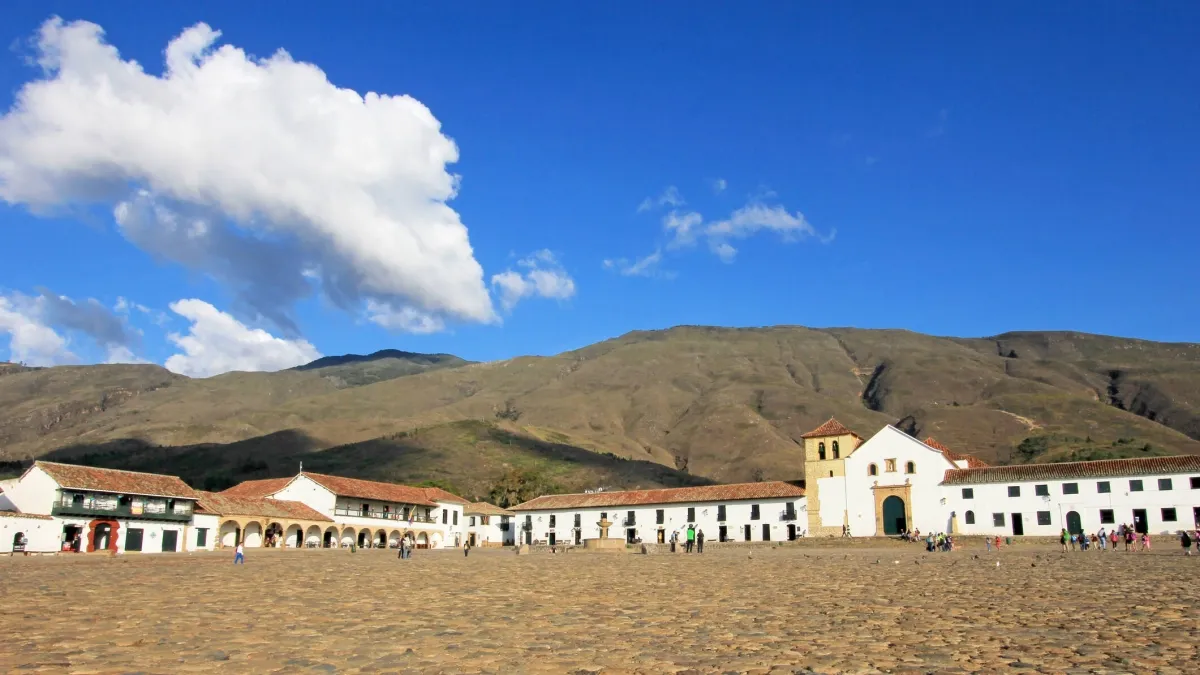
- The Colonial Period: Spanish colonization introduced the grid-layout urban planning, whitewashed adobe walls, and distinctive architectural styles that characterize the historic centers of towns like Tibasosa and Tenza today. Religious monuments and civic plazas were established, many of which are now officially recognized as National Monuments.
- Mid-20th to Late 20th Century: For decades, tourism in Boyacá was largely localized or centered strictly around major historical landmarks tied to the Independence route (such as the Boyacá Bridge) or religious pilgrimage sites. Smaller towns relied almost exclusively on agriculture, local handicrafts, and subsistence farming.
- Early 2000s – Establishment of SITUR: Recognizing the untapped potential of rural and secondary municipalities, regional authorities established the Tourism Information System of Boyacá (SITUR). This body began systematically cataloging cultural assets, ecological routes, and micro-enterprises, paving the way for targeted promotional campaigns.
- 2025–2026 Shift Toward Sustainable Family Travel: With post-pandemic travel habits shifting away from mass tourism toward nature-centric, educational, and uncrowded destinations, agencies like SITUR heavily promoted municipalities that offer holistic experiences—combining eco-tourism, local gastronomy, and heritage conservation—just in time for academic recess cycles.
Supporting Data and Regional Metrics
To evaluate the viability and appeal of these destinations for family travel during the 2026 October recess, tourism analysts look closely at infrastructure, regional offerings, and demographic suitability.
Comparative Overview of the Three Destinations
| Municipality | Primary Attraction | Notable Ecological Feature | Signature Culinary / Craft Product | Recommended For |
|---|---|---|---|---|
| Tibasosa | Colonial streetscapes & flower-adorned facades | Guática Páramo | Feijoa derivatives (wine, sweets, pastries) | Families seeking gentle hikes, photography, and culinary exploration. |
| Tenza | Historical architecture & Muisca heritage | Andean valleys & historic pathways | Handcrafted items in mimbre, guadua, fique, and horsehair | Culture enthusiasts, history buffs, and art-collecting families. |
| Zetaquira | Thermal wellness & water landscapes | Eastern Cordillera piedemonte, 32 thermal springs | Natural spring waters, organic agriculture | Families focused purely on rest, physical relaxation, and eco-adventure. |
According to regional tourism reports, travel times from major urban centers like Bogotá to these municipalities average between three to four and a half hours, making them highly practical for families with children who wish to maximize their vacation days without enduring grueling transit hours. Furthermore, the economic impact of directing visitors toward towns like Tenza and Zetaquira directly supports rural artisans and small, family-run hospitality ventures.

Official Responses and Expert Perspectives
Regional authorities and tourism bodies have actively endorsed these secondary destinations as part of a broader strategy to decentralize tourism and foster sustainable regional development.
In recent communications released via the Sistema de Información Turística de Boyacá (SITUR), spokespersons emphasized the importance of looking beyond traditional routes:
"Boyacá offers an infinite mosaic of micro-climates, histories, and cultural expressions. Destinations like Tibasosa, Tenza, and Zetaquira represent the living heritage of our department. They allow families to step out of the daily urban rhythm and connect with nature and community roots in a meaningful way during the school break."
Local cultural coordinators in Tenza have similarly highlighted the educational value of visiting these towns with school-aged children. Because the upcoming October break coincides with a period when students are developing foundational understandings of Colombian history, geography, and biodiversity, experiential learning takes center stage. Walking through towns whose names bear indigenous etymologies and observing master artisans weave intricate patterns using ancestral techniques provides an invaluable living classroom.

Environmental managers in Zetaquira have underscored the fragile yet resilient nature of the Andean piedmont ecosystem. Authorities continuously remind incoming visitors of the collective responsibility to preserve natural thermal water sources and respect local flora and fauna during their recreational stays.
Implications for Families and the Local Economy
Choosing an alternative destination for the October 2026 school recess carries multifaceted implications—both for the vacationing families and for the socio-economic fabric of Boyacá.
1. Educational Enrichment for Children
Traveling to towns rich in history and biodiversity offers a practical counterweight to classroom learning. In Tibasosa, children can observe firsthand high-altitude ecosystems (páramos) and learn about agricultural diversification through the cultivation and transformation of the feijoa fruit. In Tenza, the transmission of artisanal techniques across generations demonstrates the enduring resilience of indigenous and colonial art forms.
2. Economic Decentralization and Community Tourism
For decades, tourism revenues in Boyacá have concentrated heavily on a handful of well-known cities. By directing family vacation budgets toward municipalities like Zetaquira and Tenza, travelers directly stimulate local micro-economies. Family-run restaurants, boutique eco-lodges, local guides, and independent craftspeople benefit directly from the influx of visitors during the October recess. This grassroots economic support helps curb rural-to-urban migration by making local trades financially viable for younger generations.
3. Wellness and Mental Health Reset
Modern family life is frequently characterized by intense academic pressures, digital saturation, and fast-paced schedules. The natural geography of Boyacá—ranging from the misty heights of the Guática Páramo to the therapeutic, mineral-rich thermal springs of Zetaquira—provides an ideal environment for psychological and physical decompression. Unplugging in nature allows parents and children alike to reset their biological rhythms, engage in outdoor physical activity, and foster deeper interpersonal connections away from screens.
4. Sustainable Travel Challenges
As secondary destinations gain visibility through platforms like SITUR and regional journalism, local authorities face the ongoing challenge of managing carrying capacities. Ensuring that waste management, water conservation, and heritage preservation keep pace with tourist growth is critical. Families planning their October getaways are encouraged to practice responsible tourism: respecting designated trails, supporting fair trade with local artisans, and minimizing single-use plastics.
Practical Guide for Travelers: Planning Your October 2026 Trip
For families ready to organize their itinerary for the upcoming October 5–12 school break, keeping a few logistics in mind will ensure a seamless experience:
- Transportation: While accessible via regional bus networks, traveling by car offers the greatest flexibility, particularly when moving between rural attractions like the waterfalls of Zetaquira or the outlying viewpoints of Tibasosa.
- Accommodation: Booking well in advance is recommended, as charming boutique hotels, restored colonial houses, and eco-lodges in towns like Tibasosa and Tenza maintain intimate capacities.
- Packing Essentials: Given Boyacá’s diverse micro-climates, families should pack layers. Mornings can be crisp and cool, especially near the páramos, while afternoons often feature bright Andean sun. Rain gear is also advisable for outdoor hikes and waterfall explorations.
- Local Etiquette: Engage respectfully with community members, support local artisan markets directly, and take time to converse with local guides to fully absorb the rich historical narratives woven into the fabric of these remarkable Boyacense towns.