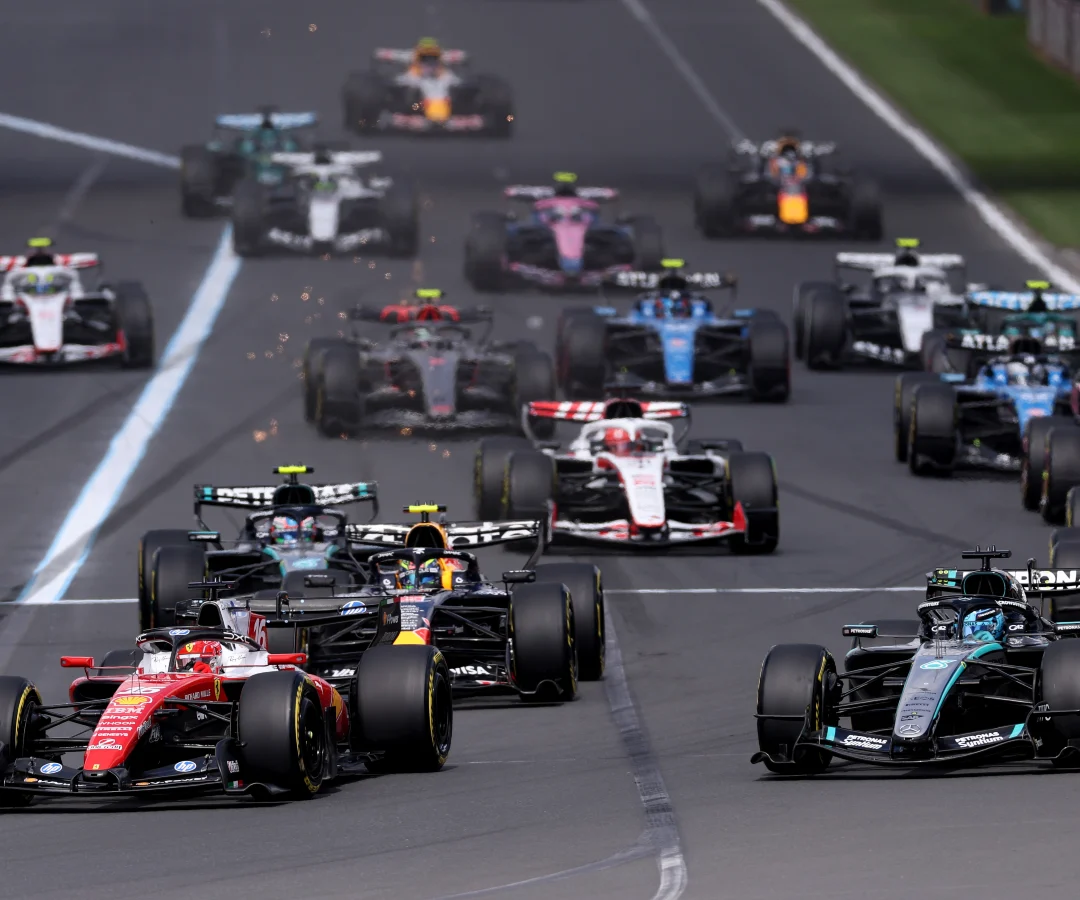
LONDON — In a sweeping series of regulatory changes aimed at modernizing the sport, aligning with next-generation power units, and safeguarding the viewing experience for millions of fans worldwide, the Formula 1 Commission has officially greenlit a comprehensive package of sporting and technical modifications. Convening at the headquarters of the Fédération Internationale de l’Automobile (FIA) in London on Monday, key stakeholders—including team principals, commercial rights holders, and governing body officials—voted through critical amendments that will fundamentally reshape the landscape of Grand Prix racing beginning in the 2027 season.
Chief among the announcements is a historic reduction in standard race distances, a complete restructuring of race duration limits, heightened flexibility for disrupted practice sessions, and the elimination of gearbox homologation requirements. According to the governing body, these synchronized updates are designed to future-proof the pinnacle of motorsport, ensuring that Formula 1 remains agile, sustainable, and intensely competitive in an era of rapid technological transition.
Main Facts
The package of reforms approved by the F1 Commission introduces several sweeping changes to the FIA Formula One World Championship, set to take effect for the 2027 season:
- Reduction of Race Distance: The traditional standard Grand Prix distance will be reduced from 305 kilometers to 290 kilometers. This adjustment will result in races being shortened by approximately two to three laps, depending on the specific circuit layout.
- Overhaul of Time Limits: The existing three-hour maximum window from the initial start to the final chequered flag—which previously encompassed red-flag delays caused by extreme weather, heavy crashes, or track repairs—has been entirely eliminated.
- New Two-Tier Duration Structure: While the effective on-track racing time will maintain a strict two-hour limit, the FIA will introduce a definitive one-hour fixed cut-off for the conclusion of competitive track activity in scenarios plagued by prolonged interruptions.
- Practice Session Flexibility: Circuit promoters and race organizers will now be granted significantly enhanced operational flexibility to extend free practice sessions if track time is lost due to accidents or adverse weather conditions.
- Abolition of Gearbox Homologation: Moving to foster greater technical innovation and relieve development constraints, the rigid homologation of gearboxes will be scrapped from 2027 onward, restoring complete developmental freedom to power unit and component suppliers.
Chronology of the Decision: The Road to 2027
The journey toward the 2027 regulatory reset has been unfolding behind closed doors for months, driven by the convergence of major engine regulation overhauls, aerodynamic targets, and logistical lessons learned from past race-day logistical bottlenecks.
Early 2024: The Genesis of the 2027 Power Unit Framework
The foundational catalyst for Monday’s decisions was laid years in advance when the FIA ratified the technical regulations for the 2027 power units. These upcoming engines—featuring a 50-50 split between internal combustion and electrical power, alongside 100% sustainable fuels—necessitated a granular review of fuel flow dynamics and onboard energy consumption. Engineers quickly realized that maintaining the historical 305-kilometer Grand Prix distance under the new fuel flow constraints would impose severe, artificial limitations on racing speeds and engine mapping.
Mid-2024 to Late 2025: Working Groups and Advisory Committees
Throughout the 2024 and 2025 FIA Sporting and Technical Advisory Committee meetings, teams, aerodynamicists, and power unit manufacturers analyzed simulations regarding fuel loads, chassis weights, and safety car periods. The committees gradually built a consensus that a minor reduction in total race mileage was not only necessary for technical harmony but would also positively impact logistical turnaround times for teams facing hyper-tight triple-header calendar schedules.
The Autumn 2025 Logistics Review
A critical inflection point arrived following several disrupted grands prix in recent seasons, where torrential downpours or barrier repairs pushed race meetings to the absolute edge of the codified three-hour regulatory window. Broadcasters and fans alike expressed frustration over prolonged safety car processions, rolling starts delayed by bureaucratic timers, and races truncated unceremoniously without reaching their full sporting distance. The Sporting Advisory Committee drafted proposals to divorce the "event window" from the "racing window," laying the groundwork for the dual time-limit structure approved this week.
Monday, London Summit: Formal Ratification
The culmination of these multi-year studies arrived on Monday at the FIA’s London offices. The F1 Commission—comprising the FIA, FOM (Formula One Management), and all ten competing constructor teams—reviewed the finalized drafts. Following constructive debate, the commission unanimously or by strong majority voted to adopt the 2027 changes, issuing an immediate joint communique detailing the shifts.
Supporting Data and Technical Context
To fully understand the magnitude of the F1 Commission’s decisions, it is essential to examine the underlying metrics, physics, and regulatory frameworks governing modern Formula 1 weekends.
The Mathematics of Mileage: 305km vs. 290km
Since 1950, Formula 1 has grappled with defining the ideal Grand Prix distance. For decades, the standard was anchored around a minimum of 300 kilometers (plus the distance needed to complete the final lap upon crossing the threshold), later standardized to 305 kilometers for almost all rounds (with Monaco famously grandfathered in at 260 kilometers due to its unique street circuit geography).
- Current Standard (305 km): Typically translates to between 50 and 78 laps depending on the track length (e.g., 51 laps at Monza, 78 at Monaco, 58 at Melbourne).
- New 2027 Standard (290 km): Reduces the overall mileage by precisely 15 kilometers per race.
- Impact on Laps: This translates directly to a reduction of roughly 2 to 3 laps per grand prix. For example, a circuit requiring 57 laps under current regulations will see its race distance shortened to approximately 54 or 55 laps.
The FIA explicitly noted that this change was calculated in direct alignment with the forthcoming 2027 power unit regulations regarding fuel flow parameters. Because the next-generation engines will generate substantially more electrical energy and rely on advanced drop-in sustainable fuels, reducing the total distance ensures that drivers can push at maximum qualifying-style output for a greater percentage of the race without being forced into extreme fuel-saving lift-and-coast modes.
Deconstructing the Time Limits
Under current Article 5.4 of the FIA Formula One Sporting Regulations, a race cannot exceed a total elapsed time of three hours from the initial start signal (formation lap) to the final chequered flag, even if the race is suspended by a red flag. If rain or accidents cause a prolonged stoppage, the three-hour clock keeps ticking mercilessly. This has frequently led to farcical situations where races are called prematurely with half-points awarded, leaving fans in the grandstands and millions at home short-changed.
The newly approved framework completely dismantles this archaic structure by implementing a two-tier system:
- Effective Racing Time (2 Hours): The actual duration of active racing (excluding red flag stoppages where cars are parked in the pit lane) remains capped at two hours.
- Fixed Activity Cut-Off (1 Hour Post-Interruption): In the event of a red flag stoppage, a fixed one-hour operational window will govern the conclusion of track activities. This guarantees that event organizers have a predictable, legally sound boundary to restart the race, while respecting local curfew laws, television broadcast windows, and marshals’ shift limits.
Gearbox Homologation Deregulation
In a major win for engineering departments, the stringent gearbox homologation rules—introduced during the cost-cap era to restrict excessive R&D spending—will be retired at the end of 2026.
Since 2022, teams have been heavily restricted in how many times they could redesign or modify gearbox casings, internal ratios, and differential layouts. While successful in reining in costs during the post-pandemic economic recovery, the rule has stifled packaging innovation. By lifting this restriction from 2027, the FIA aims to give suppliers—particularly independent power unit and transmission manufacturers—the freedom to optimize packaging, weight distribution, and mechanical reliability to suit the compact chassis architectures required by the 2027 rules.
Official Responses and Stakeholder Reactions
The announcement of the 2027 regulatory updates has generated widespread commentary across the paddock, drawing praise from sports entertainment executives, team bosses, and regulatory chiefs alike.
The FIA: Prioritizing the Spectator Experience
In its official post-meeting press statement, the FIA placed fan engagement at the absolute center of its rationale, particularly regarding the overhaul of red-flag procedures:
"The objective is to offer spectators the best possible opportunity to enjoy a complete race when there are interruptions," the FIA stated.
Governing body officials emphasized that modern sports entertainment demands reliability in scheduling and completeness in athletic contest delivery. By removing the ticking three-hour time bomb that previously forced abrupt race terminations, the FIA believes it has struck a delicate balance between safety, sporting integrity, and broadcast commercial obligations.
Team Principals and Technical Directors
Reaction from the team garages has been largely pragmatic and optimistic. Several technical directors praised the removal of gearbox homologation, noting that the previous rules had created unintended bottlenecks in rear-end packaging.
- "When you are designing a car around a brand-new power unit architecture for 2027, tying our hands with legacy gearbox casing designs was becoming an engineering nightmare," said the technical director of a major championship-contending team, speaking on condition of anonymity. "Lifting the homologation gives us the canvas we need to build efficient, lightweight cars."
- Regarding the shorter 290km distance, drivers and strategists have welcomed the move. Several prominent drivers have noted over the years that modern Formula 1 cars are exceptionally heavy due to hybrid power units and safety structures; reducing race mileage by 15 kilometers will slightly alleviate physical strain while promoting higher average racing intensity.
Circuit Promoters and Broadcasters
Circuit promoters heavily endorsed the new flexibility granted for free practice sessions. In the past, if a morning practice session was completely red-flagged due to a massive crash or torrential downpour, promoters had zero legal leeway within the strict FIA timetable to extend the session, leaving ticketholders feeling deprived of track action. The new discretionary powers allow promoters to adapt to local weather anomalies, ensuring fans get their money’s worth even on Fridays.
Implications for the Future of Formula 1
The decisions ratified in London on Monday are far more than minor tweaks to a rulebook; they represent a holistic philosophy shift in how Formula 1 manages its product on a global stage.
1. Enhanced Resilience Against Weather Disruptions
The ghost of past controversies—such as the rain-soaked, truncated 2021 Belgian Grand Prix at Spa-Francorchamps, where two laps behind the safety car constituted a "race"—hangs heavy over modern F1 governance. The introduction of the clear, two-tiered time limit ensures that future race directors have the operational runway required to wait out bad weather, clean up major accidents, and still deliver a genuine, green-flag race to completion. This directly protects the sporting credibility of the championship against external disruptions.
2. Tailoring to Next-Gen Powertrains
By bringing race distances down to 290 kilometers in tandem with the 2027 fuel-flow regulations, the FIA is ensuring that the racing remains uncompromised. If distances had remained at 305km under the new high-voltage electrical and sustainable fuel regimes, cars might have been forced into defensive, hyper-conservative energy management modes that detract from the visual spectacle of flat-out racing. The reduction guarantees that drivers can attack from lights out to the chequered flag.
3. Fostering Technological Ingenuity
The deregulation of gearbox design signals a mature evolution of the cost-cap era. While financial restraint remains a foundational pillar of modern Formula 1, the governing body has recognized that over-regulation can stifle the core DNA of the sport: engineering excellence. By freeing up gearbox development, independent suppliers and works teams alike can discover performance differentiators that could influence not only F1 track success but also trickle-down automotive road car technology.
4. Elevating the Fan Value Proposition
Ultimately, every regulation approved by the F1 Commission passes through a singular filter: how it impacts the global audience. From the fan in the grandstand whose Friday practice is saved by a time-extension, to the television viewer across the globe who will no longer see a race abruptly canceled by an arbitrary three-hour clock, these changes place the consumer experience at the very heart of the sport’s long-term commercial strategy.
As Formula 1 continues its unprecedented global boom in popularity, the forward-thinking reforms ratified in London prove that the sport’s leadership is unwilling to rest on its laurels. By proactively adapting to the technical and logistical realities of 2027 and beyond, the FIA, FOM, and the teams are laying the groundwork for a faster, safer, and infinitely more resilient golden era of Grand Prix racing.