Main Facts
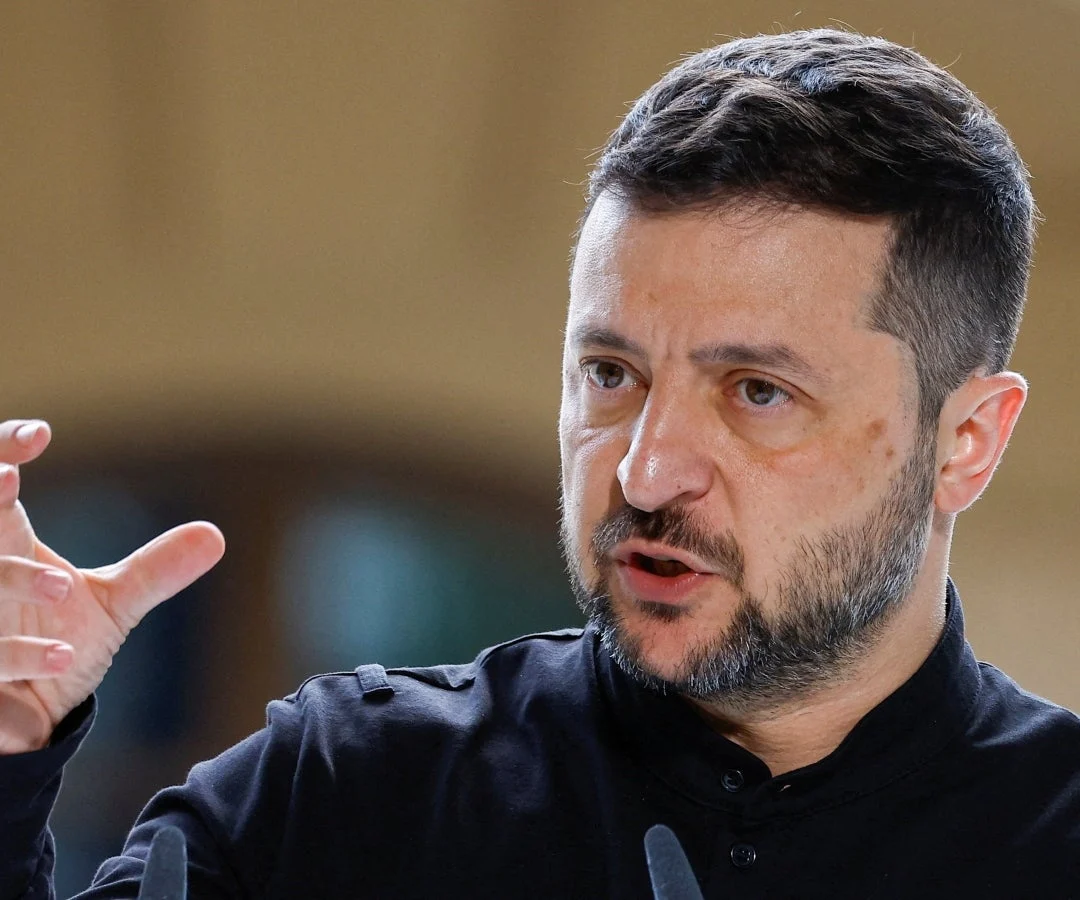
Ukrainian President Volodymyr Zelenskyy has announced that he will hold a high-stakes, in-person meeting with United States President Donald Trump on the sidelines of the United Nations General Assembly (UNGA) in New York. The announcement follows what the Ukrainian leader described as an "important conversation" via digital channels—a dialogue that Zelenskyy cryptically suggested could "change many things" regarding the trajectory of the ongoing war and international support for Kyiv.
The impending summit arrives at a critical juncture for Ukraine. The nation is currently grappling with a severe deterioration of its security situation as Russian forces relentlessly intensify drone and missile campaigns targeting both frontline positions and critical national infrastructure. Amid mounting military pressures, Kyiv is actively seeking to fortify its diplomatic alliances, secure vital military hardware—particularly high-end air defense systems—and explore nascent diplomatic pathways aimed at de-escalating the nearly half-decade-long conflict.
The diplomatic landscape has grown increasingly intricate in recent weeks. Senior American emissaries, including Jared Kushner and Steve Witkoff, recently traveled to both Kyiv and Moscow in a concerted effort to jumpstart stalled peace negotiations. While these back-channel discussions have thus far failed to yield a breakthrough, Zelenskyy has publicly expressed gratitude for the envoys’ visit, noting that "there is diplomatic momentum" and that viable frameworks are being reviewed. These include measures focused on structural de-escalation, energy security, food security, and the overarching protection of human lives.
However, this renewed diplomatic engagement unfolds against a backdrop of diplomatic friction between Washington and Kyiv. Relations have grown strained following demands from President Trump that Ukraine halt its strategic drone attacks on Russian oil refineries—strikes that have successfully paralyzed significant portions of Moscow’s diesel production capacity but have simultaneously driven global fuel prices to record highs. Despite reported understandings regarding a mutual cessation of energy infrastructure attacks, hostilities on the ground persist, highlighted by a massive overnight drone strike on a Moscow oil facility, which Russian military officials confirmed as one of the largest airborne assaults of the year.
Chronology of Events
To understand the current diplomatic urgency and military recalibration, it is essential to trace the sequence of events that has defined the past several weeks of the conflict:
- Early September: Reports from Western intelligence and diplomatic sources indicate a growing consensus among European and American officials that the war in Ukraine will inevitably extend well into the coming year, dampening immediate hopes for a swift negotiated settlement.
- Mid-September: Envoys Jared Kushner and Steve Witkoff embark on a sensitive diplomatic mission, traveling to Kyiv to meet with President Zelenskyy and subsequently to Moscow to engage with Russian counterparts. The objective is to test the waters for renewed peace talks and propose framework ideas addressing security and energy stability.
- Two Weeks Prior to UNGA Announcement: President Trump publicly asserts that an informal agreement has been reached between Washington, Kyiv, and Moscow to cease targeted strikes on energy infrastructure. However, operational realities on the ground contradict this diplomatic optimism.
- The Recent Escalation: Ukrainian forces launch a massive overnight drone assault targeting a major oil refinery in the Moscow region. The Russian Ministry of Defense flags this as the largest domestic refinery attack by Ukraine this calendar year, causing substantial structural and operational damage.
- Days Prior to the Announcement: President Zelenskyy takes to social media platform X to formally disclose his recent "important conversation" with Donald Trump, laying the groundwork for an official face-to-face bilateral meeting during the upcoming United Nations General Assembly in New York.
- Current Status: European allies mobilize efforts to acquire and transfer U.S.-manufactured Patriot air defense batteries to Ukraine, anticipating a severe intensification of Russian winter bombardment campaigns.
Supporting Data and Strategic Realities
The urgency driving President Zelenskyy’s pursuit of a breakthrough meeting with Donald Trump is rooted in hard data and rapidly shifting military metrics on the ground:
- Duration of Hostilities: The large-scale invasion and subsequent war have now spanned five grueling years, exhausting both state treasuries and societal resilience within Ukraine while straining Western donor fatigue.
- Air Defense Depletion: Ukraine’s air defense architecture is facing an existential crisis. The nation is rapidly depleting its stockpiles of sophisticated, highly effective, but astronomically expensive American-made Patriot interceptors. These missiles represent Kyiv’s premier defense against ballistic and hypersonic missile volleys.
- Economic and Energy Warfare: Ukrainian strategic drone operations have targeted more than a dozen Russian oil refineries and fuel depots over the past year. These targeted strikes have temporarily crippled substantial segments of Russia’s diesel export and domestic refining capabilities. According to energy sector analysts, these actions played a measurable role in pushing international fuel prices to historic peaks.
- Diplomatic and Military Deadlock: According to assessments from European and U.S. officials familiar with the recent diplomatic missions of Kushner and Witkoff, weekend talks in both Moscow and Kyiv failed to secure any substantive concessions from either belligerent party, reinforcing the reality of a protracted war of attrition.
- Winter Preparedness: Recognizing the impending vulnerability of Ukraine’s power grid and civilian centers to Russian winter missile campaigns, several European governments have accelerated multi-lateral plans to independently purchase and deploy U.S. Patriot systems to reinforce Ukrainian air defenses.
Official Responses and Stakeholder Positions
The multi-layered dynamics of the conflict have elicited distinct, and at times contradictory, responses from the key global actors involved:
The Ukrainian Perspective
President Volodymyr Zelenskyy and his administration maintain that while they are open to viable diplomatic pathways, national survival remains paramount. Zelenskyy has emphasized that any de-escalation must comprehensively address fundamental security guarantees, including energy infrastructure protection and food security corridors. While expressing appreciation for the diplomatic outreach spearheaded by Trump’s envoys, Kyiv remains defiant in its asymmetric military strategy, maintaining that striking Russian economic and military targets is a necessary deterrent against unceasing aggression.
The U.S. Administration and Emissaries
The stance of the United States—under the guidance of President Donald Trump—increasingly emphasizes the containment of economic fallout, particularly regarding global energy markets and inflation. Trump’s direct intervention, demanding an end to Ukrainian strikes on Russian oil refineries, highlights a foreign policy priority focused on stabilizing commodity prices and forcing both sides toward a negotiated settlement. However, the official White House apparatus has maintained a notable silence, failing to issue an immediate response or formal readout following Zelenskyy’s announcement of their upcoming New York summit. Envoys Jared Kushner and Steve Witkoff continue to operate through back-channels, attempting to bridge the vast chasm between Russian territorial demands and Ukrainian sovereignty requirements.
The Russian Federation
Moscow’s official posture remains characterized by a dual track of military escalation and rigid diplomatic demands. The Russian Ministry of Defense continues to highlight Ukrainian violations of de-escalation understandings, pointing to the recent extensive drone strike on the Moscow-region oil refinery as proof of Kyiv’s continued commitment to asymmetric warfare. Simultaneously, the Kremlin has shown little inclination to alter its core war aims, leaving visiting international mediators with sparse room for compromise.
European Allies
European capitals are adopting a pragmatic, dual-track approach. While fully supportive of a diplomatic resolution, European leaders harbor deep skepticism regarding the immediate feasibility of peace talks brokered through Washington’s current initiatives. Consequently, European Union and NATO members are stepping up concrete material support, spearheading emergency initiatives to procure and deliver advanced Patriot air defense batteries to safeguard Ukraine against anticipated winter onslaughts.
Implications for Global Security and the Path Ahead
The upcoming meeting between Volodymyr Zelenskyy and Donald Trump in New York carries profound implications that extend far beyond the immediate theater of war in Eastern Europe.
Should the two leaders successfully bridge the gap regarding strategic military tactics—particularly the contentious issue of strikes on energy infrastructure—it could unlock a new phase of synchronized diplomatic pressure on Moscow. Conversely, a failure to align expectations could deepen existing fractures in the transatlantic coalition, potentially emboldening the Kremlin to press its military advantages on the battlefield as winter approaches.
Furthermore, the talks will test the efficacy of alternative diplomatic channels led by figures like Kushner and Witkoff. As traditional diplomatic channels struggle to produce breakthroughs, these unorthodox diplomatic initiatives may either serve as the catalyst for a revived peace process or dissolve into a footnote in a conflict increasingly defined by attrition and technological adaptation.
Ultimately, the New York summit stands as a pivotal crossroads. For Ukraine, it represents an urgent opportunity to secure the defensive weaponry and political backing necessary to withstand the coming months. For the international community, it is a critical test of whether high-level personal diplomacy can penetrate the fog of a protracted war that continues to reshape the global economic and geopolitical order.