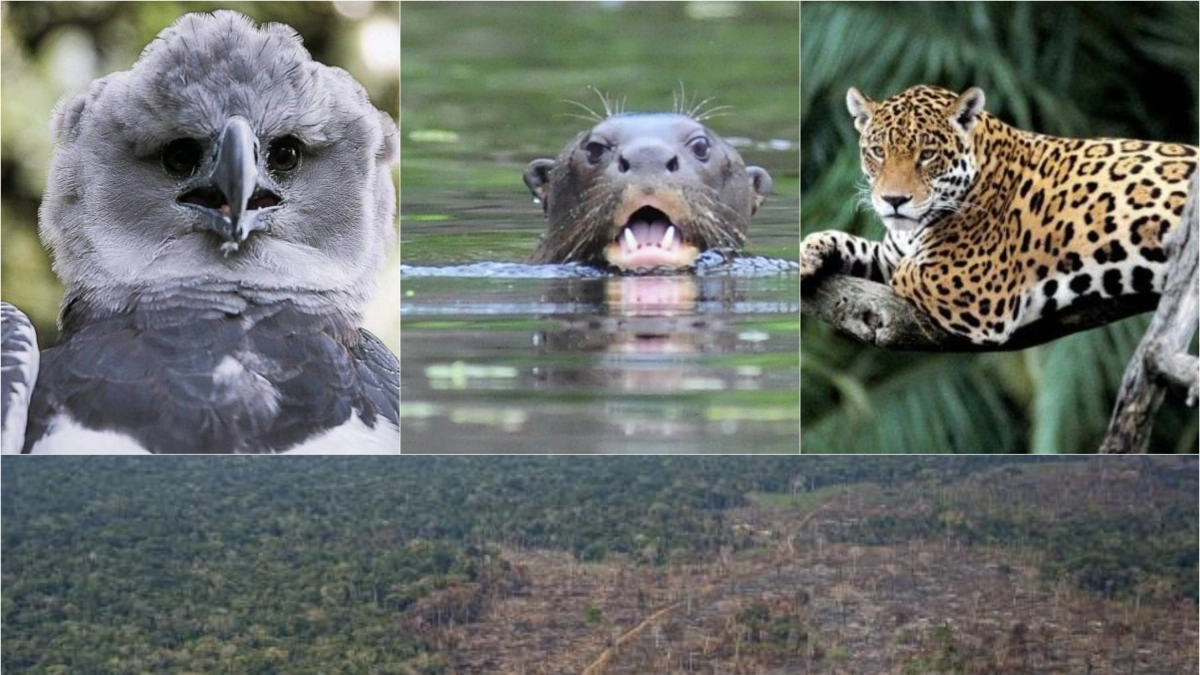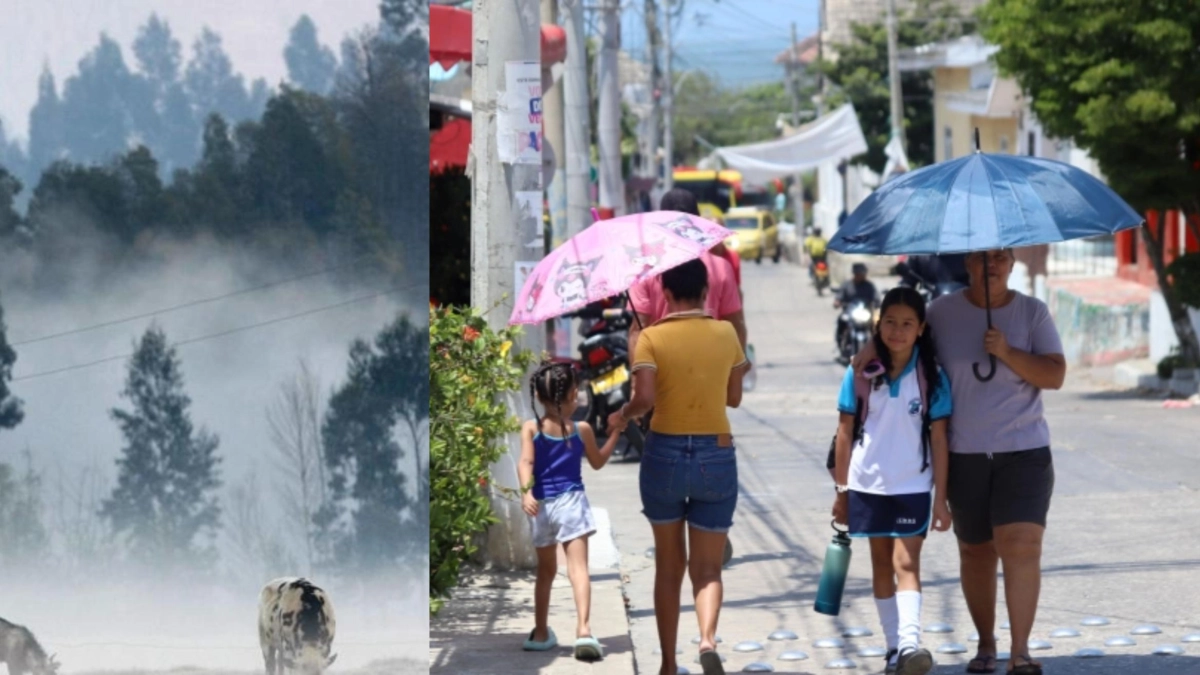
By: Editorial Desk (Reporting from Bogotá)
After a rigorous three-year odyssey through the most remote and biodiverse corners of Colombia, the Río Arriba (Upstream) project was officially unveiled in Bogotá this week. The initiative, which bridges the gap between scientific exploration, artistic documentation, and cultural preservation, seeks to redefine the national identity by framing Colombia’s rivers not as barriers, but as the life-giving arteries that connect its complex geography, diverse cultures, and resilient communities.
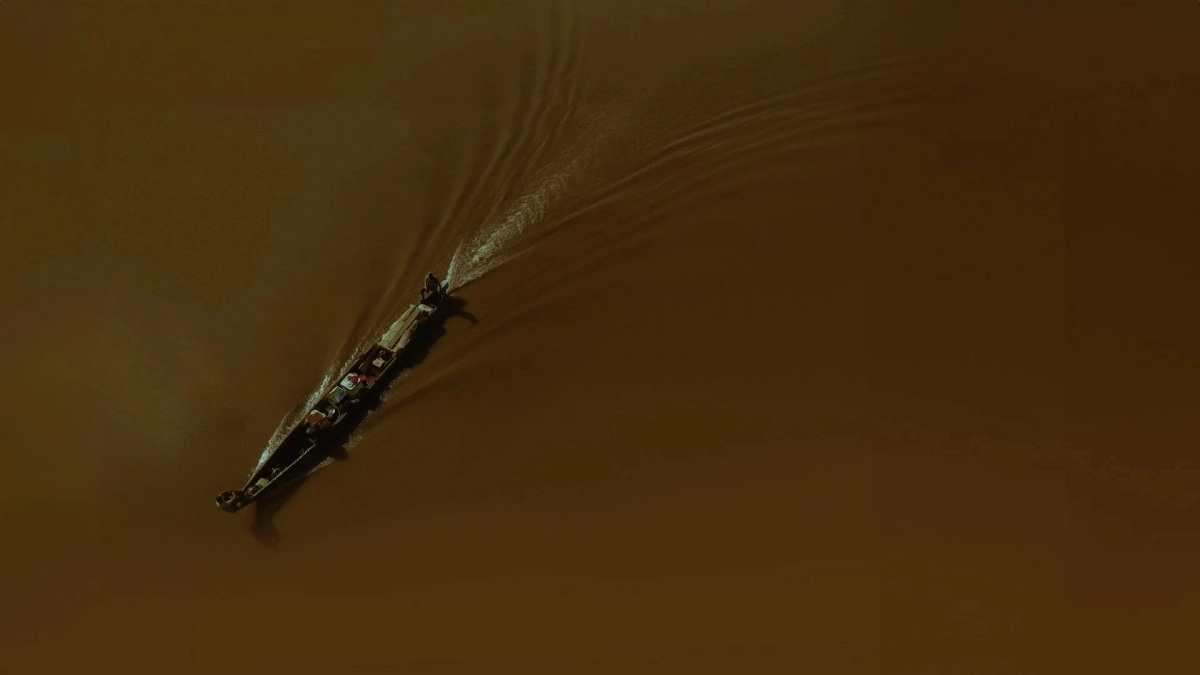
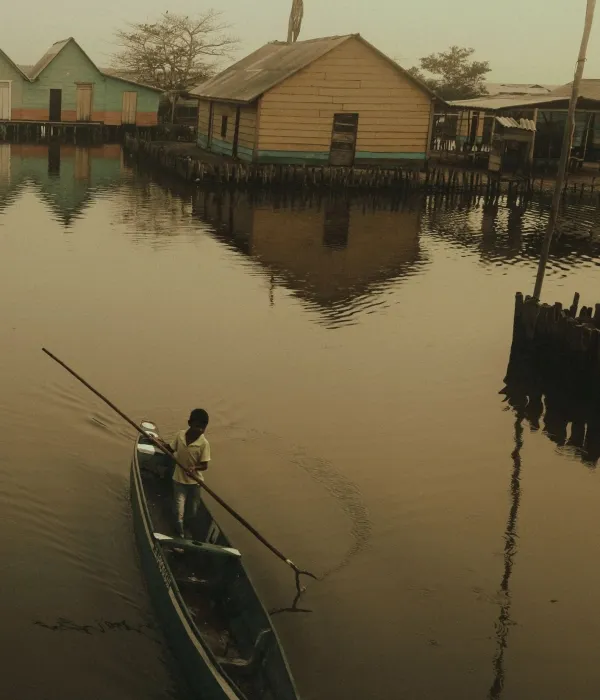
The project is spearheaded by a high-profile trio: Jaime Pumarejo, former Mayor of Barranquilla and current Executive Director of the Inter-American Development Bank (IDB) for Colombia and Peru; renowned Canadian-Colombian anthropologist and author Wade Davis; and Jaison Pérez Villafañe, a prominent leader of the Arhuaco (Ikü) indigenous community from the Sierra Nevada de Santa Marta. Together, they have curated a narrative of a country that is often misunderstood by those who only view it through the lens of urban centers or historical conflict.
The Genesis of an Expedition: From Humboldt to the Modern Day
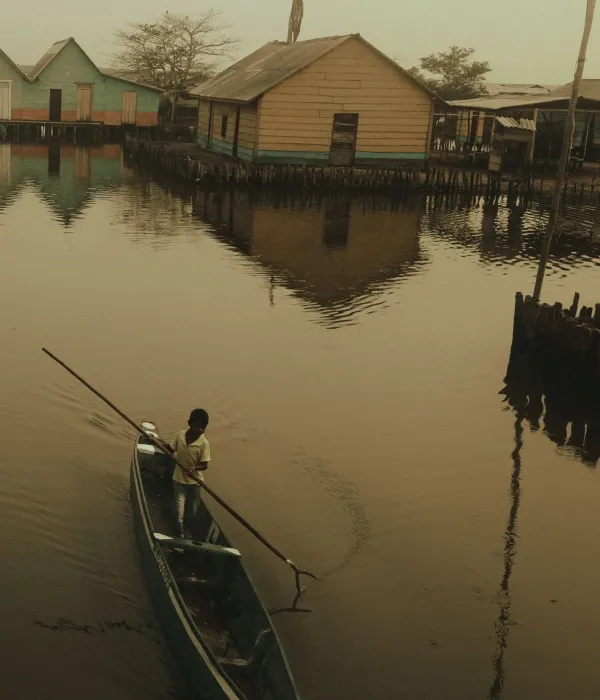
Inspired by the historic, transformative scientific expeditions of Alexander von Humboldt and the liberating marches of Simón Bolívar, Río Arriba set out with a clear, ambitious mandate: to rediscover the "true" Colombia. Over the course of 36 months, the team navigated the Orinoco basin, trekked the sacred slopes of the Sierra Nevada de Santa Marta, and traversed other critical ecological corridors.

The project was never intended to be a mere travelogue. Its founders sought to combine the analytical rigor of science with the emotional depth of storytelling. By engaging directly with indigenous leaders, local environmentalists, and remote riverine communities, the project has amassed a vast repository of human experiences. This archive—comprising documentary footage, interactive digital narratives, and print publications—serves as a testament to the coexistence of ancient wisdom and modern ecological challenges.
Chronology of the Journey: Three Years of Deep Engagement
The evolution of Río Arriba can be categorized into three distinct phases:
Phase I: The Mapping of Connections (Year 1)
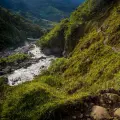
The initial stage focused on establishing contact with key communities in the Orinoco region. Here, the team worked closely with the Piaroa people in San Luis de Zama. The objective was to understand how these communities have preserved their traditions despite centuries of external pressure, including evangelization and forced acculturation. The team documented how the Piaroa maintain a spiritual and physical connection to their river systems, which serve as the foundation of their cosmology.
Phase II: The Sierra Nevada and the Wisdom of the Ancestors (Year 2)
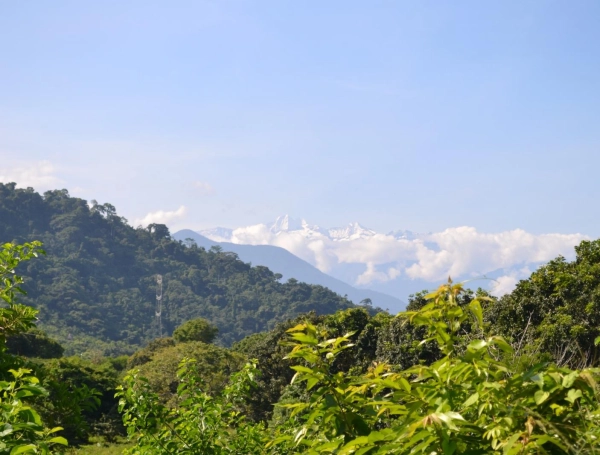
The expedition moved to the Sierra Nevada de Santa Marta, a region Jaison Pérez Villafañe describes as the "Heart of the World." This phase was characterized by an immersion into Arhuaco culture. The team observed the upbringing of the Seimaques—young apprentices to the mamos (spiritual leaders). These children undergo a rigorous, isolated formation process, shielded from the distractions of the modern world, including social media and external digital exposure, to focus entirely on spiritual and ecological stewardship.
Phase III: Synthesis and Dissemination (Year 3 to Present)
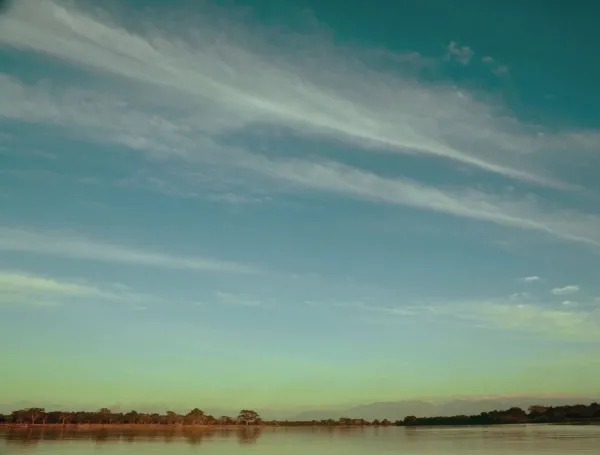
Having concluded the physical exploration, the project entered its final phase in late 2026: the transformation of raw field data into accessible content. This involves meticulous editing of hours of audiovisual material, the drafting of research papers, and the design of a digital platform intended to serve as a hub for environmental advocacy and cultural heritage. The documentary film, which acts as the centerpiece of this effort, is currently in the final stages of production and is slated for a major release in 2027.
The "Río Arriba" Characters: Redefining Development
During the Bogotá presentation, Jaime Pumarejo introduced the concept of the "Río Arriba Characters." He defined these individuals as people who "swim against the current"—those who, despite overwhelming odds, prioritize the protection of the environment over the exploitation of resources.

"They are people who understand that nature is not a commodity to be liquidated for short-term gain, but a participant in the development of a nation," Pumarejo explained. For the project leaders, these characters represent the future of Colombian sustainability. They include local activists in the Chocó region, indigenous guardians in the Sierra, and farmers who have adopted regenerative agricultural practices. By highlighting their stories, Río Arriba hopes to transition from a documentary project to a national movement, mobilizing public opinion toward a more holistic view of development.
Indigenous Philosophy as a Blueprint for the Future
Perhaps the most significant intellectual contribution of the project is its emphasis on the indigenous worldview regarding land ownership. Jaison Pérez Villafañe’s refrain, "The land does not belong to us; we belong to the land," served as a recurring theme throughout the launch event.
This philosophy, often dismissed by industrial policymakers, is presented by the Río Arriba team as a necessary correction to modern environmental degradation. Wade Davis, an expert in cultural survival, argued that Colombia sits at a unique intersection. Because of its extreme biodiversity and the survival of intact, ancestral knowledge systems, Colombia has the potential to act as a "global laboratory" for the solutions required to combat the global climate crisis.
Davis highlighted the contrast between viewing a mountain as "raw material" versus viewing it as a "spiritual entity." When a society shifts its perception of a resource, its behavior changes. If a hill is a sacred being, it cannot be mined; it must be respected. The project posits that this shift in consciousness is not just a poetic ideal, but a survival strategy for the 21st century.
Institutional Support and Future Implications
Río Arriba is backed by a robust coalition of organizations, including the CAF (Development Bank of Latin America), the Santo Domingo Foundation, Grupo Argos, Comfama, Bancolombia, Avianca, ISA, and the Ethuss Group. The technical execution and production are managed by the renowned firm Dynamo, ensuring that the final output meets the highest global standards for documentary filmmaking.
The Path Forward
The project’s roadmap for the coming year is ambitious:
- The Documentary Launch: A high-impact release scheduled for 2027 that will aim for international film festivals and television distribution.
- The Digital Platform: A web-based hub that will house the repository of stories, interviews, and scientific data collected over the last three years.
- Educational Outreach: Tailoring the narratives for younger generations, decision-makers, and policymakers to foster a more informed national discourse on water and land management.
Pumarejo expressed a strong desire for the project to outlive its creators. "I hope this becomes as much yours as it is ours," he told the audience. By democratizing the findings of the expedition, the team hopes to catalyze a new wave of environmental policy that recognizes the cultural importance of the territory.
Conclusion: A Call to Coherence
The ultimate takeaway from Río Arriba is a call for national coherence. As Jaison Pérez Villafañe eloquently stated during the closing remarks, "Let us be much more coherent, let us be more human, and let us not look at ourselves as different, but as one body."
In a country historically fragmented by geography and conflict, the rivers that flow from the mountains to the seas are now being proposed as the threads that can knit a new national identity. By listening to the voices that have historically been ignored—those of the indigenous, the rural, and the environmental defenders—Río Arriba has provided a roadmap for a Colombia that is not only biodiverse but culturally integrated.
As the team begins the final edits of their long-awaited documentary, the anticipation grows. The project is not just a record of a three-year trip; it is a profound, timely, and necessary invitation to look back at the origins of the nation to understand the path toward a sustainable future. Through the lenses of the Río Arriba team, Colombia is finally seeing itself from the inside out, recognizing its own rivers as the true arteries of its soul.