
By Edwin Caicedo
Environment and Health Journalist

Main Facts
Aruba, widely celebrated across the globe as the "Happy Island," offers visitors a fascinating contrast between dry, cactus-studded desert landscapes and some of the most luminous, biodiverse waters in the Caribbean. While the island’s interior can be comfortably traversed by car in a matter of hours, its true magic lies fluidly intertwined with the turquoise and emerald sea that surrounds it.

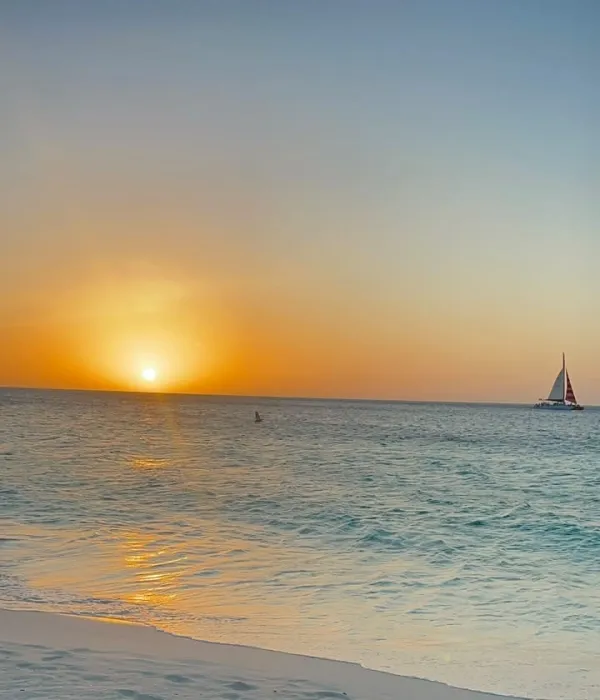
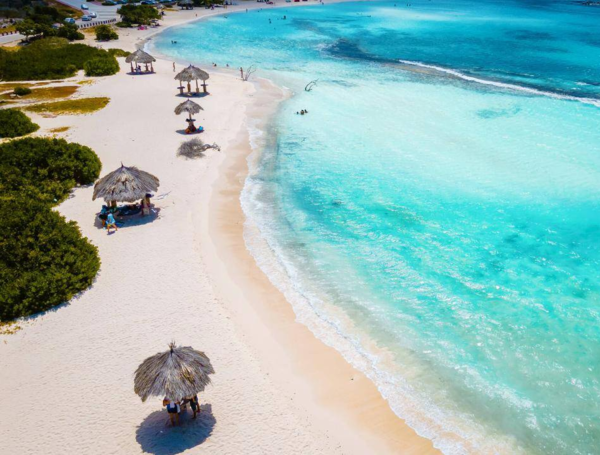
At the center of this coastal allure is Eagle Beach, a magnificent expanse of pristine white sand that has earned prestigious international acclaim. According to TripAdvisor’s Travelers’ Choice Awards 2025, Eagle Beach was crowned the number one beach in the Caribbean and the third-best worldwide. Boasting over three kilometers of uninterrupted shoreline, calm waters, and ample space for both relaxation and recreation, it epitomizes the island’s gentle rhythm.

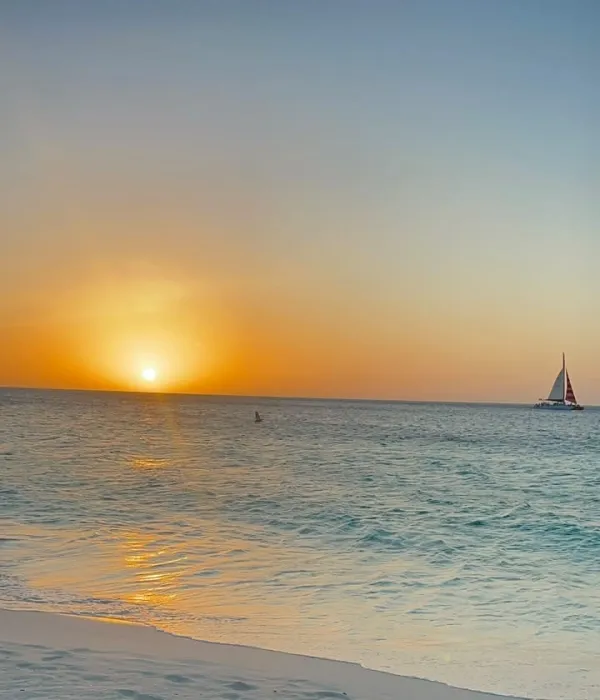
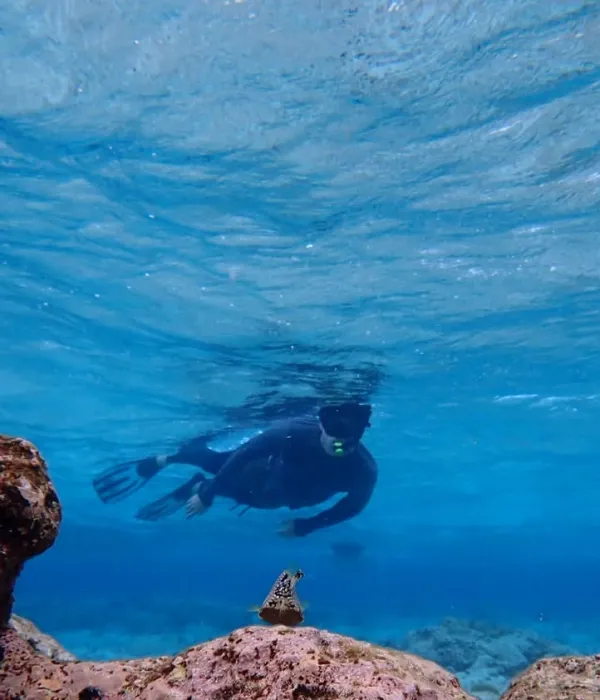
Rather than dictating a frantic, non-stop itinerary filled with rushed sightseeing, Aruba invites travelers to set their own pace. Visitors can effortlessly alternate between terrestrial adventures—such as exploring desert wineries or historical trails—and immersive aquatic experiences, including pedal-kayaking, snorkeling among tropical fish, paddleboarding, and even SUP yoga, all culminating in a breathtaking Caribbean sunset.
Chronology and Evolution of Tourism in Aruba
To understand Aruba’s current status as a premier global sanctuary for relaxation and eco-conscious travel, it is helpful to look at how the island has diversified its offerings over the decades:
- Mid-to-Late 20th Century: Aruba’s tourism model initially focused heavily on traditional sun-and-sand resort stays, establishing its reputation for hospitality, safety, and pristine shorelines.
- The Shift Toward Diversification: Recognizing the need to protect its natural resources and offer deeper experiences, local authorities and entrepreneurs began promoting inland exploration—highlighting cultural heritage, unique agricultural ventures like aloe vera cultivation, and desert viticulture.
- The Rise of Eco-Active Tourism (2010s–Present): Operators introduced low-impact marine sports, transforming how visitors interact with the environment. Innovations like pedal-kayaking, mangrove conservation tours, and specialized wellness activities (such as SUP yoga) shifted the focus toward sustainable, mindful engagement with nature.
- 2025 Accolades: Eagle Beach achieved historic international recognition, solidifying its place at the pinnacle of global travel destinations in TripAdvisor’s Travelers’ Choice Awards.
- Present Day (2026): Aruba stands as a multifaceted destination where travelers seamlessly blend high-end relaxation, culinary excellence, adventure sports, and conservation awareness.
Supporting Data and Travel Logistics
For travelers planning a journey to the "Happy Island"—particularly those departing from Colombia—current logistical and economic conditions make the trip remarkably accessible and appealing.

Flight Connections and Accessibility
- Airlines & Routes: Major carriers, including Avianca, operate frequent direct flights (averaging around two daily connections) from Bogotá (BOG) to Aruba (AUA).
- Flight Duration: The journey takes approximately one hour and 50 minutes, making it a quick international getaway.
- Airport Traffic: Queen Beatrix International Airport efficiently handles a bustling volume of traffic, receiving between 45 and 50 flights daily from global destinations.
Economic Advantages for South American Travelers
- Favorable Currency Exchange: Due to the recent revaluation of the Colombian peso against the US dollar, vacationing in Aruba has become increasingly cost-effective for travelers coming from South America.
Entry Requirements and Health Regulations
- Visa Exemptions: Colombian citizens do not require a tourist visa for short stays. Travelers must present a valid passport, a return ticket, proof of accommodation, and a completed Embarkation-Disembarkation (ED) Card.
- Mandatory Health Certifications: Aruba strictly enforces public health protocols. Travelers arriving from Colombia must present the International Certificate of Vaccination against Yellow Fever, which must be administered at least ten days prior to arrival.
- Geopolitical Status: Constitutionally, Aruba is an autonomous country within the Kingdom of the Netherlands and is associated with the European Union as an overseas territory, blending Caribbean warmth with European standards of infrastructure and safety.
Official Responses and Perspectives
Local tourism authorities and specialized excursion operators emphasize that Aruba’s charm lies in its harmonious balance between adventure and tranquility.
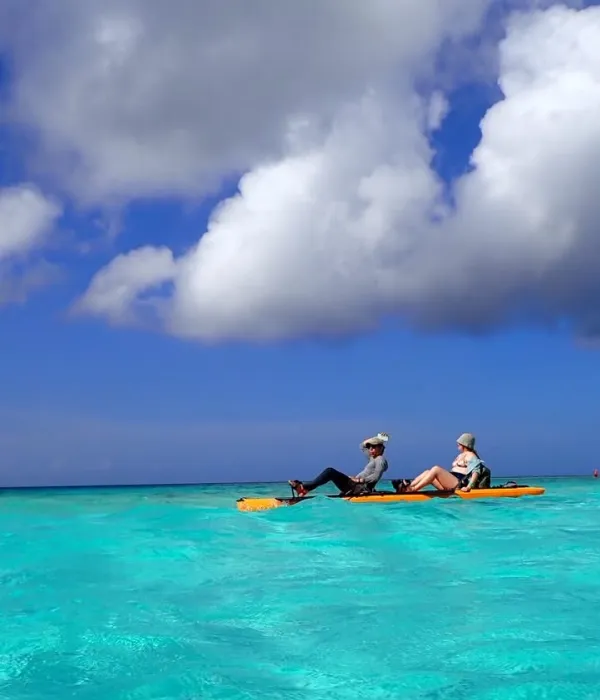
The Aruba Tourism Authority (ATA) continually promotes sustainable ways to experience the island’s diverse ecosystems. Through official campaigns, the ATA highlights that Aruba’s appeal extends far beyond conventional sunbathing. From exploring the southern mangrove networks—where kayakers can glide past quiet wetlands teeming with native birds and marine life—to supporting localized VIP romantic dining initiatives on secluded shores, the island caters to travelers seeking meaningful connections with nature and each other.

Tour operators such as Aruba Outdoor Adventures and Vela Sports Aruba have championed low-impact aquatic exploration. By introducing advanced equipment like pedal-driven kayaks and stable paddleboards for SUP yoga classes, these organizations allow visitors to engage directly with fragile marine habitats without causing ecological disruption.

“The difference with pedal kayaks is that visitors use their legs rather than their arms to navigate,” notes a representative from Aruba Outdoor Adventures. “This ergonomic shift lets travelers keep their eyes up, fully absorbing the scenery, watching the water, and protecting the delicate coral structures below.”
Implications for Travelers and the Local Ecosystem
The evolution of Aruba’s tourism sector carries profound implications for both international visitors and the island’s fragile desert and marine environments.

1. Mindful Travel and Mental Well-Being
In an era where modern tourism is often synonymous with rushed itineraries and digital burnout, Aruba offers a refreshing antidote. By curating a vacation model centered on choice—where a morning of high-energy water sports seamlessly transitions into an afternoon of absolute stillness—travelers return home feeling restored rather than exhausted. This deliberate pacing caters exceptionally well to families, couples, and wellness seekers.

2. Marine Conservation and Biodiversity Protection
As more tourists venture out into the surrounding Caribbean waters, the visibility of marine life—such as blue tangs, parrotfish, snappers, and intricate coral reefs—fosters a deeper appreciation for conservation. Responsible snorkeling and guided eco-tours underscore the vital importance of protecting these delicate habitats against climate change and over-tourism.

3. Economic Resilience Through Diversification
Aruba’s ability to transcend its classic beach-destination image by fostering desert wineries, aloe vera heritage sites, specialized adventure sports, and high-end culinary experiences ensures long-term economic stability. By dispersing tourist interest across both land and sea, the island minimizes localized overcrowding and supports a diverse network of local entrepreneurs.

Ultimately, Aruba proves that a destination does not need to choose between adrenaline and relaxation. Whether you begin your day wading through the crystal-clear shallows of Eagle Beach, spend your afternoon pedaling above vibrant coral gardens, or conclude your evening watching the sun dip beneath the horizon, the "Happy Island" remains an unmatched masterclass in Caribbean harmony.