International Desk
Published: September 9, 2026
Main Facts
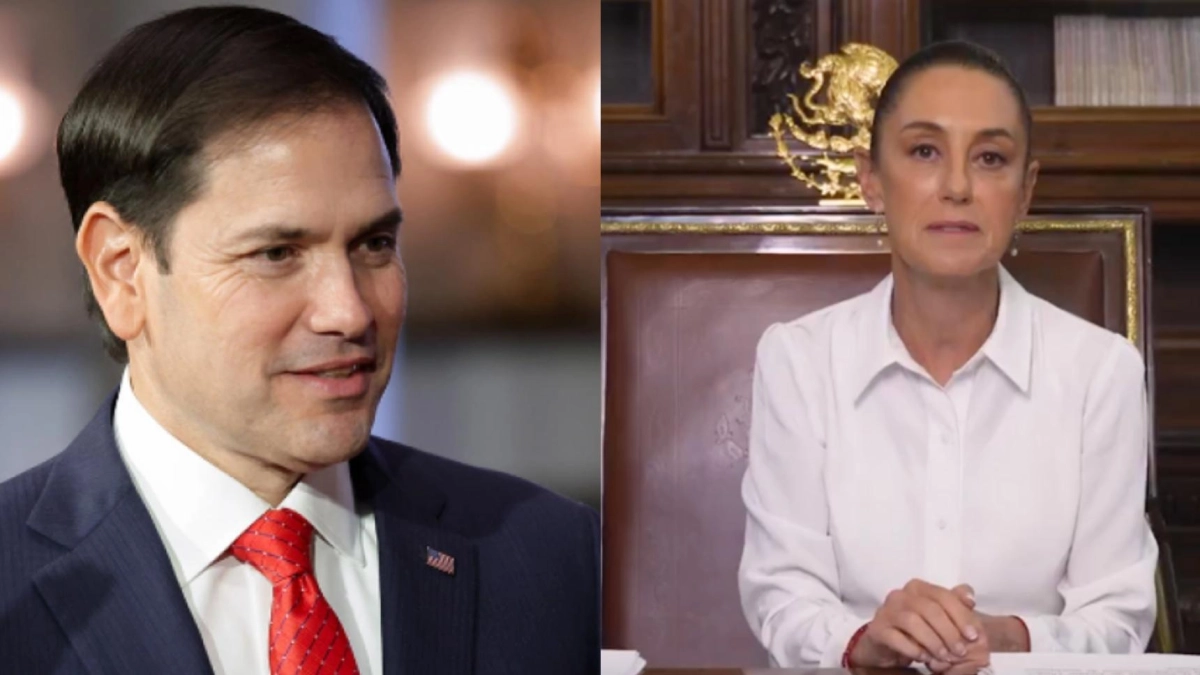
The geopolitical tension between the United States and Mexico has reached a critical juncture following sharp remarks from U.S. Secretary of State Marco Rubio. During an official diplomatic tour through South America, Rubio did not mince words regarding Mexico’s ongoing domestic security crisis, declaring that the Mexican government’s campaign against powerful drug cartels is "not nearly enough."
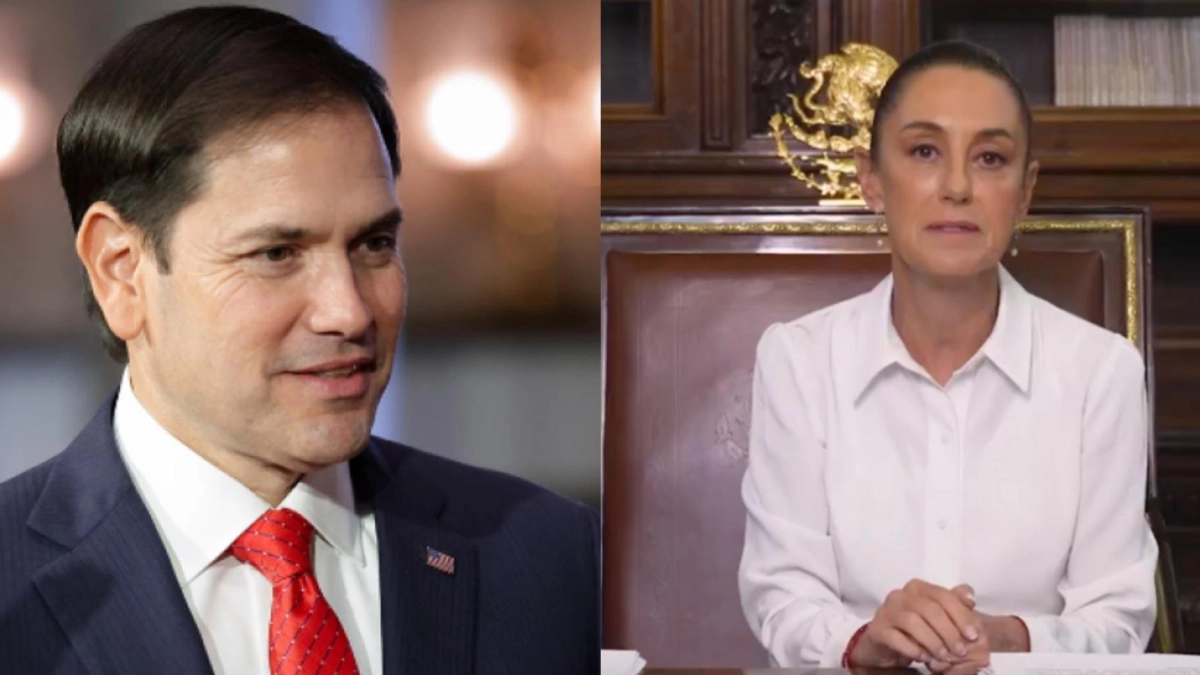
Rubio asserted that vast swaths of Mexican territory remain entirely outside the control of the central government, functioning instead under the absolute rule of what he explicitly categorized as "narcoterrorist" organizations. The top American diplomat delivered the stern warning while visiting Quito, Ecuador, as part of a broader regional itinerary that also included stops in Colombia and Peru.
While Rubio acknowledged and praised some localized efforts by Mexican authorities to curb organized crime, he insisted that the scale of the threat demands a much more aggressive and comprehensive response. Most notably, the Secretary of State emphasized Washington’s preference for a collaborative approach alongside President Claudia Sheinbaum’s administration, but issued a stark ultimatum: if joint action fails, the United States is prepared to confront the trans-border security threat unilaterally "one way or another."
This latest diplomatic friction compounds an already complex relationship between Washington and Mexico City under the administration of U.S. President Donald Trump, who has frequently floated the controversial proposition of unilateral military interventions across the southern border to dismantle cartel operations.
Chronology of Events
The deterioration of bilateral security cooperation and the escalation of Washington’s rhetoric did not happen overnight. The timeline below outlines the key events leading up to Secretary Rubio’s recent declaration:
- Early 2025–2026: Tensions mount as the administration of U.S. President Donald Trump repeatedly signals dissatisfaction with the pace and effectiveness of anti-drug operations in Mexico under the left-leaning government of President Claudia Sheinbaum.
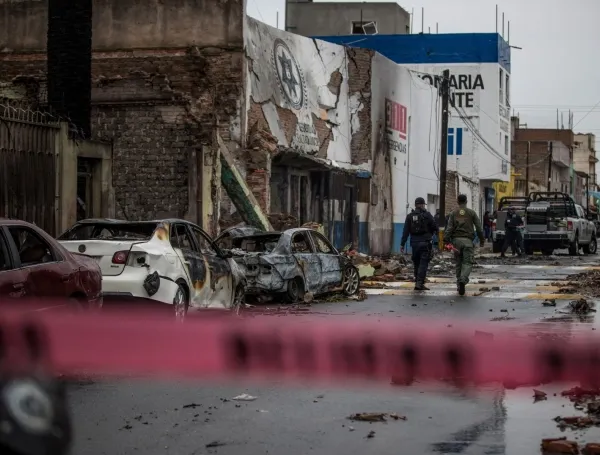
- August 31, 2026: A wave of high-impact cartel violence, including a devastating car bomb attack in the Mexican state of Zacatecas attributed to factions like the Jalisco New Generation Cartel (CJNG), underscores the unchecked tactical capabilities of organized crime groups.
- Early September 2026: U.S. federal prosecutors escalate systemic pressure by officially filing criminal charges against high-profile Mexican political figures—including the governor of Sinaloa, a prominent member of the ruling party—over alleged direct ties to drug trafficking rings.
- September 9, 2026: While on a diplomatic tour in Quito, Ecuador, Secretary of State Marco Rubio publicly delivers his assessment that Mexico’s counter-cartel strategy is "not nearly enough," signaling that Washington is running out of patience.
- Present Day: Mexican officials prepare for heightened diplomatic friction, weighing sovereignty concerns against the economic and political costs of facing increased American interventionism.
Supporting Data and Security Realities
The harsh assessment delivered by the U.S. State Department is rooted in a growing body of security data highlighting the operational sophistication and territorial reach of Mexican cartels. According to security analysts and intelligence reports cited by Washington, the crisis extends far beyond traditional drug smuggling, evolving into a systemic challenge to democratic governance.
1. Loss of Territorial Control
Secretary Rubio’s assertion that vast regions of Mexico operate outside state governance aligns with observations from independent security think tanks. Cartels have established de facto rule in remote mountain ranges, vital agricultural corridors, and strategic trafficking routes along the coasts and borders. In these zones, criminal syndicates collect taxes, regulate local commerce, and enforce their own penal codes, effectively supplanting local and state authorities.
2. Technological and Tactical Evolution
Modern Mexican cartels no longer rely solely on infantry-style enforcement. Intelligence evaluations indicate that major syndicates—such as the Sinaloa Cartel and the CJNG—have increasingly incorporated advanced military hardware into their arsenals. This includes:
- Weaponized Drones: Used extensively for reconnaissance and explosive payload delivery against rival groups and security forces.
- Improvised Explosive Devices (IEDs): As evidenced by frequent car bomb attacks and roadside mines deployed in contested regions like Zacatecas and Michoacán.
- Encrypted Communications & Counter-Intelligence: Sophisticated networks that rival the technological capabilities of regional law enforcement agencies.
3. Asymmetric Warfare and Targeted Violence
The capacity of cartels to challenge state authority is most clearly demonstrated through targeted violence against civic institutions. Rubio highlighted the routine assassination of political candidates, elected mayors, local police chiefs, investigative journalists, and independent judges. By systematically eliminating institutional accountability at the municipal and state levels, cartels have systematically hollowed out the foundations of the Mexican justice system.

Official Responses and Diplomatic Fallout
The exchange between Washington and Mexico City exposes deep ideological and strategic divides over how to address transnational crime.
The U.S. Perspective: Results Over Sovereignty Concerns
From the standpoint of the U.S. State Department and the broader Trump administration, the drug crisis is viewed primarily through the lens of national security and public health emergencies, driven largely by synthetic opioids like fentanyl that claim tens of thousands of American lives annually.

By labeling cartels as "narcoterrorists," the U.S. government is laying the legal and political groundwork for potential extraterrestrial actions. While Rubio maintained that the primary objective remains working hand-in-hand with Mexican counterparts—noting that "our hope and our intention is to do it in partnership with Mexico. That is the ideal"—his caveat that the threat "will have to be dealt with one way or another" leaves the door wide open for aggressive, unilateral measures, intelligence operations, or cross-border strikes.
The Mexican Perspective: Defense of National Sovereignty
President Claudia Sheinbaum’s administration has consistently pushed back against American sabre-rattling and proposals for direct military intervention. Mexico’s official stance emphasizes that national security challenges must be handled strictly within the framework of national sovereignty and international cooperation based on mutual respect, rather than foreign coercion.

Mexican officials frequently point to the socio-economic root causes of violence, advocating for a strategy centered on crime prevention, intelligence sharing, and addressing the demand side of the drug trade within the United States. However, the indictment of high-ranking political figures—such as the recent charges brought against the governor of Sinaloa—has severely complicated Mexico’s ability to dismiss foreign criticism regarding domestic corruption and state complicity.
Broader Implications for Bilateral Relations
The escalation in rhetoric carries profound implications for the future of North American geopolitics, trade, and security cooperation:

- Trade and Economic Stability: The United States-Mexico-Canada Agreement (USMCA) faces potential headwinds if security friction spills over into economic policy. Washington could leverage tariffs or trade restrictions to force compliance on security matters.
- Intelligence Sharing vs. Securitization: Traditional models of bilateral intelligence sharing may be overhauled or bypassed if the U.S. decides to act unilaterally against high-value targets operating within Mexican territory, severely straining diplomatic ties.
- Domestic Political Pressure in Mexico: President Sheinbaum faces a delicate balancing act. Appearing too yielding to American pressure risks alienating nationalist elements within her political base, while failing to curb cartel violence invites even more aggressive punitive measures from Washington.
As the geopolitical chess pieces move, the coming months will test whether diplomatic channels can forge an effective, cooperative framework, or if Washington’s rising frustration will translate into direct interventionist policies that redefine relations between the two neighboring nations.