CRACCOVIA — A routine Saturday afternoon in one of Europe’s most picturesque and visited cultural hubs devolved into a scene of unimaginable horror this weekend. A lone gunman abruptly opened fire on pedestrians in the heart of Cracovia’s bustling historic center, leaving a trail of death and devastation before being neutralized and taken into custody by local law enforcement.
The tragic incident has claimed the lives of five innocent people and left approximately a dozen others with varying degrees of injuries. The attack has sent shockwaves throughout Poland, a nation where mass casualty firearms incidents remain exceedingly rare, prompting immediate high-level government interventions, intense security scrutiny, and widespread public mourning.
As investigators comb through the physical evidence, digital footprints, and witness testimonies, the nation is forced to confront difficult questions regarding public safety, the psychological climate of modern society, and the potential vulnerabilities of its high-profile tourist zones.
Main Facts of the Attack
The catastrophic event unfolded swiftly during the peak hours of a busy weekend afternoon. According to official reports from the Cracovia police department and eyewitness accounts gathered at the scene, the unidentified male assailant surged into the city’s main market square—a vibrant focal point packed with weekend shoppers, local residents, and international tourists.
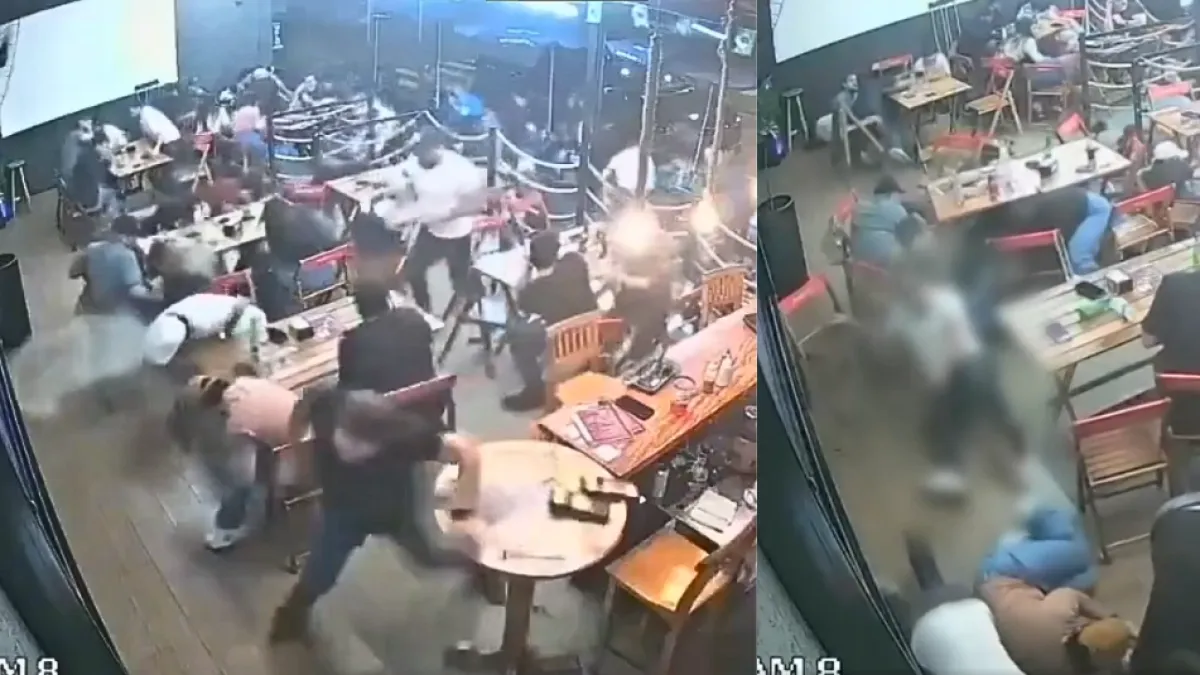
Without warning or explicit provocation, the suspect began firing indiscriminately into the crowds. The choice of location, combined with the timing, maximized the potential for casualties, turning a vibrant cultural sanctuary into an active shooter zone in a matter of seconds.
Casualties: Five individuals succumbed to their injuries at the scene or shortly after the attack. Approximately ten others sustained gunshot wounds and trauma-related injuries, requiring urgent medical intervention and transport to regional hospitals.
The Assailant: Quick-acting police units arrived at the location within minutes. Confronted by the active shooter, officers returned fire, successfully neutralizing the threat. The gunman sustained gunshot injuries during the exchange and was subsequently placed under heavy guard at a local medical facility, where he remains hospitalized and unavailable for immediate interrogation.
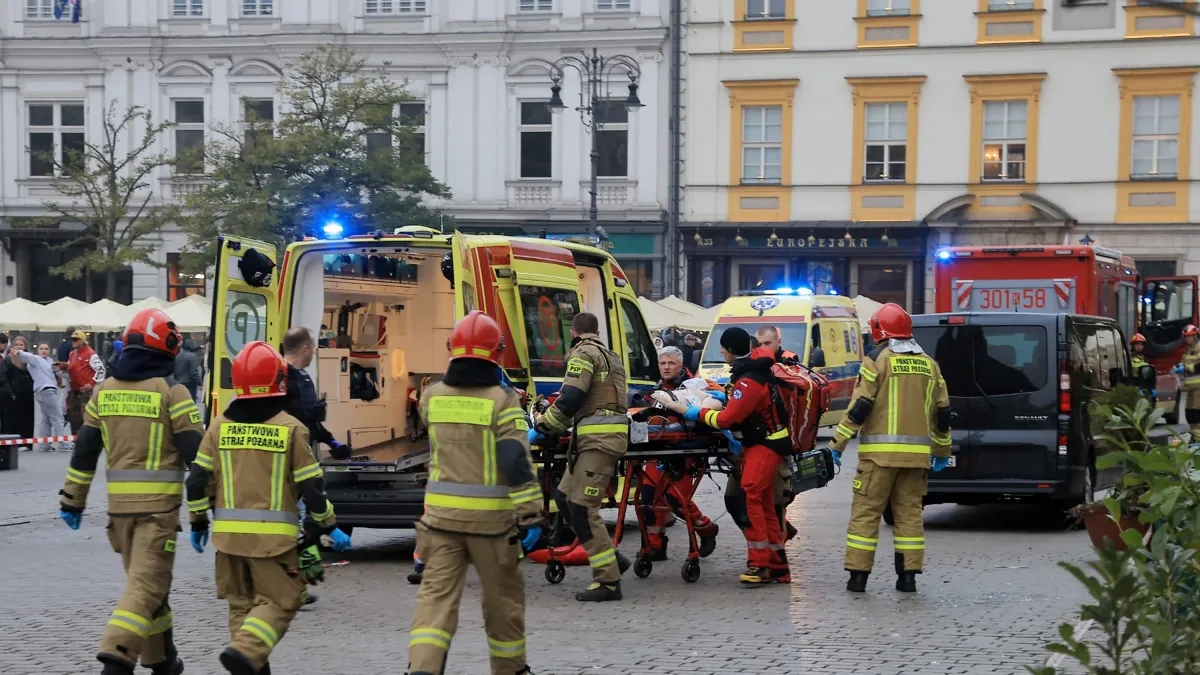
The Scene: First responders flooded the historic district, establishing large cordons to secure the perimeter, triage the wounded, and manage the mounting panic among bystanders. Forensic teams immediately set to work mapping the trajectory of the bullets and collecting ballistic evidence across the expansive plaza.
Chronology of Events
Reconstructing the timeline of the Cracovia shooting reveals a rapid escalation from a peaceful Saturday afternoon to a critical security crisis.
Early Afternoon: The Calm Before the Storm
On Saturday, November 7, 2026, the historic center of Cracovia was enjoying a robust influx of weekend visitors. Boasting architectural wonders, open-air cafes, and a rich history as Poland’s former capital, the main market square was alive with the ambient noise of conversation, commerce, and tourism. Official municipal statistics underscore the magnitude of foot traffic the city regularly handles, noting that Cracovia welcomed an impressive 16.2 million visitors in 2025 alone.
The Attack Begins
At approximately 12:30 P.M. local time, the atmosphere shattered. The gunman breached the perimeter of the primary public plaza. Witnesses described a sudden eruption of loud pops that many initially mistook for construction noise or celebratory firecrackers, only to realize moments later that they were witnessing a deliberate assault. The suspect moved systematically through the thoroughfare, firing wildly at random individuals without regard for age, gender, or affiliation.
Police Intervention and Neutralization
Law enforcement response was executed with remarkable speed. Armed officers converged on the central plaza almost immediately after the first emergency calls were logged. Confronted by an active threat continuing to endanger civilian lives, the police engaged the shooter. In the ensuing exchange of gunfire, the aggressor was shot and incapacitated by law enforcement personnel, effectively halting the massacre before further lives could be lost.
Immediate Aftermath and Medical Response
As the smoke cleared, the historic plaza presented a harrowing tableau. Paramedics and emergency medical technicians rushed to aid the victims, administering life-saving CPR and tourniquets on the pavement. Surviving witnesses, tourists, and business owners described scenes of acute shock; many wept openly or barricaded themselves inside nearby historical shops and restaurants as police swept the area for potential accomplices or secondary devices. By early afternoon, the city center was entirely locked down, transforming into an active forensic zone.
Eyewitness Testimonies and Human Impact
The psychological toll of the Cracovia shooting cannot be overstated. For a city renowned worldwide for its architectural beauty, deep cultural roots, and welcoming atmosphere, the violence marks a devastating historical turning point.
Annette, a tourist in her sixties who was visiting the city at the time of the shooting, shared her harrowing account with international reporters:
"I saw a man shooting at the people and walking calmly through the plaza. It is a tragedy for Cracovia; we had never seen anything like this before."
Her sentiments were echoed by hundreds of residents and visitors who found themselves trapped in the historic center. Shopkeepers lowered their metal security shutters, providing makeshift sanctuaries for terrified tourists, while families separated in the initial panic desperately sought information about loved ones.
Local psychologists and municipal support networks have since been mobilized to provide trauma counseling to eyewitnesses, first responders, and families affected by the tragedy. The collective trauma has ruptured the sense of everyday security that Poles have historically taken for granted in their public spaces.
Official Responses and Political Repercussions
The response from the highest echelons of the Polish government was swift, reflecting the gravity of the crisis and its potential to destabilize public confidence in national security.
Prime Minister Donald Tusk’s Directive
Prime Minister Donald Tusk formally addressed the nation, lamenting what he termed a "tragic shooting" and confirming that a comprehensive federal and local investigation is already underway. Tusk emphasized that law enforcement agencies are leaving no stone unturned in examining the background, psychological state, and potential ideological or criminal motivations of the perpetrator.
President Karol Nawrocki Demands Accountability
Simultaneously, Polish President Karol Nawrocki—a conservative nationalist whose relationship with Tusk’s centrist, pro-European government has historically been strained—voiced deep public concern over the incident.
Utilizing social media to broadcast his initial reactions, Nawrocki posted a direct demand for transparency:
"I expect full explanations regarding the circumstances of these dramatic events. The security of Poles is an absolute priority."
The political class, across its often-divided ideological spectrum, quickly rallied around the necessity of thoroughly reviewing national security protocols, though underlying political tensions continue to shadow the discourse surrounding how intelligence and law enforcement agencies manage unpredictable domestic threats.
Broader Implications: Contextualizing Safety in Poland
To fully grasp the magnitude of Saturday’s tragedy, one must contextualize it within Poland’s broader domestic and geopolitical landscape.
The Rarity of Gun Violence in Poland
Poland, a Central European nation of approximately 38 million inhabitants, is a proud member of both the European Union and the North Atlantic Treaty Organization (NATO). Unlike several of its Western allies or countries with more permissive firearm accessibility laws, mass shootings and random gun violence are historically extremely rare occurrences within Polish borders. Strict licensing, robust background checks, and stringent regulations on firearm ownership have traditionally kept gun-related homicide rates exceptionally low.
Rising Societal Tensions and Recent Security Alerts
Despite its reputation for safety, the nation has experienced an unsettling shift in public security dynamics in recent months. In October, a wave of sudden, violent stabbings put Polish law enforcement and intelligence agencies on maximum alert.
At the time, Prime Minister Tusk publicly diagnosed these incidents as symptoms of a broader, global "cult of violence" that had successfully infiltrated domestic borders. Saturday’s shooting in Cracovia will inevitably exacerbate these anxieties, forcing the government to reevaluate whether these isolated episodes point toward a broader societal degradation or an emerging pattern of domestic extremism.
Geopolitical Pressures and Hybrid Warfare Concerns
Operating on a broader international canvas, Poland has also found itself on the frontline of regional instability. As a steadfast and vital ally to neighboring Ukraine since the onset of the Russian invasion in 2022, Warsaw has repeatedly warned its citizenry and international partners about the persistent threats of Russian-sponsored sabotage and hybrid warfare operations designed to sow chaos and undermine social cohesion within NATO’s eastern flank—allegations that Moscow has consistently rejected.
While investigators have found no immediate, verified link between Saturday’s horrific actions in Cracovia and foreign state-sponsored hybrid operations, the atmosphere of heightened geopolitical alertness ensures that intelligence agencies will probe every possible angle of the shooter’s background, international contacts, and digital communications.
Conclusion
As Cracovia begins the arduous process of healing, the questions left in the wake of the gunfire remain largely unanswered. The motives of the assailant continue to elude investigators, and the five lives cut short in a sunlit public square represent an irreplaceable loss for their families and the community at large.
The investigation led by Polish authorities under the oversight of Prime Minister Tusk’s administration will undoubtedly take time as forensic experts piece together the puzzle of how such an unprecedented atrocity could occur in the heart of one of Europe’s most cherished cultural destinations. For now, a united Poland mourns its dead, reassesses its public safety parameters, and confronts the painful reality that even the safest sanctuaries are not entirely immune to the modern tides of inexplicable violence.
By Nathalia Díaz Guzmán International News Desk Updated: November 5, 2026 Main Facts Authorities in South Florida have officially concluded the identification process for the three occupants involved in a catastrophic aviation accident that shook…
WASHINGTON — In a decisive legal blow, a federal judge in Florida has permanently dismissed a staggering $10 billion defamation lawsuit brought by Donald Trump against The Wall Street Journal and its owner, media mogul…
By International News Desk Updated: July 19, 2026 The quiet rhythm of life in Campo Mourão, a municipality in the state of Paraná, southern Brazil, was shattered on the evening of Friday, July 17, when…