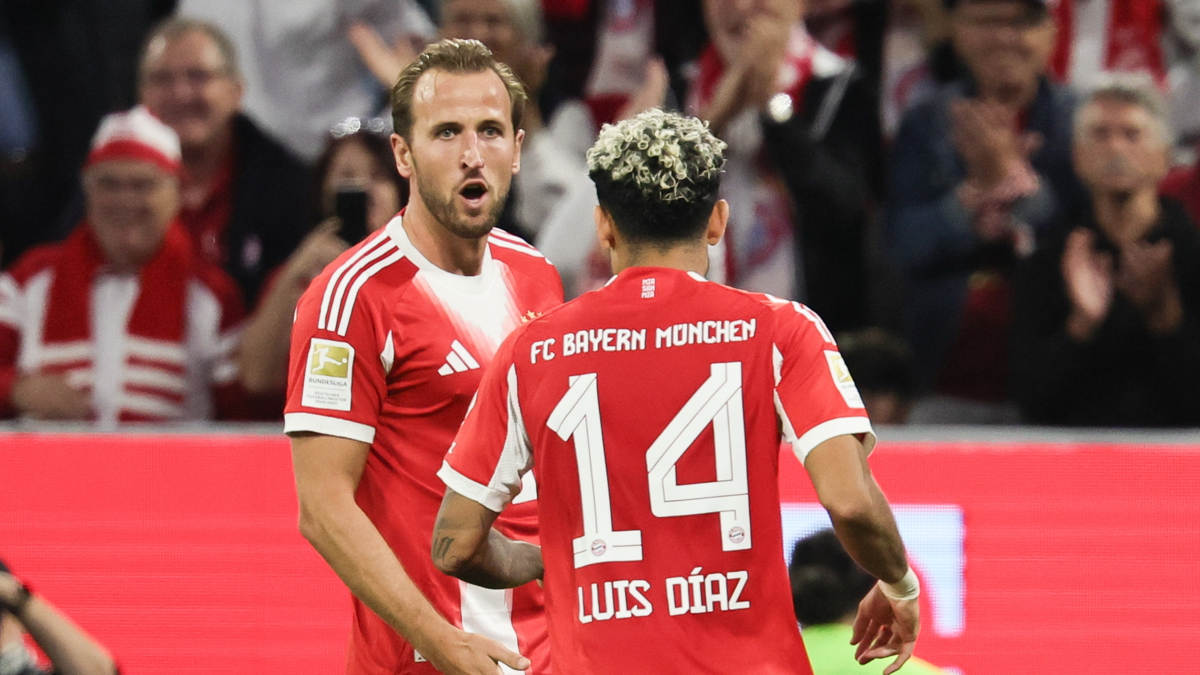
The Bavarian giants, Bayern Munich, find themselves at a critical juncture of the 2026/2027 season. The club’s offensive structure, long anchored by the prolific goal-scoring prowess of English captain Harry Kane, has been thrown into disarray following a significant injury. As the club navigates a congested schedule, the hierarchy in Munich is weighing a strategic shift that could see Colombian winger Luis Díaz reimagined as the focal point of the attack.
The Injury: A Defining Moment for the Season
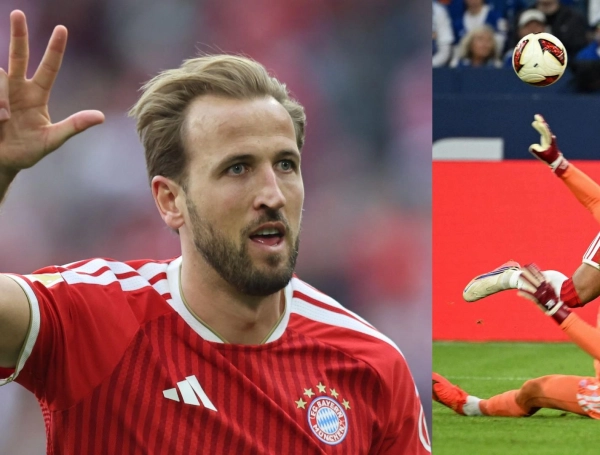
The reality of Bayern’s current situation set in after medical assessments confirmed a rupture of the syndesmosis ligament in Harry Kane’s left ankle. This is not merely a minor setback; it is a long-term medical absence that is expected to keep the striker out of action for approximately three months. With his recovery timeline targeting a return in March, the timing could not be more precarious for the German powerhouse, as they approach the business end of the domestic league and the critical stages of the UEFA Champions League.
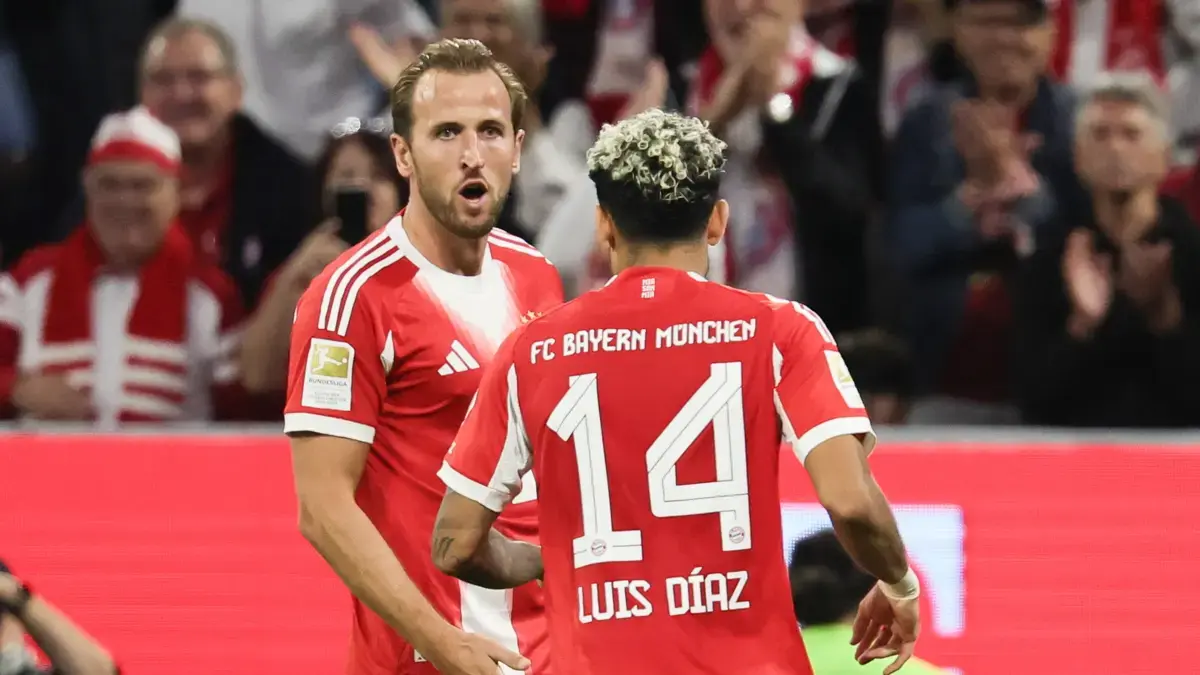
The syndesmosis ligament, which holds the tibia and fibula together at the ankle, is notoriously difficult to manage. For a player like Kane, whose game relies on precise positioning, acceleration, and sudden pivots within the box, a total recovery is non-negotiable. Bayern’s medical staff has opted for a conservative but rigorous rehabilitation plan, hoping to avoid surgical intervention that could further delay his return.
Strategic Shift: The "Internal Solution" Philosophy
Faced with the prospect of navigating the winter months without their primary talisman, Bayern Munich’s management is displaying a marked reluctance to enter the January transfer market. Historical data from the club’s recent recruitment history reveals a pattern: signings made during the mid-season window often struggle to adapt to the rigorous tactical demands of the Bundesliga and the high-intensity environment of the Allianz Arena.
Instead of panic-buying, the club’s leadership, including sporting director and head coach, are focusing on the internal resources at their disposal. The consensus within the boardroom is that the current squad possesses the versatility to cover the void left by Kane. By avoiding the acquisition of a short-term, expensive replacement, the club aims to preserve its financial stability and team harmony, betting on the adaptability of their existing stars.
Luis Díaz: From Winger to False Nine
The most intriguing tactical pivot currently being discussed at Säbener Straße is the conversion of Luis Díaz into a central attacking threat. According to insights provided by CBS Sports journalist Raphael Honigstein, the Bayern technical staff is seriously considering positioning the Colombian international as a central striker.
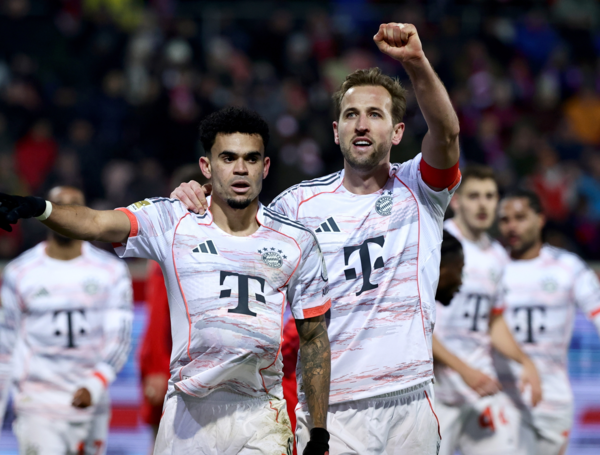
While Díaz has primarily made his name as an explosive, creative winger capable of dismantling defenses from the flanks, he is no stranger to the center. His evolution under current tactical setups suggests he has the technical discipline to operate as a "False Nine" or a mobile central forward.
The Proven Track Record
Díaz’s potential deployment in the center is not mere speculation; it is based on evidence. During his time in the Premier League, and specifically under the stewardship of Arne Slot, Díaz proved he could lead the line with lethal efficiency. A defining moment in his career occurred during a Champions League fixture against Bayer Leverkusen, where he was tasked with leading the charge. Díaz responded with a clinical hat-trick, showcasing an instinctive ability to find space, hold up the ball, and execute finishes that were previously thought to be outside his comfort zone.
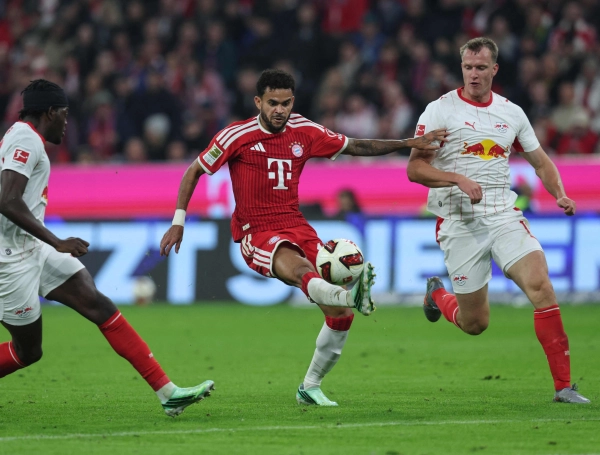
For Bayern, this shift could provide a much-needed tactical dynamism. Unlike Kane, who operates as a traditional, physical target man, Díaz offers speed and fluidity. This could force opposing defenses to adjust their marking schemes, as they can no longer rely on a static physical battle with a target player, but must instead track a player who thrives on movement and transition.
The Player’s Perspective: Readiness and Recovery
The transition is, however, contingent upon Díaz’s physical availability. The Colombian has been battling his own minor fitness issues, working tirelessly in the gym to ensure he is at peak performance for the upcoming fixtures against Lille in the Champions League and Hamburger SV in the Bundesliga.
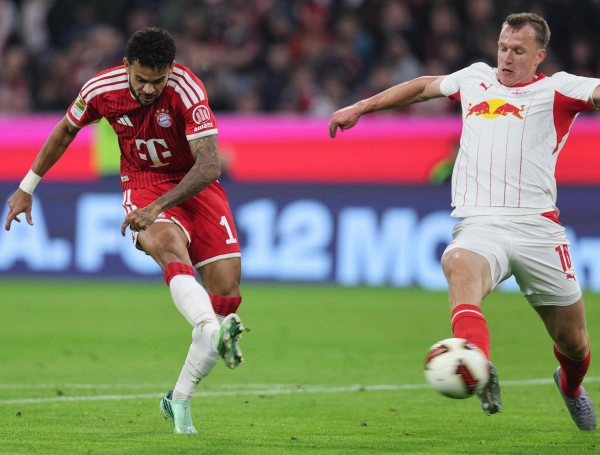
In a recent statement, Díaz expressed his burning desire to return to the pitch. "I feel very good right now," he stated. "We will be back soon. I don’t know if it will be for the next match, but I am very happy to be available for the team. I want to play now; I am anxious to play."
This eagerness is a double-edged sword for the coaching staff. While his commitment is vital, the club must balance his desire to contribute with the medical necessity of preventing a re-aggravation of his own physical concerns. His integration into the center will likely be gradual, with the coaching staff utilizing training sessions during the upcoming pre-Christmas break to test his chemistry with the creative midfielders and wide players.

Implications for the Bundesliga and Champions League
The absence of Kane and the subsequent tactical adjustments have immediate implications for Bayern’s ambitions this season.
- Tactical Flexibility: If the move to position Díaz centrally succeeds, it provides Bayern with a "Plan B" that they can deploy even after Kane returns. This increases the team’s unpredictability.
- Pressure on the Midfield: With a less traditional striker in the middle, the onus for goal creation will fall heavily on the attacking midfielders. Players like Jamal Musiala and Leroy Sané will be required to penetrate the box more frequently, essentially becoming secondary strikers.
- The January Market: If the team struggles during the initial matches without Kane, the pressure on the board to sign a striker will intensify. However, the current strategy suggests that they are prepared to weather the storm, even at the risk of dropping points, to maintain the integrity of their long-term project.
Chronology of Events
- Mid-November 2026: Harry Kane sustains a syndesmosis ligament injury during a high-intensity training session.
- Late November 2026: Medical reports confirm the severity of the injury, setting a three-month recovery timeline.
- Late November 2026: The Bayern Munich board meets to discuss the viability of an emergency winter signing, ultimately deciding against it due to poor historical returns.
- Early December 2026: Reports emerge linking Luis Díaz to the central attacking role, supported by his previous performance data at Liverpool.
- December 2026: The club enters a critical period of internal testing and tactical drills to prepare for the post-Kane offensive structure before the mid-season break.
Conclusion
The injury to Harry Kane is undeniably a heavy blow to Bayern Munich’s title aspirations. However, in the world of elite football, such crises often serve as the catalyst for innovation. By placing their faith in the versatility of players like Luis Díaz, the club is signaling a shift toward a more fluid, modern attacking style. Whether this experiment will result in silverware or a missed opportunity remains to be seen. What is clear, however, is that the next three months will define the tactical identity of this Bayern side for the remainder of the decade. The German giants are not just playing for the league title; they are playing to prove that their system is greater than any individual, no matter how prolific that individual may be.