By Edwin Caicedo, Environment and Health Correspondent
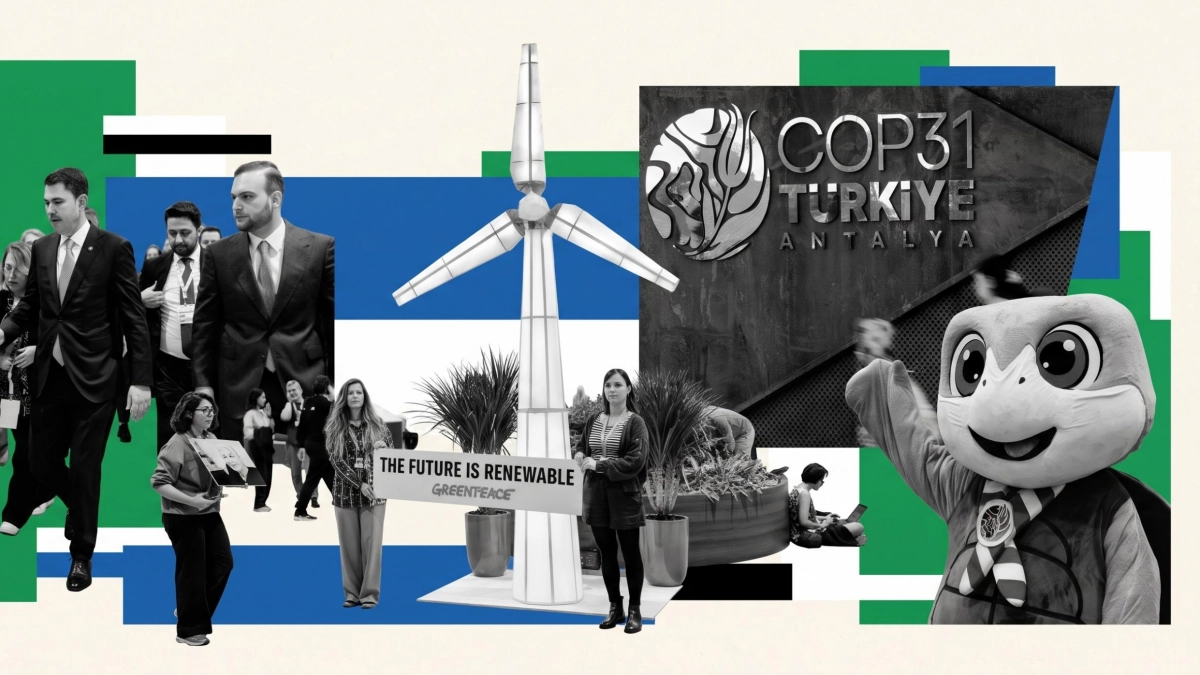
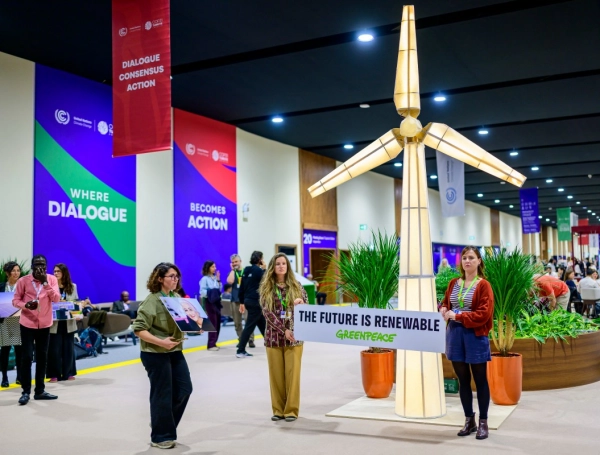
The curtain has fallen on COP31 in Antalya, Turkey, leaving behind a stark silence where decisive climate action should have been written. After two weeks of intense, often fraught negotiations, the international community has departed the Mediterranean resort city without a cohesive political agreement to steer the world toward a rapid energy transition. What was intended to be a milestone for global climate policy has instead become a symbol of the widening chasm between scientific urgency and political inertia.
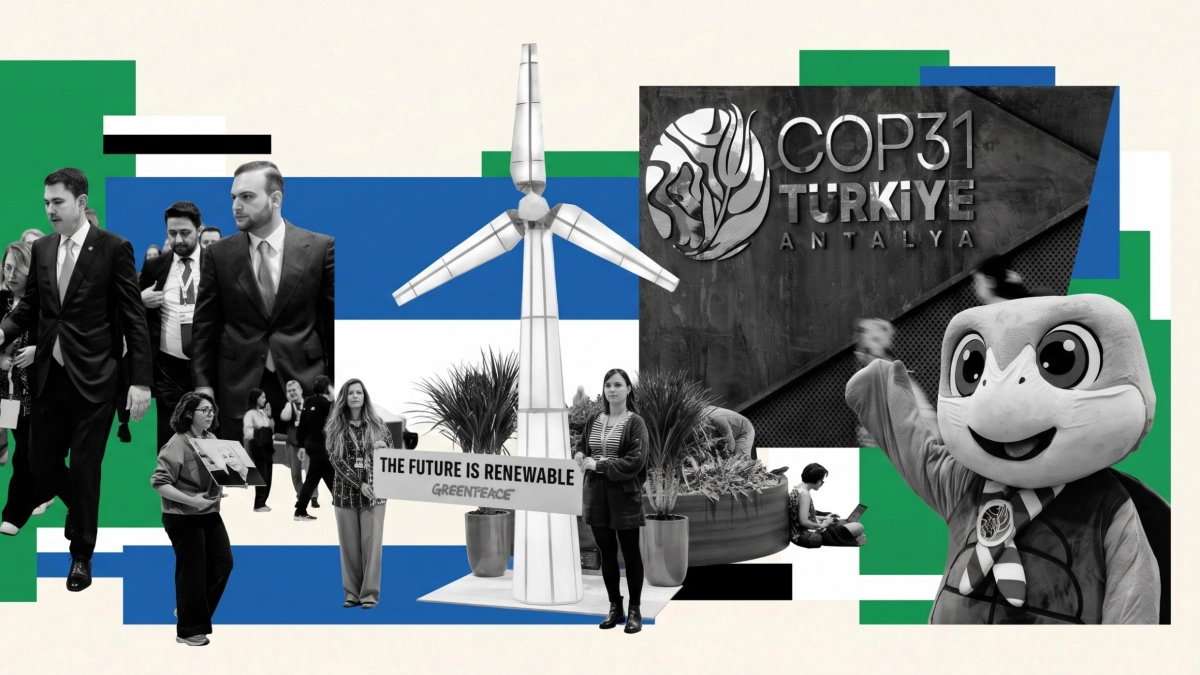
The failure to reach a final, binding agreement highlights a deeper, structural paralysis within the UN climate framework. While the scientific consensus on the necessity of abandoning fossil fuels is absolute, the mechanisms to fund, execute, and distribute the economic burdens of this transition remain caught in a web of geopolitical discord and national self-interest.
The Core Conflict: A Deadlock Over Energy and Equity
The primary point of friction throughout the summit was the unresolved question of fossil fuels. Despite overwhelming evidence that coal, oil, and gas are the primary engines of global warming, negotiators could not reach a consensus on a clear, collective roadmap to phase them out.

For many developing nations and climate-vulnerable states, the conversation regarding a "transition" is inseparable from the issue of "justice." These countries face a double burden: they are the most exposed to the ravages of climate change—from rising sea levels to catastrophic desertification—yet they possess the least capital to fund the transition to renewable energy systems. Throughout the summit, the divide between the "Global North" and "Global South" widened as discussions on who should bear the economic costs of the transition stalled.
A Chronology of Stagnation
- Days 1-4: Initial optimism centered on the "Antalya Principles," a set of proposed guidelines for accelerating renewable investment. However, these were quickly bogged down by debates over historical responsibility.
- Days 5-9: Tensions spiked as the draft texts omitted specific dates for the phasing out of coal, leading to protests from Pacific Island nations and environmental NGOs.
- Days 10-13: High-level ministerial meetings attempted to bridge the gap on climate financing. The inability to secure firm pledges for the Loss and Damage Fund became a breaking point.
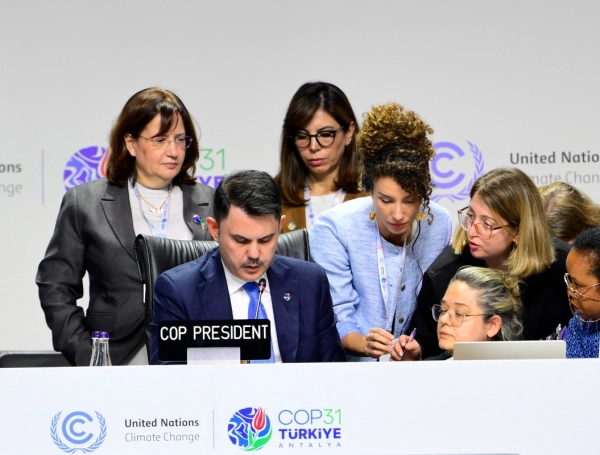
- Day 14 (Closing): The plenary session failed to adopt a final text, leaving delegates to issue only procedural reports rather than a unified path forward.
The Scientific-Political Gap: A Systemic Failure
Luis Sánchez, director of the Department of History and Geography and coordinator of the undergraduate program in Global Environmental Change at the Universidad de los Andes, argues that the failure of COP31 does not stem from a lack of scientific understanding.

"We know exactly what the problem is, and we know exactly what we need to do," Sánchez explains. "The difficulty in acting lies in the fact that these solutions must be built within a profoundly unequal world. We are dealing with rigid economic interests, energy dependencies, varying institutional capacities, and vastly different historical responsibilities. The scientific reality is global, but the political reality is siloed."
This assessment is echoed by experts across the board. The failure in Antalya was not a failure of climate science, but a failure of leadership. The inability to articulate a shared vision for a post-fossil-fuel future has left the Paris Agreement’s spirit in a state of deep uncertainty.
Official Responses: "An Indefensible Failure"
The reaction from international observers and policy experts has been swift and scathing.
Ani Dasgupta, President and CEO of the World Resources Institute (WRI), did not mince words, labeling the outcome a "total failure of political leadership."

"It is frankly indefensible that the world’s governments could not even agree to mention fossil fuels in the final text—the single greatest driver of the climate crisis," Dasgupta stated. According to Dasgupta, the summit was hijacked by national protectionism, with countries prioritizing their short-term economic standing over the long-term survival of the global community.
Florencia Ortúzar, Director of the Climate Program at the Interamerican Association for Environmental Defense (AIDA), expressed profound disappointment, noting that the proceedings drifted far from the principles of equity and cooperation. "The plenary highlighted an inability to agree on a future free of fossil fuels that is backed by actual, accessible international climate finance," she said.
The Financial Vacuum: Vulnerable Nations Left Behind
Perhaps the most damaging outcome of COP31 was the lack of clarity regarding climate finance. For nations already grappling with the frontlines of climate change—such as the Pacific Island states, Nepal, and regions of sub-Saharan Africa—the summit provided no guarantees of the resources needed for adaptation.
Champa Patel, Executive Director of Governments and Policy at Climate Group, described the result as "an astonishing failure of leadership."
"We saw proposals filled with buzzwords about carbon capture and ‘net-zero’ targets, but there were no concrete timelines or financial commitments," Patel noted. "How can a nation on the brink of being swallowed by the ocean plan its future when it doesn’t know if the international community will provide the funding promised for adaptation before the next flood?"
The lack of progress also meant that specific, high-priority initiatives—such as the protection of ocean ecosystems and the preservation of mountain communities—were effectively shelved. The funding for adaptation remains abstract, disconnected from the realities of those who need it most.

A Glimmer of Progress Amidst the Stagnation
Despite the overarching gloom, some sectors saw incremental progress. Patricia Zurita, Executive Director and head of External Affairs at Conservation International, pointed out that the summit did not fail entirely in the realm of nature-based solutions.
"While the energy transition negotiations were a disaster, we did see some momentum regarding the role of oceans in climate regulation," Zurita said. Furthermore, the Tropical Forests Forever Facility (TFFF), an initiative aimed at halting tropical deforestation, managed to secure commitments totaling over $8 billion.
These wins, however, are viewed by analysts as "Band-Aids on a bullet wound." Without a systemic shift in the energy sector, even the most robust conservation efforts will eventually be overwhelmed by the rising temperatures caused by continued fossil fuel combustion.
Implications: The Road to COP32 and Beyond
The failure in Antalya leaves the world at a dangerous crossroads. As the international community turns its eyes toward COP32, the pressure to move from negotiation to implementation has never been higher.

The primary takeaway from this summit is that the traditional model of high-level, consensus-based climate summits is under severe stress. When national interests are allowed to veto global survival, the mechanism itself becomes a liability.
Key Lessons for the Future:
- Beyond Science: Future summits must address the political economy of transition. It is not enough to show data; governments must be presented with frameworks that reconcile national economic survival with global climate targets.
- Accountability: The absence of enforcement mechanisms for the promises made in Paris and subsequent summits is a glaring hole. COP32 must prioritize binding financial commitments.
- Local Agency: As formal negotiations stall, the power of local communities, indigenous movements, and sub-national governments (cities and states) is becoming the true engine of change.
The cost of inaction is not merely a theoretical future risk; it is a current, mounting expense being paid in human lives, destroyed ecosystems, and economic instability. As we look toward the next chapter of these negotiations, the question remains: will the next summit be another exercise in diplomatic rhetoric, or will it finally produce the political courage required to save the planet?

The climate does not negotiate, and it certainly does not wait. As the delegates leave Antalya, they carry with them the weight of an unresolved crisis that will only grow louder, and more expensive, by the time they meet again.
Edwin Caicedo is a journalist specializing in Environment and Health. Follow his reporting on X/Twitter @CaicedoUcros.